Made to Order

Made to Order
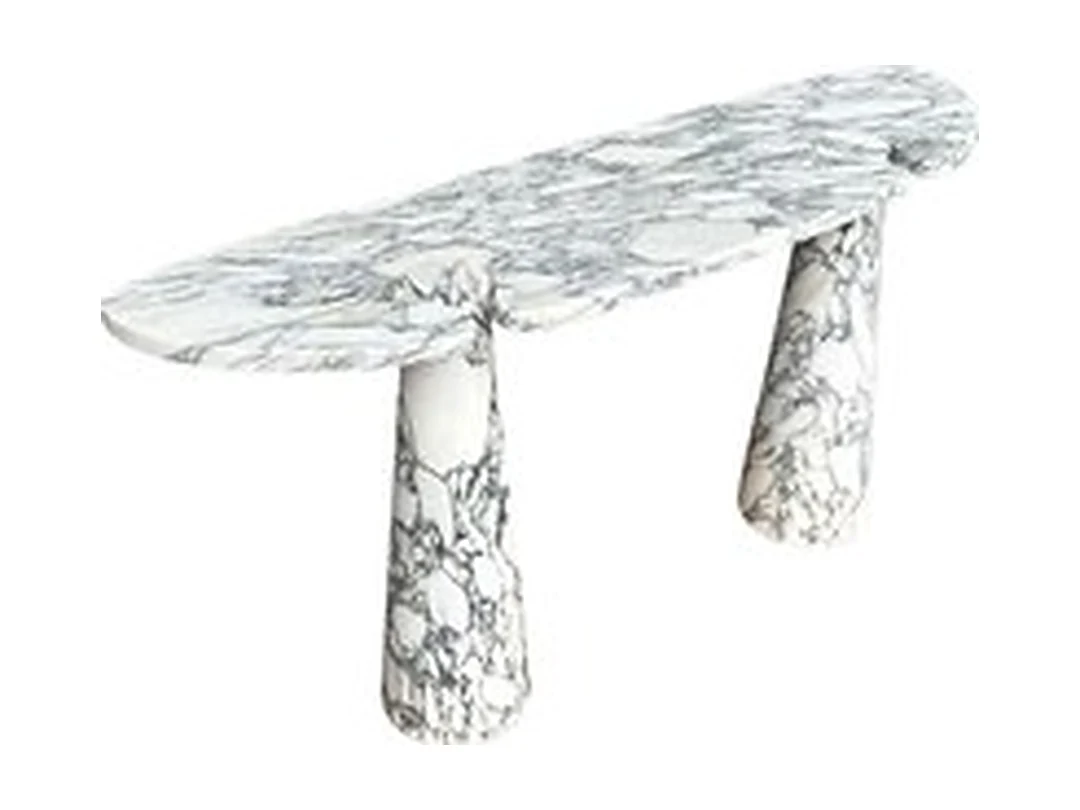
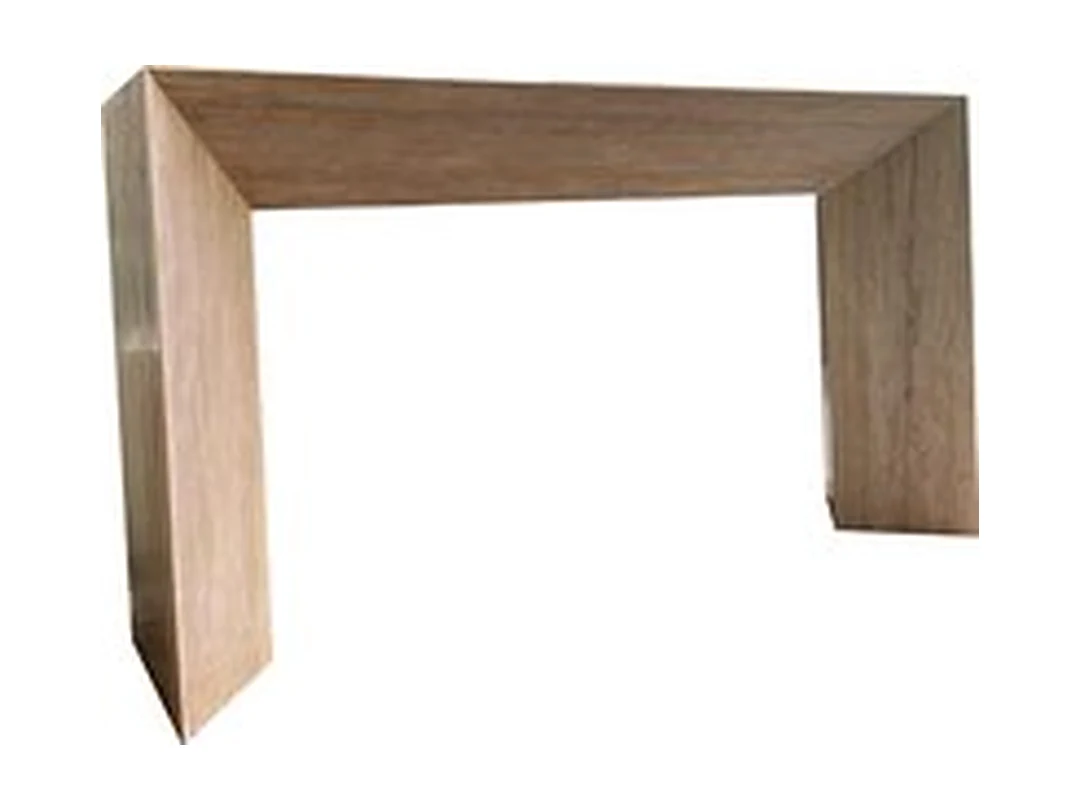
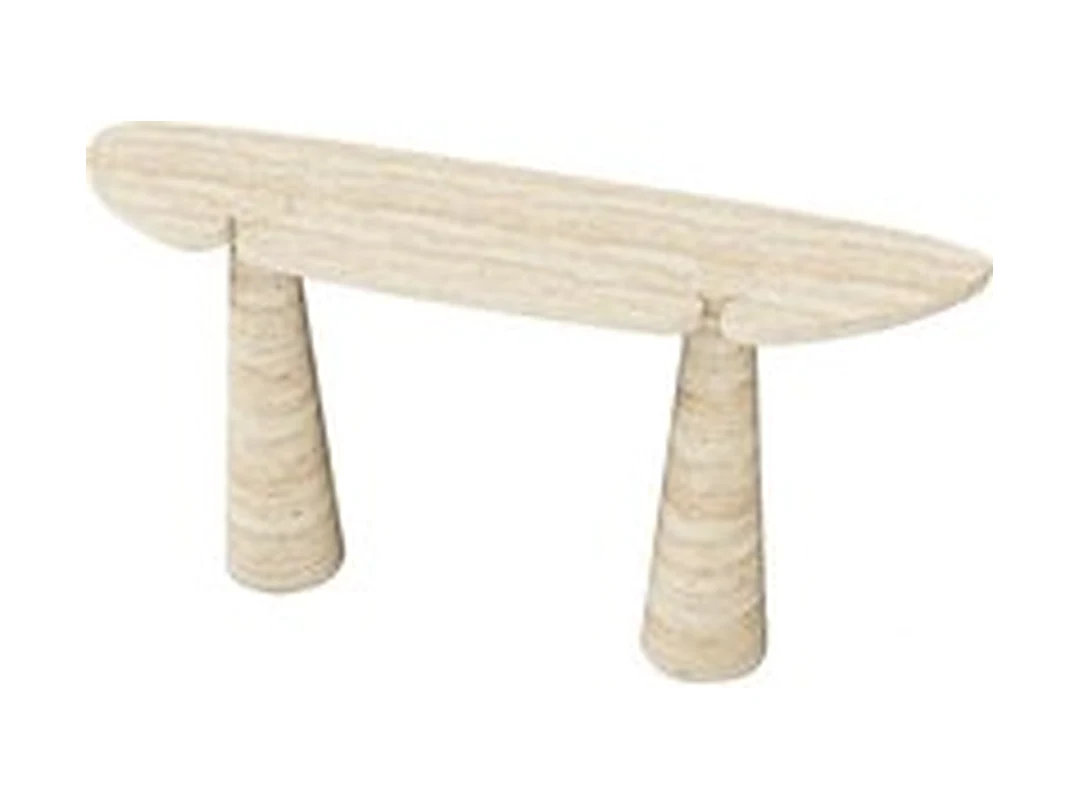
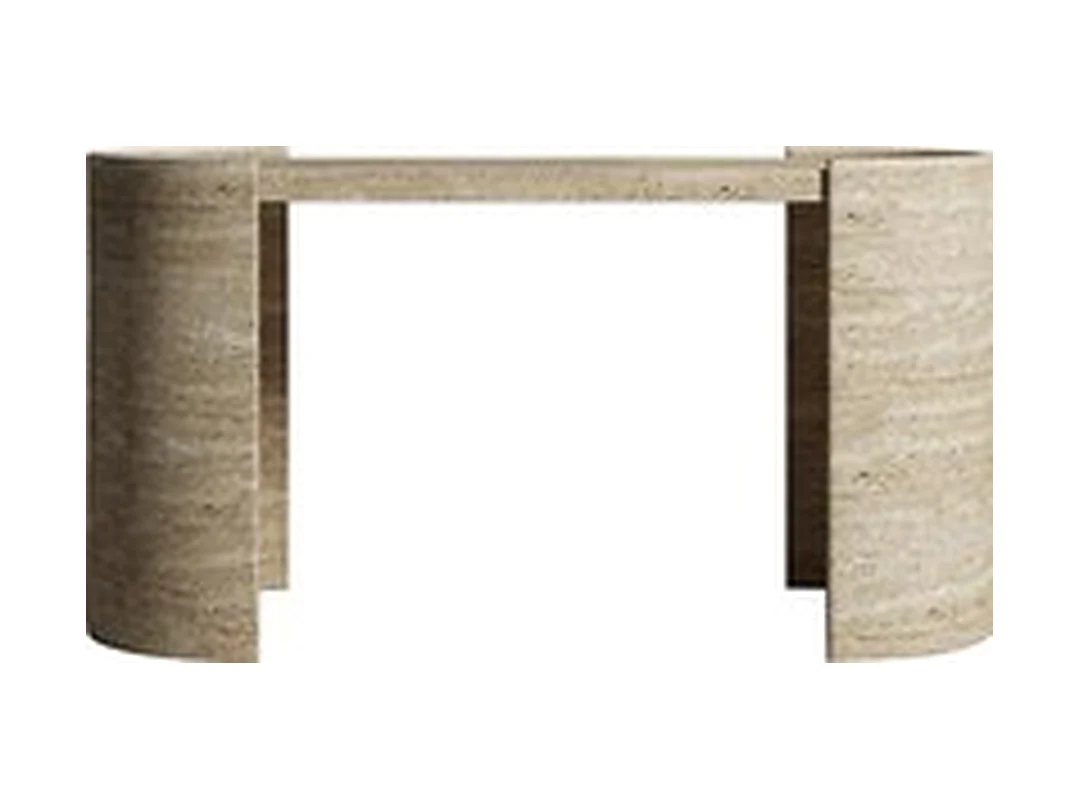
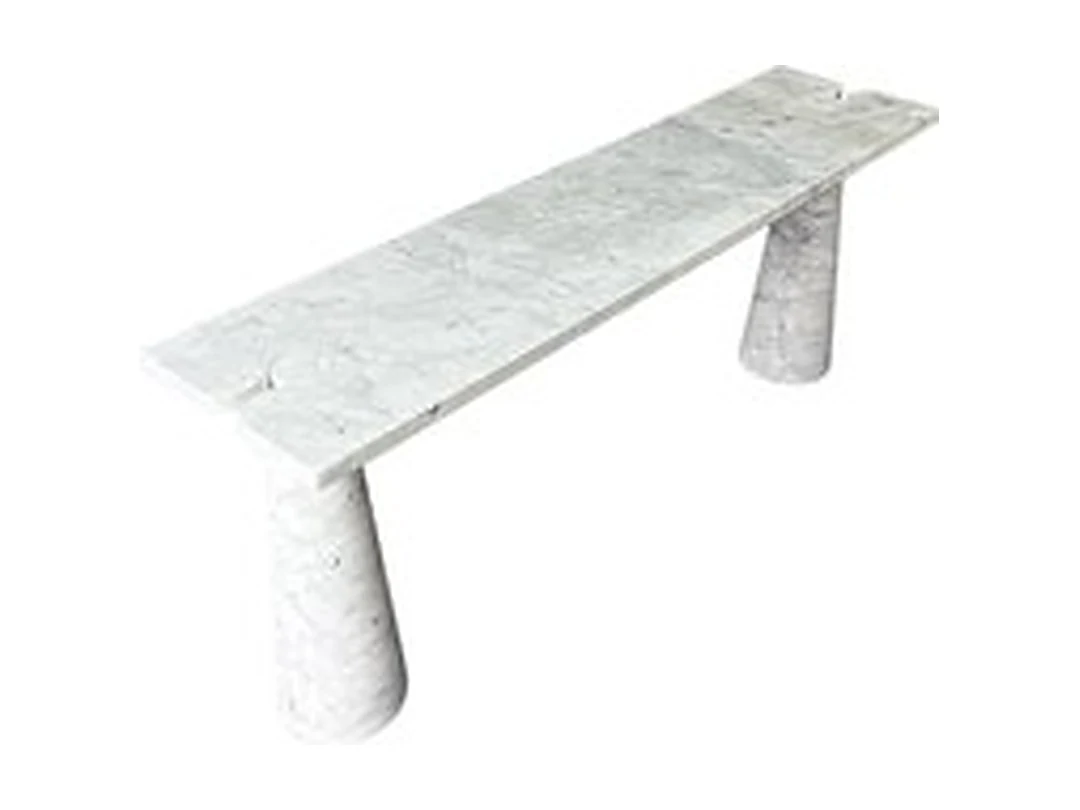
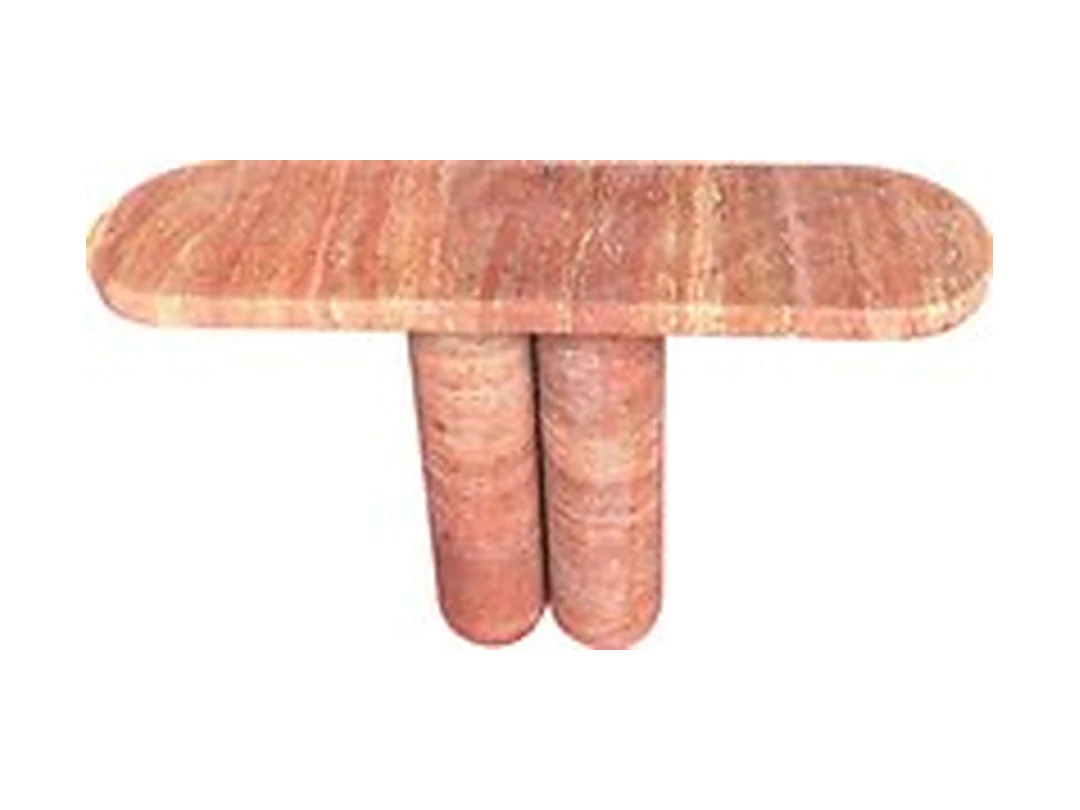
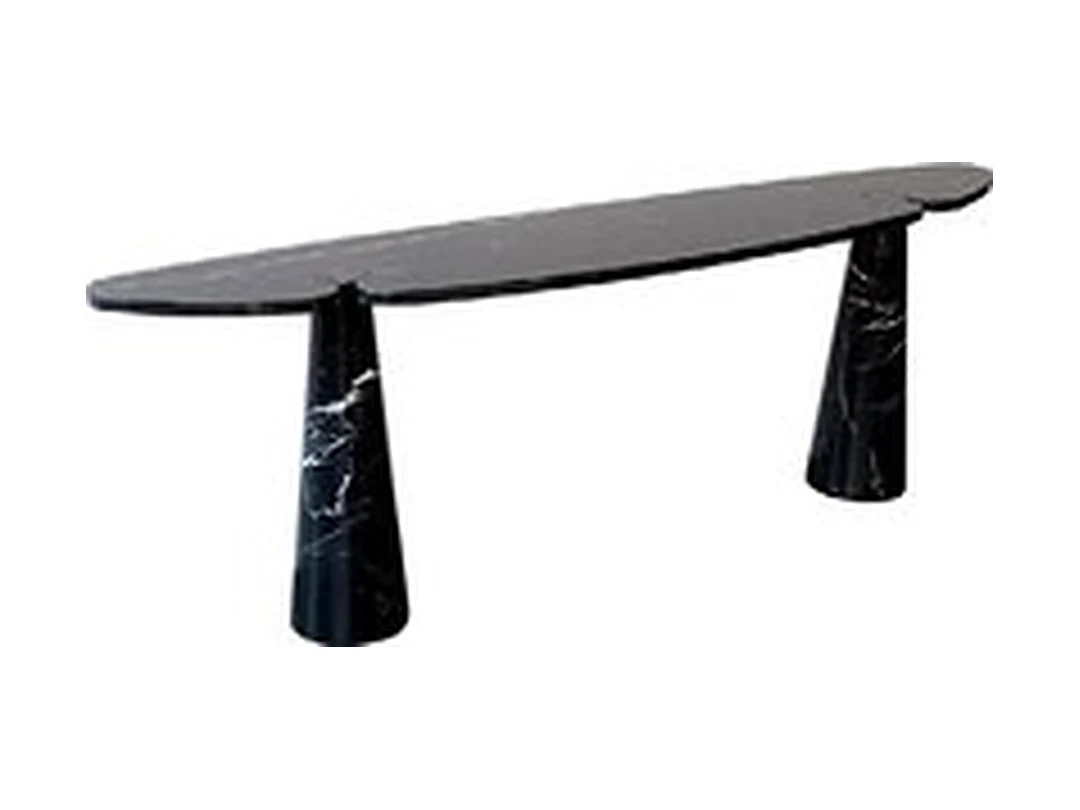
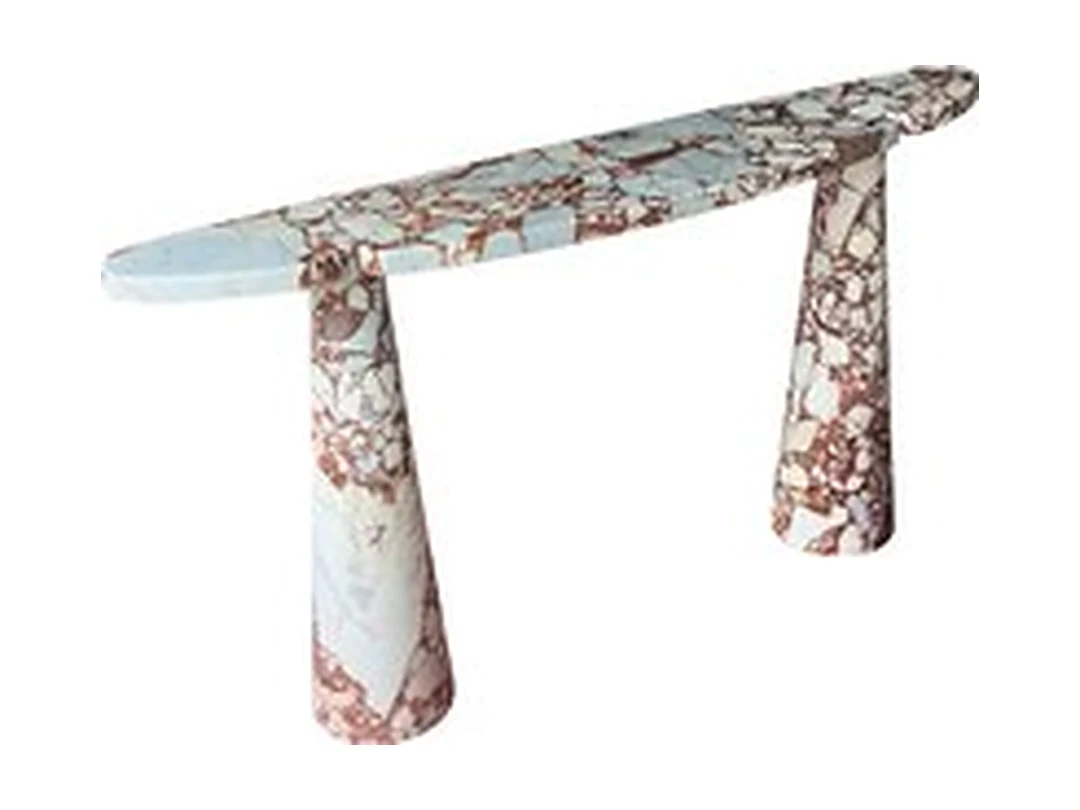
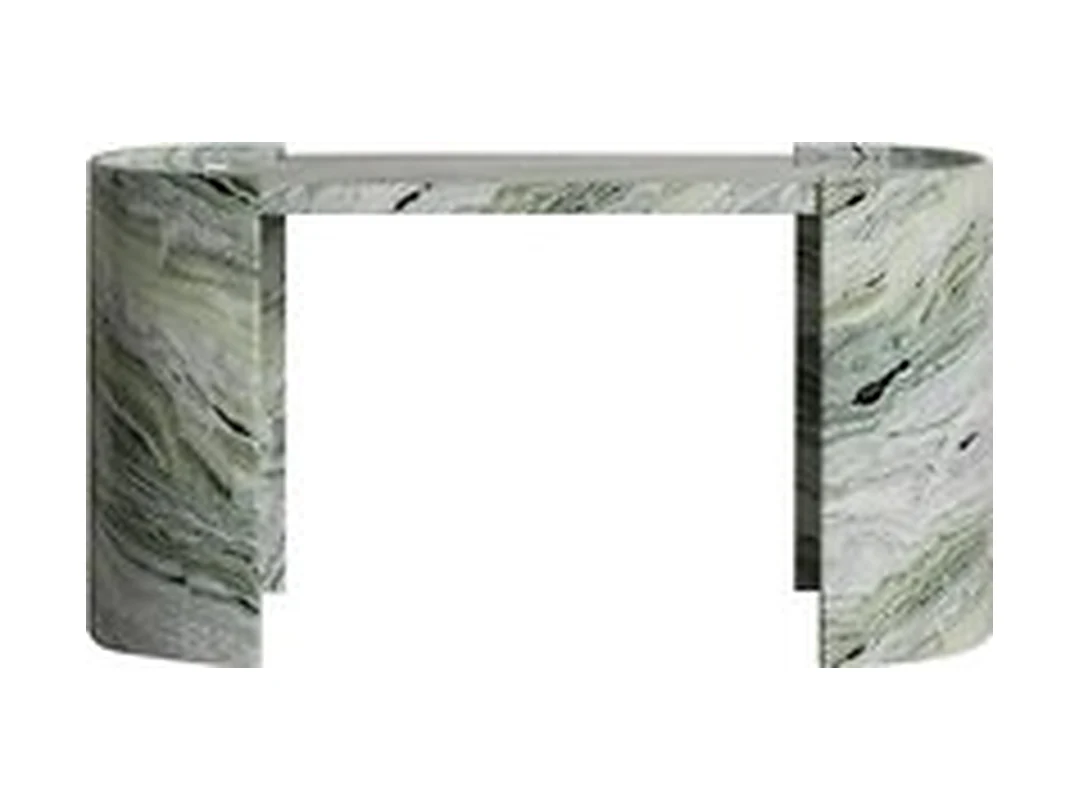
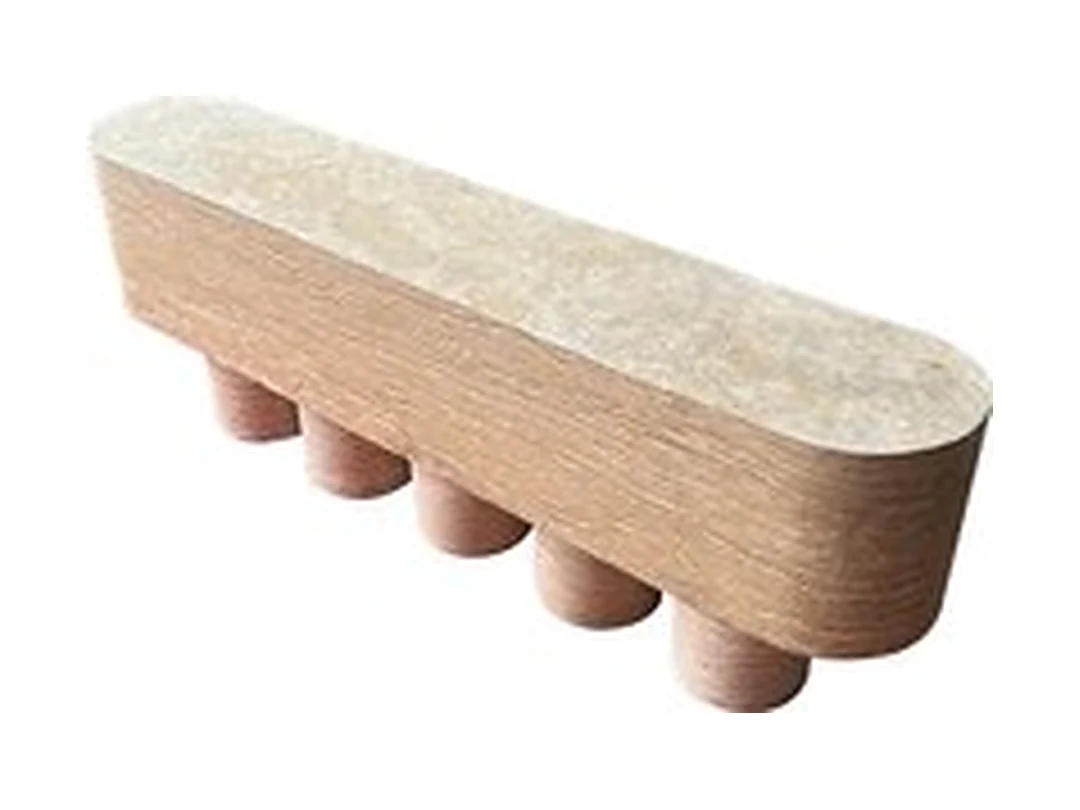
A marble console table sets the tone of an entrance in a single gesture: a long top, a sculptural support, and nothing else. The collection runs from organic tops on tapered cones to clean rectilinear slabs, sized to hallways, entries and behind-sofa positions and produced to the depth your space allows.
Made to Order
Made to Order
Made to Order
Made to Order
Made to Order
Made to Order

Made to Order

Made to Order
Made to Order
Made to Order
Made to Order
Made to Order
FAQ
Shallow enough to leave the walkway honest: in most hallways that means 300–400 mm deep, keeping 900 mm or more of clear passage. Entrances with generous width can carry 450 mm, which adds real surface for keys, lamps and a bowl. Because every console here is cut to order, depth is a dimension you state rather than accept, send the corridor width and we draw the console to the space that remains. Length follows the wall: consoles read best stopping 100–200 mm short of the wall’s ends or its architectural interruptions, and pedestal-leg designs let the top overhang gracefully where a skirting or radiator complicates the floor line.
Usually not, the designs in this collection are freestanding, stabilised by the mass and geometry of their stone supports, and they stand on their own on a level floor. Wall fixing becomes a stated requirement in two situations: genuinely uneven floors where a tall, shallow piece could rock, and households or venues where climbing children or crowd contact make restraint prudent (hospitality corridors, for instance). In those cases a discreet bracket detail is added to the drawing with fixings specified for your wall construction. Tell us the setting at enquiry; “freestanding” versus “restrained” is a specification line, not an afterthought on installation day.
Yes, sofa-back consoles are the same object with different numbers. Height matches or sits just below the sofa back (commonly 650–750 mm, measure yours), length runs slightly shorter than the sofa so the ends do not snag walking lines, and depth stays lean at 250–350 mm since the surface hosts lamps and books rather than daily traffic. Stone earns the position: the piece is visible from both sides, so a sculptural base, tapered cones, shaped panels, reads properly in the round, and the top’s veining is selected knowing it will be seen at close range. Send your sofa’s back height and length and the drawing takes it from there.
By engineering the span on the drawing rather than hoping. Stone is enormously strong in compression and honest about tension, so a long top is specified with a thickness matched to its unsupported span, supports positioned to break that span sensibly (two supports set in from the ends carry a long top far better than legs at the very corners), and overhangs kept within the stone’s comfortable cantilever. Where a design wants extreme slenderness, a discreet reinforcement or a third support is drawn explicitly. This is why the quotation asks for your exact length: the same design at 1.6 m and 2.4 m is engineered differently, and the drawing you approve shows precisely how.