Made to Order

Made to Order
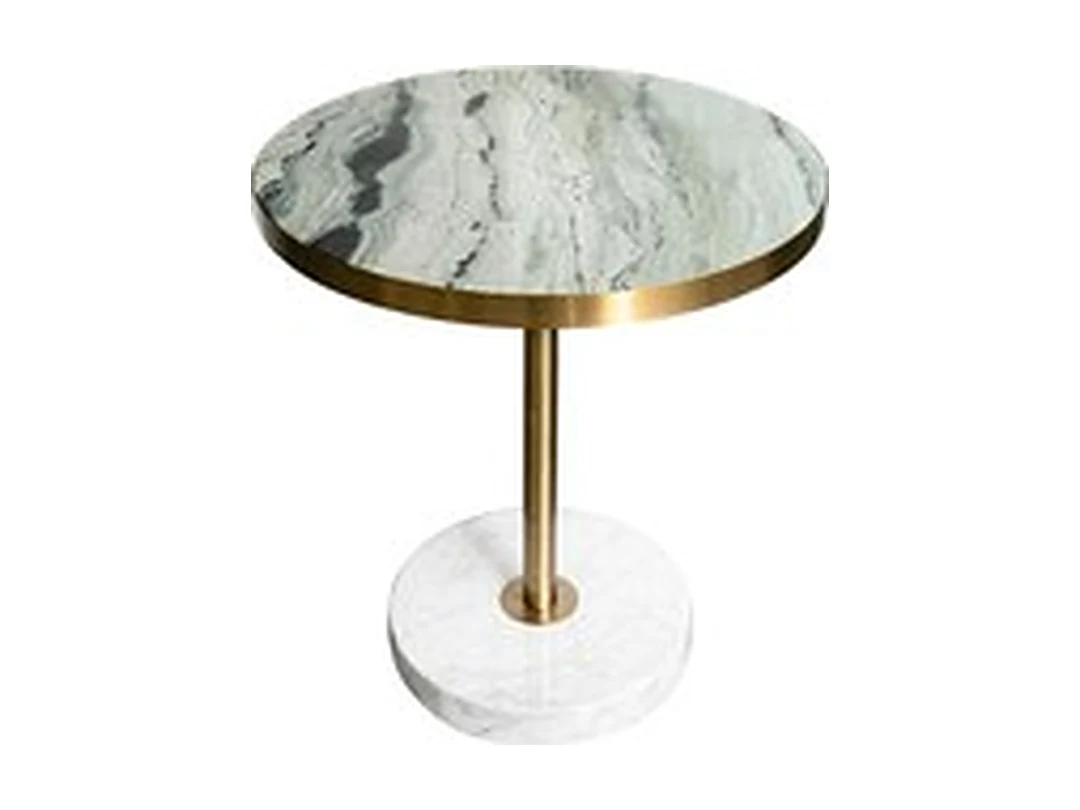
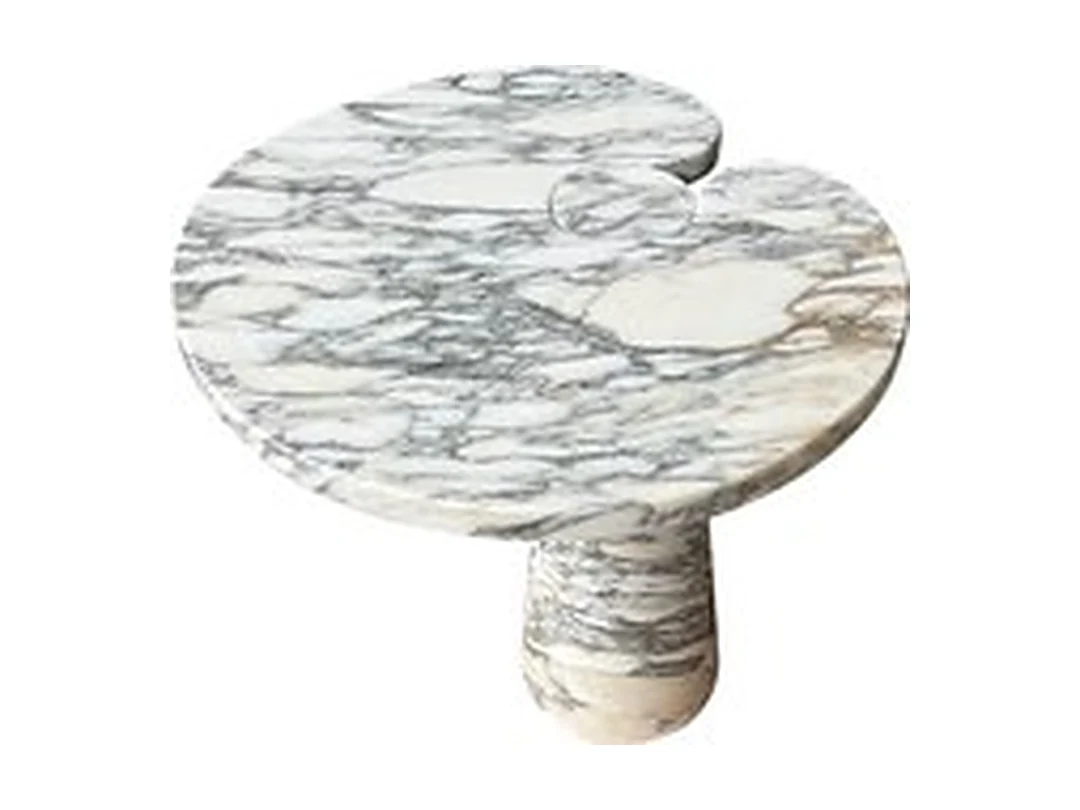
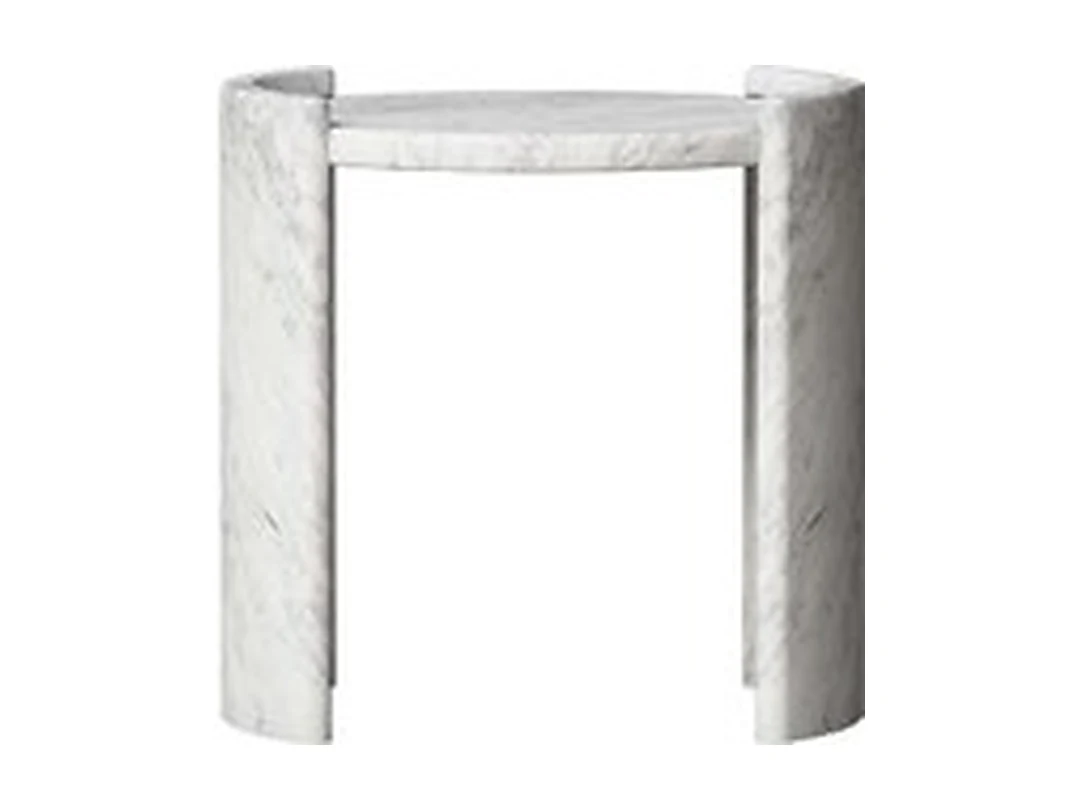
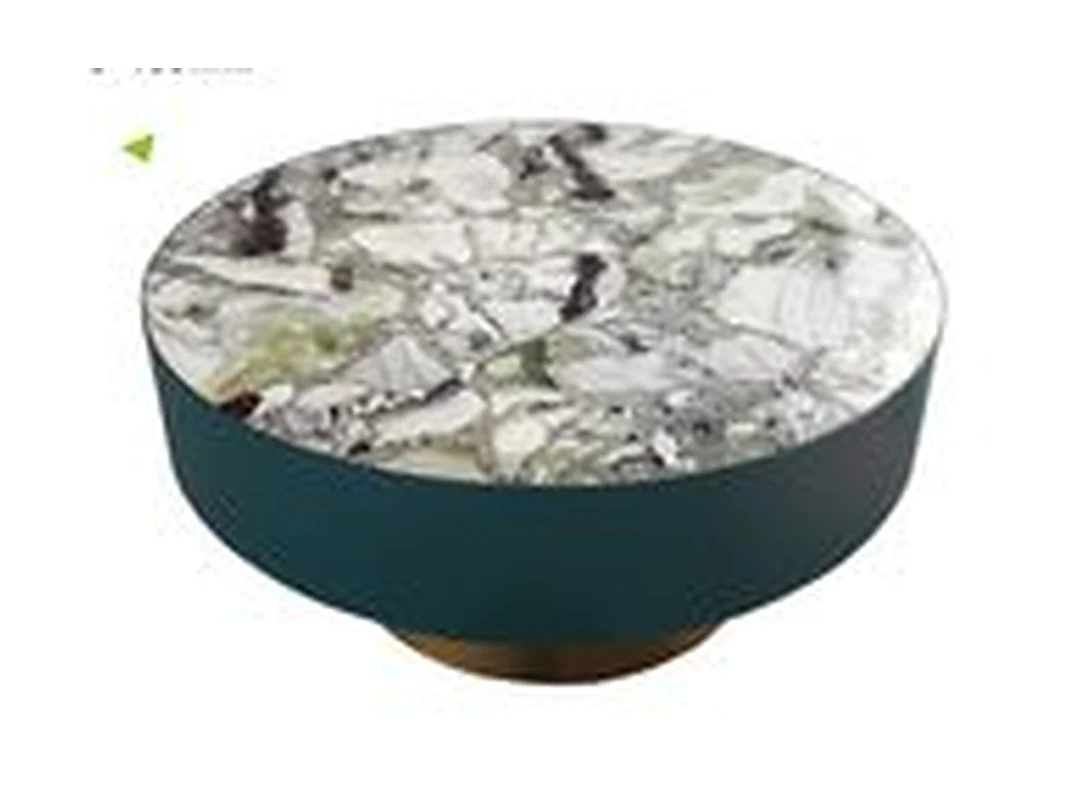
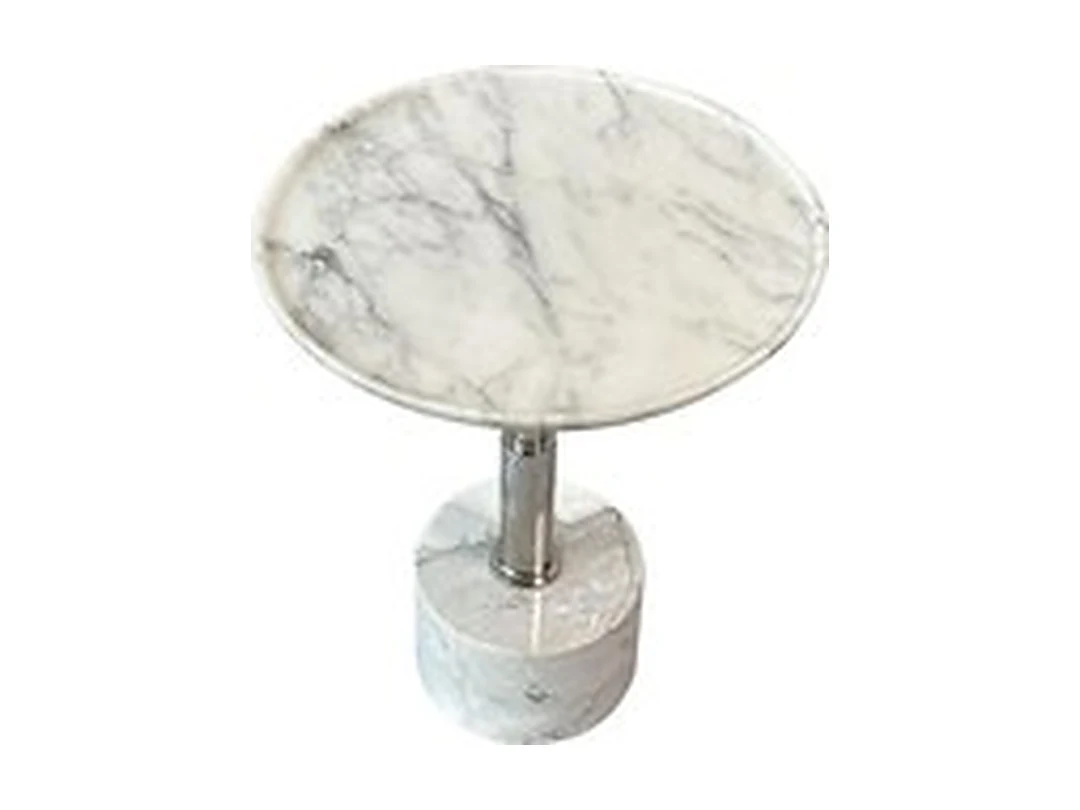
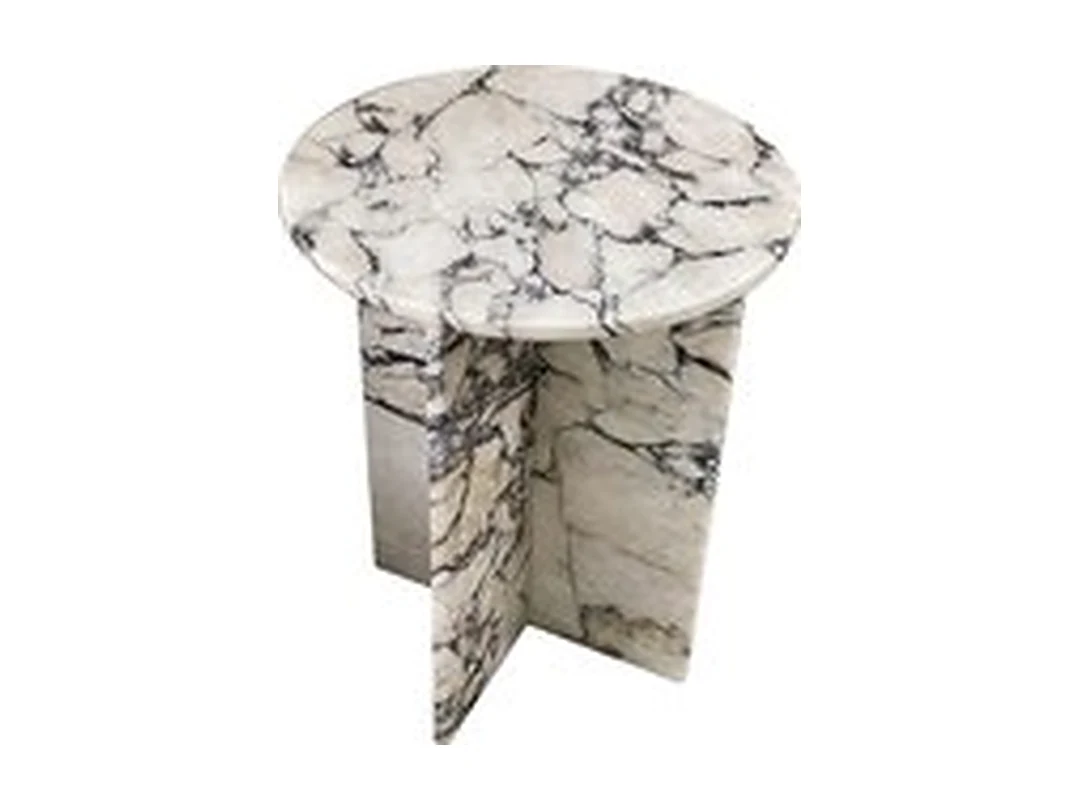
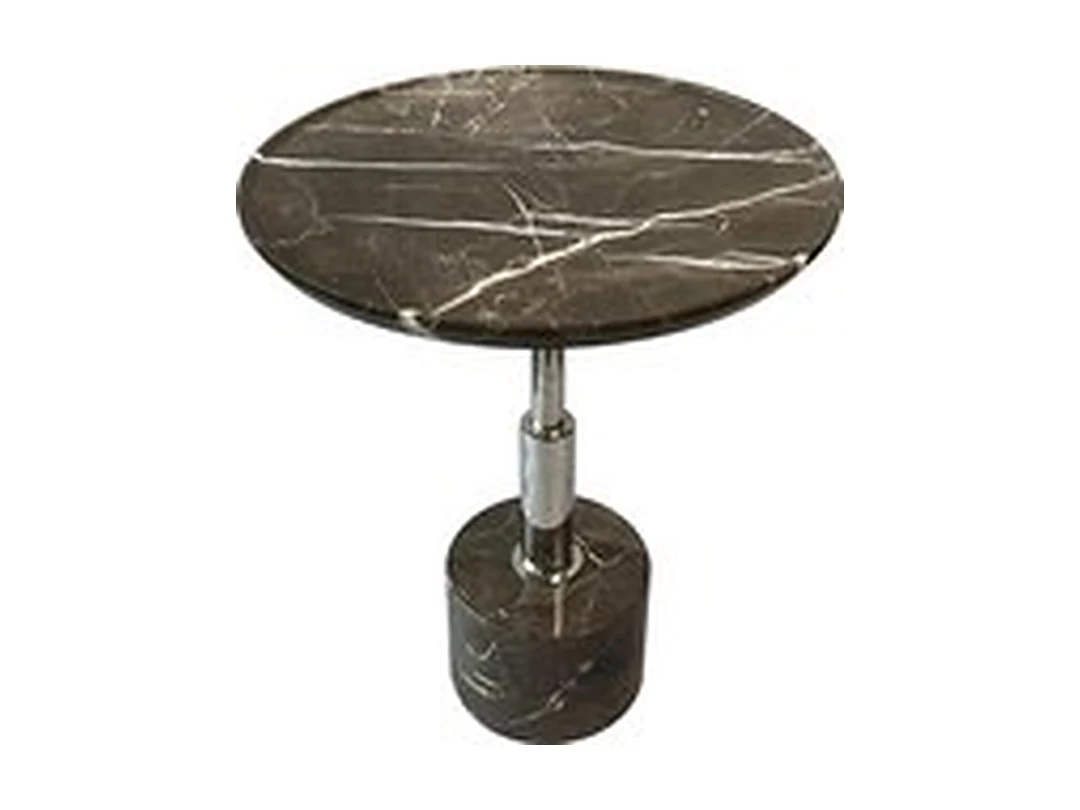
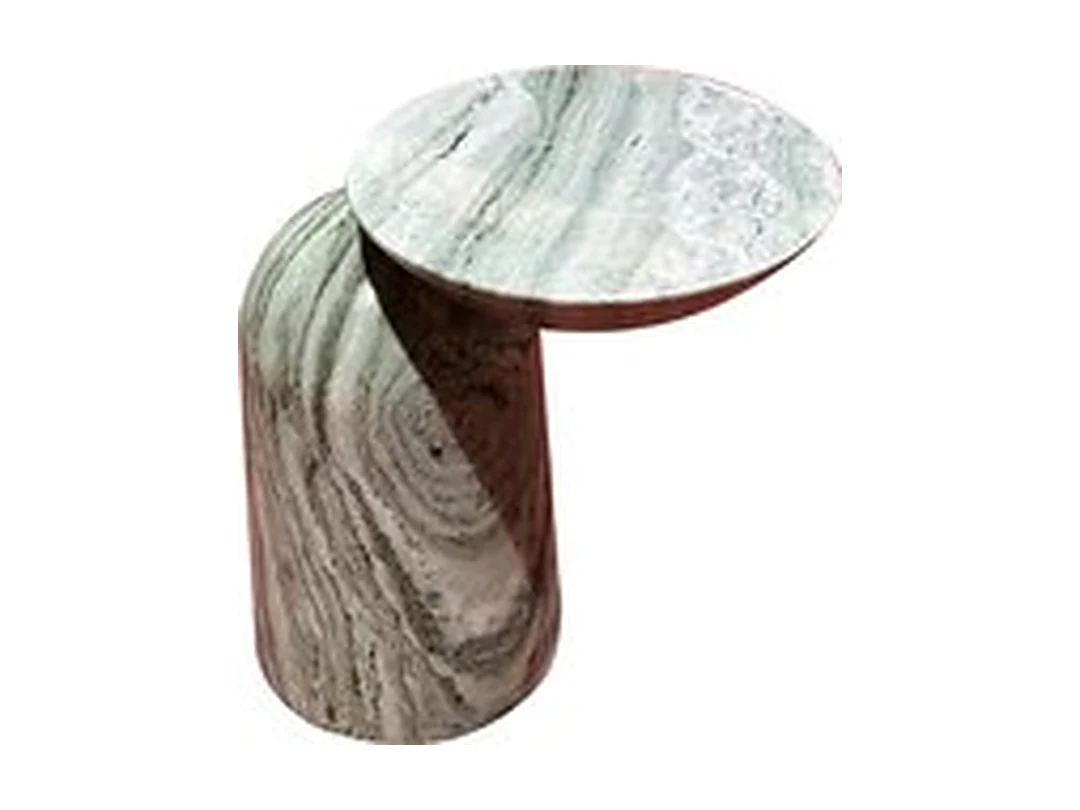
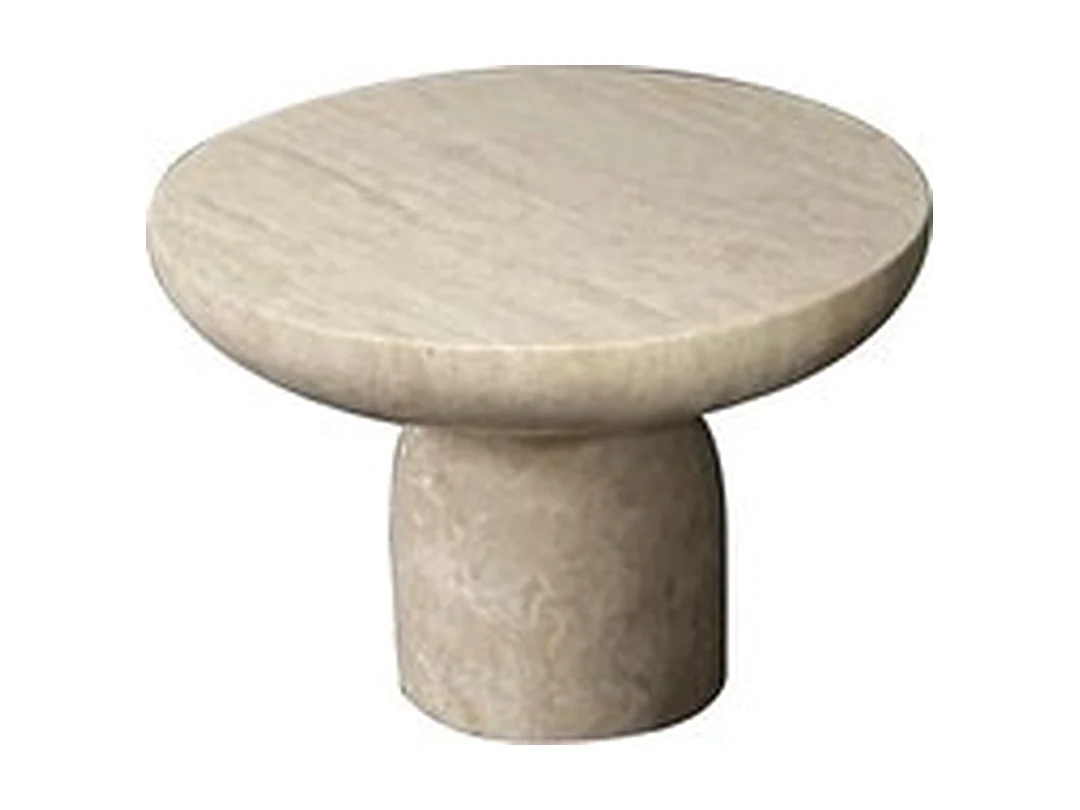
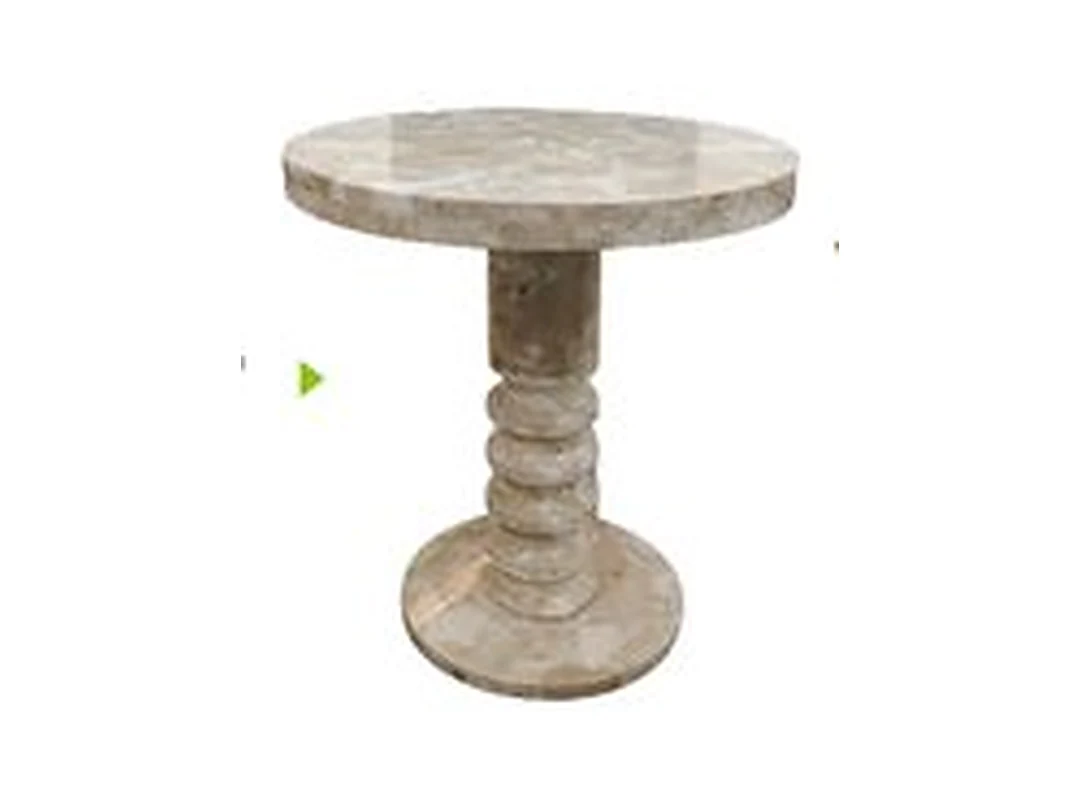
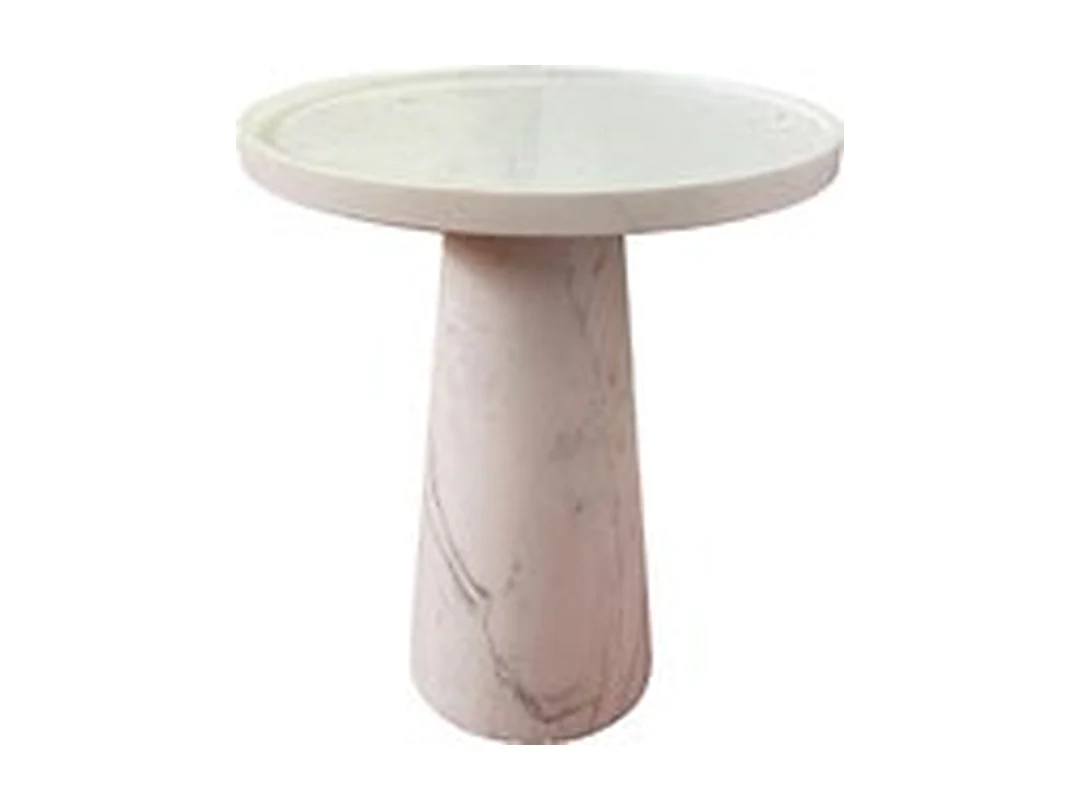
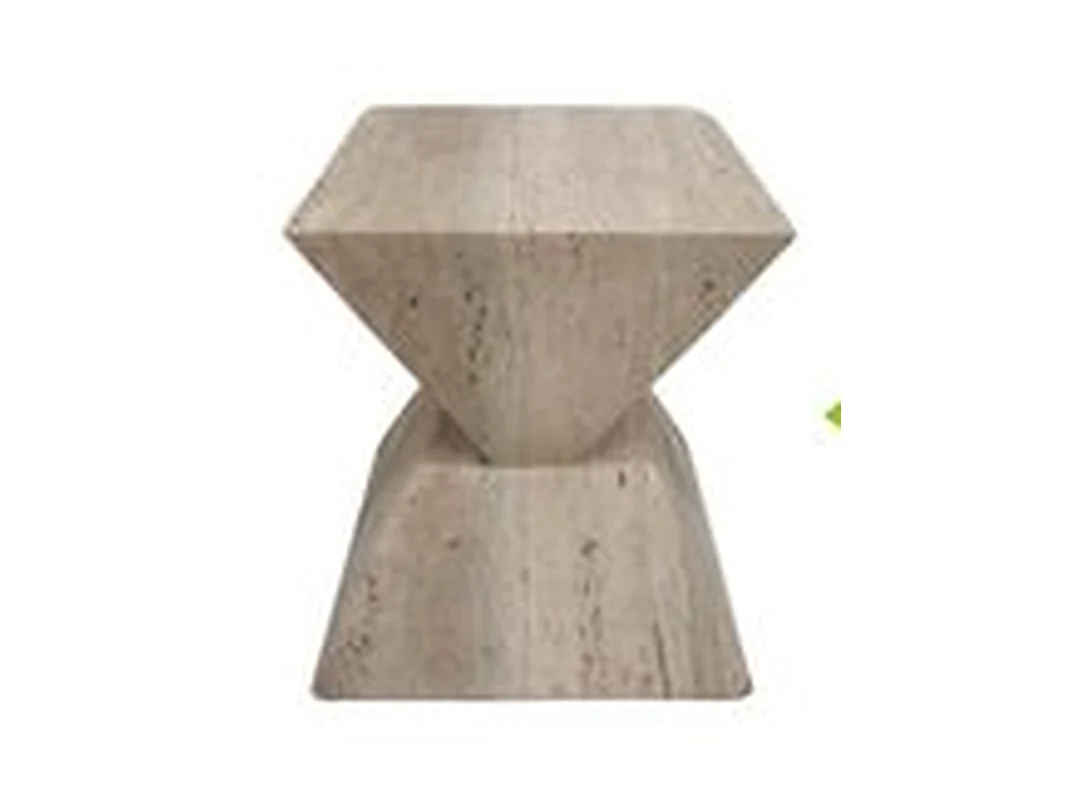
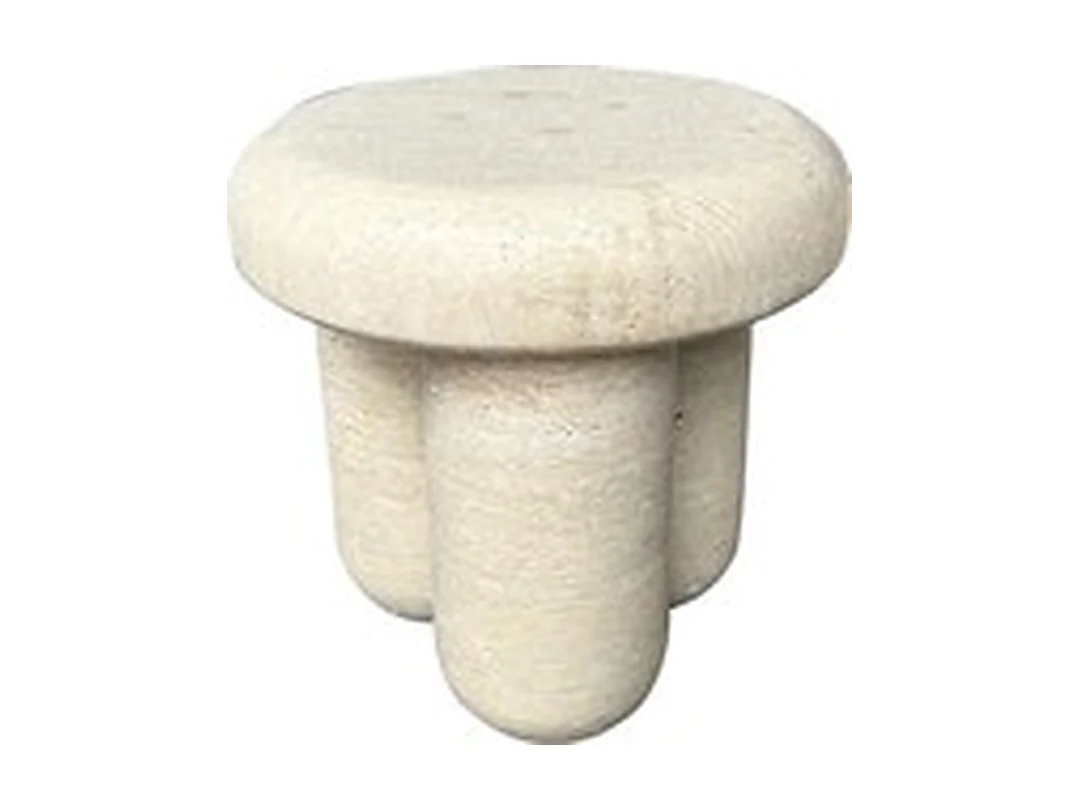
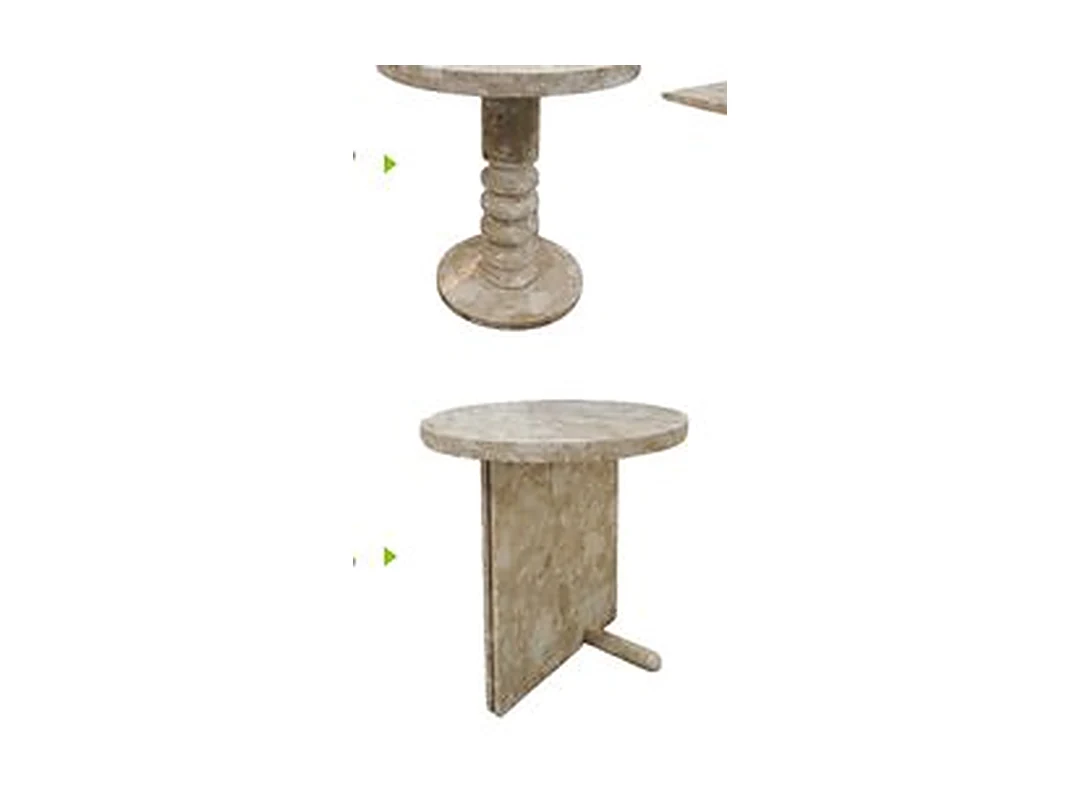
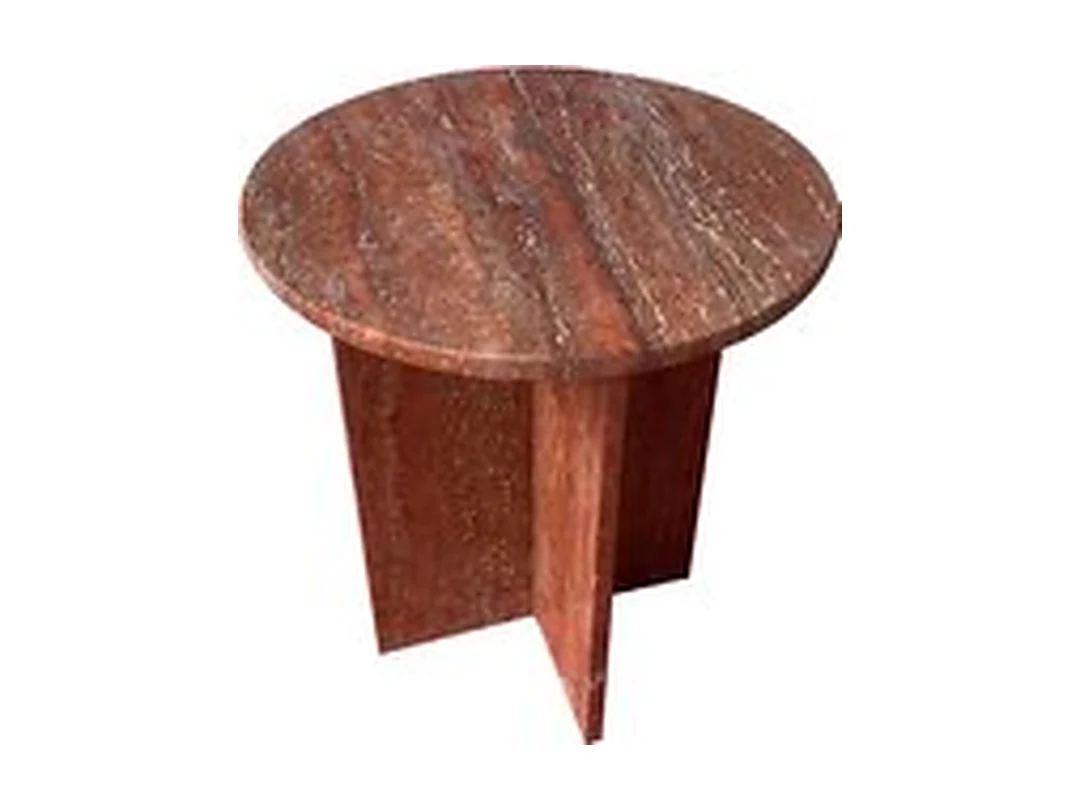
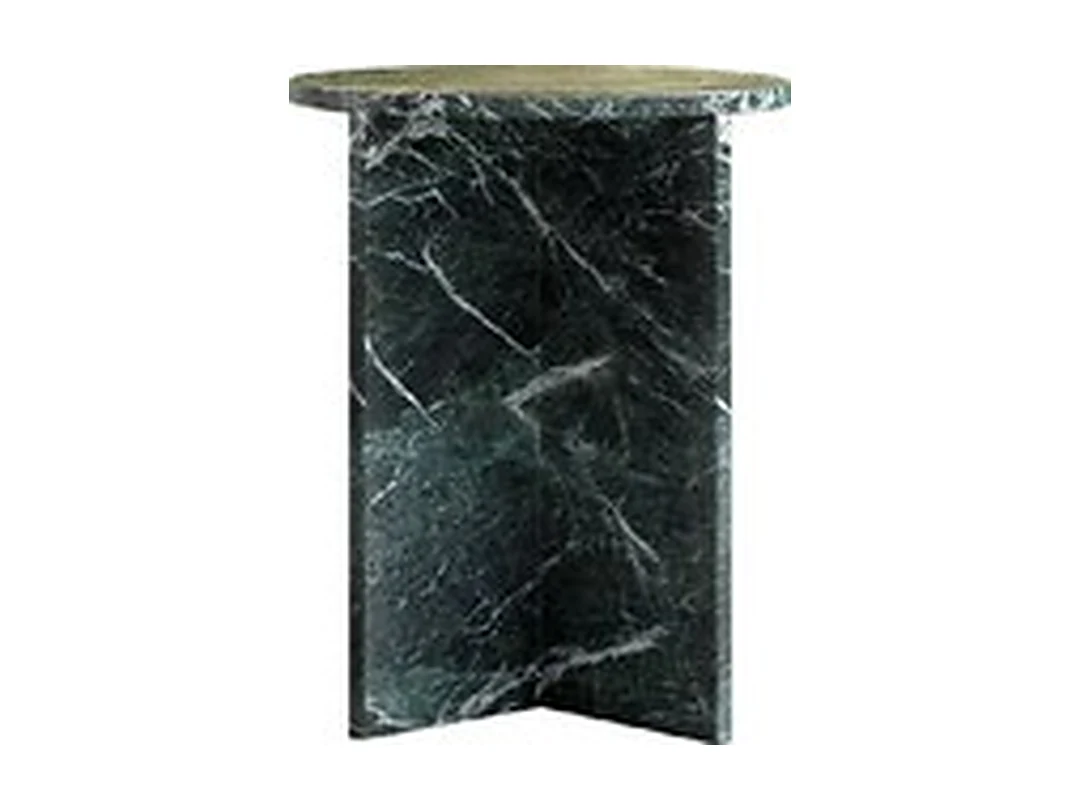
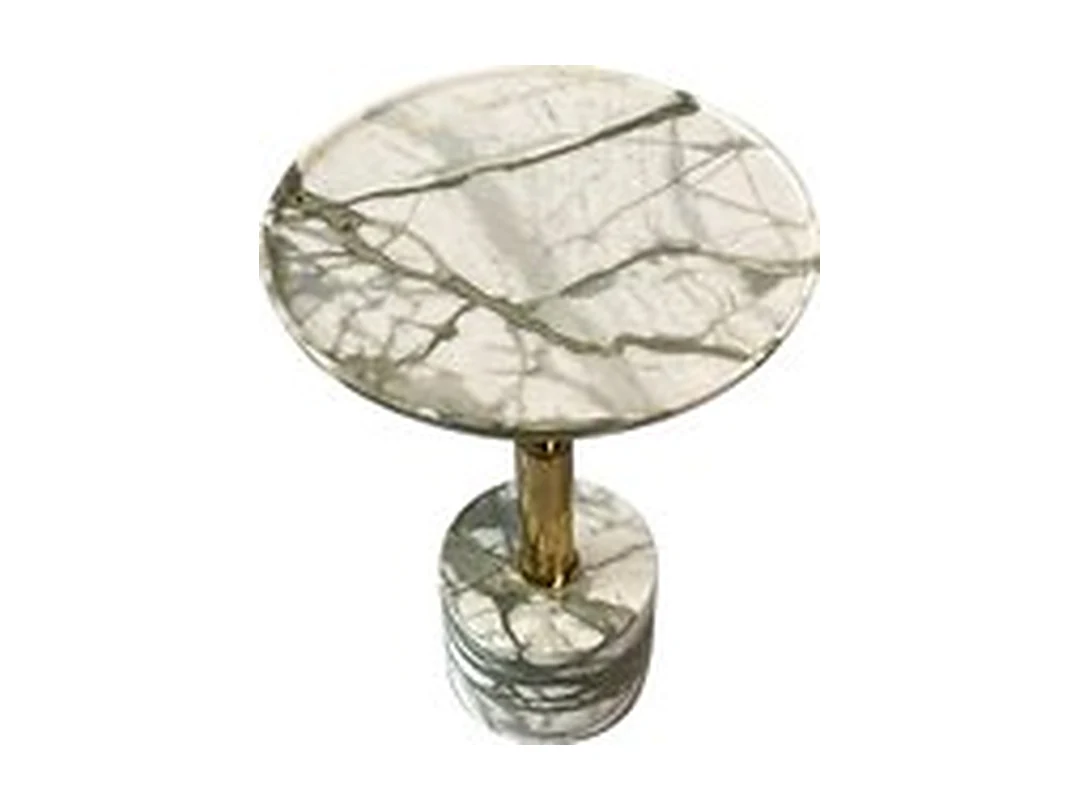
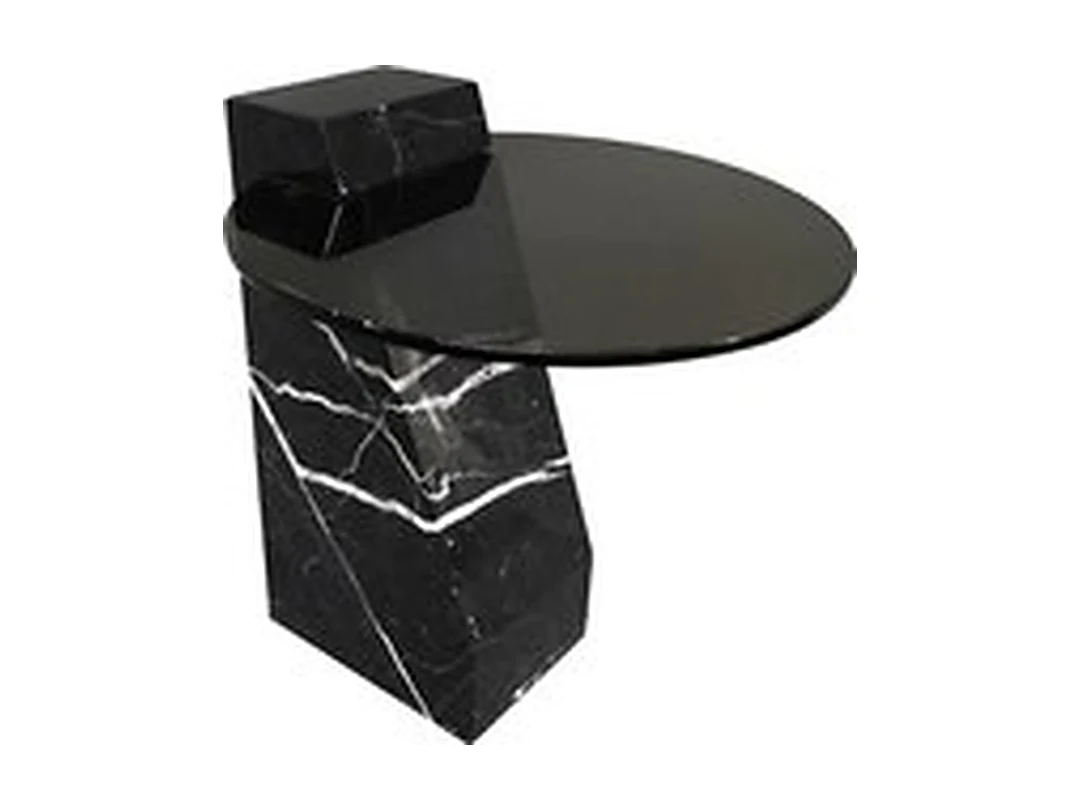
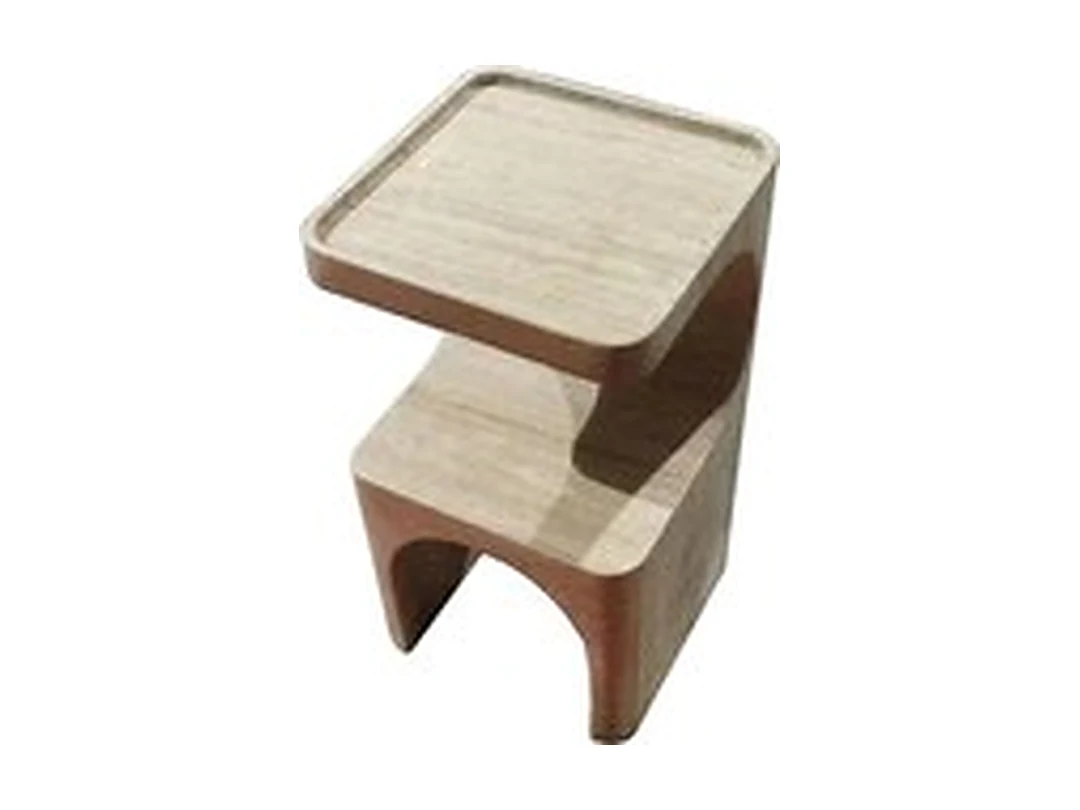
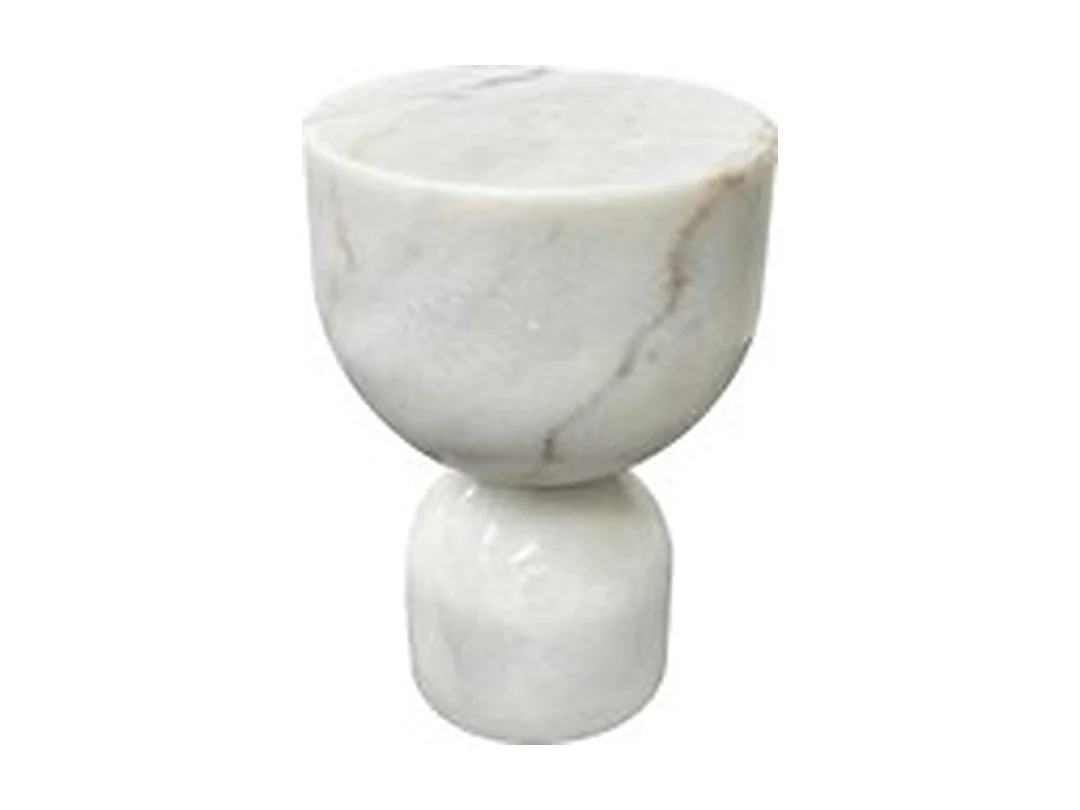
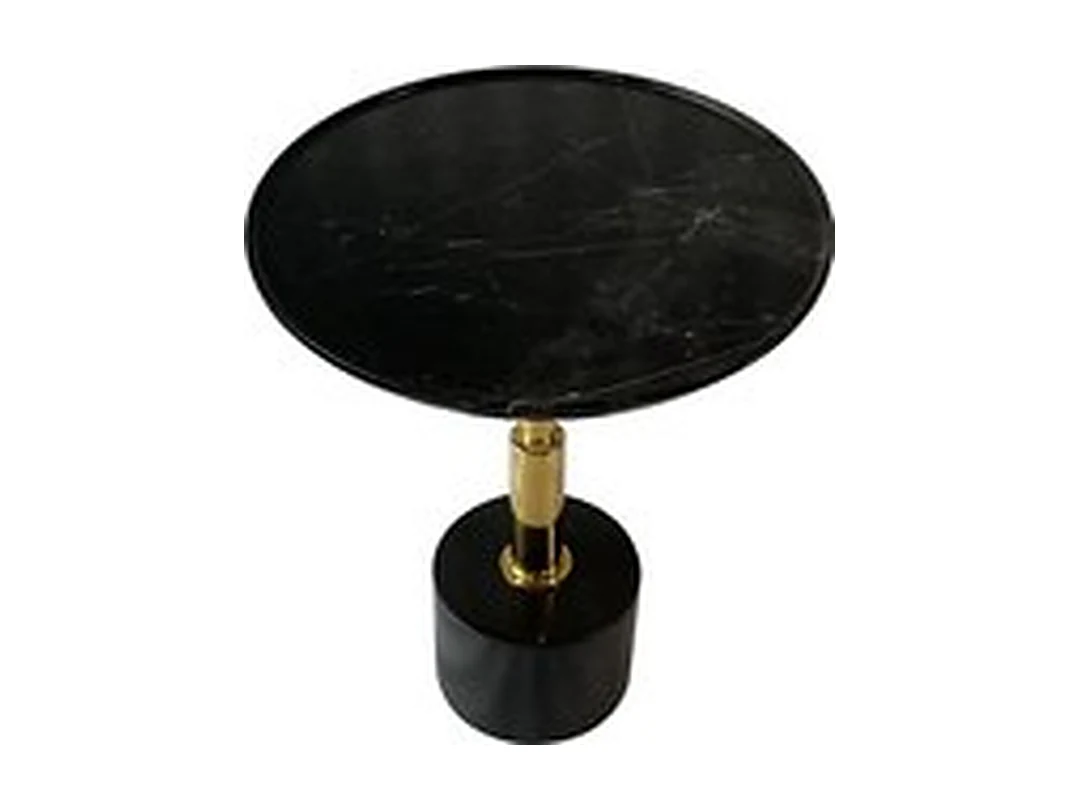
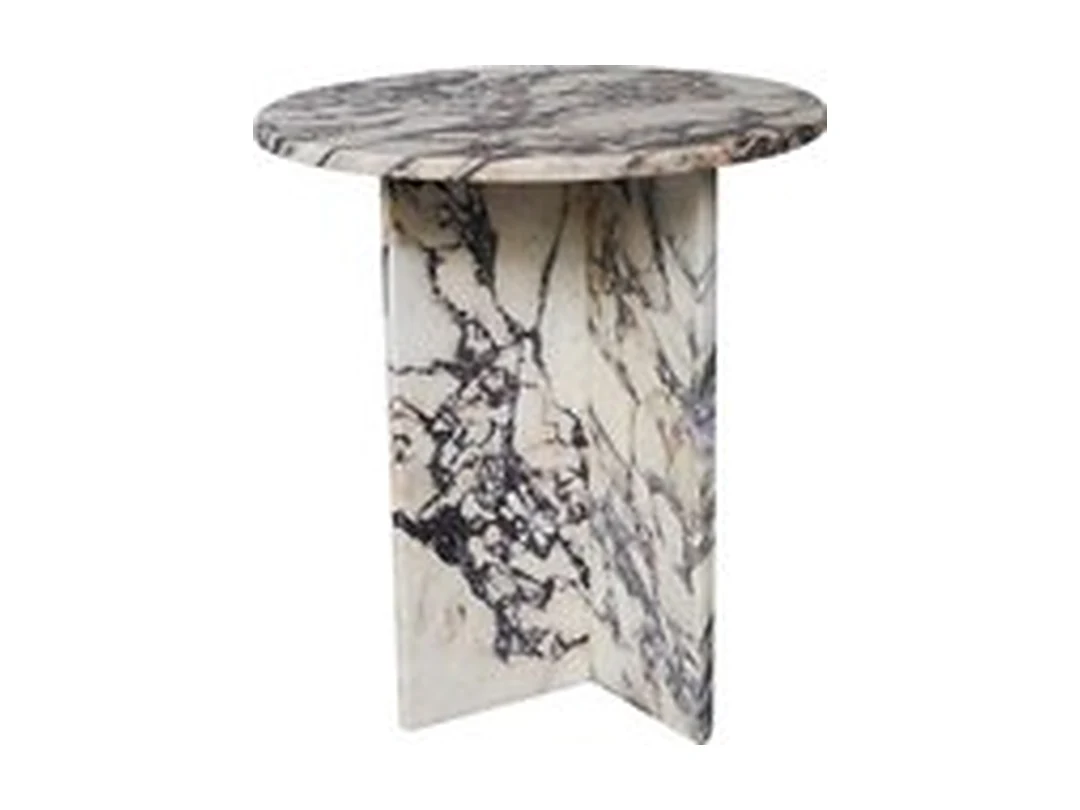
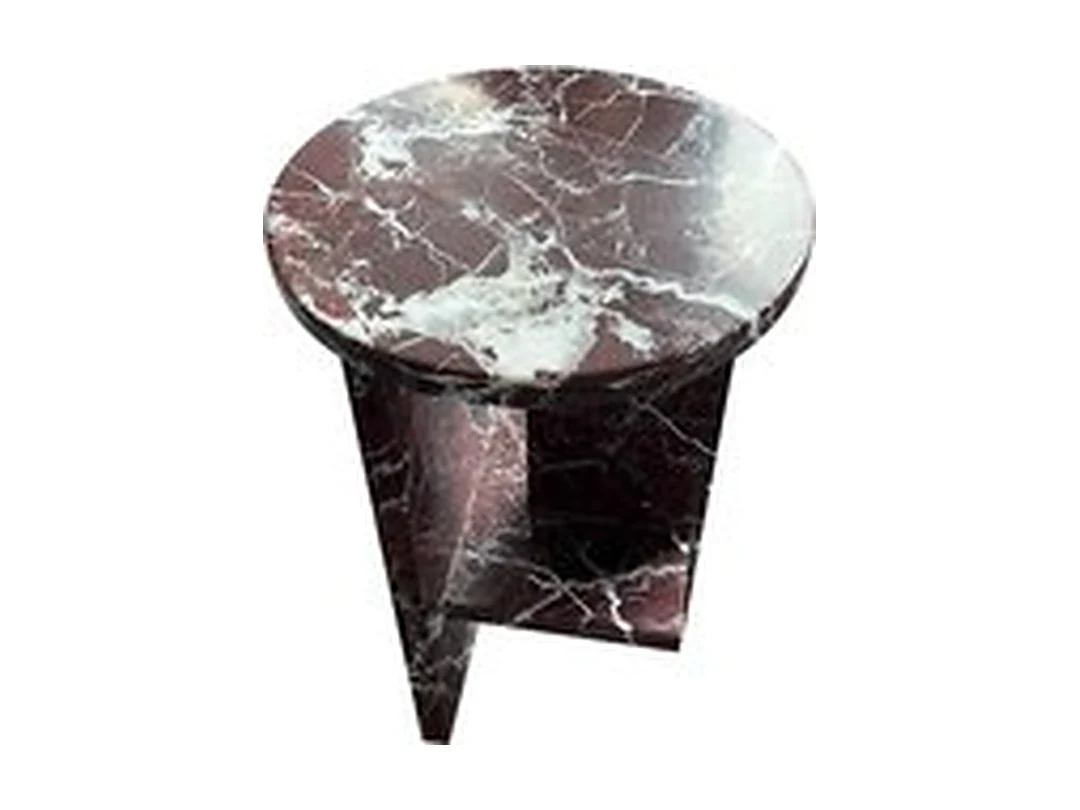
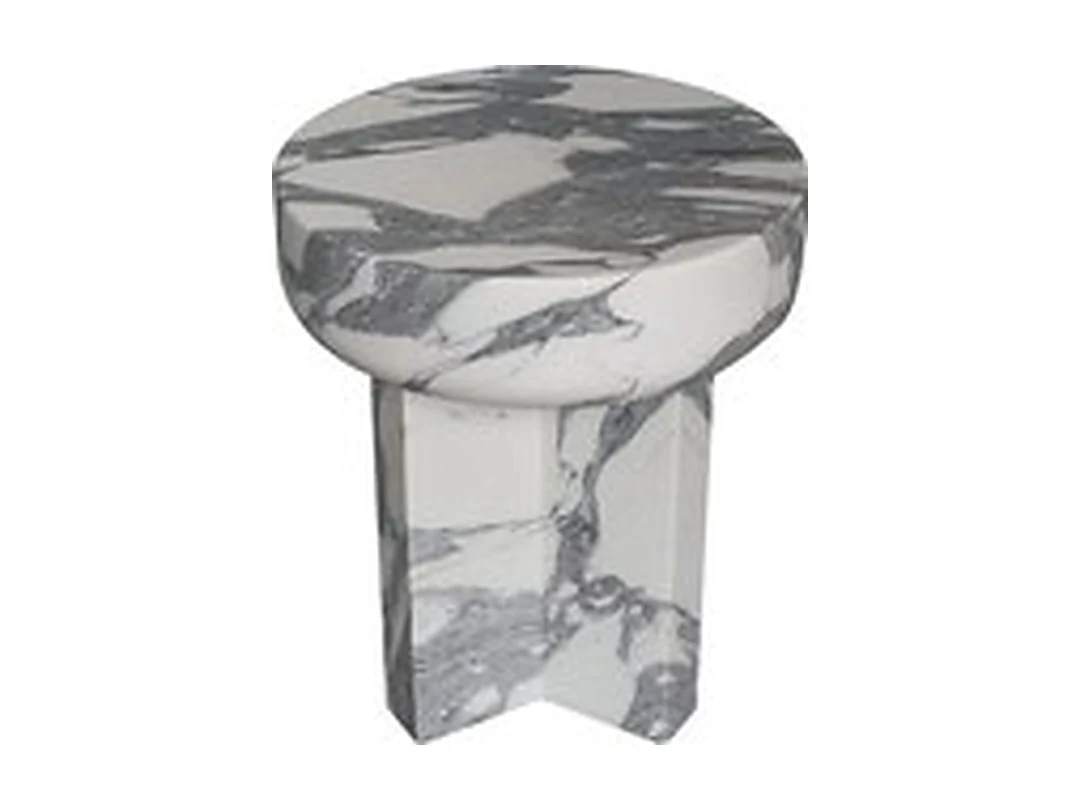
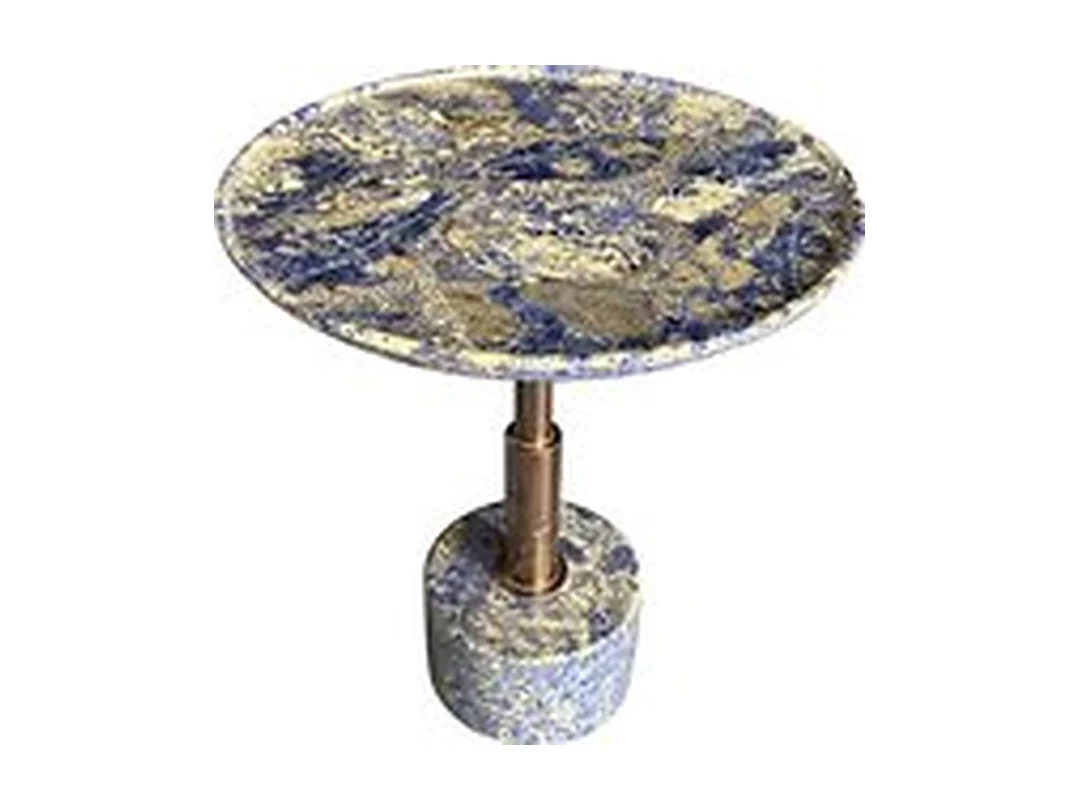
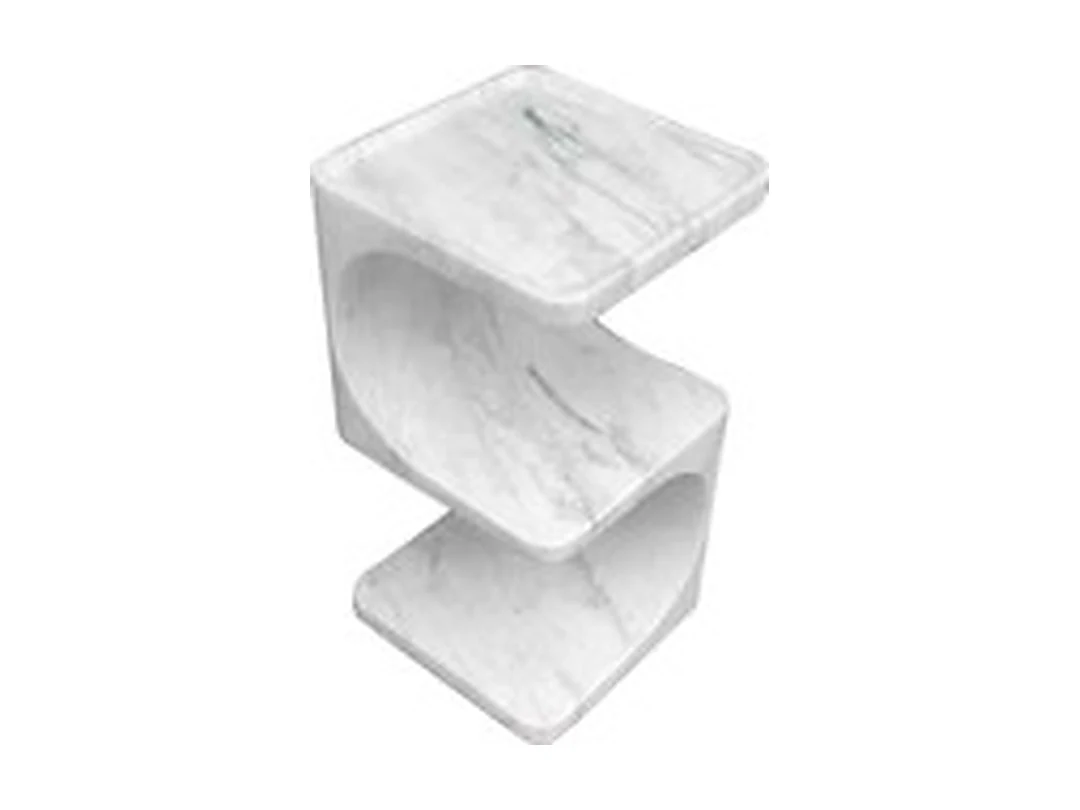
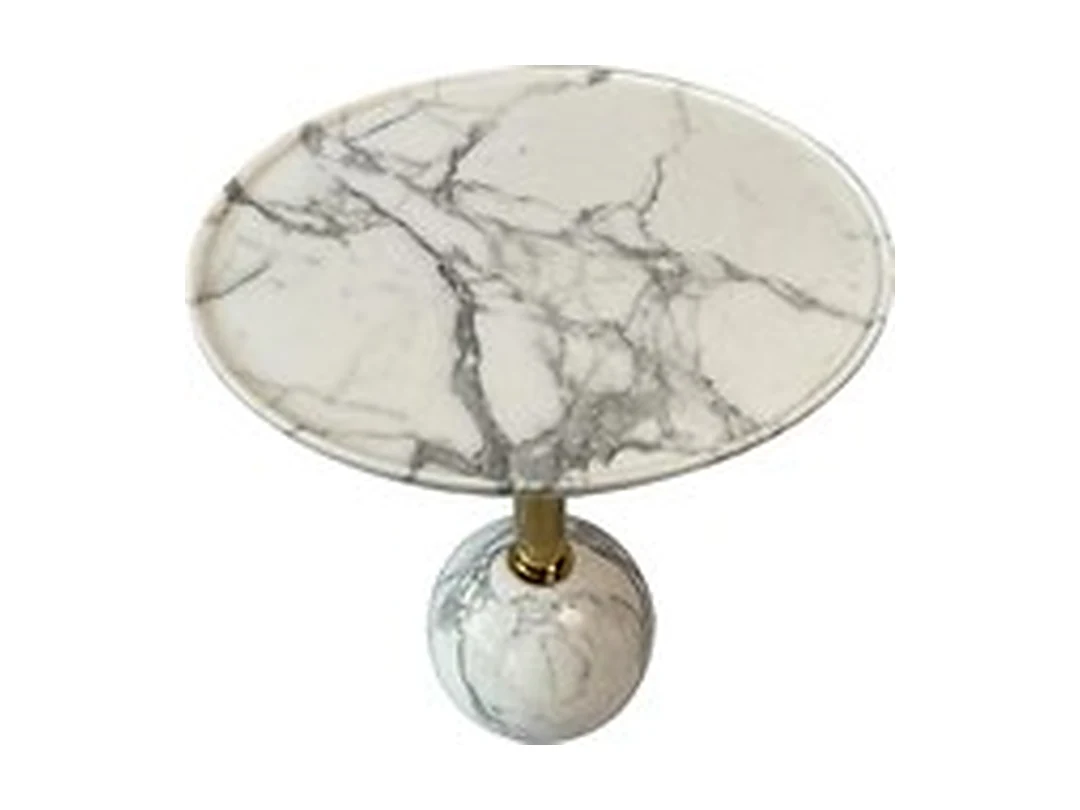
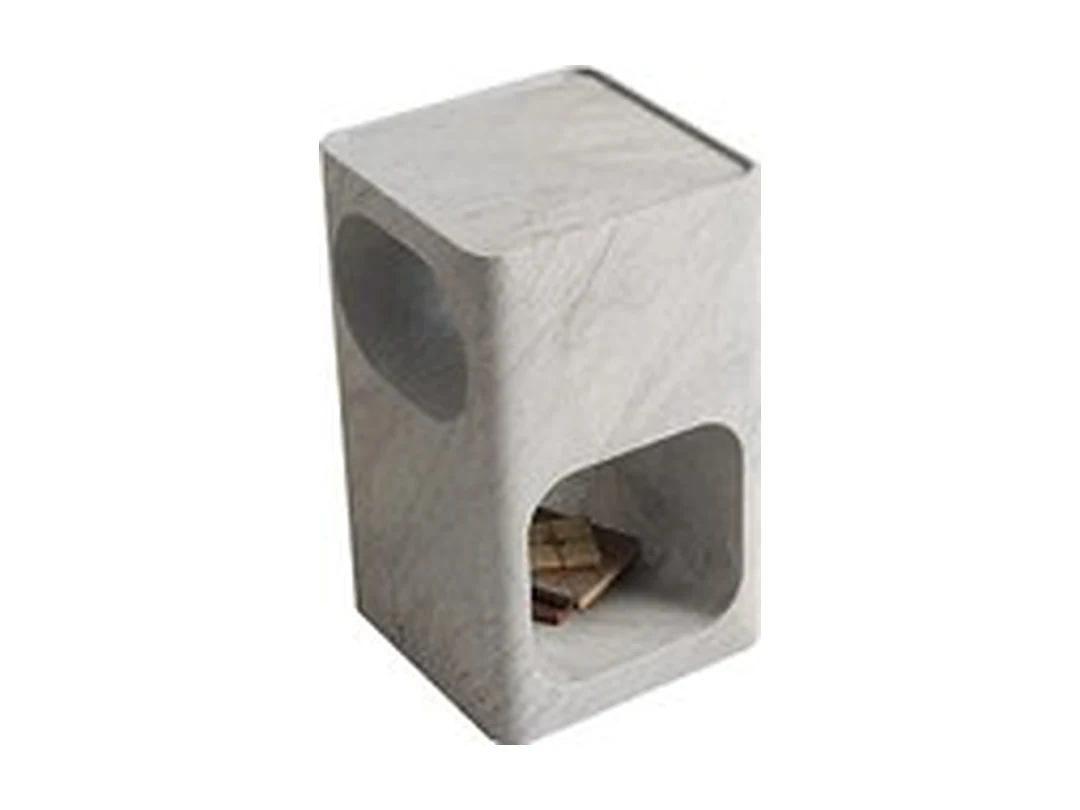
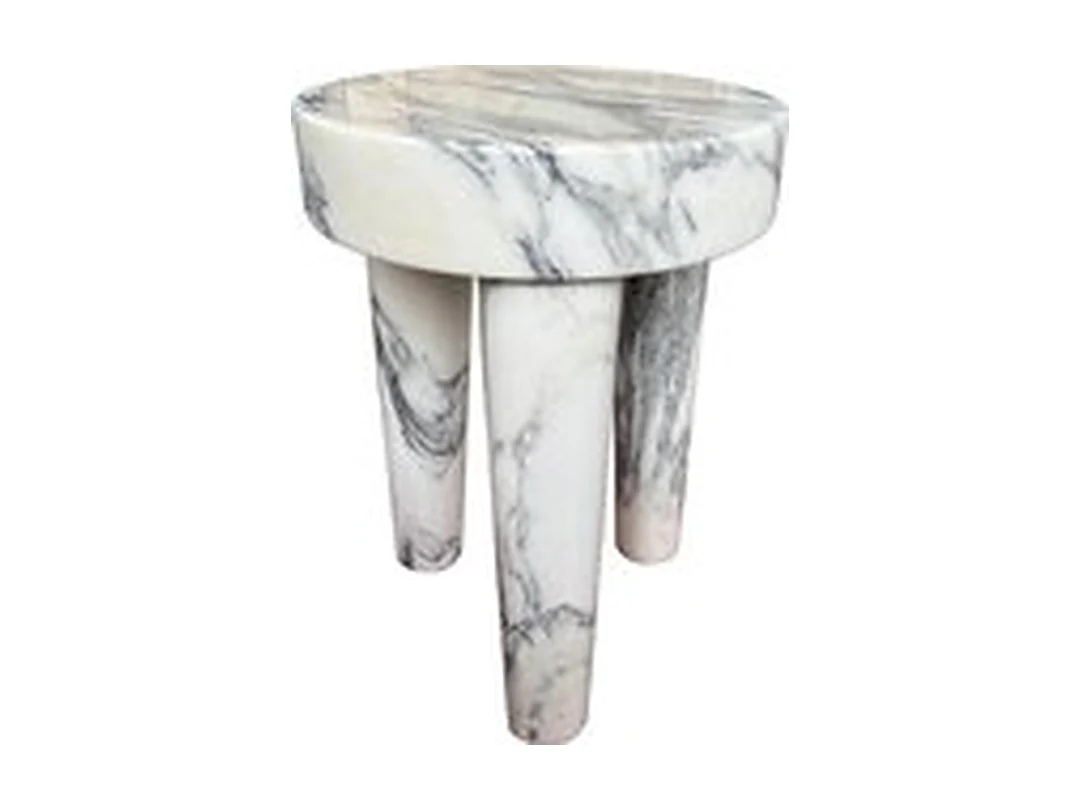
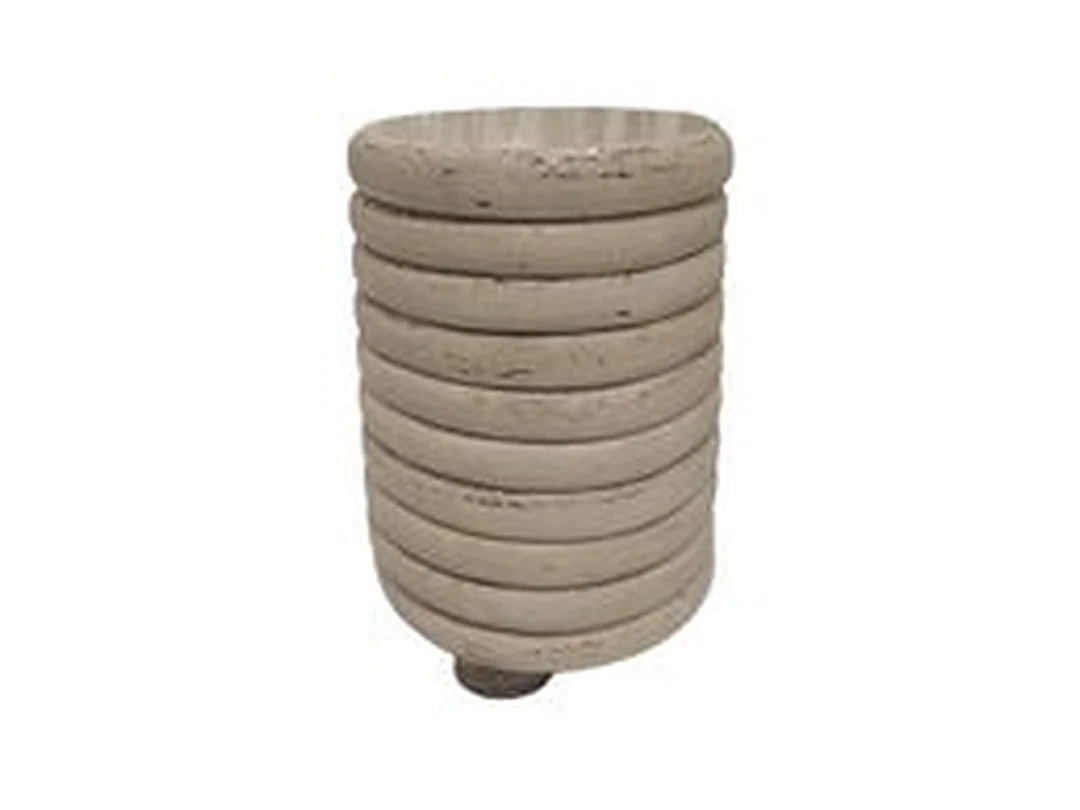
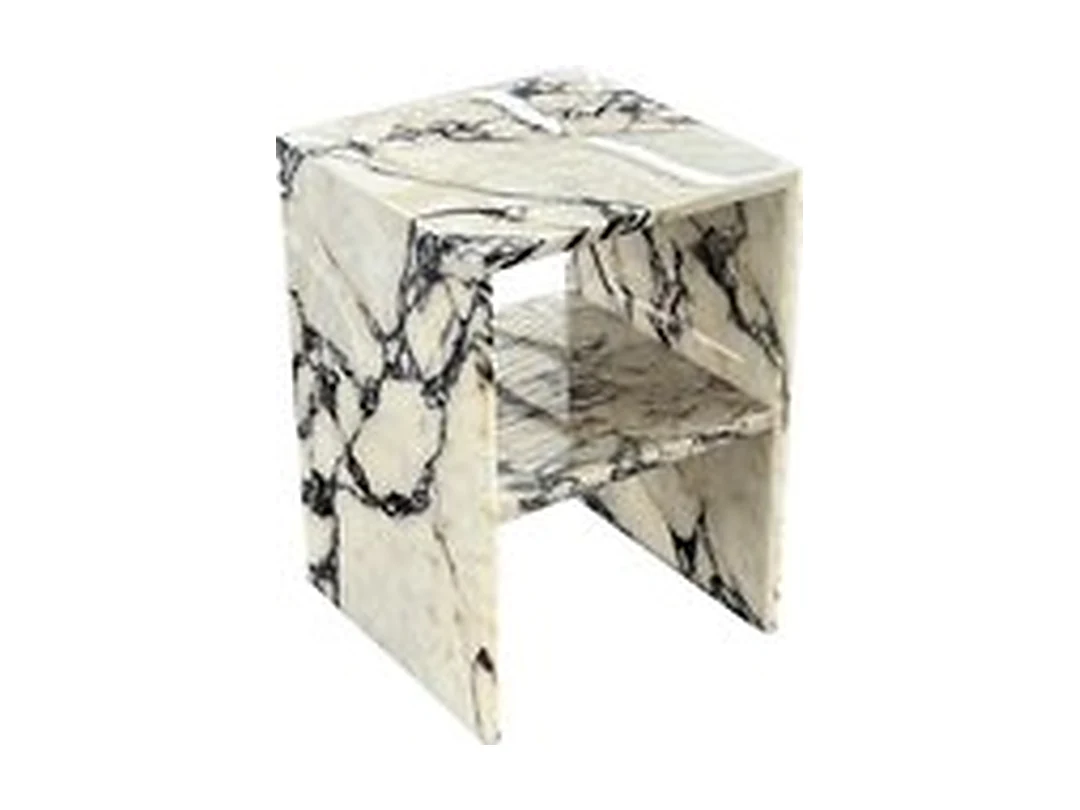
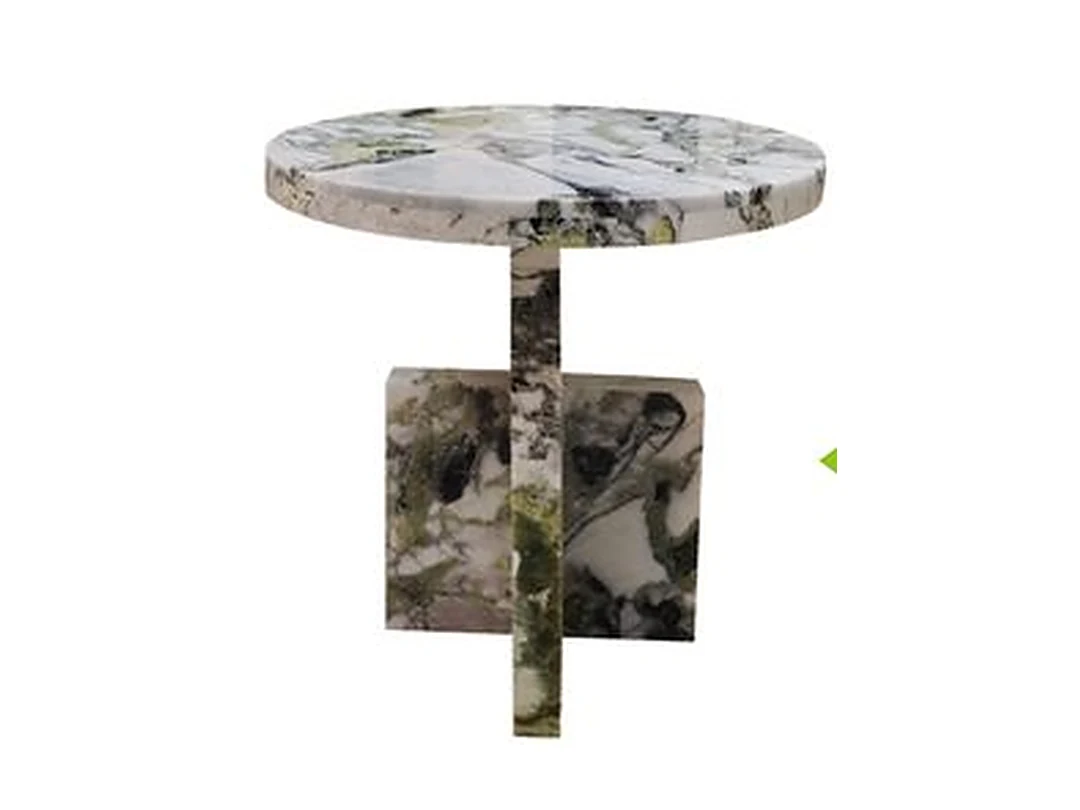
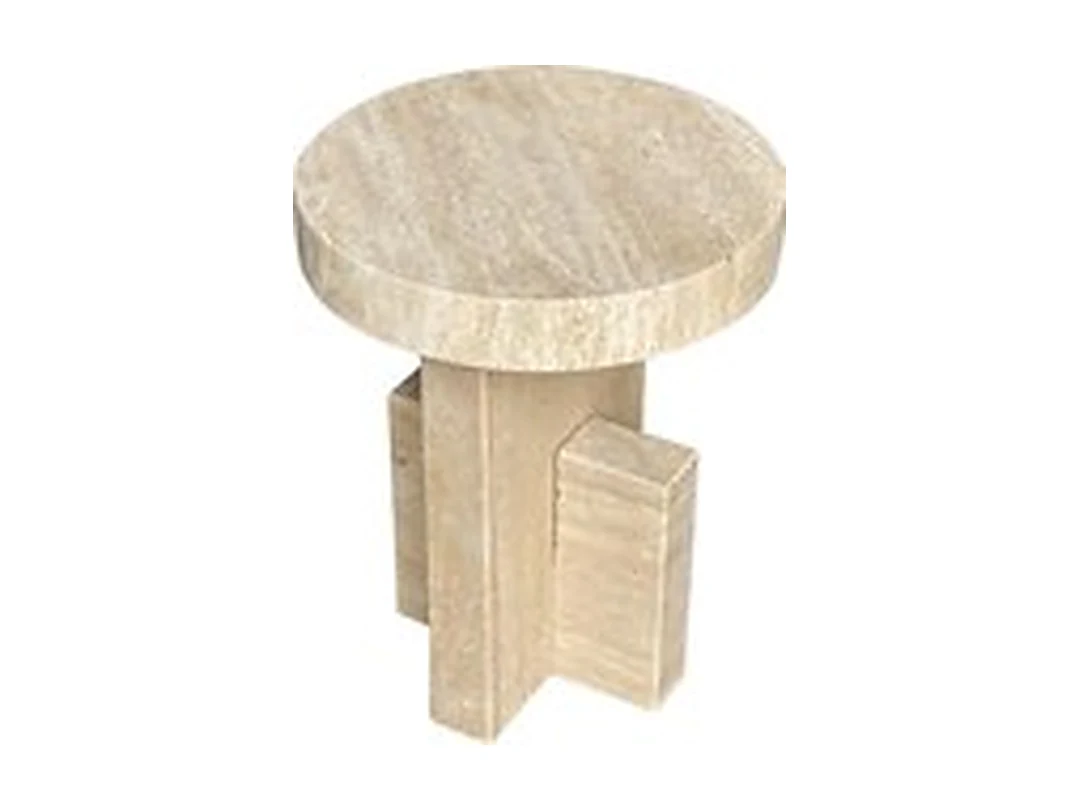
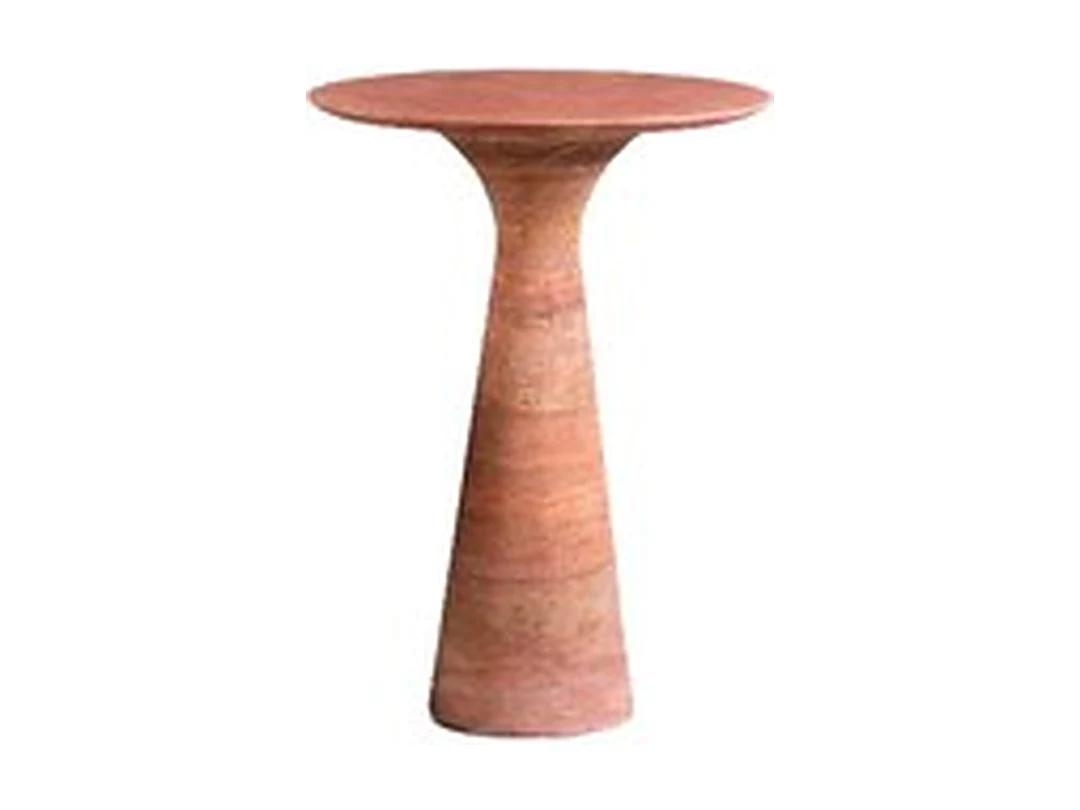
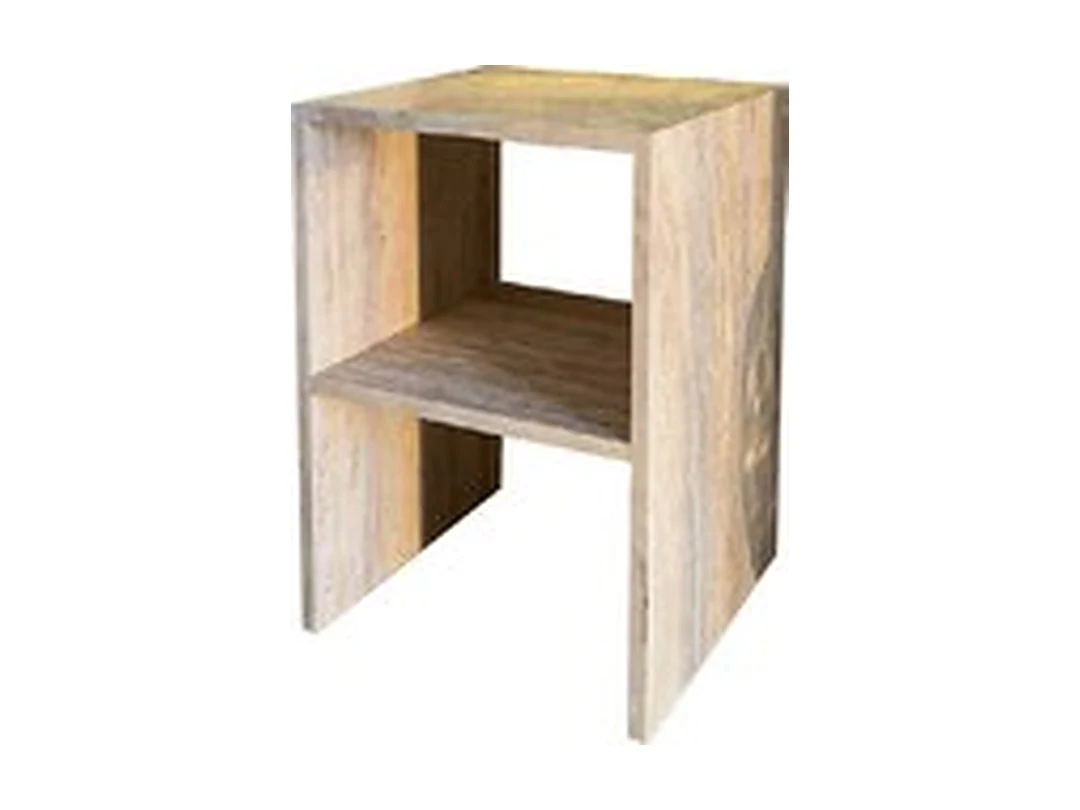
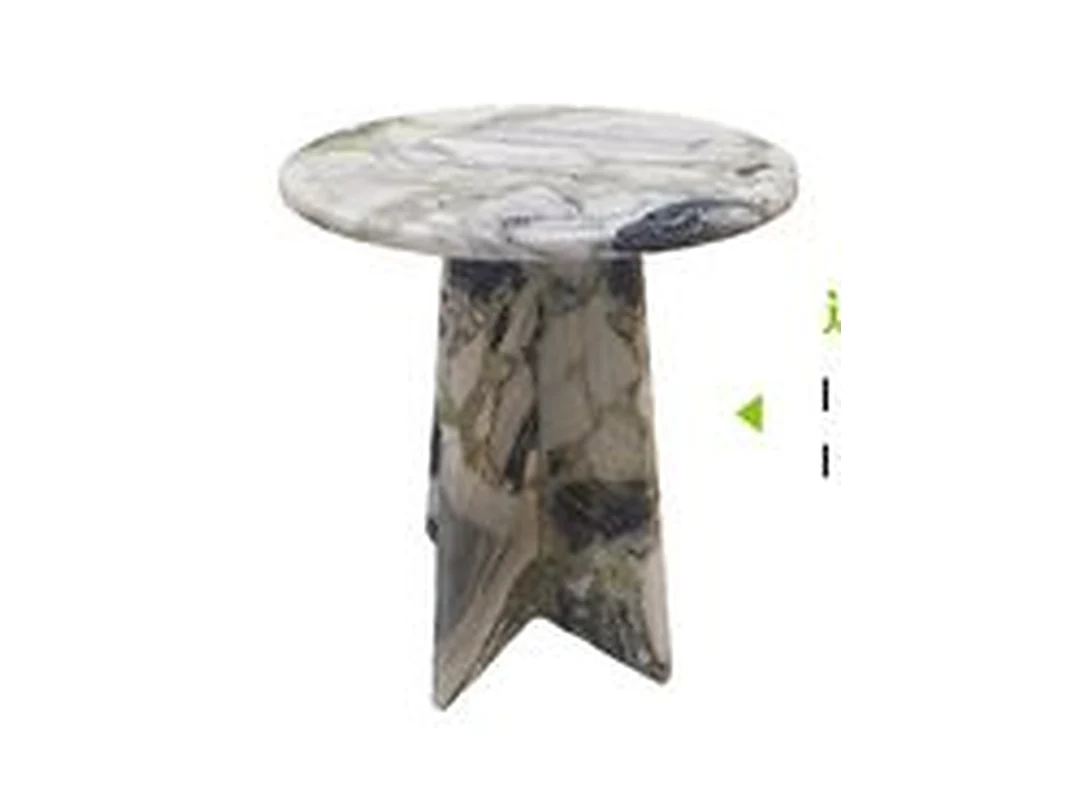
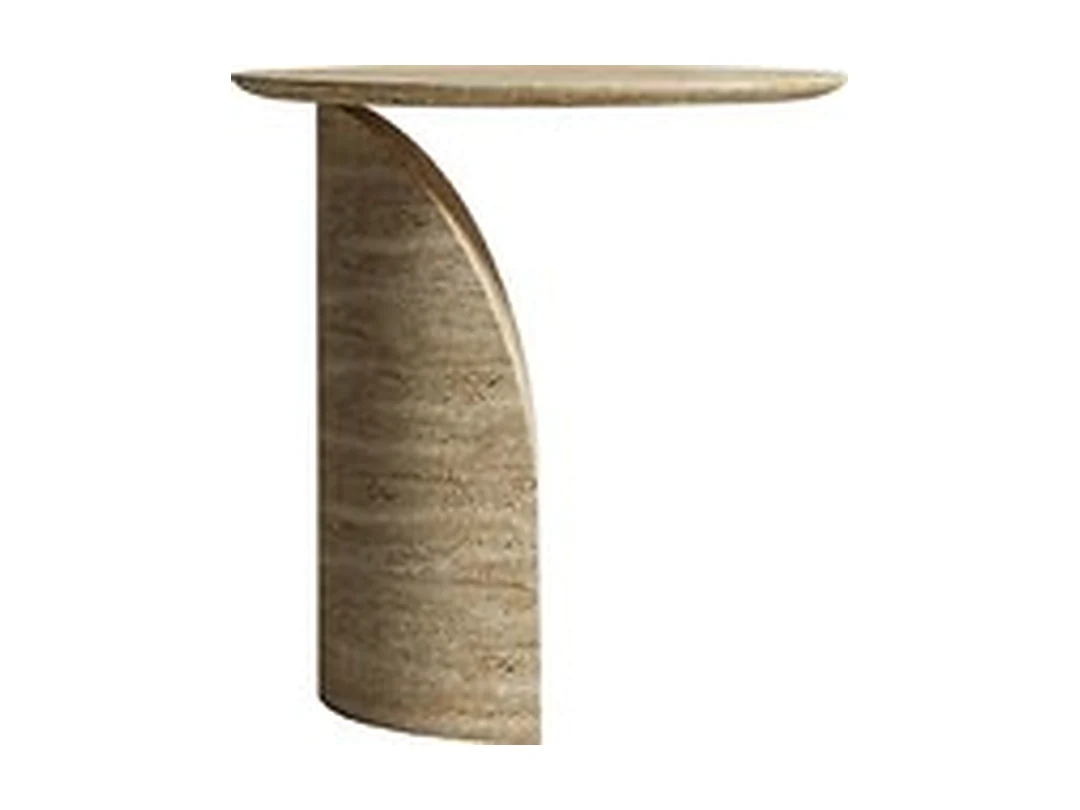
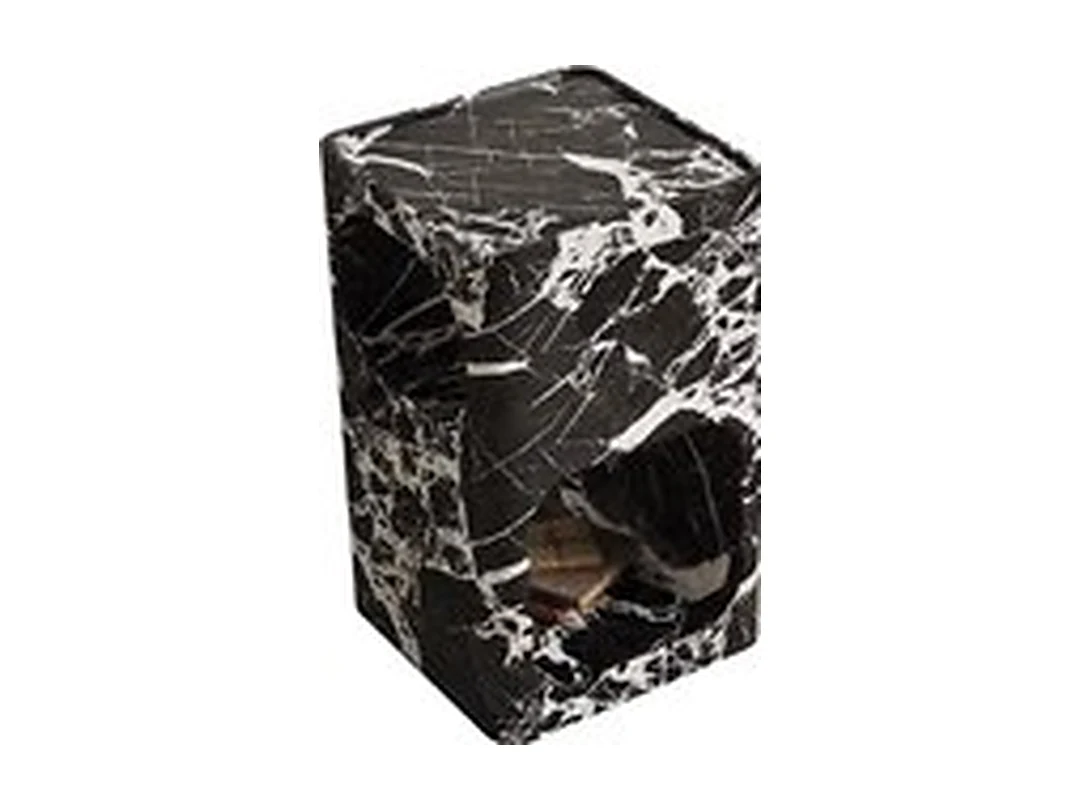
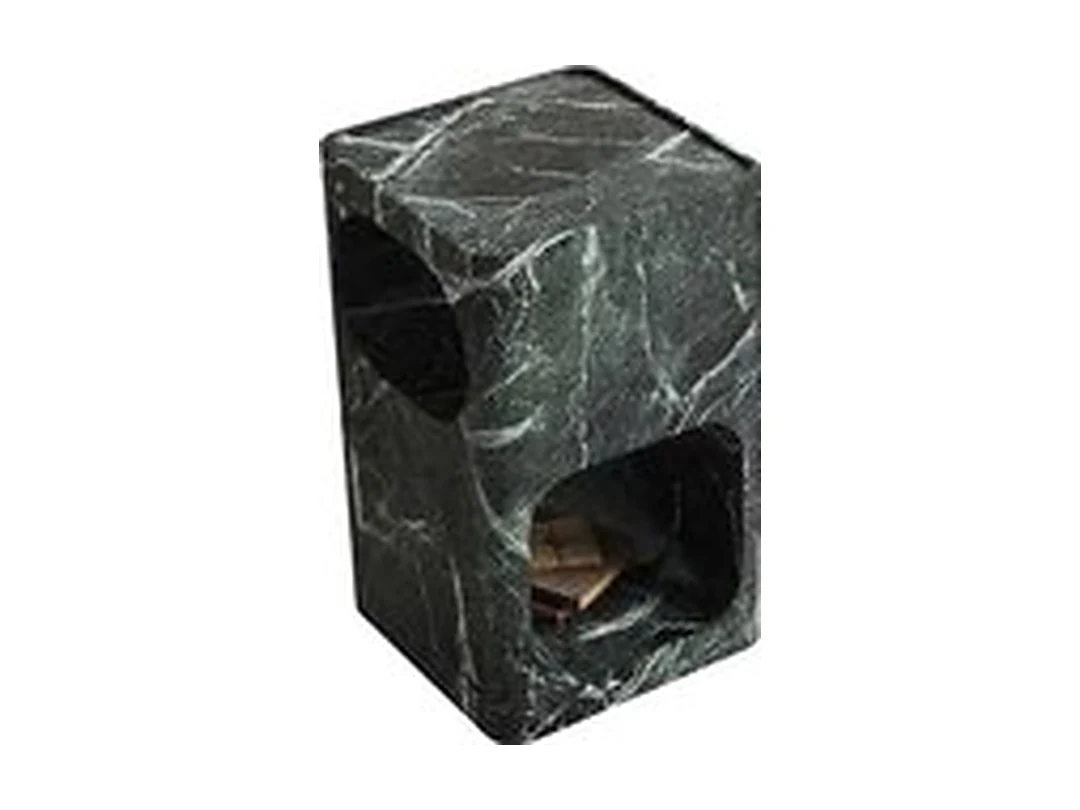
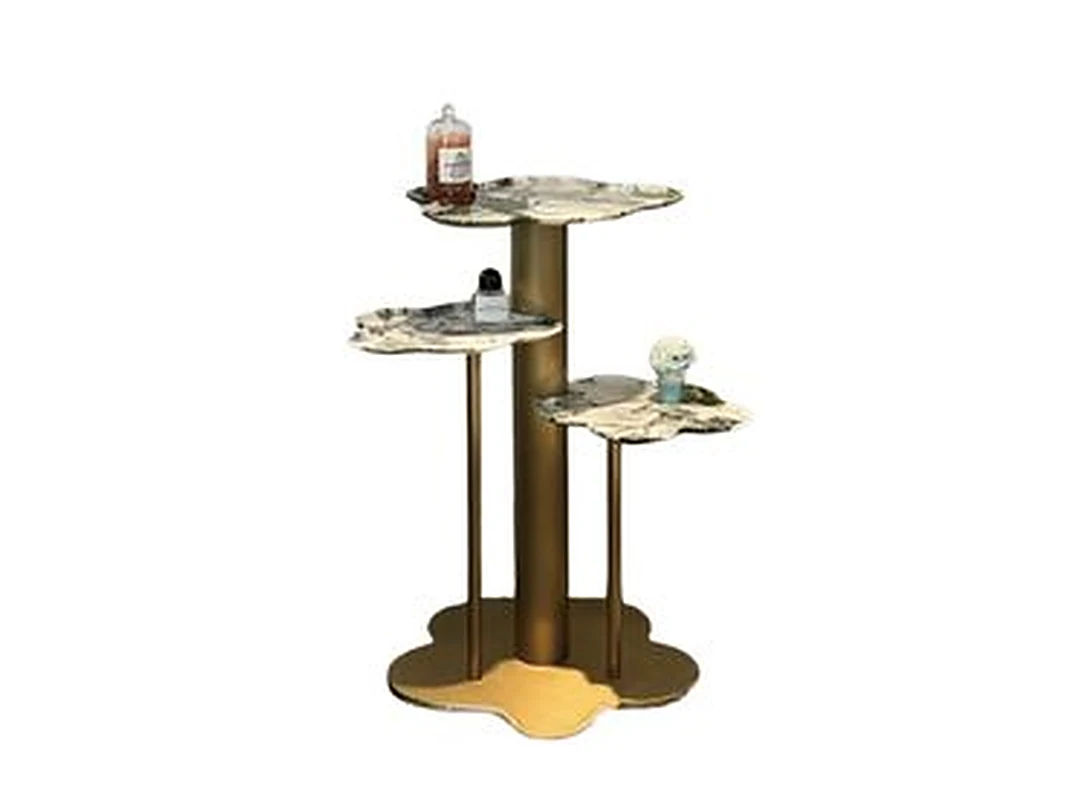
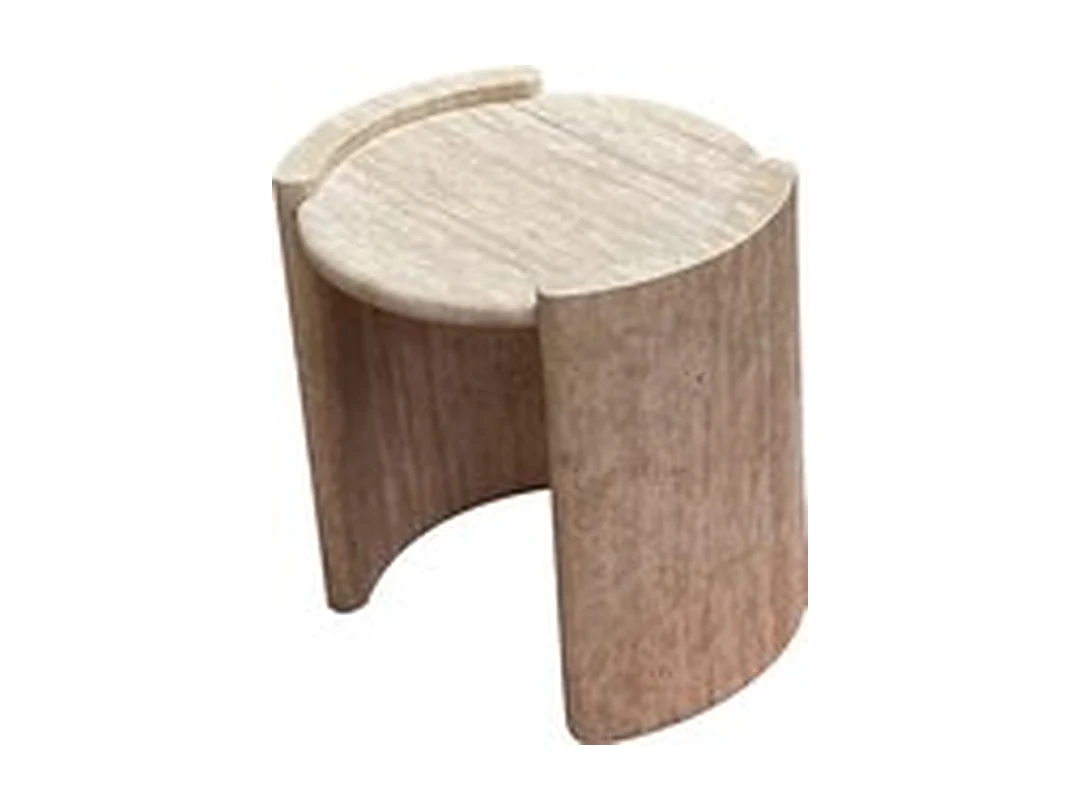
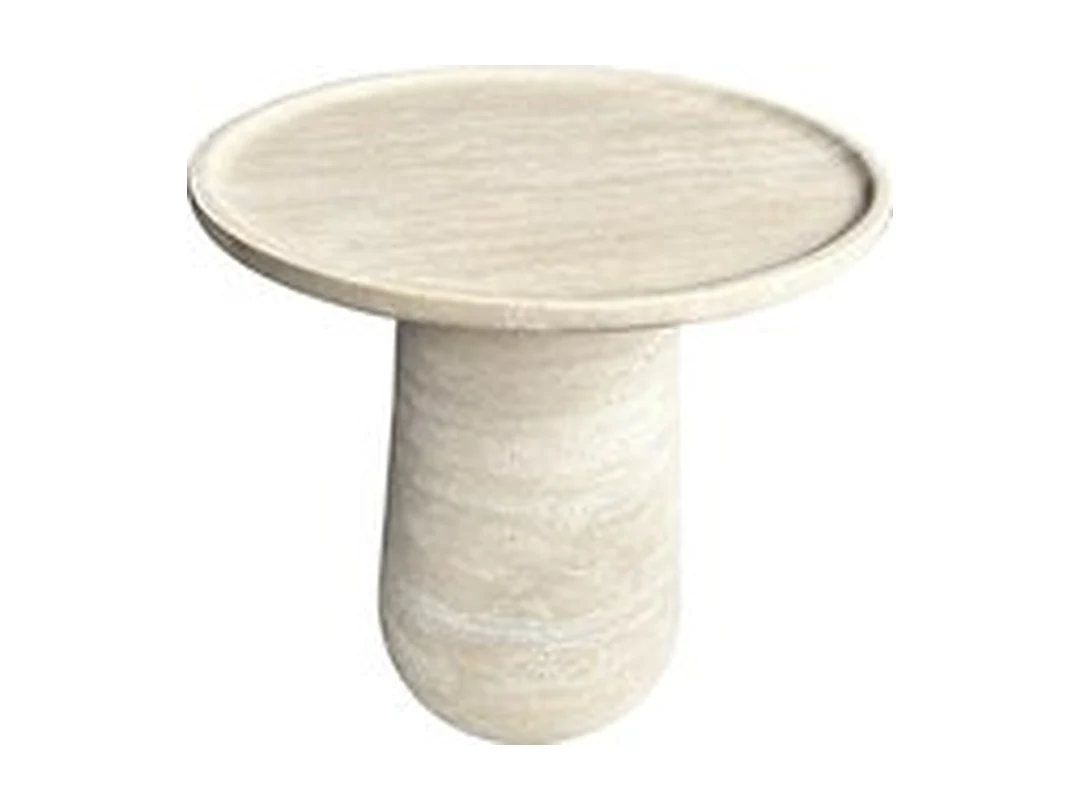
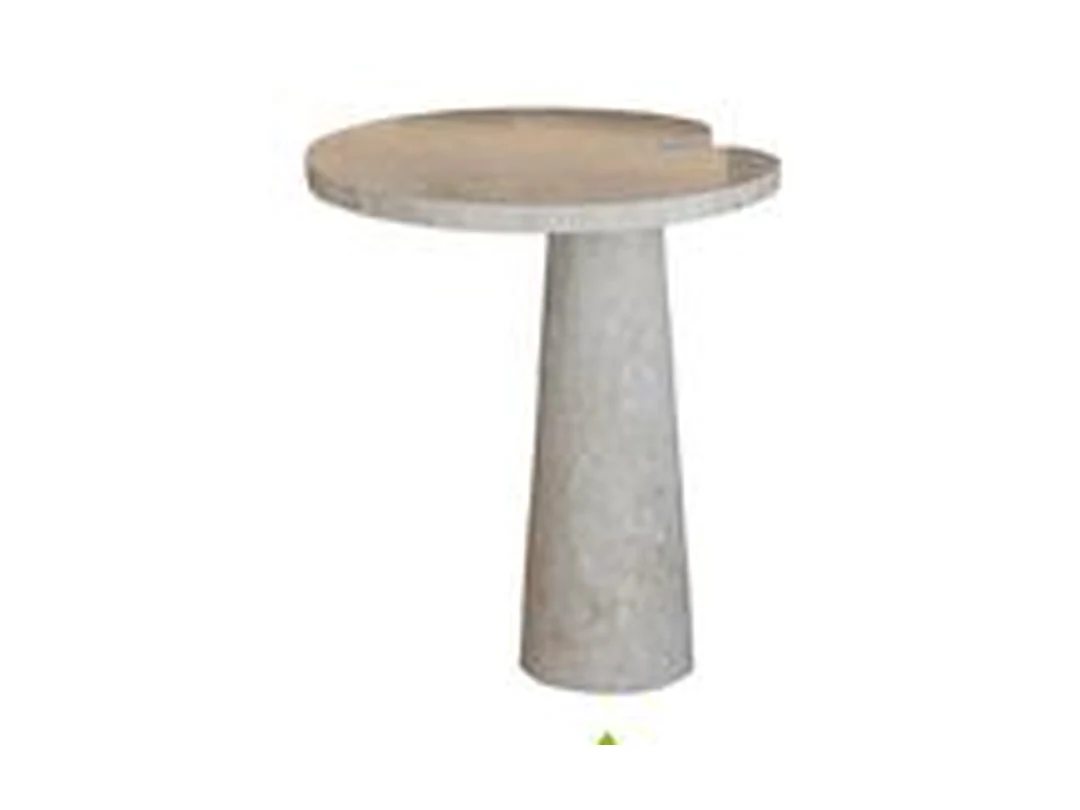
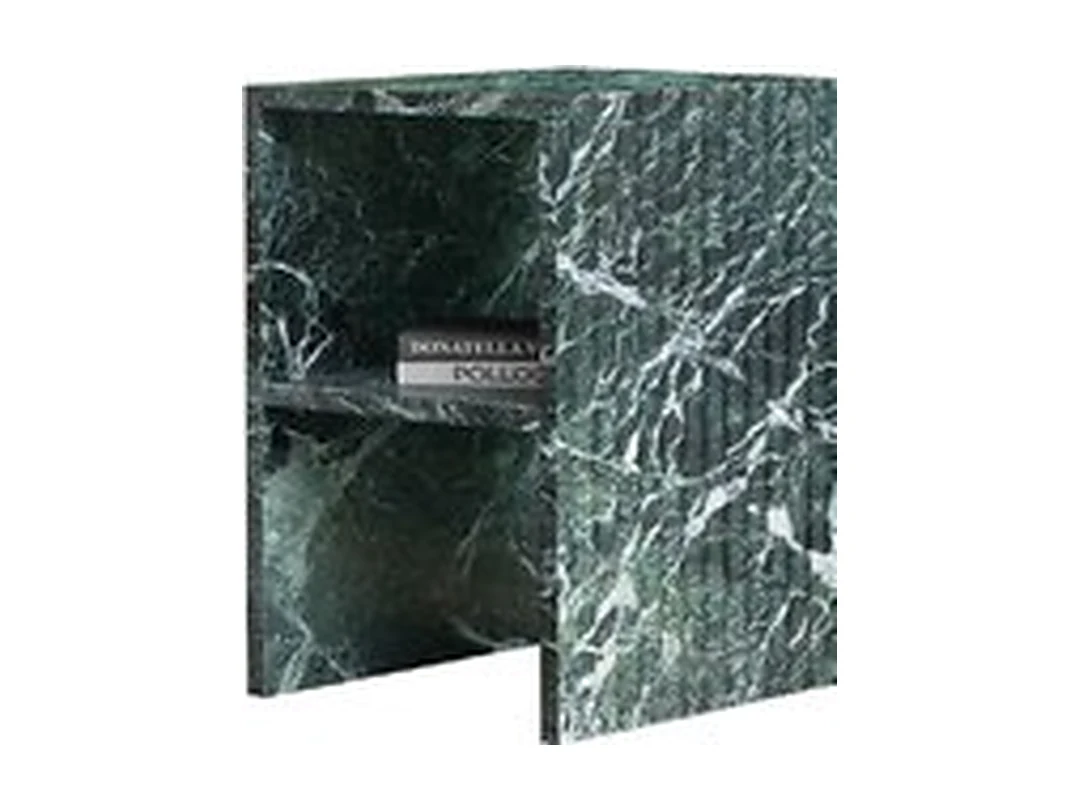
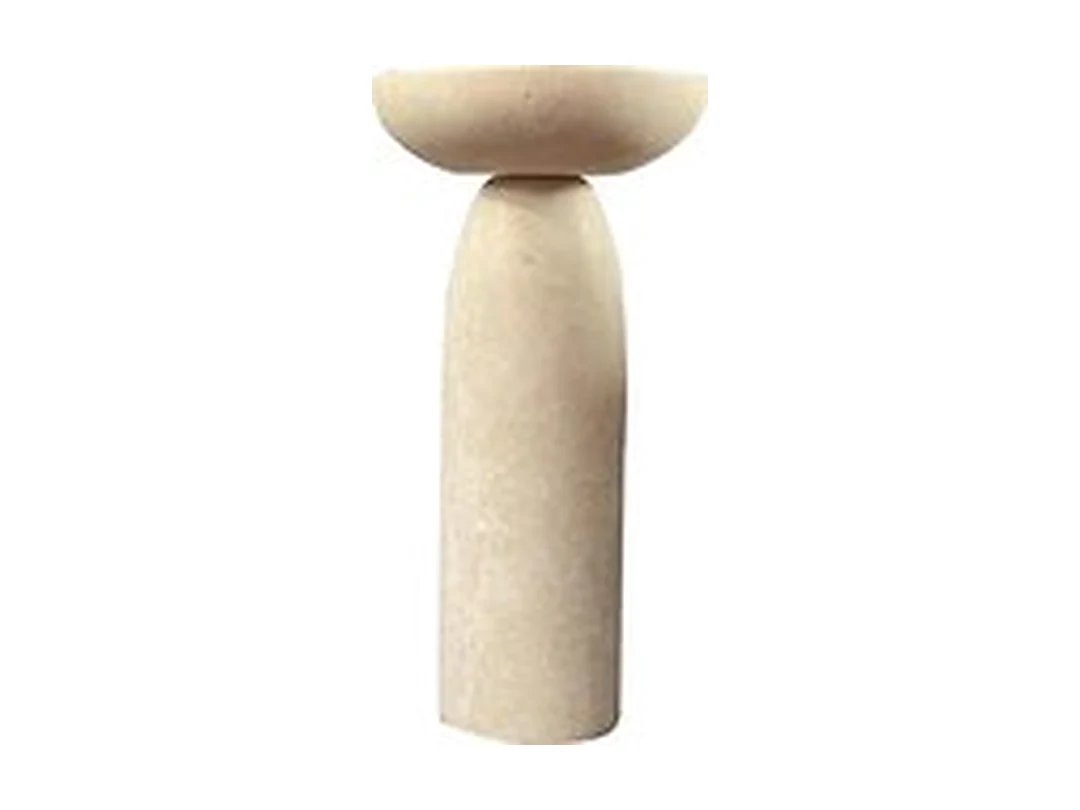
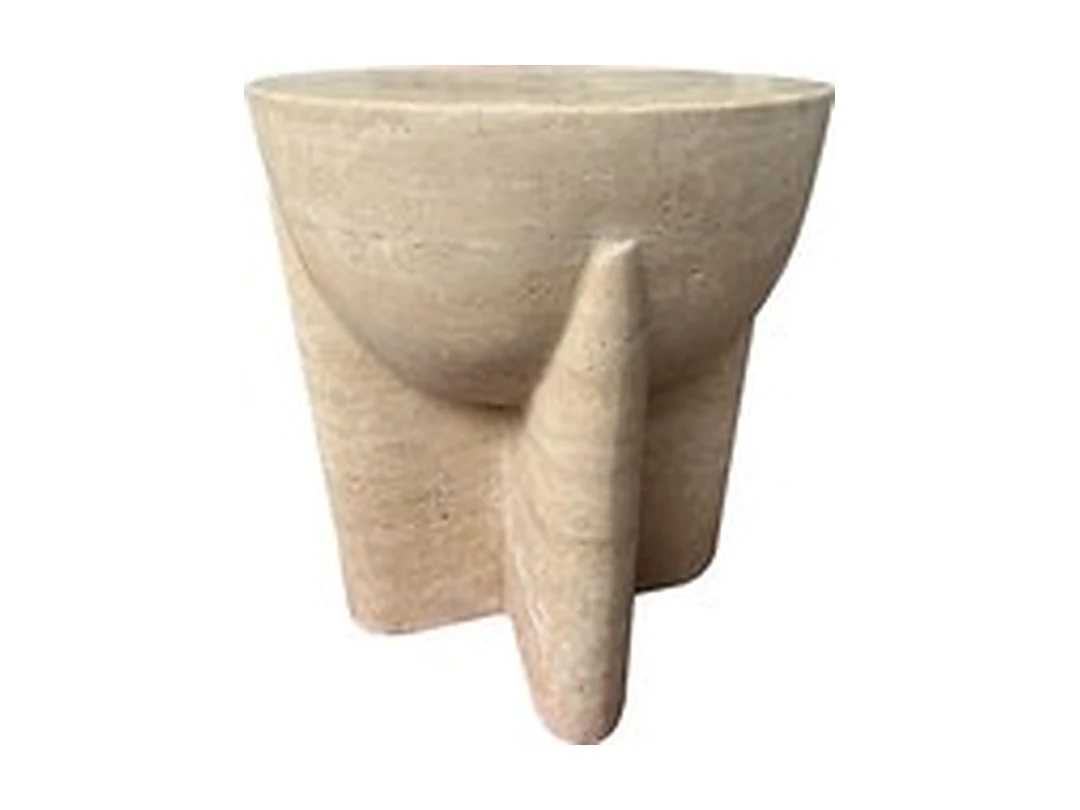
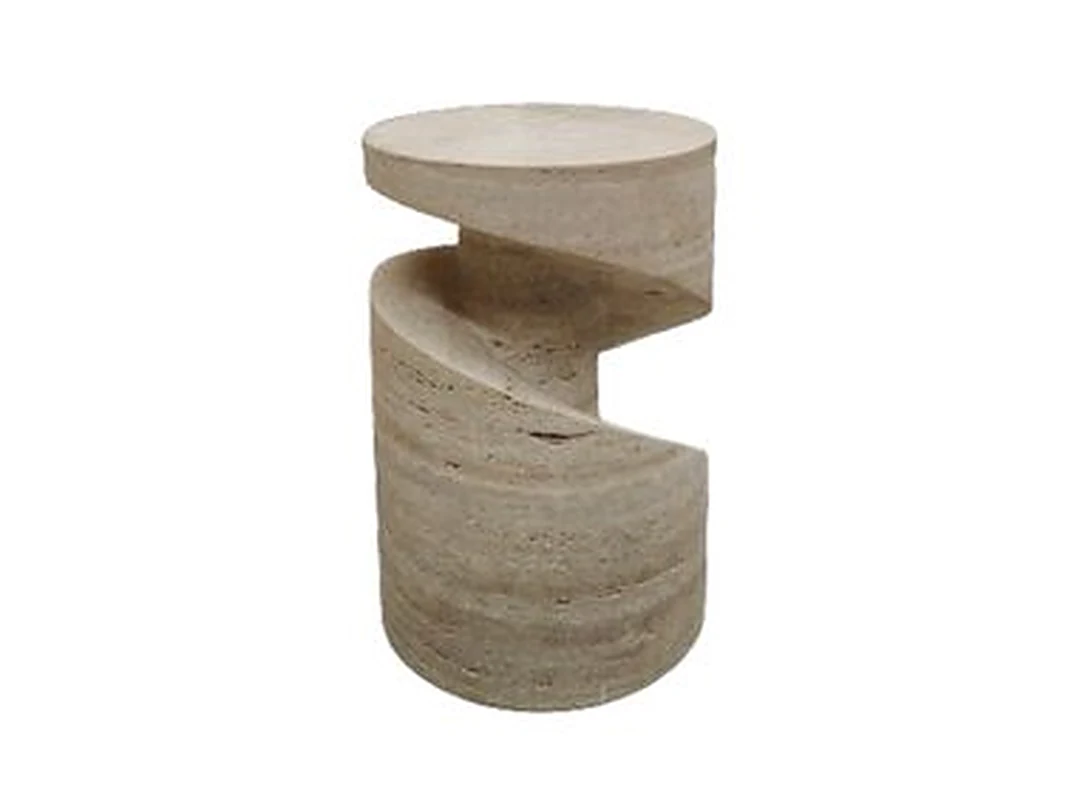
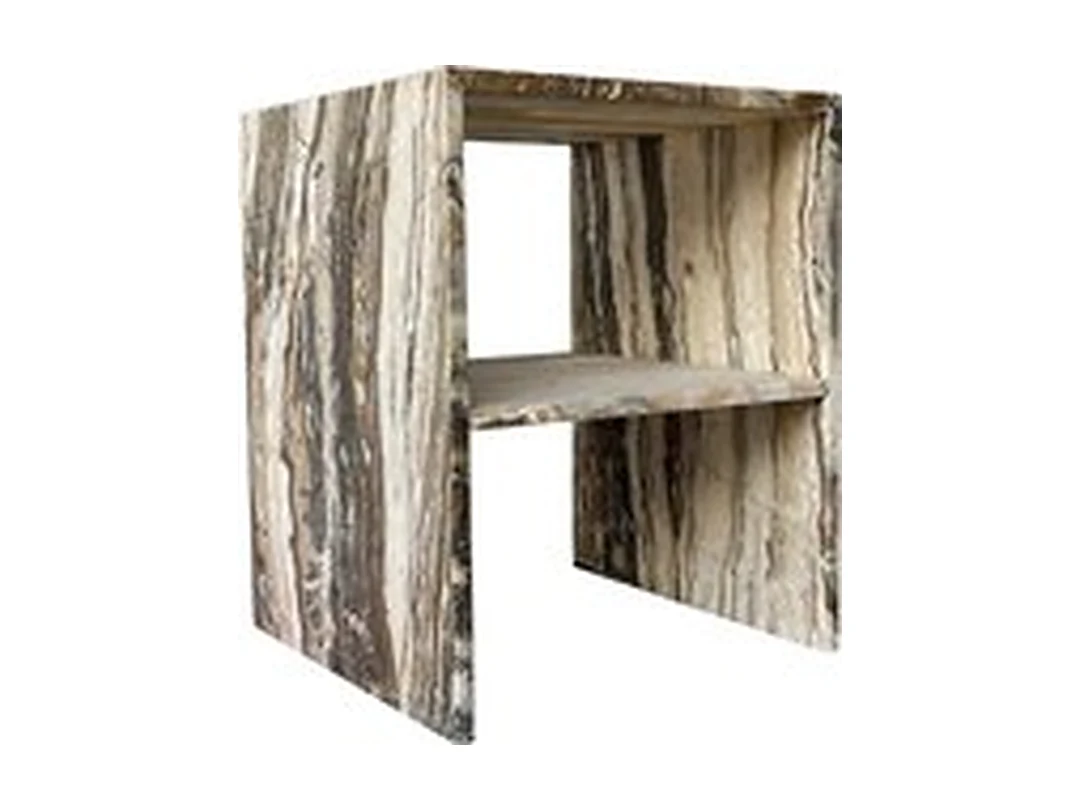
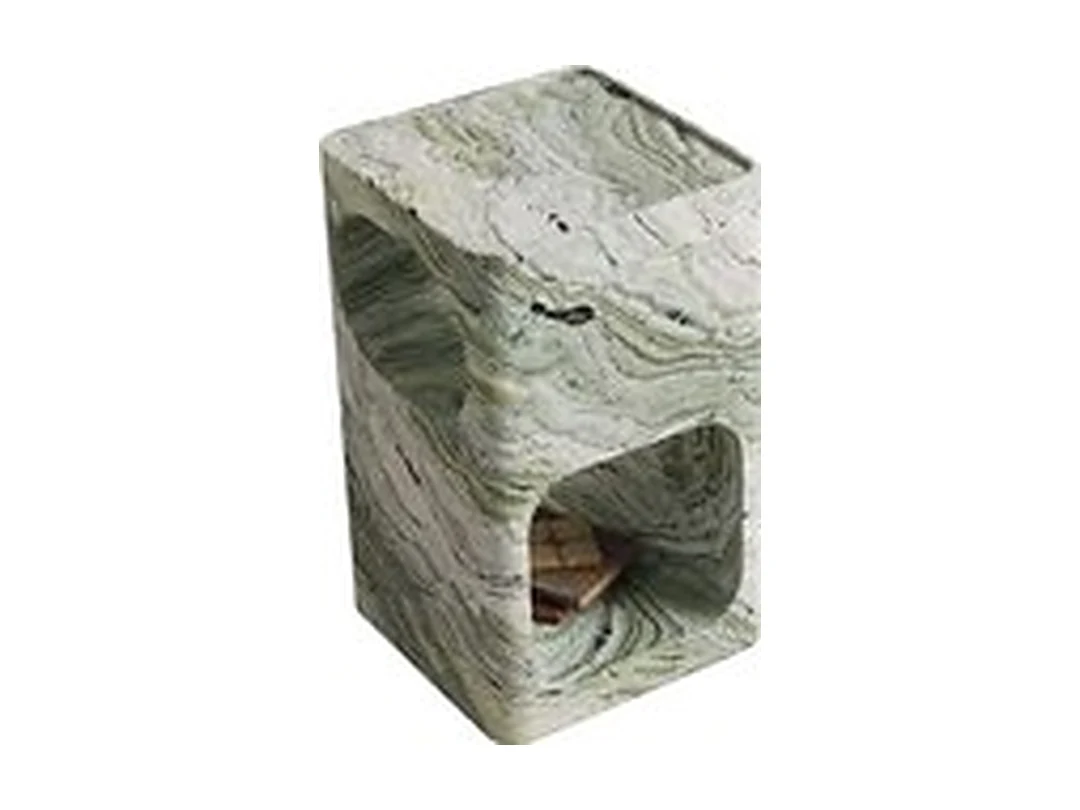
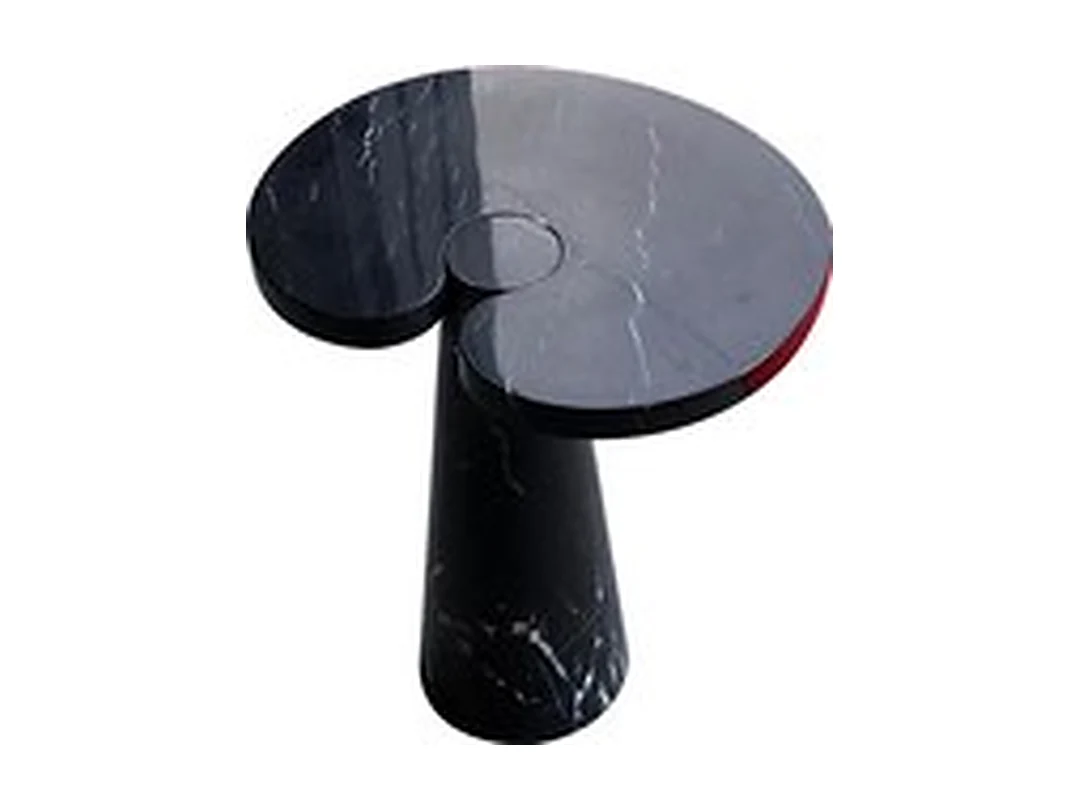
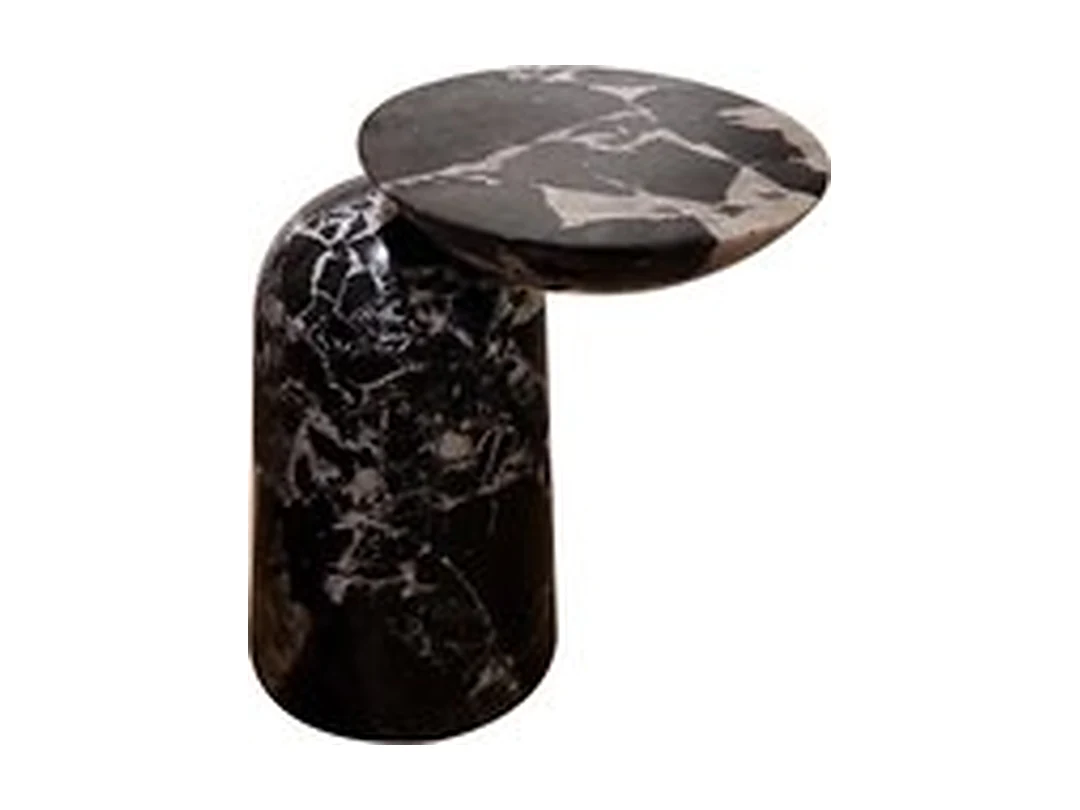
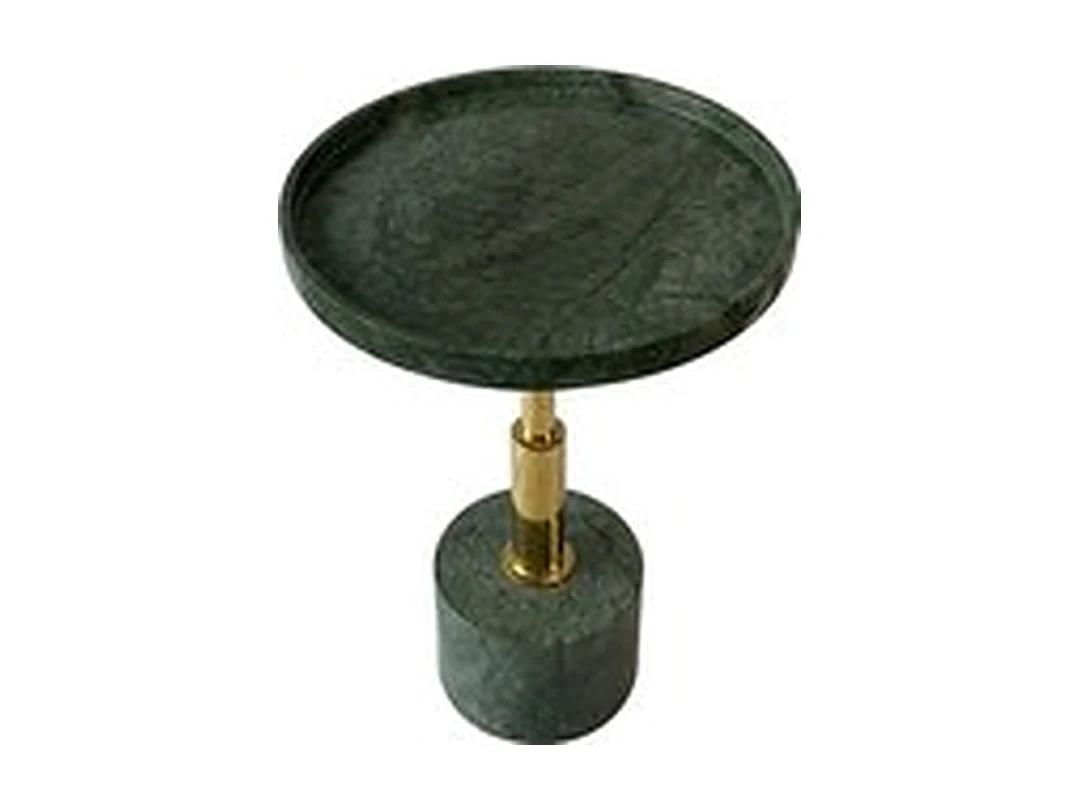
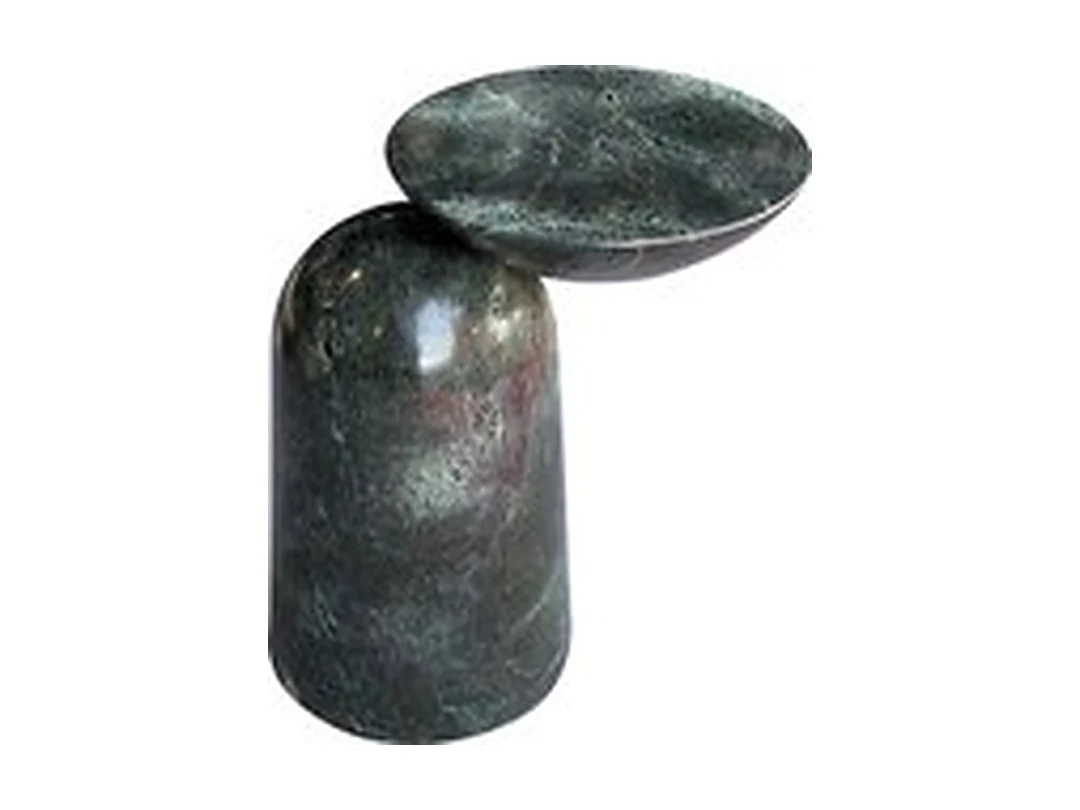
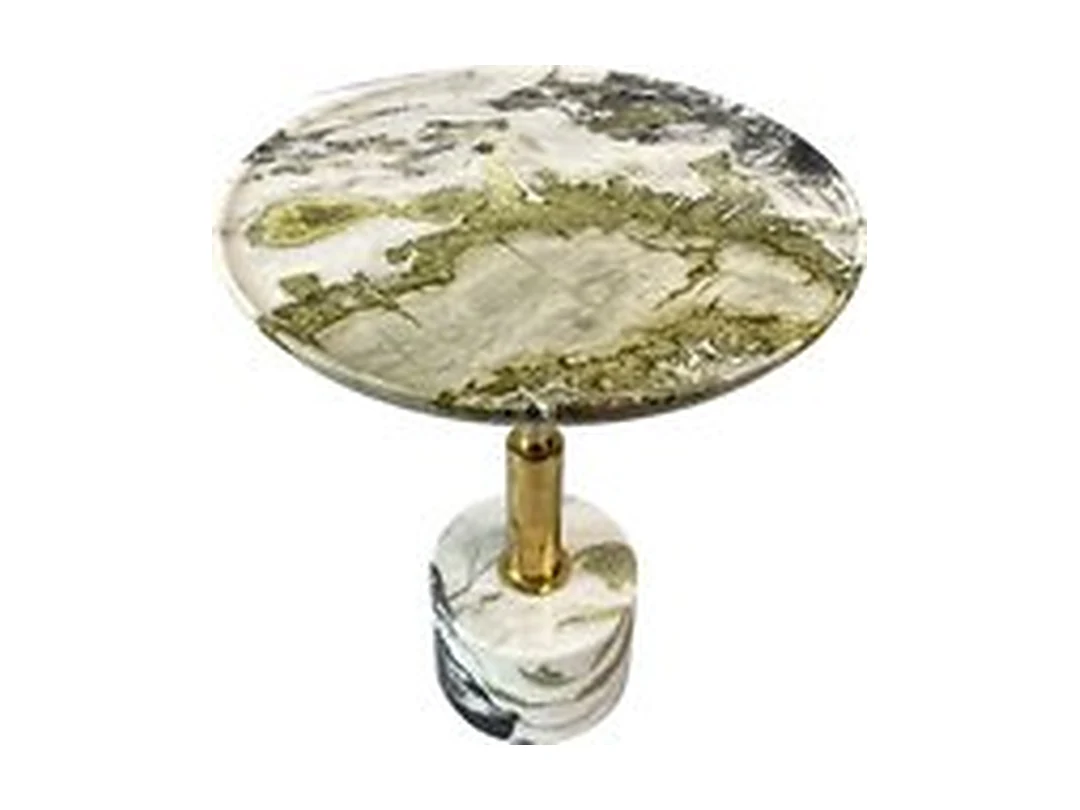
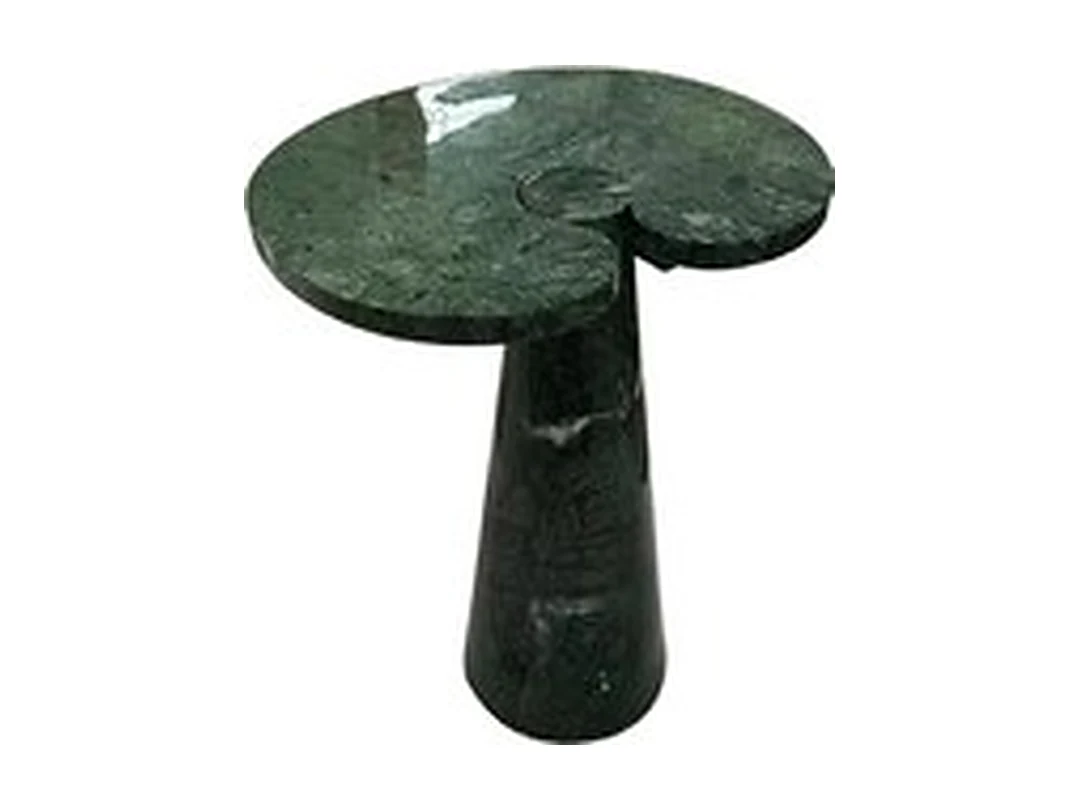
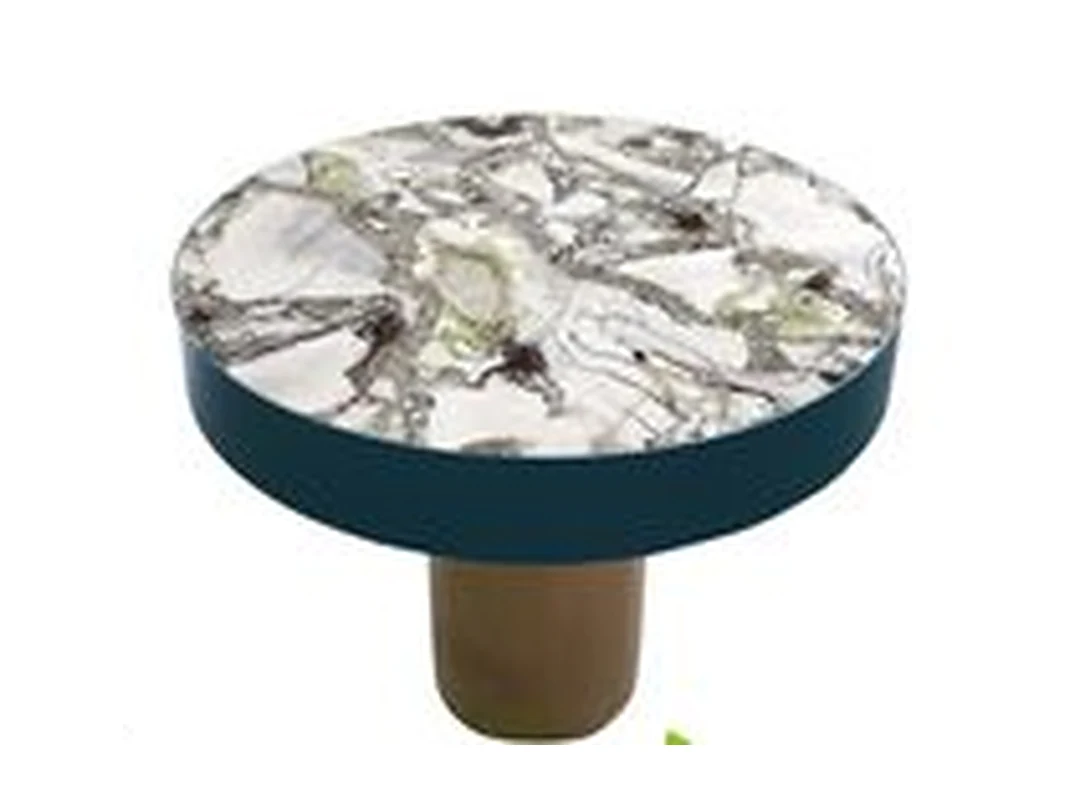
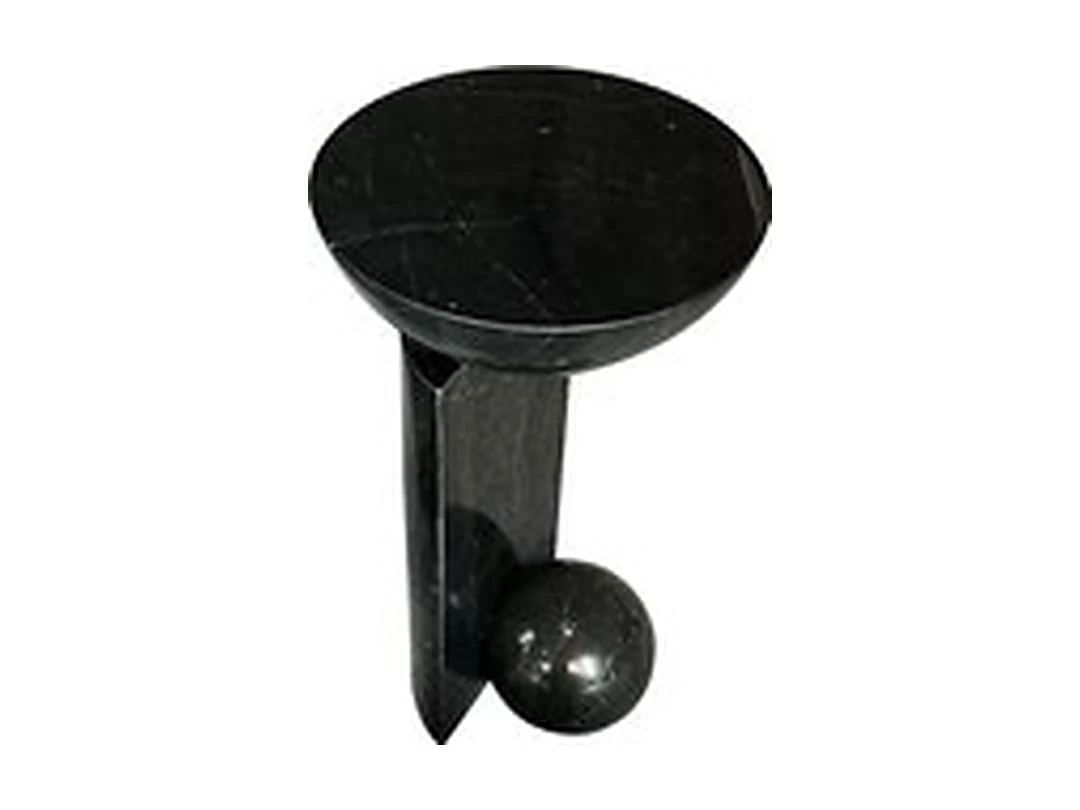
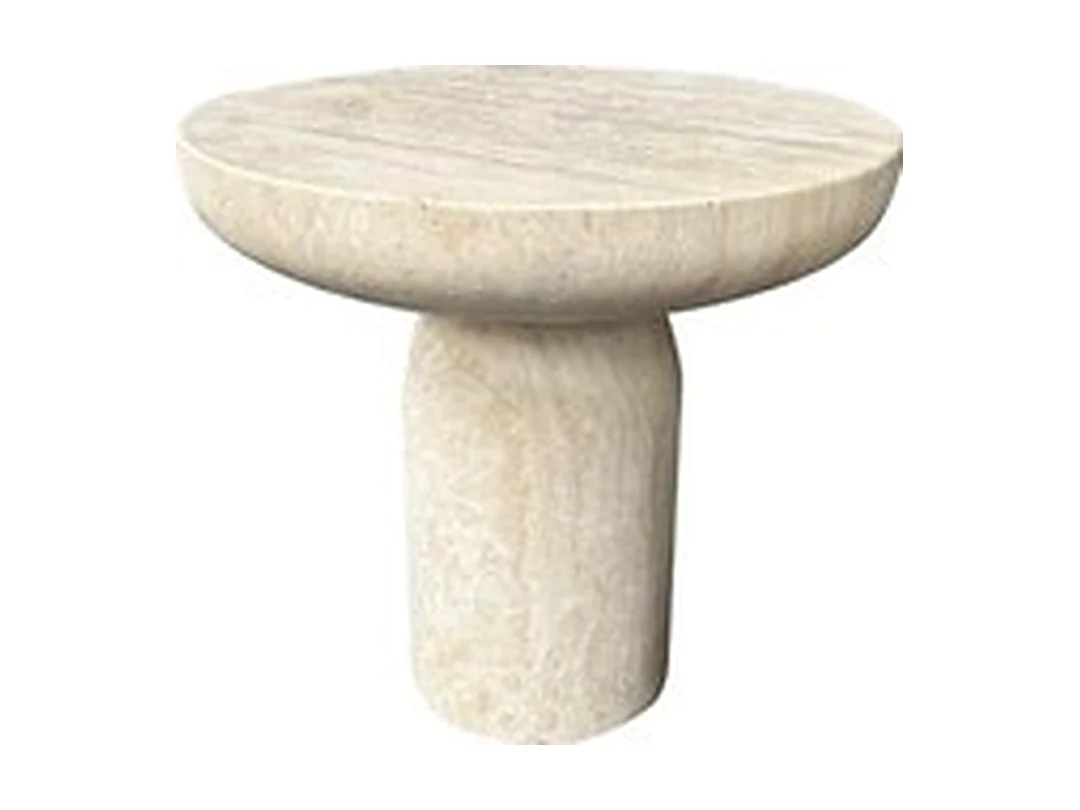
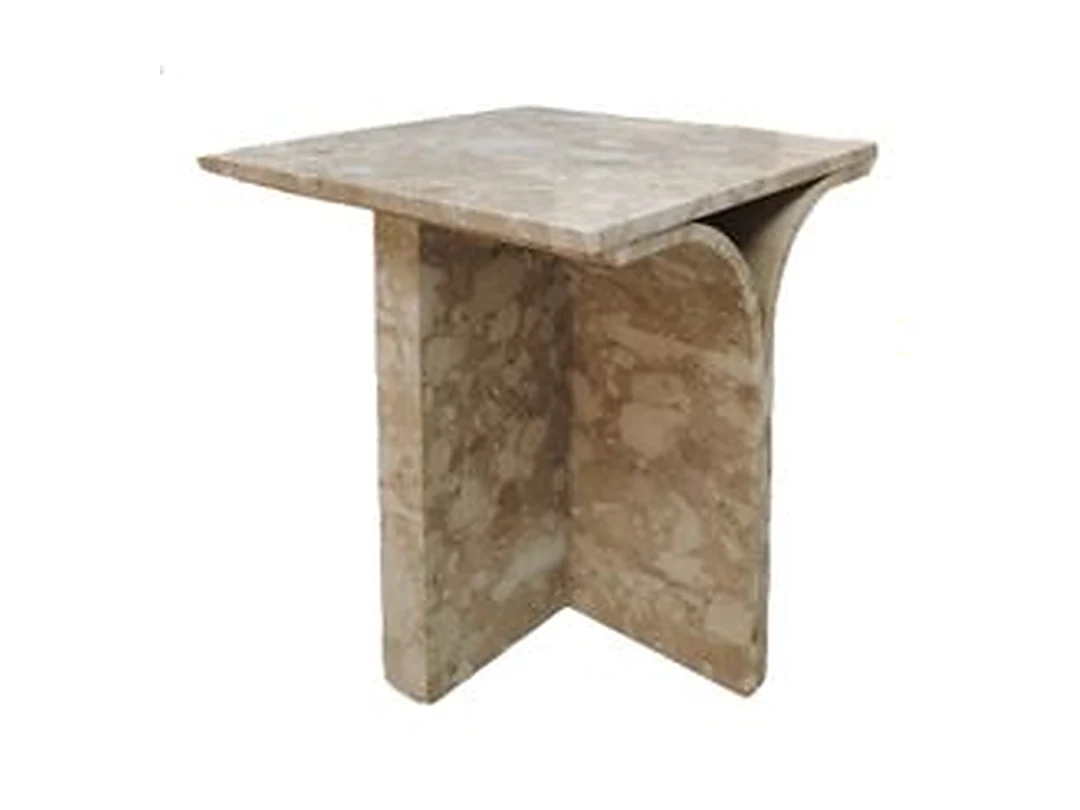
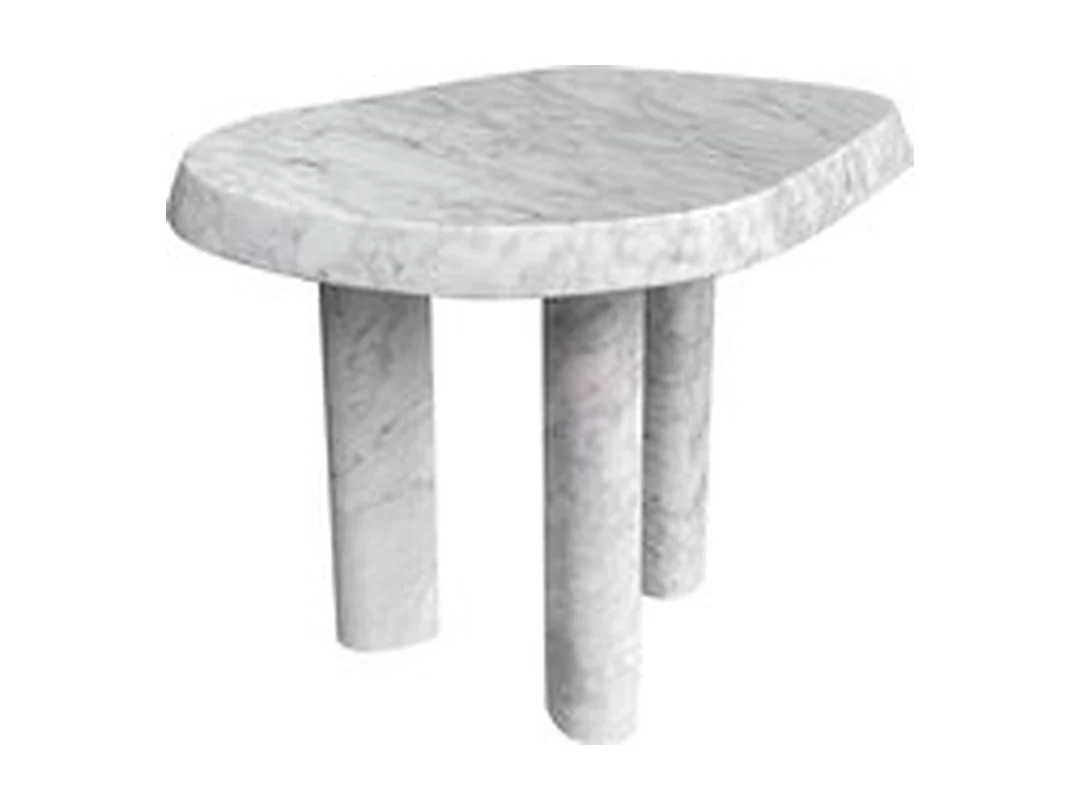
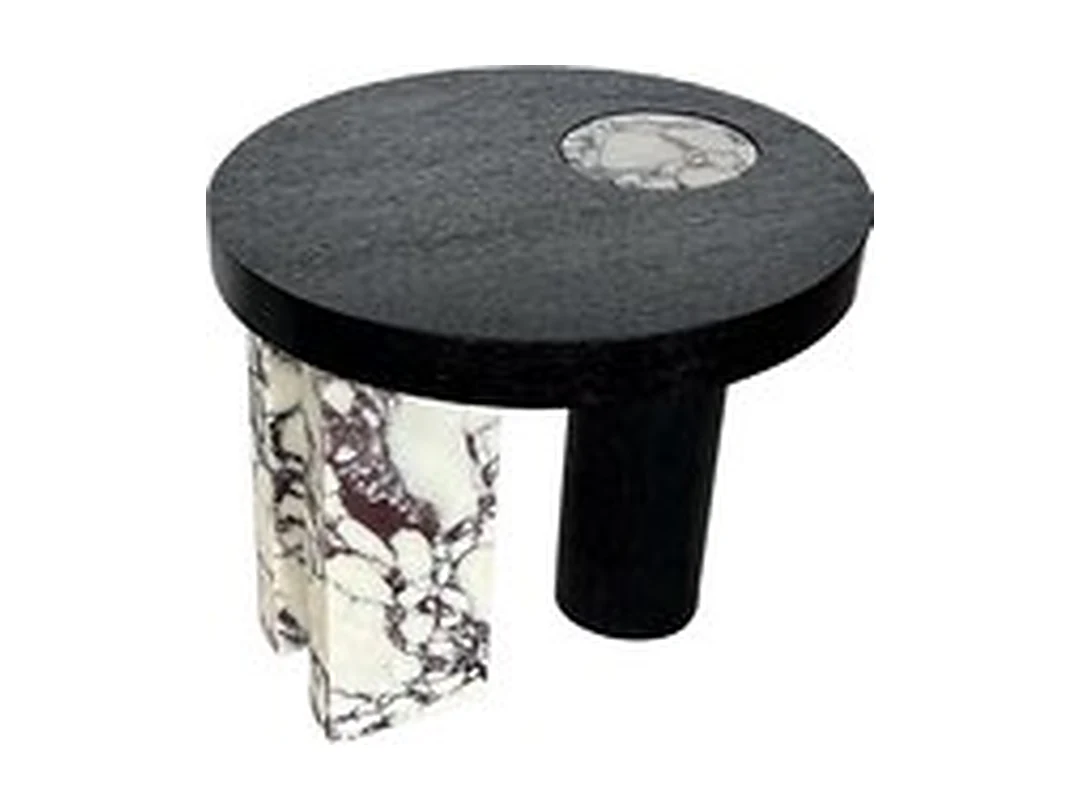
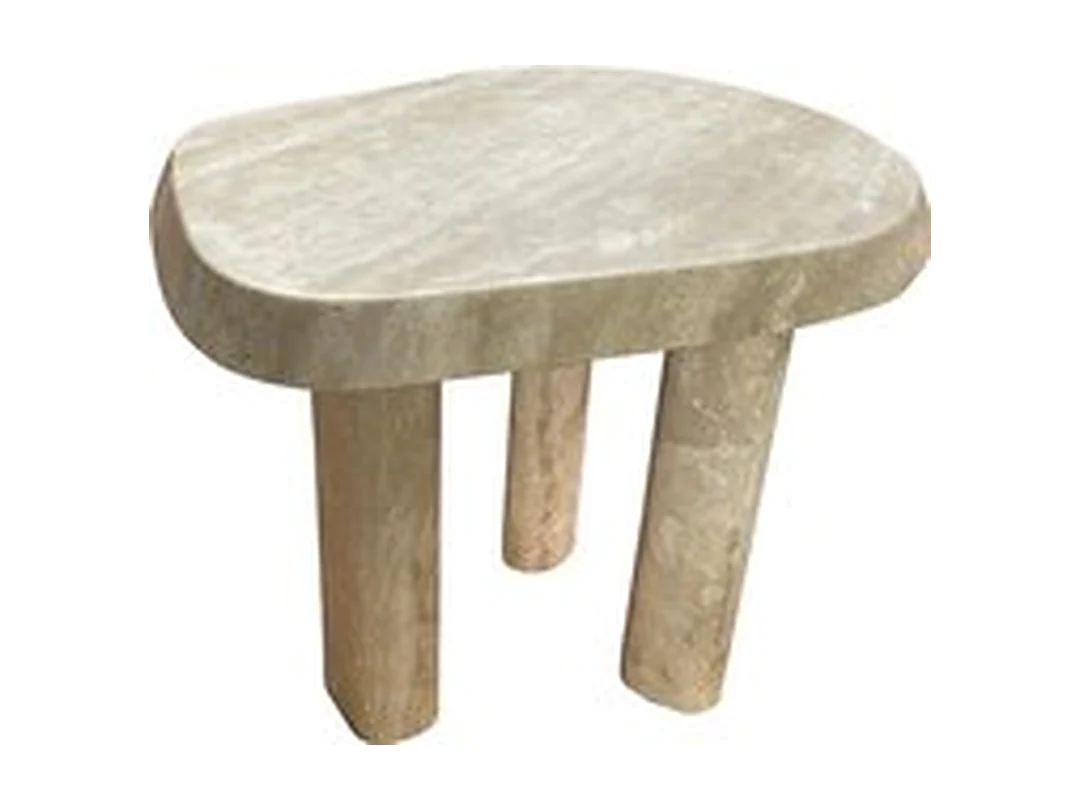
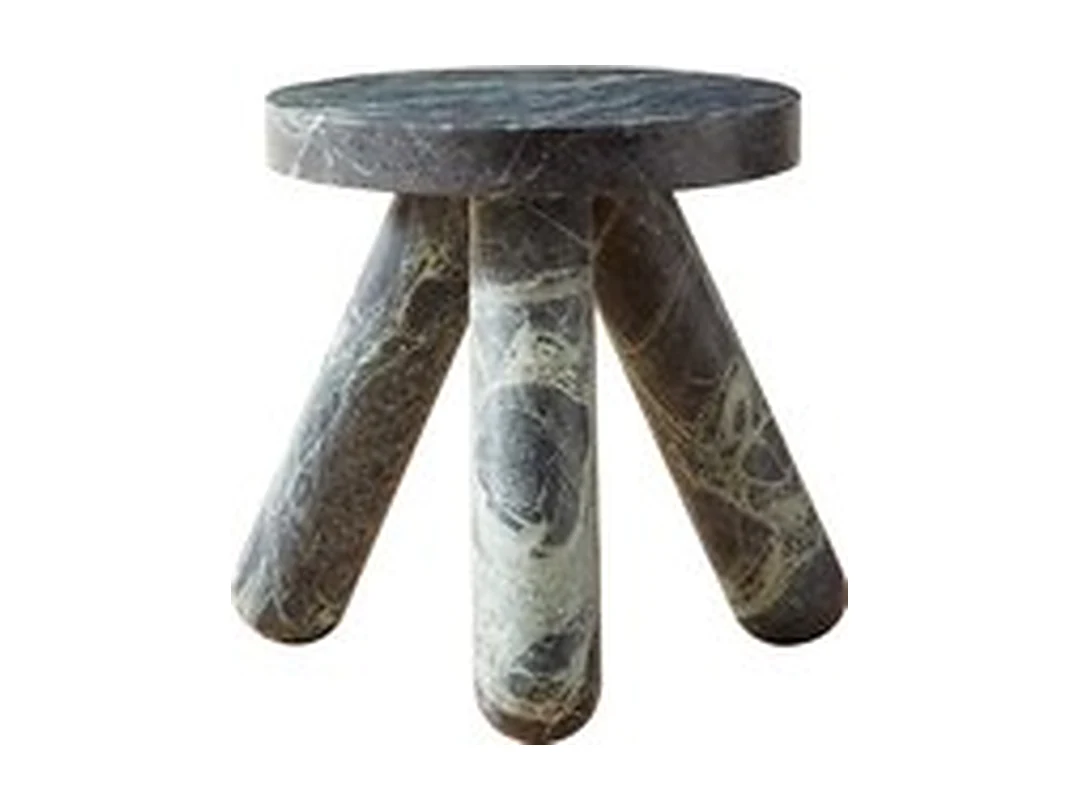
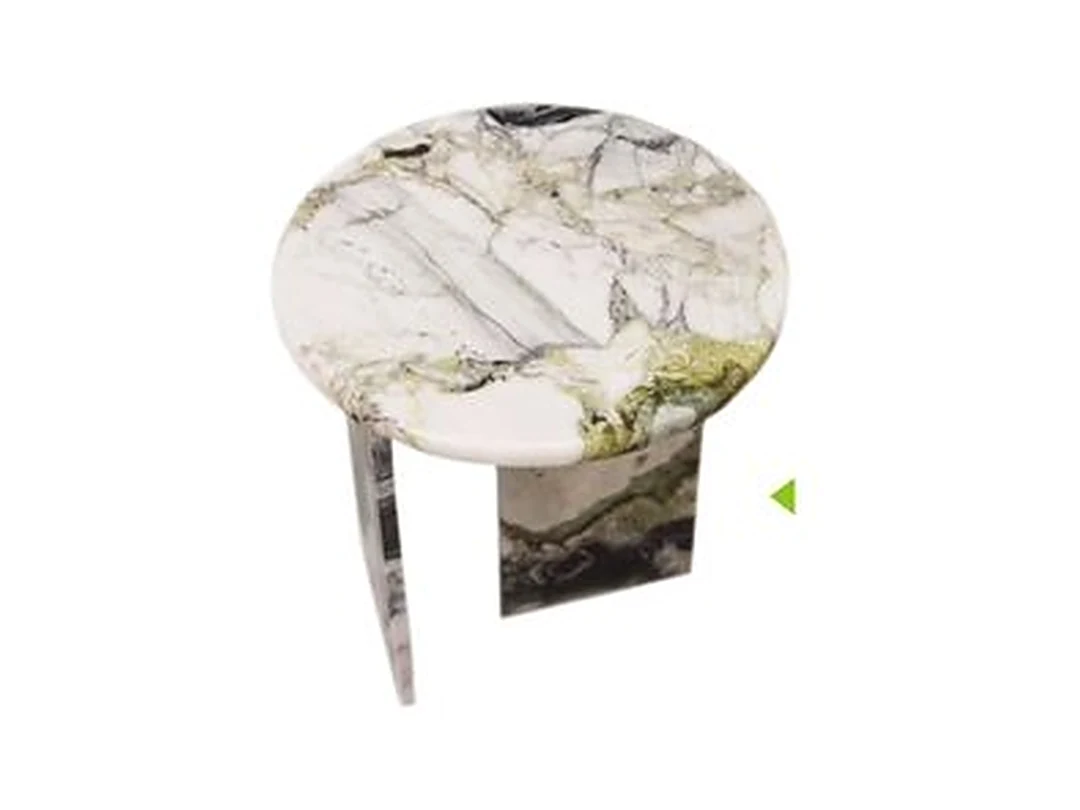
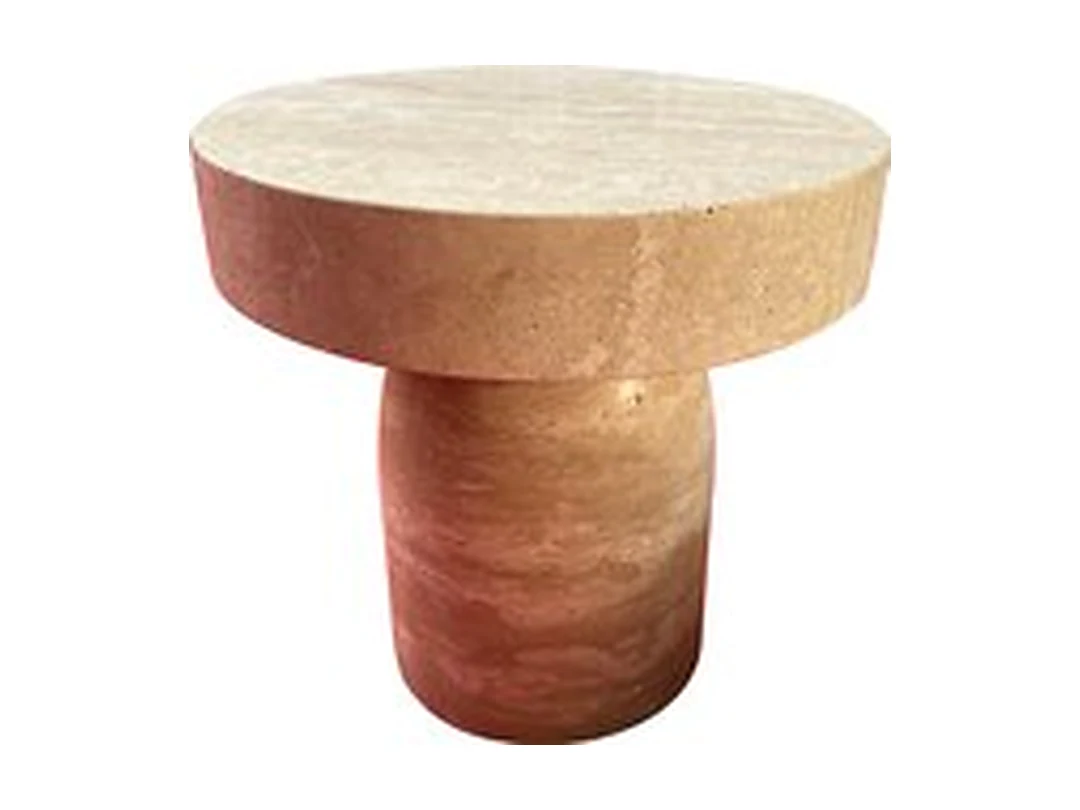
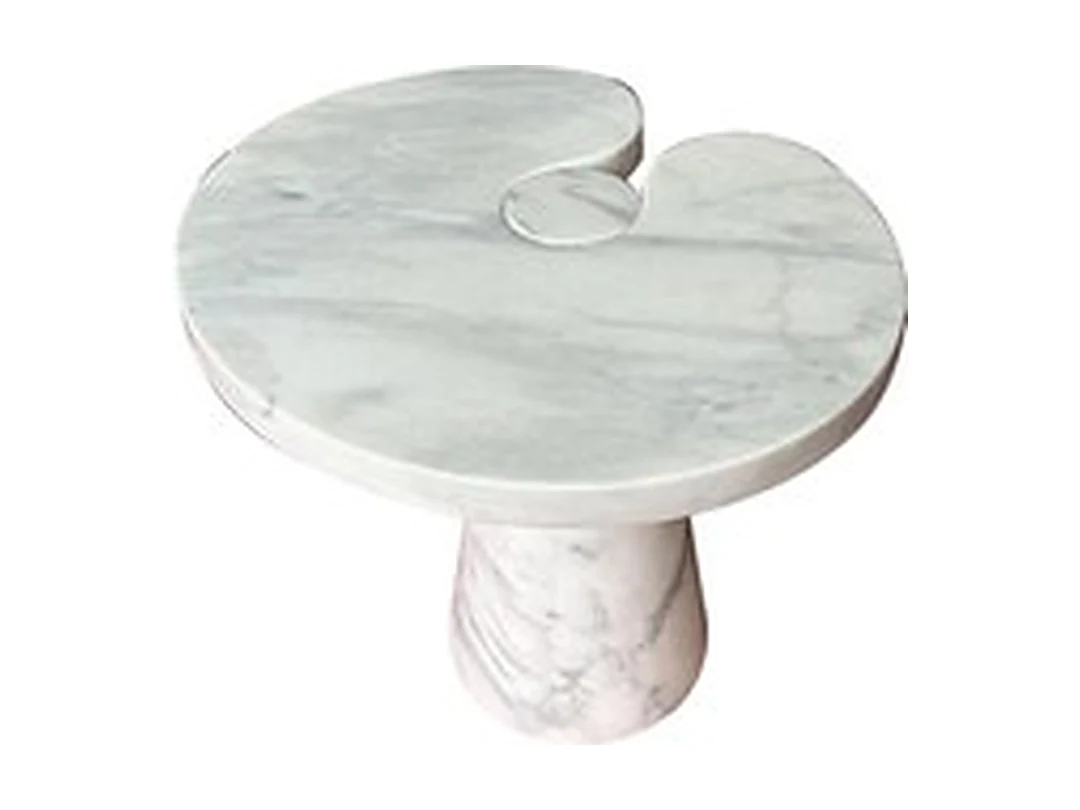
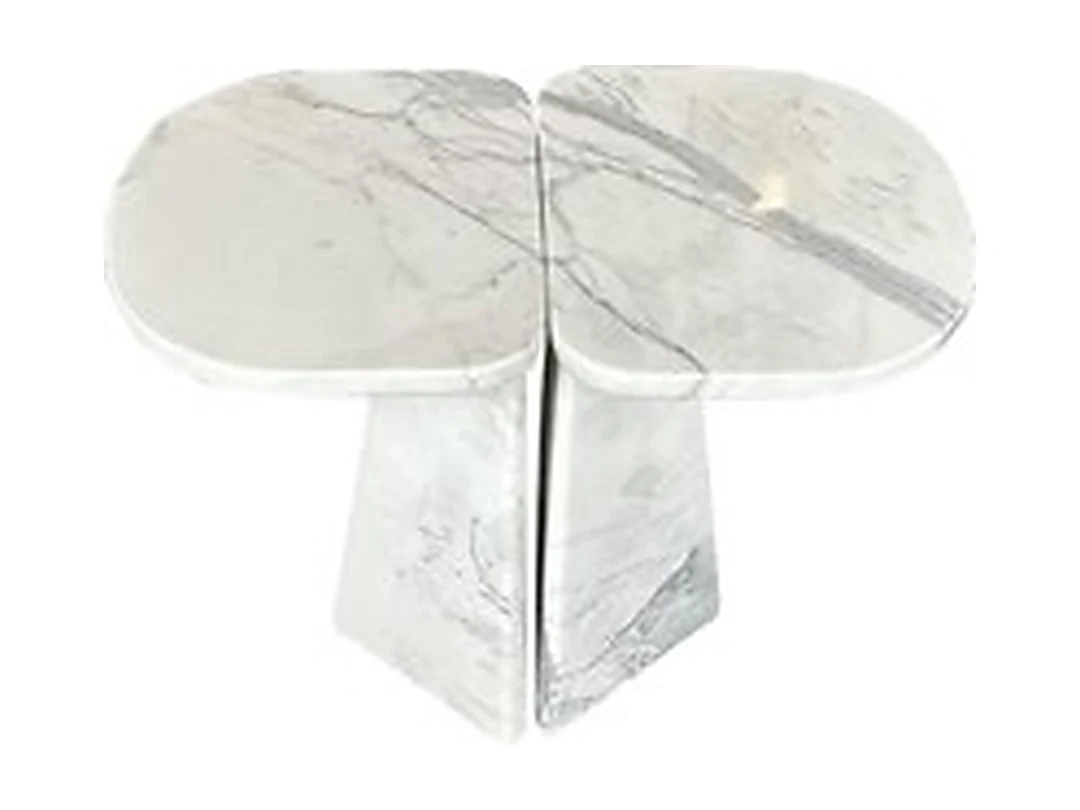
Side tables are where stone can be most personal — a marble side table beside a chair, a nightstand cut to the height of the mattress, a stool-form piece that moves between rooms. The collection includes pedestal tables with metal stems, three-leg forms and solid drums, each made to order in the stone and height your room needs.
Made to Order
Made to Order
Made to Order
Made to Order
Made to Order
Made to Order
Made to Order
Made to Order
Made to Order
Made to Order
Made to Order
Made to Order
Made to Order
Made to Order
Made to Order
Made to Order
Made to Order
Made to Order
Made to Order
Made to Order
Made to Order
Made to Order
Made to Order
Made to Order
Made to Order
Made to Order
Made to Order
Made to Order
Made to Order
Made to Order
Made to Order
Made to Order
Made to Order
Made to Order
Made to Order
Made to Order
Made to Order
Made to Order
Made to Order
Made to Order
Made to Order
Made to Order
Made to Order
Made to Order

Made to Order
Made to Order
Made to Order
Made to Order
Made to Order
Made to Order
Made to Order
Made to Order
Made to Order
Made to Order
Made to Order
Made to Order
Made to Order
Made to Order
Made to Order
Made to Order
Made to Order
Made to Order
Made to Order
Made to Order
Made to Order
Made to Order
Made to Order
Made to Order
FAQ
Level with the armrest, or within about 50 mm below it, that is the reach that makes putting a drink down thoughtless. Armrests commonly sit around 550–650 mm, which is why so many side tables cluster there; beside armless pieces, work from seat height instead and stay within roughly 100 mm of it. For bedside use, match the mattress top: within 50 mm either way keeps a glass and a phone reachable while lying down. Every table here is cut to order, so measure your actual armrest or mattress and give us the number, a side table at exactly the right height is one of the cheapest comfort upgrades a made-to-order model offers.
Very well, several forms in this collection are ordered as nightstands more often than as living-room pieces. The specification shifts slightly and usefully: height cut to your mattress line, a top sized for the honest bedside inventory (lamp, glass, phone, book, around 350–450 mm across covers it), and edges softened where a sleepy hand will find them. Stone earns its place at the bedside quietly: a cool surface for a water glass, real mass so the table never skitters when bumped in the dark, and a material that shrugs off cosmetics and hand creams once sealed. Pairs for both sides of a bed are cut from coordinated material so the veining reads as a set, ask for slab pairing at enquiry.
They span a genuinely wide range, and the honest answer lives in your quotation for the specific piece. Small pedestal designs with a metal stem carry most of their weight in the stone top and base and can be repositioned by one careful person; solid drums and monolithic stool forms are two-person lifts and are meant to be placed rather than shuffled. That mass is also the point, a stone side table never tips when leaned on and never slides when knocked. For pieces you expect to move often (following a reading chair around the light, say), tell us at enquiry: felt glides on the base and a weight-conscious form make “movable” a specification rather than a hope.
Three forms earn their footprint in tight rooms. Pedestal tables, a round top on a slim stem over a disc base, tuck over sofa legs and into corners because nothing at floor level fights the furniture around them. Drum and stool forms work as double agents: side table today, extra seat when guests arrive, which is a genuine space saving. And small-diameter rounds (300–450 mm) hold a lamp and a drink without claiming a walkway. What to avoid in small rooms is visual weight rather than actual size: open forms in lighter stones read smaller than dark monoliths of identical dimensions. Send the floor plan corner you are furnishing and we will size the top to the gap, not the other way round.
When you ask for a pair, yes, and it is worth asking, because “same stone name” and “matched pair” are different promises. A matched pair is cut from the same slab or from sequential material so the background tone and veining character genuinely correspond; the two tops are laid out together at cutting so the pattern reads as a family rather than a coincidence. The confirmation step makes it verifiable: pairs are photographed together at slab stage and again at dry inspection, so you approve the match before packing. This applies to flanking a sofa, both sides of a bed, and multi-piece sets across a room. State “matched pair/set” in the enquiry and the drawing and quotation will carry it explicitly.
Yes, when the proportions are engineered, which on these designs they are, visibly. Stability in a pedestal table comes from the base: a stone disc of sufficient diameter and mass keeps the centre of gravity low, the stem is fixed into both base and top rather than merely resting, and the top diameter is kept within the base’s tipping geometry. The practical result is a table that takes a leaned elbow and a full tray without complaint. What pedestals should not do is host standing loads or children’s climbing, true of any occasional table. If your use case is demanding (a busy family room, a hospitality floor), say so; base diameter and fixing specification can be increased on the drawing.
Yes, companion pieces are a routine commission, and the matching has two honest levels. Matching the stone family and finish (same named stone, same honed or polished surface, coordinated edge profile) is straightforward and convincing at room scale. Matching the exact veining of a table you already own is not fully possible, no two blocks repeat, but we select toward it: send daylight photographs of your existing piece, we photograph candidate material alongside, and you confirm the closest before cutting. If your existing table came from us, the internal record of its stone makes this faster still. Either way, the side table is drawn with proportions that relate to the parent piece, not just the same material.
Two objects, two habits. Under the lamp: a felt pad on the lamp base, because the daily micro-shuffle of a hard base is what puts fine scratches into a honed top, this single pad prevents most side-table wear we ever see. Under the drink: a coaster, because evening drinks are exactly the acids (wine, citrus, tonic) that etch calcium-based stone, and a side table collects them nightly. Beyond that, the standard stone regime applies at miniature scale: wipe spills promptly, clean with water or pH-neutral cleaner, keep the sealer topped up on the small surface, a one-minute job. Do this and the most-used table in the house stays the best-looking one.