

Key Takeaways
Marble rewards a gentle, consistent routine rather than aggressive cleaning. Small habits—wiping spills quickly, using soft materials and checking the finish—make a meaningful difference.
- Dust and wipe marble with soft, non-abrasive materials.
- Avoid acids, harsh chemicals, abrasive powders and rough objects.
- Treat stains promptly, but distinguish staining from etching.
- Use a suitable penetrating sealer to improve stain resistance.
- Adjust the maintenance routine to the table’s use and condition.
Understand your marble table before cleaning it
Before choosing a cleaner, look closely at the stone and its finish. Marble varies in porosity, veining, tone and mineral character, so a routine that suits one tabletop may not suit another. A little observation at the start helps prevent unnecessary intervention later.
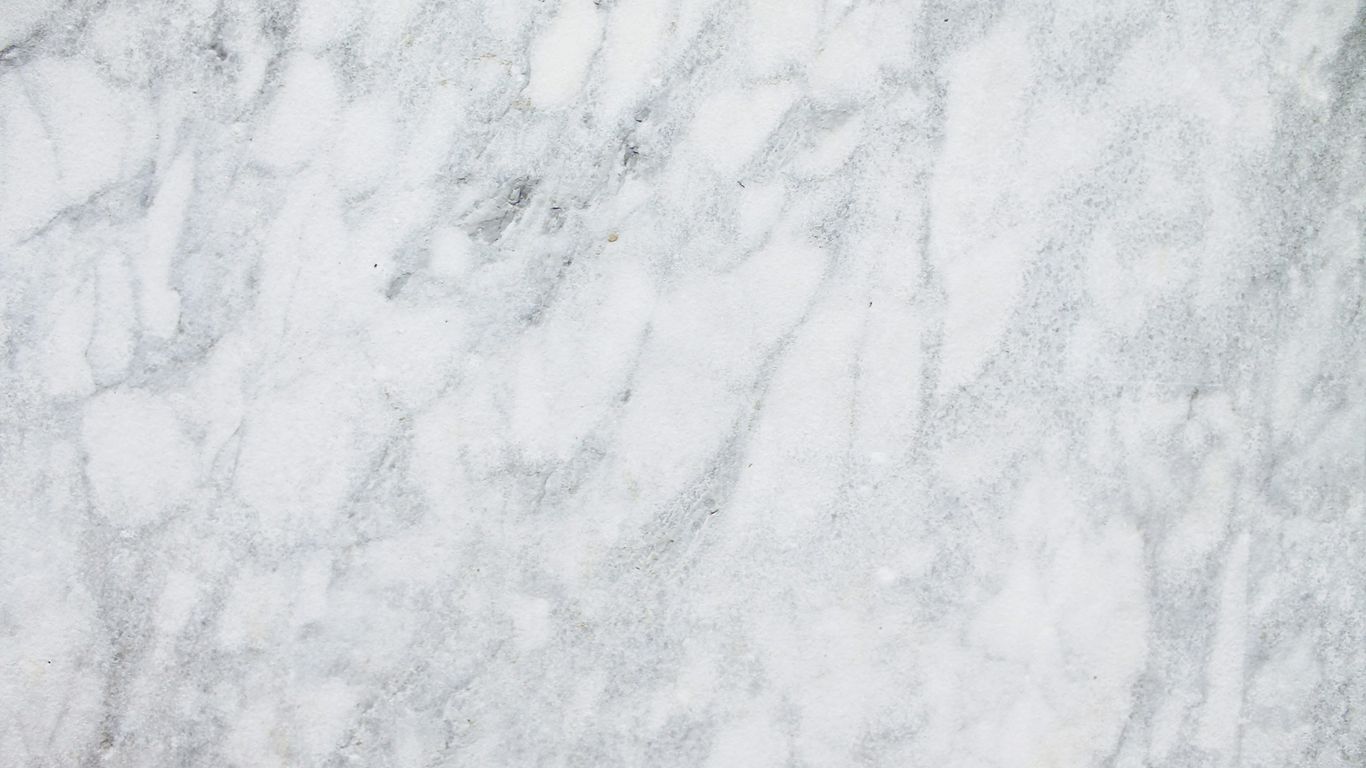
Identify the marble finish and surface condition
Run your eyes across the tabletop in natural light. Look for a reflective sheen, a soft matte appearance, existing dull patches, scratches, open marks or areas where liquid darkens the stone. Natural variation is not damage, but a new ring, cloudy patch or roughened spot may signal a surface issue.
If the table is newly commissioned, retain its material and finish information. Geoscenic Stone produces made-to-order pieces from an approved drawing, with the stone, finish, edges and dimensions confirmed for the individual project. That information can be useful when discussing future care or restoration.
Recognise the difference between honed and polished marble
Polished marble has a reflective surface that highlights colour and veining, while honed marble has a lower sheen and a smoother, more understated appearance. Polished stone may appear less absorbent, but it is still vulnerable to staining and acid damage. Honed stone can disguise light marks more readily, yet its more open-looking surface still needs prompt spill management.
The finish also changes how damage looks. An acid may leave a dull patch on polished marble, whereas the same change can be less obvious on honed marble. Care should therefore follow the actual finish rather than assumptions based on colour alone.
Check whether the surface is sealed
A simple water test can offer a rough indication, but it is not a substitute for the manufacturer’s guidance. Place a few drops of water in an inconspicuous area, leave them briefly, then wipe them away and watch for darkening. If the stone absorbs moisture quickly, it may need professional assessment or sealing, although an existing sealer can also be uneven or worn.
Do not use the test as permission to leave liquid sitting on the visible surface. Marble sealer slows absorption; it does not make the stone impervious. If the result is unclear, ask a stone professional to identify the finish and sealer condition.
Understand marble’s sensitivity to acids, heat and abrasion
Marble is a calcium-based natural stone, which explains its sensitivity to acidic substances such as vinegar, lemon juice and some cleaning products. Heat can stress the surface or affect finishes, while grit can create fine scratches as objects move across the table. Gentle handling matters most because repeated small abrasions are difficult to reverse at home.
A useful starting principle is to remove contamination without adding friction, chemicals or heat. That means lifting objects, using clean cloths and dealing with spills before they have time to penetrate.
Build a safe marble table cleaning routine
Good marble table maintenance is uncomplicated when the steps are done in the right order. Clear loose grit first, clean with a suitable neutral solution and dry the surface afterwards. The aim is to remove dirt without changing the stone’s finish.
Remove crumbs and dust without scratching the surface
Begin with a soft, dry microfibre cloth or a clean, soft brush. Move crumbs off the tabletop rather than grinding them into it, and shake the cloth away from the table before continuing. Grit trapped beneath a damp cloth can act like fine sandpaper.
For a larger dining table, work in sections and use a fresh side of the cloth regularly. Avoid paper towels that shed fibres and any rough pad intended for cookware or household scrubbing.
Choose a pH-neutral cleaner and soft cloth
Use clean water or a product specifically described as pH-neutral and suitable for natural stone. Apply the solution to the cloth rather than flooding the tabletop, then wipe with light, overlapping passes. A clean, colourless cloth reduces the risk of transferring dye or residue.
A marble care guide can be useful when comparing basic cleaning advice, but always give priority to the instructions supplied with your particular stone and finish. Test any unfamiliar product in a hidden area first.
Clean spills promptly, especially wine, coffee and citrus
Blot a spill with a soft cloth instead of wiping it outwards. Follow with a lightly damp cloth, then dry the area. Wine, coffee, tea, fruit juice and citrus deserve quick attention because colour and acidity create separate risks.
For a busy household, keep a small clean cloth near the table rather than relying on a deep clean later. Prompt action will not prevent every mark, but it limits the time a liquid has to enter the stone or react with its surface.
Dry the tabletop to prevent water marks and streaks
After damp cleaning, use a second dry cloth to remove remaining moisture. This is especially helpful around edges, joints and areas beneath objects where water can linger. Drying also reveals whether streaks come from residue, an unclean cloth or an uneven finish.
The following order keeps the routine simple:
- Clear objects and lift away loose debris.
- Blot spills before wiping the wider area.
- Clean with a pH-neutral solution and soft cloth.
- Rinse away any residue with a lightly damp cloth.
- Dry the tabletop completely.
The sequence matters because cleaning over loose grit or leaving solution to dry on the stone creates avoidable marks. Repeat the process gently rather than increasing pressure.
Avoid products and habits that damage marble
Many marble problems begin with an ordinary household habit rather than a dramatic accident. A product can appear effective while gradually dulling, etching or leaving residue on the surface. When in doubt, choose the least aggressive method that will remove the actual problem.
Why vinegar, lemon and acidic cleaners are unsafe
Vinegar, lemon juice and acidic sprays can react with marble and remove some of its surface sheen. The result is often called etching: a change in the surface rather than a coloured substance sitting on top of it. More product will not correct it, and scrubbing can make the patch more visible.
Keep acidic food and drinks on a tray or coaster, and wipe splashes as soon as they happen. Even a sealer does not make marble safe from acid attack.
How bleach, ammonia and abrasive powders affect the finish
Bleach, ammonia, multipurpose sprays, furniture polish and strong detergents may leave chemical residue or alter the appearance of the finish. Abrasive powders and scouring creams can scratch or wear the surface. Mixing cleaning products is particularly unwise because the resulting reaction may be difficult to predict.
For routine care, a neutral stone cleaner and clean water are usually a more controlled choice. If a mark persists, identify it before escalating the treatment.
Prevent scratches from grit, ceramics and rough objects
Ceramic bases, unglazed pottery, metal accessories and gritty objects can scratch marble when dragged. Lift items rather than sliding them, and wipe the underside of anything that sits on the table. Pay attention to grit carried in from outdoors, especially on frequently used coffee tables.
Felt pads can help beneath decorative objects, but they need regular checking. A pad that has collected sand or become damp can hold the very material it was meant to keep away from the stone.
Use coasters, placemats and trivets correctly
Coasters manage rings and condensation, placemats catch crumbs and cutlery, and trivets create distance from hot serving dishes. They should sit flat and remain clean, dry and easy to remove. Avoid rubber or dyed materials that may trap moisture or transfer colour over time.
Protection works best when it is practical enough to use every day. Leave space around a trivet or placemat so spills are visible, rather than hidden against the stone.
Remove common stains from a marble tabletop
Stain removal starts with diagnosis. A mark may be a residue, a substance absorbed into the stone, a metal transfer or an etched area where the surface itself has changed. Treating the wrong problem can spread the mark or create a second one.
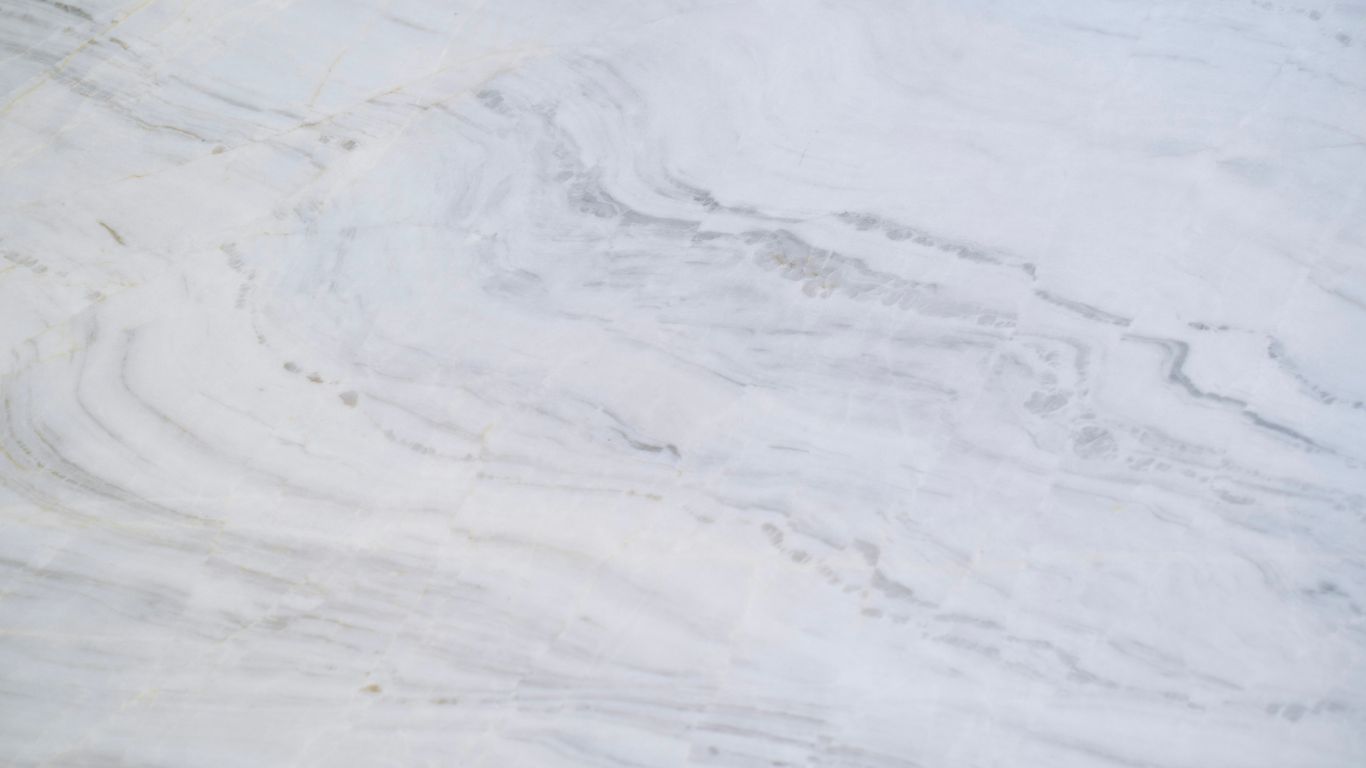
Treat organic stains such as coffee, tea and food
Blot fresh coffee, tea and food spills immediately, then clean with a neutral solution and dry the surface. If a shadow remains, avoid repeated scrubbing and do not reach for bleach automatically. The stain may need a controlled poultice or specialist treatment suited to the specific stone.
Take a photograph in even light before experimenting. It helps you compare the area later and gives a restorer clearer information if the mark does not lift.
Deal with oil and grease marks
Oil can darken marble and may spread beyond the original spill. Remove surface residue with an appropriate neutral stone cleaner, using a clean cloth and minimal moisture. Persistent marks often require a poultice that draws material from the stone, rather than a stronger surface cleaner.
Keep food oils, cosmetics and oily decorative products on trays where possible. A sealed surface may resist absorption for longer, but it still benefits from quick cleaning.
Tackle rust and metal transfer carefully
Orange marks from metal should be treated cautiously because some rust removers contain acids that can etch marble. Do not use a general bathroom rust product unless it is explicitly suitable for the stone. Light transfer may sometimes sit on the surface, while deeper rust can require specialist poulticing.
If the mark is close to a metal fitting, identify and remove the source of moisture before treating the stone. Otherwise, the discolouration may return.
Distinguish stains from etching and surface dullness
A stain changes colour, whereas etching usually appears as a pale, dull or roughened patch that follows the shape of the spill. A surface may also look cloudy because of residue or fine abrasion. Looking at the area from several angles helps, but it does not replace a professional diagnosis.
This distinction changes the remedy: cleaning may remove a residue, while etching generally needs honing, polishing or other refinishing. Do not keep applying stain products to a surface defect.
Know when to call a professional stone restorer
Call a restorer when a mark is deep, widespread, close to an edge, or accompanied by dullness and texture change. Professional help is also sensible for rust, repeated failed treatments or a valuable commissioned tabletop. Share the stone type if known, the finish, what caused the mark and which products have already been used.
A restorer can assess whether the surface needs cleaning, poulticing or mechanical refinishing. That is safer than testing increasingly strong chemicals on a visible area.
Seal marble to improve stain resistance
Sealing is a preventative measure, not a finish that makes marble indestructible. The right product can slow the passage of liquids into absorbent stone, giving you more time to wipe a spill. It cannot prevent etching, scratches or damage caused by heat and harsh chemicals.
What a marble sealer can and cannot do
A penetrating sealer enters the stone rather than forming a thick surface film. It may reduce staining, but performance depends on the marble’s porosity, the preparation, the application and the product itself. A sealed table still needs coasters, prompt spill care and gentle cleaning.
Do not seal over dirt, moisture, wax or an unresolved stain. The sealer may trap the problem or produce an uneven appearance.
Choose the right penetrating sealer for your table
Choose a product labelled for marble or natural stone and confirm that it suits the finish and intended indoor use. Read the technical instructions for coverage, curing time, ventilation and reapplication. Avoid choosing solely by a claim of maximum protection; compatibility matters more than the strongest-sounding label.
For a made-to-order piece, ask the maker or fabricator which sealer was used, if any, and whether a compatible product is recommended. Geoscenic Stone’s factory-to-order process includes material selection and finishing for a specific project, so care guidance should be matched to the supplied stone.
Prepare and test the surface before sealing
Clean the tabletop thoroughly and allow it to dry fully. Inspect it under good light for residue, stains, etching and scratches, then test the sealer in a discreet area. Check for darkening, streaking, tackiness or a change in sheen before proceeding across the whole table.
Do not seal a surface that is still damp or recently refinished. If the test looks uneven, stop and seek advice rather than trying to correct the appearance with another coat.
Apply the sealer safely and evenly
Follow the product instructions precisely, including ventilation and contact time. Apply an even amount with a suitable applicator, prevent puddles and remove excess before it dries. Work in manageable sections so the wet edge remains under control.
Keep the table out of use for the stated curing period. A sealer that feels dry may not yet have developed its intended resistance, so protect it from spills during that interval.
Test when the tabletop needs resealing
Resealing intervals vary, so use the condition of the stone rather than a fixed calendar date alone. After cleaning and drying an inconspicuous area, observe how quickly a small amount of water darkens the marble, then wipe it away. A faster response may indicate reduced resistance, but repeat the check cautiously and follow the sealer manufacturer’s advice.
If absorption is uneven or the finish has changed, professional assessment is preferable to layering on more product. Multiple incompatible applications can make later restoration harder.
Prevent everyday damage and wear
Prevention is mostly about controlling contact: heat, moisture, grit and movement. A table used for meals needs slightly different protection from one used occasionally for display. Good habits should fit the room, not make the furniture difficult to live with.
Protect the table from heat and moisture
Use a trivet beneath hot cookware and serving dishes, even if the item does not feel extremely hot. Keep vases, plant pots and bottles on a waterproof tray or coaster, and check underneath them regularly. Moisture trapped for hours can leave rings or dark patches.
Do not place heated appliances directly on marble unless the manufacturer specifically allows it. Sudden temperature changes are best avoided, especially around existing chips or repairs.
Use felt pads and lifting techniques when moving objects
Fit clean, appropriately sized felt pads beneath lamps, bowls and ornaments. Lift objects with both hands rather than dragging them, and ask for help with heavy pieces so the tabletop is not twisted or struck. Replace pads when they flatten, split or collect grit.
When moving the table itself, use the base or approved lifting points rather than pulling on the stone top. Heavy stone furniture should be moved with suitable equipment and enough people.
Manage spills and condensation during meals
Place coasters where drinks are actually used, not only where they look tidy. Blot spills, clear crumbs and wipe condensation before it sits under a glass or bottle. A small cloth at the table is often more effective than a larger cleaning session at the end of the evening.
For restaurants, hospitality settings and busy family dining areas, assign responsibility for clearing spills promptly. Consistency is more valuable than occasional intensive cleaning.
Keep decorative items from trapping dirt or water
Rotate vases and ornaments occasionally so you can inspect the area beneath them. Clean and dry their bases before replacing them, and avoid placing damp flowers, wet cloth or soil directly on the stone. Trapped debris can scratch the surface when an object is shifted.
Use trays for groups of small objects. They make lifting and cleaning easier while creating a clear boundary between the decoration and the tabletop.
Adjust care for high-use dining and work surfaces
A desk or dining table used every day needs more frequent dust removal and closer inspection than a lightly used side table. Keep stationery, dishes and equipment from accumulating grit, and use desk mats or placemats where repeated movement occurs. For a commercial setting, write the cleaning method into the site’s routine so staff do not improvise with unsuitable sprays.
Geoscenic Stone makes pieces to an approved drawing for a specific project, so dimensions, stone and finish can be considered alongside the intended use. That planning does not remove maintenance, but it helps the finished piece suit its setting.
Create a practical marble table maintenance schedule
A schedule turns care into a short, repeatable task rather than a reaction to damage. The right frequency depends on use, finish, household habits and the table’s environment. Keep the method gentle at every interval.
Follow daily and weekly cleaning steps
After meals or work sessions, remove crumbs, blot spills and wipe the surface with a soft cloth. Once a week, dust the whole tabletop, clean it with a suitable neutral solution if needed and dry it thoroughly. Inspect coasters, placemats and felt pads at the same time.
Avoid cleaning simply for the sake of cleaning. Over-wetting and repeated rubbing can create their own problems.
Inspect the surface during monthly checks
Once a month, view the tabletop in angled light and look for new rings, dull areas, scratches, chips, loose pads and trapped moisture. Check areas beneath lamps, vases and frequently moved objects. Record anything that changes rather than trying several products at once.
A simple table can clarify what you are seeing and what action is appropriate:
| Observation | Likely concern | Sensible next step |
|---|---|---|
| Dark mark after a spill | Absorption or residue | Blot, clean gently and monitor |
| Pale dull patch | Etching or abrasion | Stop scrubbing and seek advice |
| Orange discolouration | Rust or metal transfer | Remove moisture source and assess |
| Water darkens quickly | Reduced stain resistance | Check sealer guidance |
| Rough or chipped edge | Impact damage | Protect the area and consult a restorer |
The table is only a guide, not a diagnosis. If a mark is spreading or the surface feels different, professional advice is the safer next step.
Plan seasonal deep cleaning and resealing
At the change of season, clear the table fully, clean it gently and inspect the finish from several angles. Review whether the room has become more humid, whether the table is used more often, and whether moisture has been trapped beneath objects. Consider resealing only when the surface is clean, dry and suitable for the chosen product.
For outdoor or unusually humid conditions, follow the fabricator’s advice rather than assuming an indoor routine will be enough. Storage, ventilation and protection may matter as much as cleaning.
Record stains, repairs and changes in the finish
Keep a short care record with the date, location of marks, products used and any professional work completed. Add photographs when the light is consistent. This history prevents repeated experiments and gives a restorer useful context if the surface later needs attention.
For a project supplied by Geoscenic Stone, retain the approved drawing, material details and finish information with the care record. It keeps future conversations grounded in the particular piece rather than a similar-looking photograph.
Arrange Specialist Guidance
If your marble table needs a finish assessment, stain treatment or advice for a commissioned piece, request a quotation from Geoscenic Stone with the stone, dimensions, finish and destination details available. Clear information helps the team understand the individual project and its requirements.
Conclusion
Marble table maintenance is mostly a matter of restraint: remove grit before wiping, use neutral products, dry the surface and protect it from acids, heat and trapped moisture. Prompt attention will not erase every mark, but it can preserve the character of the stone while making genuine surface changes easier to identify and treat.
Frequently Asked Questions
How often should a marble table be cleaned?
Dust and wipe it as needed after use, with a more deliberate gentle clean weekly or whenever spills occur. High-use tables may need attention every day.
Can vinegar be used to clean marble?
No. Vinegar is acidic and can etch marble, leaving a dull or roughened patch rather than simply removing dirt.
Is washing-up liquid safe for a marble tabletop?
A small amount of mild, pH-neutral product may be suitable if the manufacturer permits it, but rinse away residue and dry the surface. A cleaner intended for natural stone is a more controlled choice.
How can I tell whether marble is stained or etched?
A stain usually changes the colour, while etching often appears as a pale, dull or roughened area that follows the shape of the spill. When uncertain, stop experimenting and seek an assessment.
Does sealing prevent marble from scratching?
No. Sealer can improve resistance to liquid absorption, but it does not protect against grit, dragged objects, abrasion or impact.
Can hot pans be placed directly on marble?
Use a trivet unless the specific stone and care instructions clearly allow direct contact. Avoid sudden temperature changes and protect areas with existing chips or repairs.
When should a professional restore marble?
Contact a professional for deep or spreading stains, rust, etching, widespread dullness, chips, cracks or marks that remain after gentle cleaning. Provide details of the stone, finish and products already used.