
Key Takeaways
Marble and travertine are both distinctive natural stones, but they suit different rooms, routines and design intentions.
- Marble offers expressive veining and a more polished, formal presence.
- Travertine brings warmth, visible pores and a quieter, organic texture.
- Both need sensible protection from stains, acids, standing moisture and impact.
- Finish, slab thickness, edge design and construction affect everyday performance.
- The best choice depends on use, upkeep, budget, proportions and the character of the room.
Understanding marble and travertine as furniture materials
Marble and travertine are often grouped together because both are natural stones associated with limestone. They are not interchangeable, however. Their formation, porosity, patterning and surface feel create noticeably different experiences in furniture. Understanding those differences makes the later decisions about care, cost and design much clearer.
How marble is formed and what makes it distinctive
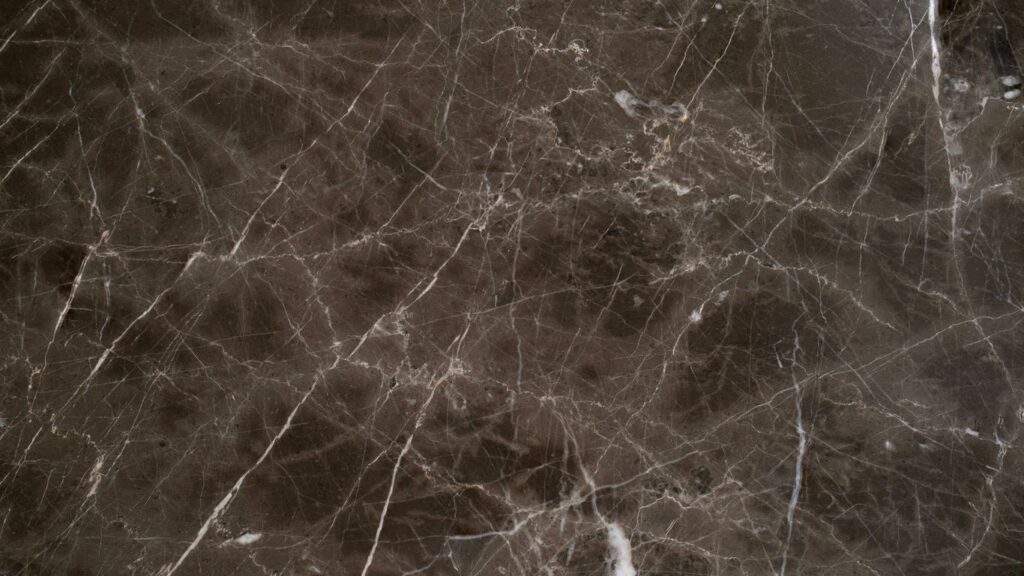
Marble begins as limestone that has been changed by heat, pressure and geological movement. During that process, the original structure recrystallises, producing a dense stone with a broad range of colours and mineral markings. Veins may be fine and linear or broad and dramatic, depending on the variety and the particular slab. This is why two pieces cut from the same general stone type can still have very different visual character.
For furniture, marble is valued for its depth, cool touch and ability to take a polished, honed or textured finish. It can feel architectural and formal, but a softly honed surface or warm-toned variety can also sit comfortably in a relaxed interior. The natural pattern should be reviewed as part of the design rather than treated as a background detail.
How travertine is formed and why its surface is naturally porous
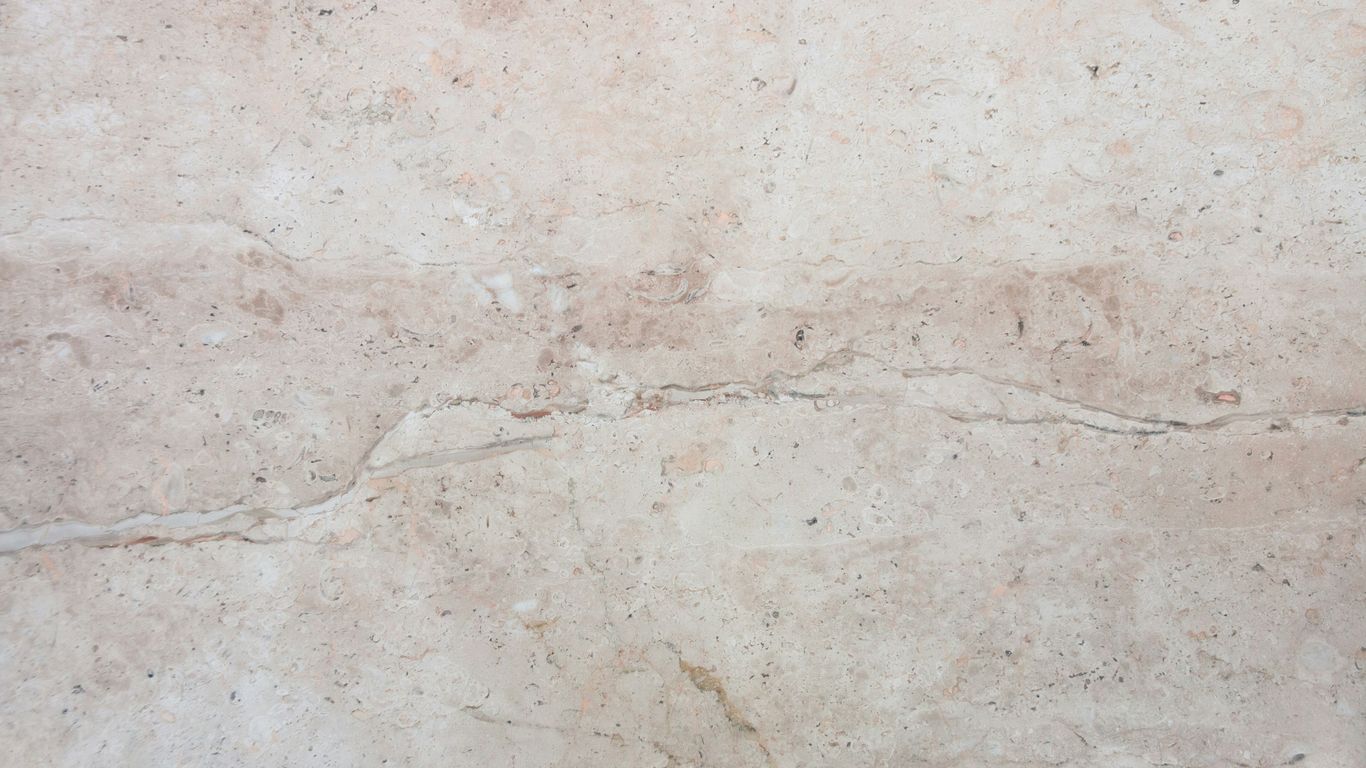
Travertine forms around mineral-rich water, including hot springs and limestone cave environments. Gases and water moving through the forming stone leave small cavities and channels, giving travertine its characteristic pores. Some pieces have open, visible voids; others are filled and finished to create a more even surface while retaining subtle variation.
That porosity is central to the material’s identity. It creates a tactile, gently weathered quality that feels less formal than highly polished marble. A useful introduction to the material’s formation and finishes is this travertine furniture guide, particularly when comparing filled, honed and more textured surfaces.
Key visual differences in colour, veining and texture
Marble commonly reads as a continuous field crossed by veins, although it can also be richly coloured or heavily figured. Travertine tends towards cream, beige, tan and warm grey tones, with movement created by pores, layers and soft mineral bands. The distinction is not absolute, so a specific slab or sample remains more informative than a general label.
Marble can reflect light strongly when polished, while travertine usually gives a softer, more grounded impression. Filled travertine can look relatively smooth, but it will still tend to show more tonal variation and small marks than a uniform manufactured surface. These differences are part of the reason natural stone feels individual rather than mass-produced.
How stone type affects the character of a furniture piece
The stone sets the emotional register of a piece. A marble table may become a crisp focal point in a dining room, while a travertine plinth or coffee table can make the same room feel quieter and more connected to natural materials. Neither is universally better; the useful question is whether the material supports the room’s proportions, light and daily rhythm.
For made-to-order work, the stone decision also affects edge profiles, joins, cut-outs and the relationship between slab movement and the furniture’s shape. A large round top, for example, may present veining very differently from a narrow console. Samples and approved drawings help turn a broad preference into a realistic, specific result.
Comparing durability and everyday performance
Both stones are substantial materials capable of serving in furniture when they are correctly selected, fabricated and supported. Their performance is influenced by more than hardness alone: thickness, span, corner details, finish, substrate and installation all matter. A family coffee table and a hotel reception surface may need different specifications even if they use similar stone.
Resistance to scratches, chips and general wear
Marble and travertine can both scratch or chip under sufficiently hard impact, especially at exposed corners and thin edges. Polished marble may show fine surface marks more readily because its reflective surface highlights changes, while honed finishes tend to disguise small abrasions. Travertine’s natural texture can make minor variation less conspicuous, though its pores and filled areas still require care.
The vulnerable points are often practical rather than dramatic: dragging objects, knocking a corner during delivery, or placing concentrated weight on an unsupported span. A well-designed base, appropriate thickness and carefully eased edge reduce those risks. Natural variation should be expected, but avoidable fabrication or handling damage is a separate matter.
How each stone responds to heat and moisture
Stone generally tolerates ordinary warmth better than many timber or synthetic surfaces, but sudden temperature changes and prolonged heat are still unwise. Use trivets beneath hot cookware and avoid treating a furniture top as a direct cooking surface. Moisture is less concerning when wiped promptly, but repeated standing water can darken porous areas or leave marks, particularly on travertine.
Bathrooms, kitchens and humid climates therefore call for a considered finish and maintenance plan rather than a blanket assurance that any stone will perform identically. Sealing can reduce absorption, but it does not make a natural surface impervious to every substance.
Which material is better suited to high-use furniture
There is no universal winner in the marble vs travertine discussion for high-use furniture. Marble may suit a formal dining table or reception desk where its visual clarity is central, while filled and honed travertine can be a forgiving choice for a relaxed living space. The precise variety, finish and construction are as important as the stone family.
For busy settings, consider the likely contact points, cleaning routine and tolerance for visible change. A surface that is expected to remain visually pristine may demand more attention than one designed to develop a gentle patina. The decision should be made with the intended use, not just a photograph, in mind.
The impact of finish and thickness on durability
Finish changes how a surface looks and how wear appears. Polished stone reflects more light and can make colour and veining vivid; honed stone has a quieter sheen and often feels less formal; textured finishes add grip and tactile depth but may hold dust or require more careful cleaning. Thickness and edge treatment affect both perceived solidity and resistance to knocks.
A robust specification also considers the base, fixing points, overhangs and access route. A heavy top can be perfectly suitable once supported correctly, yet difficult to move through a narrow stairwell. Those practical decisions belong in the production drawing, not as an afterthought during delivery.
Maintenance and care requirements
Natural stone maintenance is manageable when it is built into normal household habits. The core principles are simple: remove spills promptly, use mild products, avoid abrasive tools and follow the sealing advice for the selected stone. Travertine usually asks for more attention to pores and water marks, while marble is particularly vulnerable to acids and etching.
Cleaning marble without damaging the surface
Dust marble with a soft cloth and clean it with a pH-neutral stone cleaner or a small amount of mild soap diluted in water. Wipe away residue rather than allowing moisture to pool, then dry the surface with a clean cloth. Lemon juice, vinegar, descaling products and acidic bathroom cleaners can dull or etch marble, even when the spill seems harmless.
A polished finish does not remove the need for care. It simply changes the way marks are seen. Before using a new product across a visible top, test it in an inconspicuous area or follow the fabricator’s specific recommendation.
Cleaning and sealing travertine effectively
Travertine benefits from gentle cleaning that does not strip its protective treatment or lodge residue in its pores. A soft brush can help with textured areas, while filled and honed surfaces usually respond well to a damp microfibre cloth and suitable neutral cleaner. Sealer can reduce absorption, but it wears over time and should be renewed according to use, product and manufacturer guidance.
Open pores may be part of the intended finish rather than a defect. If they are filled, the filler can still vary slightly in tone and may need local attention after wear. The practical aim is not to make travertine look artificial, but to keep it clean and reasonably protected.
How to prevent stains, etching and water marks
Prevention is easier than restoration, especially on pale stone. Use coasters, mats and trivets where appropriate, and avoid leaving wet containers or metal objects on the surface for long periods. Wipe coffee, wine, oils and coloured cosmetics promptly, since porous or light-coloured stone can absorb them.
For a household or project team, a short care routine is usually enough:
- Blot spills instead of wiping them across the surface.
- Use neutral, non-abrasive cleaning products.
- Keep acidic foods and cleaners away from unprotected stone.
- Renew sealer when the surface begins absorbing water noticeably.
These habits reduce avoidable marking without asking the furniture to remain untouched. They also help distinguish normal tonal change from a stain that needs specialist treatment.
Long-term maintenance differences between the two stones
Marble’s main long-term concern is etching, particularly on polished surfaces exposed to acidic food or cleaning products. Travertine’s porous structure makes sealing, drying and attention to filled areas more prominent. Both may eventually show small scratches or changes from use, and a professional refinisher may be able to hone or repolish suitable surfaces.
Maintenance should be discussed before commissioning, especially for hospitality, rental or commercial settings. A finish that looks beautiful in a showroom may not be the most practical choice for every cleaning regime. Clear expectations are part of good material selection.
Choosing between marble and travertine for different furniture
Furniture type changes the balance between appearance, exposure and practicality. A low coffee table may face knocks and spills, while a console may mainly need to carry decorative objects. Kitchens, bathrooms and outdoor settings add moisture, temperature changes and cleaning demands. The best choice follows the use case rather than a simple ranking of stones.
Dining tables and coffee tables
Dining tables place the stone in constant contact with plates, cutlery, drinks and food. Marble can provide a strong centrepiece, particularly where expressive veining is part of the room’s design, but it rewards prompt cleaning and sensible protection. Travertine gives a warmer, more relaxed feel and can work well with timber or upholstered seating.
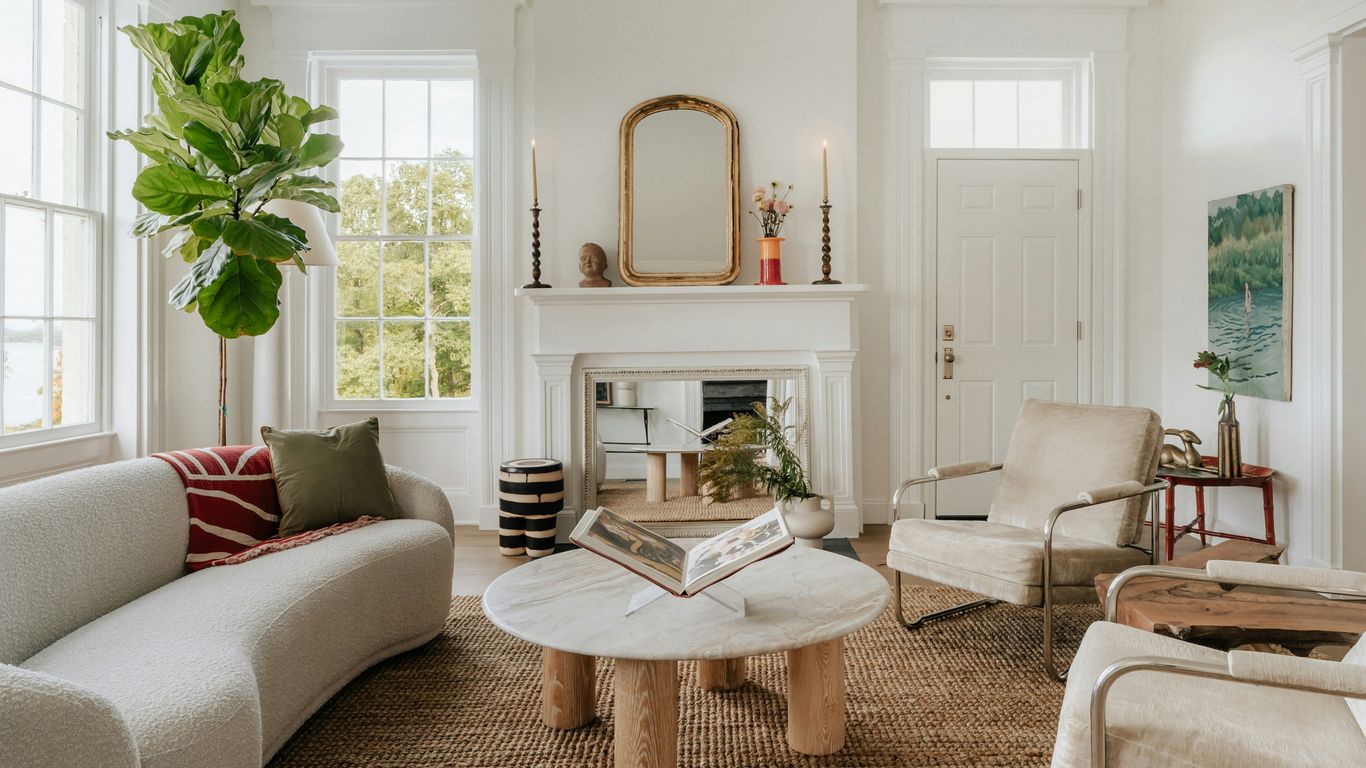
Coffee tables need equal attention to scale and circulation. Rounded edges may be useful in tight seating layouts, while a textured or honed finish can make everyday marks less conspicuous. For ideas about proportion, edge details and base design, this marble coffee table guide offers a useful related reference.
Console tables, side tables and desks
Console and side tables usually experience less direct food contact, but their corners, overhangs and weight still matter. Either stone can work when the support structure is engineered for the top and the finished piece can be moved safely. A desk adds another consideration: writing, equipment, spills and long periods of contact may favour a low-sheen finish over a highly reflective one.
Narrow furniture can also make veining appear more directional. Ask to review the intended cut and orientation, particularly when a piece has a strong pattern or a waterfall edge. The right decision is as much about composition as material performance.
Indoor furniture for kitchens and bathrooms
Kitchen furniture needs a realistic conversation about acids, oils, heat and repeated wiping. Marble can be beautiful for an island or occasional surface, but it is not maintenance-free. Travertine may suit a warm, tactile scheme, provided pores, sealing and water exposure are addressed in the specification.
Bathrooms bring cosmetics, soap, water and humidity into close contact with the stone. Honed or textured finishes can create a softer appearance, while polished finishes may be easier to wipe but more likely to reveal water marks or etching. Drainage, tap positions and joins should be resolved before fabrication.
Outdoor furniture and changing weather conditions
Outdoor furniture faces ultraviolet light, rain, dirt, temperature changes and sometimes freeze-thaw conditions. Travertine’s earthy appearance often sits naturally in gardens and terraces, while marble can provide a more formal look. Neither should be selected for an exposed setting without considering local climate, finish, drainage and the advice of the stone supplier.
Where weather exposure is substantial, removable covers and prompt drying can extend the life of the piece. The installation surface also matters: standing water beneath a heavy top can create problems even when the stone itself is sound.
Design, style and interior compatibility
Material selection is part of an interior’s composition, not an isolated purchase. Consider the floor, wall colour, joinery, upholstery, lighting and hardware alongside the stone. Marble often contributes contrast and visual movement; travertine usually contributes warmth, texture and a quieter connection to architecture.
When marble works best in contemporary and luxurious interiors
Marble is a natural fit for contemporary spaces that need a clear focal point. Strong veining can anchor a restrained room, while pale marble can reflect light and make a substantial table feel more open. It also suits interiors where polished metal, glass or tailored upholstery provide a deliberate counterpoint.
Luxury does not require the most dramatic slab. A calm stone with carefully proportioned edges may feel more enduring than a highly figured surface competing with every other element. For more on made-to-order selection, dimensions and finishes, see this guide to bespoke marble furniture.
When travertine suits rustic, organic and minimalist schemes
Travertine works well when the room depends on tactile surfaces, muted colour and a sense of ease. Its pores and tonal shifts pair naturally with limewash, timber, woven textiles and plaster. In minimalist rooms, a simple travertine form can add depth without introducing a strong graphic pattern.
The stone can also support a more architectural interior. A monolithic side table or console in warm travertine may soften crisp lines while preserving a restrained silhouette. The finish determines whether the result feels refined, rustic or somewhere between the two.
Matching stone furniture with wood, metal and upholstery
Stone is most successful when another material helps balance its visual and physical weight. Warm wood can make marble feel more welcoming; brushed metal can sharpen travertine; linen, wool and leather can soften either surface. Consider colour temperature as well as material: a cool grey stone may need warmer surrounding tones to avoid a stark result.
Base design is especially influential. A slender metal frame can lighten a thick top, while a solid pedestal may make a pale surface feel more architectural. These relationships should be judged at full scale where possible, because samples alone cannot show the complete proportion.
Choosing between polished, honed and textured finishes
Polished finishes heighten colour, depth and reflectivity, but they can show fingerprints, glare and etching. Honed finishes are softer and more understated, with a tactile matt quality that can suit everyday furniture. Textured finishes add grip and natural character, although their cleaning requirements may be greater.
Choose based on both the desired image and the way the surface will be touched, cleaned and lit. A finish sample viewed beside the intended upholstery and flooring is often more useful than a generic label. This is where the visual and practical sides of the marble vs travertine decision meet.
Cost, sourcing and sustainability considerations
The price of a stone furniture piece reflects much more than the material name. Slab availability, selection time, dimensions, thickness, pattern matching, edge work, base construction, packing and destination all influence the quotation. A lower material price does not necessarily mean a lower finished cost if fabrication or access is complex.
Comparing the typical cost of marble and travertine furniture
Travertine is often available in a broad range of grades and tones, while particular marble varieties can command a premium because of scarcity, demand or distinctive movement. That does not make every travertine piece inexpensive or every marble piece costly. A substantial travertine table with complex shaping may cost more than a simple marble top.
For custom furniture, compare like with like: same dimensions, thickness, edge profile, finish, base, delivery conditions and installation assumptions. A quotation that separates these elements is easier to assess than a single unexplained figure.
How rarity, colour and stone quality affect price
Rare colours, consistent backgrounds and highly sought-after veining can raise the value of a slab. So can the need to select a larger piece with enough usable area for a particular table or matching detail. Natural fissures, pores and mineral marks are not automatically quality failures; their suitability depends on the design and the agreed tolerance.
Ask how the selected slab will be reviewed and whether the final cutting plan will be approved. The goal is not perfect uniformity, which natural stone cannot promise, but an informed decision about the stone’s actual character.
Transport, manufacturing and installation costs
Stone is heavy, so packing, lifting, freight, customs arrangements and site access can materially affect the overall budget. A large top may require special crating or additional labour at the destination. Stairs, lifts, narrow doors and unfinished flooring should be considered before production begins.
A factory-to-order maker can account for the individual dimensions and destination, but delivery and installation terms still need to be read carefully. They may be priced separately or depend on the site conditions described in the quotation. This clarity is particularly useful for overseas projects.
Questions to ask about ethical sourcing and environmental impact
Ask where the stone comes from, how it is selected, what happens to offcuts and how the piece is packed for transport. It is also reasonable to ask whether the supplier can provide clear information about the quarry or distributor and the manufacturing process. Environmental impact includes extraction, processing, transport and the longevity of the finished piece.
Durability can be part of a responsible decision: a well-made piece kept for many years may avoid replacement, though that should not be used to disguise avoidable waste. Geoscenic Stone describes made-to-order marble, travertine and onyx pieces produced for individual projects, with material selection, production and export-ready crating considered as part of the process.
How to decide between marble vs travertine
A sound decision starts with the room and the routine, then moves to samples, drawings and a realistic quotation. Neither stone removes the need for care, and neither guarantees an unchanged appearance over time. The aim is a piece whose material character remains satisfying as it becomes part of daily life.
Assessing your room, lifestyle and practical needs
Start by recording the furniture’s dimensions, position, access route and likely users. Consider children, pets, entertaining, cleaning habits, direct sunlight, humidity and the amount of contact the top will receive. A lightly used console allows different choices from a family dining table or hospitality counter.
Then look at the room’s existing materials. If it already contains strong pattern, a quieter travertine may restore balance; if it lacks a focal point, marble may provide the needed movement. Practical context should narrow the choice before aesthetic preference makes it feel inevitable.
Balancing appearance, upkeep and budget
The most attractive option on a sample may not be the easiest one to live with. Compare the effect of polished, honed and textured finishes, and ask what cleaning and resealing will involve over several years. Include the base, edge, packing, delivery and installation in the budget rather than treating them as minor additions.
A useful comparison is to rank your priorities: visual movement, warmth, low visibility of marks, minimum maintenance, price or long-term flexibility. The ranking need not be perfect, but it makes trade-offs visible and helps a designer or fabricator give more relevant advice.
Checking the quality of the stone and construction
Inspect the actual sample or slab where possible, looking at colour, veining, pores, filled areas and any natural fissures. Ask how the top will be supported, how edges will be finished and how cut-outs or joins will be handled. Confirm the dimensions in an approved drawing, including tolerances and the relationship between the stone and its base.
Construction quality matters as much as the stone label. A beautiful slab cannot compensate for poor support, an unsuitable overhang or an installation route that has not been planned. Clear drawings and written specifications protect both the appearance and the function of the finished piece.
Making the final choice for long-term value
Choose marble when its veining, reflectivity and formal presence genuinely suit the space and you accept the care that comes with it. Choose travertine when warmth, pores and an organic surface better express the room and its use. If both remain plausible, let the actual slab, finish sample and full project quotation decide rather than relying on a general rule.
Long-term value comes from suitability. A piece that is correctly sized, well supported, sensibly finished and honestly specified can remain useful and compelling even as small signs of life appear on its surface.
Conclusion
Marble and travertine can both make exceptional furniture, but they offer different balances of movement, texture, maintenance and atmosphere. Review the stone in context, define the construction clearly and account for delivery and care before committing; when the concept is ready, you can request a quotation for a piece tailored to the project.
Frequently Asked Questions
Is marble more durable than travertine for furniture?
Neither is automatically more durable in every application. The stone variety, finish, thickness, support, edge design and expected use all affect performance, while both materials can scratch, chip or stain if neglected.
Which stone is easier to maintain, marble or travertine?
Both need gentle, pH-neutral cleaning and prompt attention to spills. Marble is especially sensitive to acidic products and etching, while travertine generally requires more attention to pores, sealing and water marks.
Does travertine always have visible holes?
No. Travertine may have open pores, or those pores may be filled before honing or polishing. Even when filled, subtle tonal variation and the stone’s layered character usually remain visible.
Can marble and travertine be used for dining tables?
Yes, both can be used for dining tables when the top, base and edge are properly designed. Daily protection from acidic foods, hot objects, spills and impact will help preserve the surface.
Which stone suits a minimalist interior?
Either can work. Quiet, lightly veined marble creates a crisp and refined effect, while softly coloured travertine adds warmth and texture without requiring a strong pattern.
Is polished stone better than honed stone?
Not universally. Polished stone offers more reflection and visual depth, while honed stone has a softer appearance and may make minor surface marks less prominent. The better finish depends on the room and routine.
What should I check before ordering natural stone furniture?
Check the actual material character, dimensions, thickness, finish, edge profile, support, access route, packing, delivery terms and care requirements. Confirm these details in the quotation and approved production drawing.