
Key Takeaways
Made-to-order marble furniture is shaped around the room, the way it will be used and the practical realities of delivery. The most successful pieces balance the character of natural stone with careful planning.
- Define dimensions, function and access before choosing the slab.
- Compare marble with granite, quartzite and engineered stone according to daily use.
- Treat veining, tone and mineral marks as natural variations, not defects.
- Confirm drawings, edges, finishes, support and installation requirements before fabrication.
- Protect the finished surface with suitable cleaning, sealing and maintenance habits.
Understanding marble furniture in Singapore
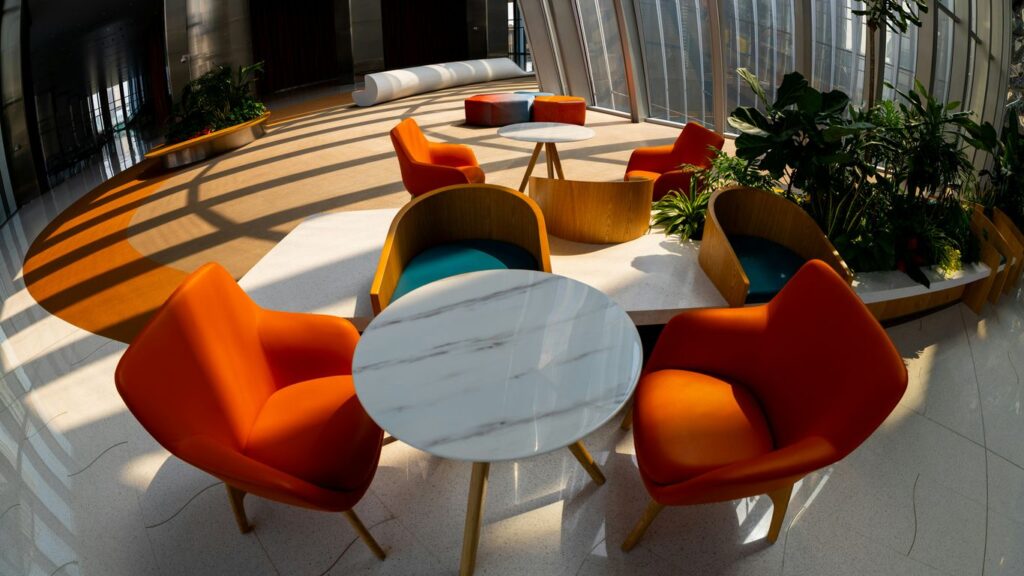
Marble furniture in Singapore can range from a dining table cut to a particular room, to a console, vanity or occasional table formed around an existing interior scheme. Made-to-order work is less about choosing a generic shape and more about resolving the relationship between stone, structure and space. The process should account for how the piece will be used, moved and maintained. Geoscenic Stone produces made-to-order furniture and architectural pieces in travertine, marble and onyx, with each piece made for a specific project.
What qualifies as a made-to-order marble piece
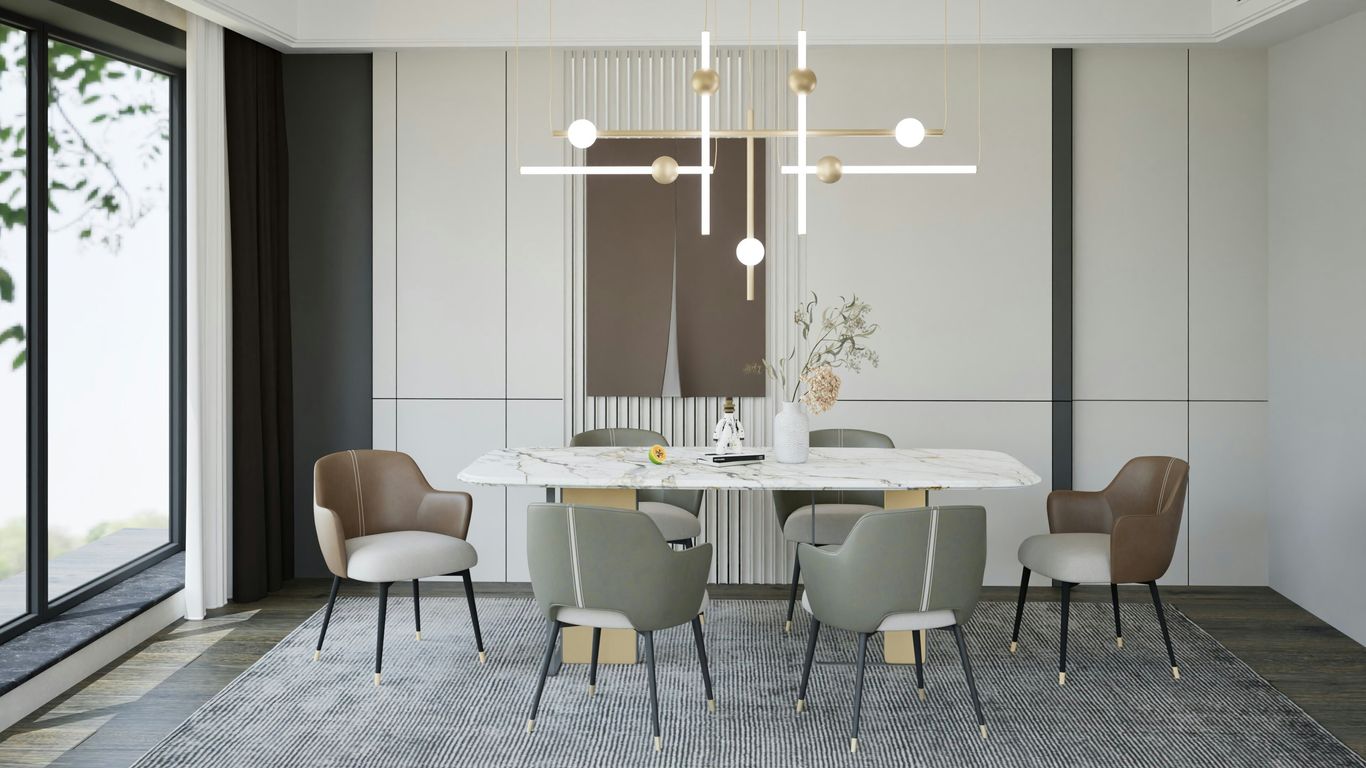
A made-to-order piece begins with a defined brief rather than a finished item waiting in a warehouse. The client and maker confirm the dimensions, stone, finish, edge treatment, drillings and supporting details, usually through a production drawing. Material is selected for the order, then the piece is cut, formed, finished, inspected and packed for its destination. That approach is useful when a room has an unusual footprint or when the furniture needs to coordinate with architectural elements.
The drawing is not just an administrative step. It gives everyone a shared reference for thicknesses, junctions, overhangs and tolerances before stone is worked. It also makes clear which details remain subject to natural variation, since a photograph cannot guarantee identical veining or tone.
Marble, granite, quartzite and engineered stone compared
These materials can all suit furniture, but they behave differently and create different visual effects. Marble is prized for its veining and softer, often more tactile appearance; granite generally offers a granular pattern and a hard-wearing surface; quartzite can combine dramatic movement with substantial hardness; engineered stone provides a more controlled manufactured appearance. The right choice depends on the balance between appearance, use, maintenance and budget.
A dining surface that will receive frequent service may call for a different finish and care routine from a lightly used console. For a broader comparison of natural and engineered options, this marble dining table buyer’s guide is a useful place to consider room size, finishes, access and fabrication together.
Why natural veining makes every piece unique
Stone is formed by geological processes, so its colour, figuring, pores and mineral marks are not printed onto a uniform sheet. Veins may alter direction across a slab, become stronger near an edge or disappear into a quieter field. Even two pieces cut from the same block can look different. This is part of the material’s character, but it should be discussed clearly before approval.
For projects where the surface is visually prominent, ask how the slab will be oriented and whether book-matching or vein alignment is appropriate. The aim is not to eliminate variation, but to make deliberate decisions about how it appears across the finished piece.
Where marble furniture works best in Singapore homes
Marble can anchor an open-plan dining area, soften a compact living room with a slim coffee table or give a private study a sense of permanence. It works particularly well when the room has enough visual calm for the stone to be read as a material rather than background decoration. Proportions matter: a thick top can feel imposing in a small flat, while a carefully scaled round table may improve movement around a tight dining zone.
Think beyond the room label and consider sightlines, chair clearance and everyday routes. A piece should look composed from the sofa, entrance and kitchen, not only from the viewpoint used for a photograph.
Choosing the right natural stone for your furniture
Stone selection is both a visual and practical decision. Start by considering the room’s light, surrounding materials and expected use, then narrow the choice through samples or slab photographs that show the material honestly. A polished surface reflects more light, while honed and leathered finishes tend to feel quieter and may reveal variation differently. There is no universally best stone; there is only a better fit for a particular brief.
Matching marble types to your interior style
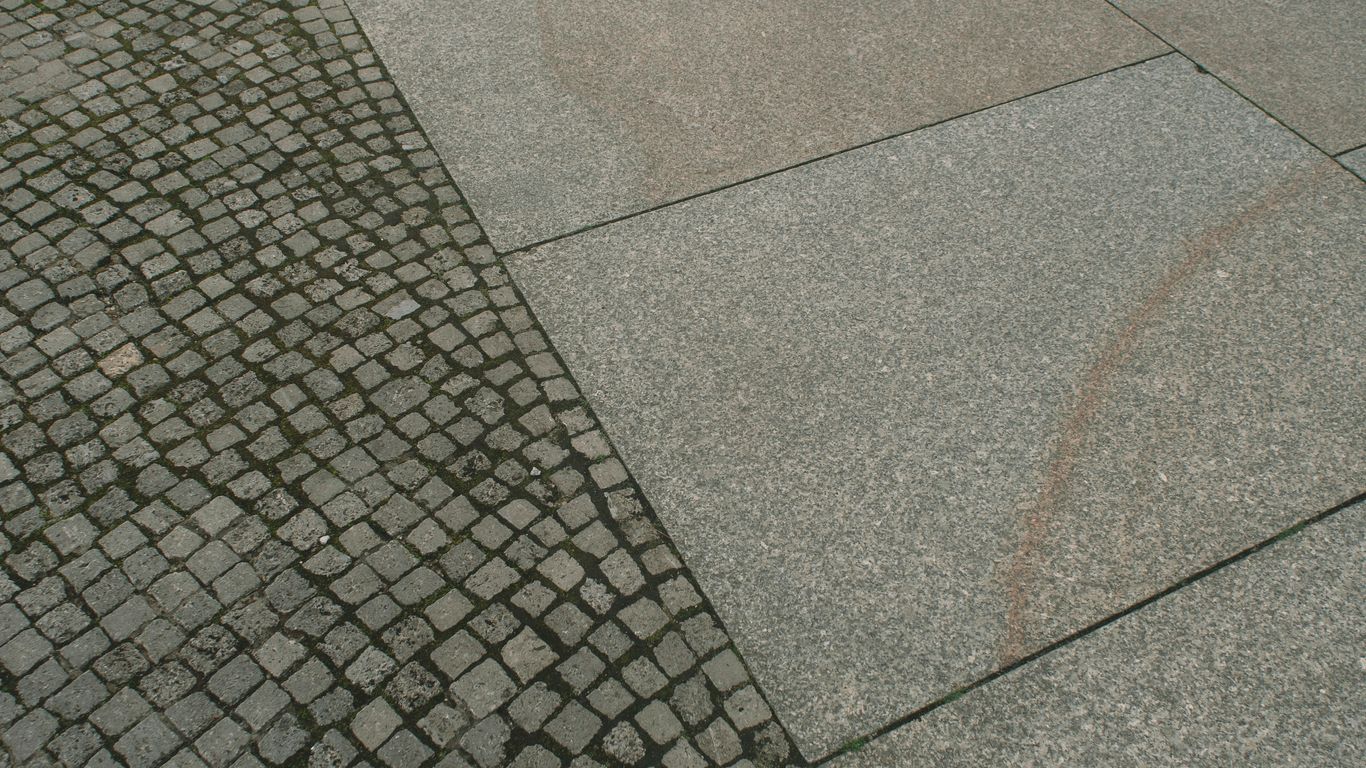
White and pale marbles can support restrained interiors, especially where timber, upholstery or warm lighting prevents the room from feeling cold. Darker stones create contrast and can make a smaller object feel more graphic. Strongly veined slabs work as a focal point, but they need enough surrounding space to remain legible. When selecting a stone, look at the whole slab rather than relying on a small sample alone.
A useful method is to compare the stone against the actual floor, cabinetry and wall colours. Natural daylight and evening lighting may reveal different undertones, so a decision made under showroom lighting deserves a second look at home.
Light, dark and patterned stones for different spaces
Light stone can help a compact room feel visually open, although it may show marks more readily. Dark stone brings depth to a large dining room or reception setting, while patterned stone can give a console or island a strong identity. The scale of the pattern should relate to the furniture: a restless surface on a very small top may look busy, whereas a large slab can carry movement with ease.
Consider the background as well as the top. A dramatic stone may need a simple base and uncluttered styling, while a quiet marble can accommodate more sculptural legs or contrasting accessories.
How porosity, hardness and finish affect daily use
Porosity describes how readily a stone can absorb liquids, while hardness relates to resistance against scratching and abrasion. Finish changes the experience too: polished stone is reflective and smooth, honed stone is softer in appearance, and textured finishes can make marks less visually obvious while requiring careful cleaning. These properties should be discussed alongside the household routine rather than treated as technical details in isolation.
For a dining table, think about hot dishes, acidic foods, glasses and children’s activities. For a vanity, consider cosmetics, toiletries and standing water. A realistic care routine is part of choosing well, not a reason to expect natural stone to behave like a synthetic surface.
Questions to ask about slab origin and stone quality
Ask to see the proposed slab or a clear record of its colour, movement and notable marks. Clarify whether the quoted piece includes a particular thickness, finish, edge profile and any matching or alignment work. It is also sensible to ask how small imperfections, repairs or filled areas will be assessed before production. Clear approvals prevent surprises later, especially when the stone is the main visual element.
The following questions make a useful starting point when reviewing a quotation or material proposal:
- Which slab or batch has been selected for this specific piece?
- Where will the strongest veins and mineral marks appear after cutting?
- What finish and edge treatment are included in the quotation?
- How will the stone be packed and protected during delivery?
The answers should connect the material choice to the finished furniture, not simply list a stone name. If the design is still evolving, retain room in the brief for a final slab review before cutting begins.
Planning a made-to-order marble furniture design
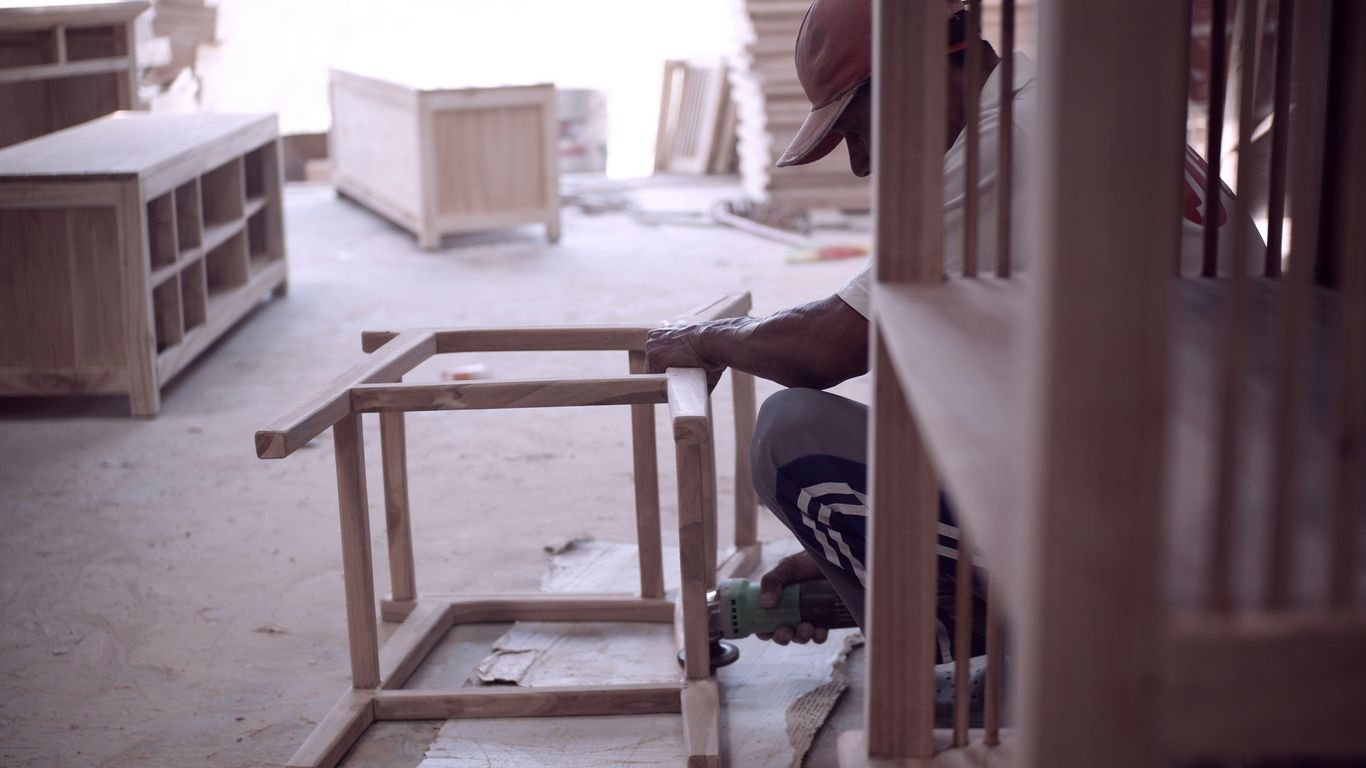
Good custom work starts with a practical brief. Record the room measurements, preferred use, surrounding furniture, access route and any services that affect the design. Then allow the stone, base and finish to work together instead of selecting each element separately. Geoscenic Stone’s factory-to-order process covers material selection, cutting, forming, finishing, inspection, packing and delivery for a specific project.
Defining the furniture’s size, function and proportions
Begin with the activity around the piece. A dining table needs comfortable seating and circulation, a coffee table needs clearance from the sofa, and a console should not obstruct a doorway or walkway. Measure the available footprint, but also consider visual weight, legroom, reach and the height of nearby furniture.
For a bespoke piece, small adjustments can make a large difference. A slightly reduced depth may improve circulation, while a carefully positioned pedestal can provide more useful seating than four corner legs. Draw these decisions rather than leaving them to site interpretation.
Selecting edge profiles, surface finishes and supporting materials
Edge profiles affect both appearance and touch. A sharp modern edge gives a clean line, while a softened or radiused edge can feel more comfortable in a family setting. Surface finish influences reflection, colour and maintenance, and the support must carry the stone without making the piece feel visually heavy.
Discuss the relationship between top thickness, edge detail and base construction as one decision. The same slab can appear delicate with a recessed support or substantial with a deep waterfall edge, so isolated samples may not show the final effect accurately.
Combining marble with wood, metal or glass
Marble often feels more balanced when paired with a material that introduces warmth, lightness or contrast. Timber can soften a stone dining table, metal can provide a crisp structural line, and glass can reduce visual weight around a base. The combination should also make sense for cleaning, movement and long-term contact between materials.
Pay attention to junctions. Different materials expand, contract and mark at different rates, so the connection should be resolved in the drawing rather than improvised during installation. A quiet transition is usually more convincing than too many decorative details.
Checking templates, drawings and approval samples before fabrication
Before cutting begins, review the production drawing at a scale that makes dimensions and details understandable. Confirm overall size, stone orientation, thickness, edges, cut-outs, drillings, base position and any installation tolerances. If a sample or slab image is provided, treat it as evidence of variation rather than a promise of an identical final pattern.
A careful approval stage protects both sides. It gives the maker an agreed instruction and gives the client an opportunity to correct a dimension before it becomes a costly physical change.
Exploring marble furniture for different rooms
The best use of marble is not necessarily the most dramatic one. A stone piece should support the room’s routine, withstand the contact it will receive and leave enough space for people to move comfortably. In Singapore homes, where living areas often perform several functions, flexible proportions are especially valuable. Consider the room at busy times as well as when it has been styled for a photograph.
Dining tables designed around household routines
Choose the table shape according to circulation, seating and conversation. Round tables can make movement feel easier and avoid sharp corners, while rectangular designs may use a long room efficiently. The base should leave adequate legroom, and the top should suit the number of people who will actually sit there rather than an occasional maximum gathering.
For a more detailed look at diameter, seating and circulation, this guide to a round marble dining table can help frame the early measurements. Confirm the final dimensions against chair arms, nearby cabinetry and the route from the entrance to the dining area.
Coffee tables and side tables for compact living rooms
A coffee table needs to relate to the sofa in both height and footprint. Leave enough clearance for knees and walking routes, and avoid choosing a top so large that it dominates the rug or blocks access to storage. A pair of smaller tables may be easier to move and more adaptable than one heavy centrepiece.
The stone’s visual movement matters here because the viewing distance is close. A quiet surface can calm a busy living room, while a strongly veined top may work best with simple upholstery. This coffee table sizing guide offers a practical way to think about circulation and everyday use.
Marble kitchen islands, consoles and countertops
Kitchen islands and countertops demand careful attention to overhangs, joints, cut-outs and contact with food and liquids. A console may have a lighter duty, but it still needs stable support and a top proportionate to its depth. In both cases, the surrounding cabinetry and services should be surveyed before the stone is finalised.
Where a top includes a sink, hob or tap drilling, small dimensional errors can affect installation. Confirm appliance specifications and site conditions early, and keep the maintenance expectations clear for everyone using the space.
Bespoke vanities, desks and statement pieces
A vanity, desk or sculptural table gives more freedom to use distinctive veining, unusual geometry or a carefully framed edge. Function still leads the design: a desk needs comfortable knee space and cable planning, while a vanity needs usable storage and protection around wet areas. The more expressive the form, the more valuable a precise drawing becomes.
These smaller pieces can also carry a material language through a home without repeating one identical pattern. Matching tone, finish or edge detail may be enough to create continuity while allowing each item to remain individual.
Accounting for Singapore’s climate and living conditions
Singapore’s warm, humid conditions make ventilation, cleaning and material choices worth considering from the start. Natural stone is not a maintenance-free substitute for every surface, and air-conditioning can create different conditions from an open balcony or entrance area. The goal is not to eliminate change, but to specify a suitable material, finish and support system. Good installation planning is as important as the slab itself.
Managing humidity, heat and air-conditioning changes
Stone furniture should be kept away from situations where water repeatedly sits on the surface or where sudden temperature changes are likely to stress connected materials. The stone itself is only one part of the assembly; timber, metal fixings, adhesives and the building environment also influence long-term performance.
Use coasters, mats and ventilation where appropriate, and avoid placing a piece so close to a heat source that the surface is exposed to concentrated warmth. Ask the fabricator about the complete construction rather than judging suitability from the stone name alone.
Preventing stains from food, drinks and toiletries
Wipe spills promptly, particularly wine, coffee, oils, acidic dressings and strongly coloured toiletries. Absorption depends on the stone and finish, so a sealed surface can still require sensible habits. Bathroom pieces benefit from dry storage and good ventilation, while dining furniture needs a routine that is easy for the household to follow.
Do not test an unfamiliar cleaner on the visible face. Keep a small care note with the furniture so guests, cleaners and future occupants know which products and methods are appropriate.
Choosing stable bases and suitable structural support
A marble top is heavy, and its weight must be distributed through a base designed for the actual dimensions and overhangs. Support should be stable on the finished floor, with connections that allow for safe handling and installation. A visually slender base is possible, but it still needs proper engineering and careful load paths.
Pay attention to levelling as well. Uneven support can create rocking, stress at joints or uncomfortable use, especially on larger dining tables and long consoles. Structural decisions belong in the approved drawing, not only in the workshop.
Planning access for delivery in apartments and condominiums
Measure lifts, corridors, door openings, stair turns and the final room before fabrication. A top that fits the room may still be impossible to manoeuvre through a narrow lift or around a tight landing. Check building booking rules, loading bays, protective coverings and the timing allowed for installation.
Breakouts or sectional construction may be possible for some designs, but that decision affects joints, appearance and cost. Resolve access while the piece can still be adjusted, then include the agreed delivery and installation assumptions in the quotation.
Understanding the cost of custom marble furniture
The price of a natural stone piece reflects more than the area of the top. Stone selection, thickness, pattern, shaping, edge work, support, packing, delivery and access can all change the total. A custom quotation should therefore be read as a project calculation rather than a simple per-metre material price. Geoscenic Stone’s quotations account for the individual piece, its weight, packing, destination, site access and any installation requirements.
What influences the price of a natural stone piece
Size and thickness are obvious factors, but shape and fabrication can be just as influential. Curves, mitred edges, book-matched surfaces, cut-outs and multiple sections require additional planning and workmanship. A distinctive slab may also have more usable and unusable areas depending on the design.
When comparing prices, ask whether the proposal includes the same finish, edge, base, packing standard, delivery assumptions and installation scope. Otherwise, a lower headline figure may simply describe a less complete specification.
Comparing imported slabs with locally available options
An imported slab can offer a particular colour, origin or pattern, while a locally available material may simplify timing or reduce transport-related complexity. Neither route is automatically better. The decision should consider availability, inspection opportunities, lead time, slab size, continuity of supply and how much variation the project can accept.
Material origin is only one part of quality. Review the actual stone proposed, its condition and its suitability for the intended finish and use. A well-selected slab that supports the design is usually more valuable than a prestigious name that does not suit the brief.
Allowing for fabrication, finishing, delivery and installation
Make sure the quotation separates or clearly describes fabrication, finishing, packing, delivery and installation. Site access can affect labour and handling, particularly in apartments or projects with restricted loading times. Taxes, duties and other destination charges should not be assumed unless the individual quotation states that they are included.
This is where a detailed drawing and access survey become financially useful. They reduce the chance of late changes, failed delivery attempts or an installation team arriving without the information needed to complete the work.
Deciding when custom-made furniture offers better value
Custom work tends to make most sense when standard dimensions leave awkward gaps, when a particular stone needs to be framed carefully or when several elements must coordinate. It can also be worthwhile for a long-term centrepiece whose proportions and material will be lived with every day. The value lies in fit, clarity and durability of the decision, not simply in making the item more elaborate.
Compare the cost with the consequences of compromise. A slightly higher initial price may be reasonable if it resolves access, seating, storage or alignment issues that would otherwise remain visible for years.
Caring for and maintaining marble furniture
Natural stone rewards ordinary, consistent care more than aggressive treatment. Dust, wipe spills promptly and use products suited to the specific stone and finish. Maintenance should be explained at handover so that the person cleaning the furniture understands what can damage it. With sensible habits, small signs of use can be managed without losing the character of the material.
Sealing marble and establishing a maintenance schedule
Sealing can reduce the rate at which some stones absorb liquids, but it does not make marble stain-proof or remove the need for prompt cleaning. The appropriate schedule depends on the stone, finish, use and sealer selected. Ask for care guidance suited to the actual piece rather than applying a generic calendar.
Keep a record of when the surface was last assessed or sealed. High-use dining and kitchen areas may need closer attention than a lightly used side table, while a bathroom vanity should be checked for standing water and edge wear.
Cleaning products and techniques that protect the surface
Use a soft cloth, clean water where suitable and a pH-neutral stone cleaner recommended for the surface. Avoid abrasive pads, harsh acids, strong bleach mixtures and untested household products. Wipe rather than scrub, and dry areas where water tends to collect around edges or fittings.
The finish affects how marks appear, but not the need for care. A polished surface may show etching as a change in reflection, while a honed surface can show a different type of dull patch; both should be treated gently.
Handling spills, etching, scratches and small chips
Blot spills instead of spreading them, then clean the area with the approved method. Etching is a chemical change to the surface rather than a conventional stain, and scratches or chips may require a specialist assessment. Do not use abrasive powders to chase away a mark, since that can enlarge the affected area or alter the finish around it.
For small incidents, note what caused the mark and how long it remained before contacting the fabricator or stone specialist. That information can help identify whether the issue is staining, etching, impact damage or ordinary surface wear.
Knowing when professional restoration is needed
Professional help is appropriate when a large area has become dull, a chip exposes a vulnerable edge, a seam has shifted or a stain remains after suitable cleaning. Restoration may involve local repair, honing, polishing, resealing or, in some cases, replacing a section. The method should be chosen to match the original finish and the practical condition of the piece.
Before work begins, ask what improvement is realistic. Natural variation will remain, and a repair may be visible from certain angles even when the surface is structurally sound.
Make Your Stone Brief
If you are planning a made-to-order marble piece, request a quotation with your dimensions, preferred stone, finish, access details and intended use so the proposal can address the whole project.
Conclusion
A successful marble furniture project joins the expressive character of natural stone with disciplined decisions about proportion, support, access, cost and care. When those details are agreed before fabrication, a made-to-order piece can feel settled in the room from the day it arrives while still retaining the natural variation that makes it individual.
Frequently Asked Questions
Is marble furniture suitable for Singapore homes?
Yes, provided the stone, finish, support and maintenance routine suit the intended use. Humidity and frequent spills make sensible care and good installation planning especially useful.
What is the difference between made-to-order and ready-made marble furniture?
Made-to-order furniture is produced to an agreed brief, with dimensions, stone, finish and construction confirmed for a particular project. Ready-made furniture uses predetermined specifications and may offer fewer opportunities to adjust the piece to a room.
How should I choose between marble, granite and quartzite?
Compare their appearance, hardness, porosity, finish options and expected use. The best selection depends on the room and routine rather than on a material being universally superior.
Does marble need to be sealed?
Some marble surfaces benefit from sealing, but sealing does not make them immune to stains or etching. The need and interval depend on the stone, finish and level of use, so follow guidance for the specific piece.
Can a marble table be made for a compact flat?
Yes. Dimensions, shape, base position and delivery access can be planned around the room. Round or reduced-depth designs may improve circulation where a large rectangular table would feel restrictive.
How can I prevent stains on a marble surface?
Wipe spills promptly, use suitable cleaners, avoid leaving wet or strongly coloured substances on the surface and use coasters or mats where helpful. Do not rely on a sealer as a substitute for everyday care.
What should I check before ordering custom marble furniture?
Confirm the measurements, stone, slab variation, finish, edge, support, approval drawing, packing, delivery route, installation scope and any additional destination charges. These details help align the finished piece with both the design and the practical conditions of the site.