
Key Takeaways
A well-sized round marble coffee table should support the room rather than compete with it. Measure the seating zone, test the footprint, and consider both daily use and the visual weight of the stone.
- Measure the seating area and circulation routes, not only the full room.
- Start with a table diameter of roughly two-thirds of the sofa length.
- Keep the tabletop close to sofa-seat height for comfortable everyday use.
- Account for marble’s weight, natural variation, maintenance and base design.
- Confirm every dimension, finish and access requirement before ordering.
1. Start with your living room layout and available space
The right table begins with the space around it, not with a catalogue dimension. A round top can soften a room and make movement feel easier, but it still needs a generous area to function properly. Measure the zone occupied by the seating, then work out how much room remains for walking and opening furniture. This gives you a more useful starting point than measuring the entire living room.
Measure the seating area rather than the entire room
Take the length and depth of the main sofa, then include any armchairs, ottomans or chaise sections that shape the conversation area. The usable footprint is the space inside and immediately around this arrangement, rather than every spare centimetre beside a television console or dining area. A smaller room may suit a compact table even when its overall floor area seems generous.
Map out sofas, armchairs and walkways
Mark the edges of each seat and identify the natural route between the entrance, sofa and other parts of the home. Round tables remove sharp corners, but they do not remove the need for clearance. Circulation matters as much as diameter, particularly when people regularly carry drinks, move between rooms or sit in more than one position.
Account for doors, drawers and other furniture
Check the swing of nearby doors, drawers in a media console and the reach of recliner mechanisms. A table that fits while everything is closed may become awkward when storage is in use. Also consider floor lamps, plant stands and side tables, since these can make the apparent gap around the coffee table feel much tighter.
Use a floor plan or masking tape to test the footprint
A simple scaled floor plan is useful, but masking tape on the floor often gives the clearest sense of proportion. Mark the proposed outside edge, walk around it and sit on every seat. Leave the tape in place for a day if possible; the repeated experience will reveal whether the footprint interrupts movement or feels unnecessarily small.
2. Choose the right round coffee table diameter
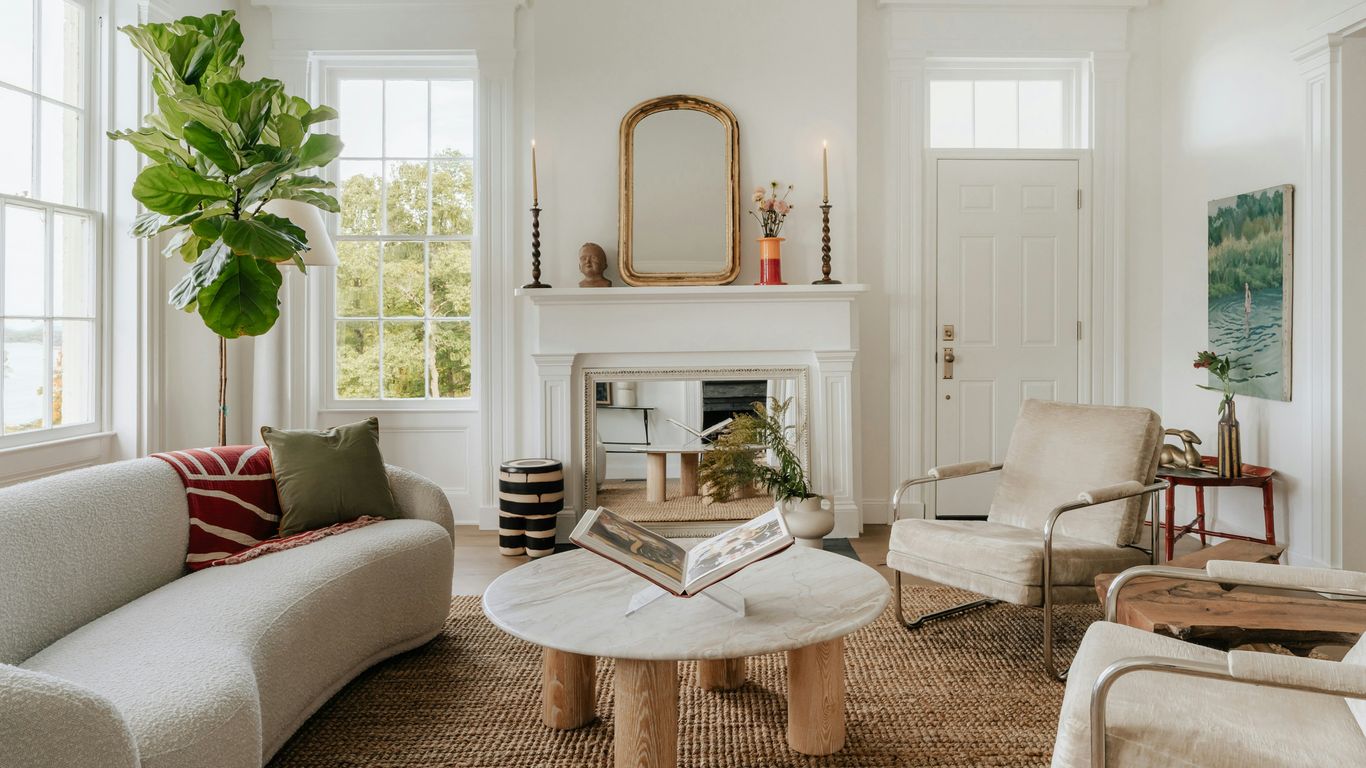
Diameter controls both the presence and usefulness of a round coffee table. Too small, and the table can look lost between a large sofa and rug; too large, and it can dominate the seating area. The best choice depends on the sofa length, the surrounding clearance and how many people need to use the surface. Compare dimensions in the room rather than relying on the label “small” or “large”.
Match the table size to your sofa length
A useful starting point is to choose a table around two-thirds the length of the sofa. This leaves the ends visually open while giving most seats access to the tabletop. It is a guide, not a fixed rule: a compact sofa with broad arms may need a slightly smaller table, while a long, low sofa can carry a wider top.
Compare compact, medium and large table diameters
Compact tables often sit comfortably in smaller sitting rooms, while medium diameters suit a standard sofa-and-armchair arrangement. Large tables can work in broad, open settings where the seating wraps around them. Compare the actual diameter with the sofa length and rug dimensions, because a difference of 10 or 15 centimetres can change the balance considerably.
Leave enough clearance around the tabletop
Keep enough space between the table edge and the nearest seating for people to sit down and stand up without twisting around it. The exact clearance will depend on the furniture and the room, but a visibly open band around the tabletop is a better target than filling every gap. The round outline should make movement feel relaxed, not force people through a narrow channel.
Adapt the size for open-plan living rooms
In an open-plan room, the table needs to relate to more than the sofa. Compare it with the dining table, kitchen island and main walking routes so that the living area feels intentionally scaled. A slightly larger table may anchor a generous lounge, while a smaller one can preserve a clear visual and physical connection between zones.
3. Get the coffee table height right
Diameter gets most of the attention, but height determines whether the table feels comfortable. A tabletop that is too low can make reaching awkward, while one that is too high may compete with the sofa and feel more like a side table. Look at the seat height, cushion softness and the way the room is used. Marble adds a solid visual presence, so a considered height helps keep the overall form calm.
Match the tabletop to the sofa seat height
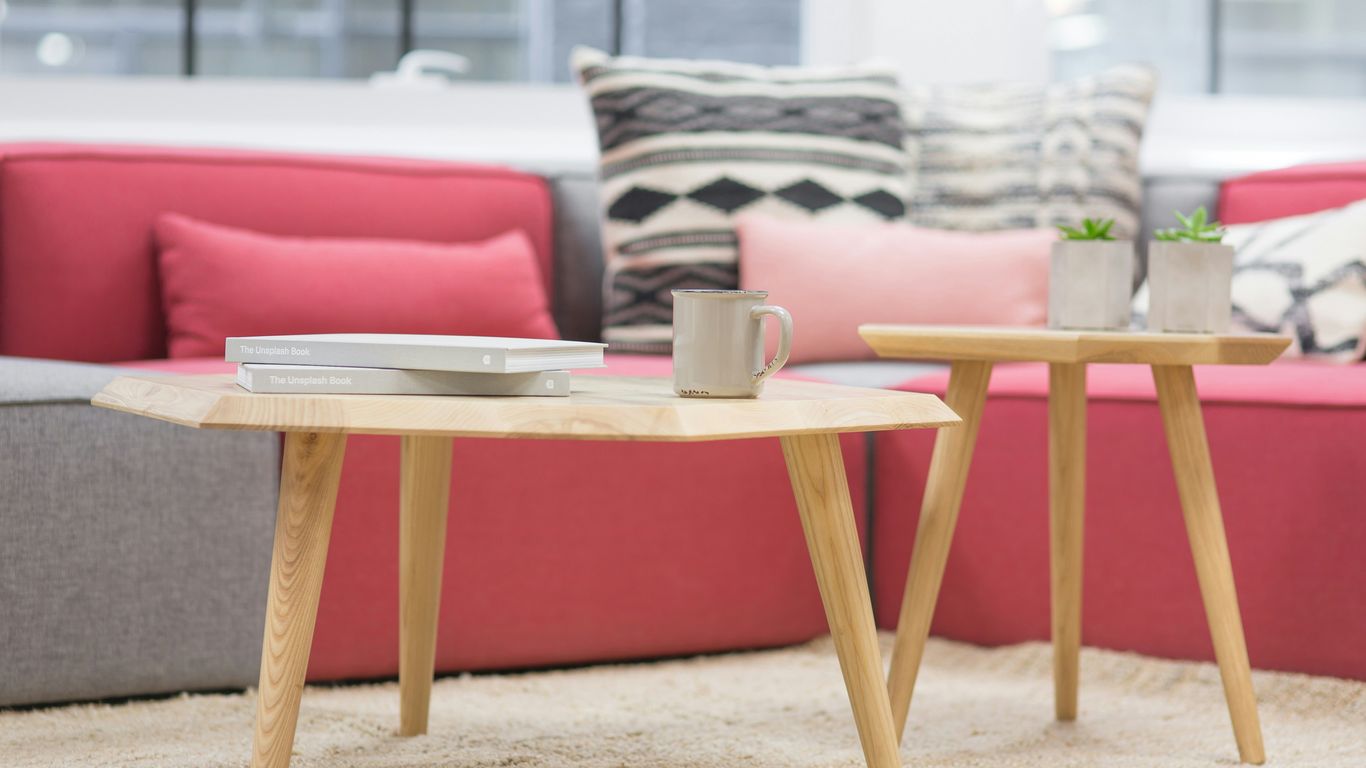
Measure from the floor to the top of the seat cushion rather than to the sofa frame. Many living rooms work well when the coffee table is level with the seat or slightly lower, though a particularly soft sofa may compress when occupied. If the table is commissioned, record both the uncompressed and practical sitting heights before confirming the drawing.
Decide between a lower modern profile and a standard height
A low table creates a relaxed, horizontal look and can suit low-profile seating. A more standard height is often easier for everyday meals, board games or work on the sofa. Consider the room’s other furniture too; a very low table may look disconnected from upright armchairs or a tall media unit.
Consider comfort when reaching for drinks and snacks
Place a book or tray at the proposed height and test it from each seat. Think about reaching forward without leaning heavily, especially for older household members or anyone with limited mobility. The best height is the one that supports the room’s real habits, not simply the one that photographs well.
Check how the height works with occasional seating
Poufs, floor cushions and low stools can alter the experience of the same tabletop. If guests often sit close to the table, make sure knees and legs have enough room and that the edge does not feel intrusive. Occasional seating should be tested alongside the sofa, not treated as an afterthought.
4. Balance marble’s visual weight with the room
Marble is visually substantial even when the top is slim. Its colour, veining and edge profile can make a table seem larger or more prominent than its measurements suggest. The base also changes how much of the floor remains visible beneath it. Balance the physical dimensions with the visual density of the stone and the furniture around it.

Choose a diameter that suits the table’s base
A broad top needs a base that feels stable without making the whole piece look heavy. Conversely, a delicate pedestal can be overwhelmed by an oversized stone surface. View the diameter and base as one composition, checking the proportions from standing height as well as from the sofa.
Compare slim pedestal bases with wider supports
A slim pedestal leaves more floor visible and can help a substantial top feel lighter. Wider supports provide a stronger architectural presence and may suit a large room with generous furniture. Consider how the base affects legroom and cleaning access, not just its silhouette.
Consider how veining and colour affect perceived size
Pale stone can blend into a light interior, while darker stone or strong veining may draw attention to the tabletop’s full outline. Natural stone varies in tone, figuring and mineral marks, so a photographed sample should not be treated as a promise of an identical pattern. Request material confirmation and review how the selected stone will sit with the room’s colours.
Pair the table scale with rugs, sofas and lighting
The table should sit comfortably within the rug and relate to the sofa’s visual mass. A small table on a large rug may look adrift, while a large top beneath a low pendant can make the centre of the room feel crowded. Lighting, upholstery and surrounding casework all contribute to the perceived scale.
5. Select a practical size for everyday use
A coffee table earns its place through repeated use. It may hold morning coffee, remote controls, books, flowers, snacks and a serving tray within the same day. Marble offers a durable, tactile surface, but its weight and care requirements should be considered alongside its appearance. Plan for the ordinary routines of the household rather than an idealised, perfectly clear room.
Plan space for drinks, décor and serving items
Sketch the items that normally occupy the table and leave some uncommitted surface around them. A single centrepiece can look elegant, but a table that has no room for two mugs and a plate will become frustrating. Keep décor low enough to preserve sightlines across the seating group.
Decide whether one table or nesting tables works better
One round table gives the room a clear centre and a stable visual anchor. Nesting tables offer flexibility when guests arrive, though their combined footprint and storage position still need to be measured. If the room changes often, movable smaller pieces may be more useful than one large, heavy top.
Allow for children, pets and busy household routines
Think about rounded edges, stable bases and the paths children or pets take through the room. Keep fragile objects away from the most active route and check whether the proposed table leaves a safe alternative path around the seating. These practical decisions often favour a slightly smaller diameter.
Consider the weight and mobility of a marble tabletop
A marble top can be difficult to shift once installed, especially in a compact apartment or a room with narrow access. Confirm the finished weight, packing method, lift dimensions and any stair or doorway restrictions before ordering. With a made-to-order piece from Geoscenic Stone, the approved drawing and quotation should account for the individual piece and destination requirements rather than assuming a standard item.
6. Choose a round marble coffee table for Singapore homes
Singapore homes often require careful planning around compact living rooms, lifts, corridors and combined living-dining areas. A table may fit on paper yet be difficult to bring through the building or position around existing furniture. Local conditions also make routine cleaning and spill management worth considering. When comparing a round marble coffee table singapore option, assess the complete journey from selection to placement.
Measure typical apartment living rooms accurately
Record the room’s clear internal dimensions, then measure lift doors, unit entrances, corridors and any tight turns. Include skirting boards and door hardware where they reduce the available width. A scaled plan should show the sofa, table, rug, balcony route and dining connection rather than only the central open area.
Plan around compact layouts and limited circulation space
In a smaller flat, choose a diameter that preserves a direct route between the entry, kitchen and balcony or bedroom corridor. Round edges can make this route feel less abrupt, but the base may still create a pinch point. A careful tape test is especially useful when the sofa is close to a wall or storage unit.
Consider humidity, spills and everyday maintenance
Natural stone should be cared for according to its material and finish. Wipe spills promptly, use suitable coasters and confirm the recommended cleaning method before placing acidic or strongly coloured items on the surface. Ask about sealing, edge treatment and maintenance guidance for the particular stone selected rather than assuming every marble behaves in exactly the same way.
Compare local options when shopping for a round marble coffee table in Singapore
Compare actual dimensions, stone selection, base construction, lead time, packing and access requirements rather than looking only at the diameter and price. A local guide to marble dining table selection can also help when the coffee table sits near a dining area, particularly where material, shape and interior coordination need to work together. For a factory-to-order commission, dimensions, finish and delivery details should be confirmed for the specific project.
7. Check proportions before making the final purchase
Before committing, bring the measurements together in one final review. The table must work with the sofa, rug, circulation route, doors and the visual language of the room. It should also be realistic to deliver, install and maintain. A short check at this stage can prevent an expensive mismatch later.
Use the two-thirds sofa-length rule as a starting point
Measure the sofa from outer arm to outer arm and compare it with the proposed diameter. Around two-thirds often creates a balanced relationship, but armchair placement and rug size may justify moving up or down. Treat the ratio as a prompt for further testing, not as a universal formula.
Confirm the table-to-rug and table-to-seating relationship
Check that the table sits comfortably within the rug and that the rug still relates to the front legs of the surrounding seats. If the rug is too small, the table may appear isolated; if it is too large, the living area may lose definition. Review the composition from the main entrance as well as from the sofa.
Review the measurements against your walking clearance
Walk the intended routes with a tape measure or temporary boxes in place. Open nearby drawers, carry a tray around the table and sit down from both sides of the sofa. If the route feels tight during this simple test, it will probably feel tighter once the table is in daily use.
Create a final checklist for ordering the table
Write down the diameter, height, edge profile, base dimensions, stone, finish and any requested drilling or details. Then confirm access, packing, delivery destination and installation responsibilities in the quotation. The factory-to-order process used for made-to-order stone furniture means these decisions should be settled in an approved production drawing before cutting begins. For a concise final review, request a quotation with the room measurements and access information ready.
A practical final checklist should include:
- Sofa length, seat height and surrounding furniture measurements.
- Table diameter, height, base footprint and edge treatment.
- Rug size, walking clearances and door or drawer movement.
- Stone selection, finish, maintenance guidance and natural variation.
- Delivery route, lift dimensions, packing and installation requirements.
The list helps turn a visual preference into a clear brief. It also gives the maker enough information to identify conflicts before production rather than after delivery.
CTA: Plan Your Stone Piece
Share your room dimensions, preferred stone and access details with Geoscenic Stone to discuss a made-to-order piece and receive a quotation suited to the project.
Conclusion
The right round marble coffee table is the one that fits the room’s measurements, supports its everyday routines and feels proportionate from every angle. Take time to test the diameter and height, account for the visual weight of the stone, and confirm the practical details before ordering so the finished piece can sit comfortably in the room for years to come.
Frequently Asked Questions
What size should a round coffee table be compared with a sofa?
A useful starting point is a diameter close to two-thirds of the sofa length, then adjust it for armchairs, rug size, circulation and the room’s overall scale.
How much space should be left around a coffee table?
Leave enough room for people to sit down, stand up and walk between the table and surrounding furniture without turning sideways or obstructing doors and drawers.
Should a coffee table be higher or lower than the sofa seat?
Many arrangements work well with the tabletop level with or slightly below the seat cushion, but cushion softness, armchair height and intended use should guide the final decision.
Does marble make a coffee table look larger?
It can. Darker colours, strong veining, thick edges and broad bases may make the table feel more visually prominent even when the measured diameter is modest.
Is a round coffee table suitable for a small living room?
Yes, provided its diameter and base leave clear circulation. The absence of sharp corners can help movement, but it does not compensate for a footprint that is too large.
What should be measured before ordering a marble coffee table?
Measure the seating area, sofa height, rug, walking routes, doorways, lift and corridors. Also record the proposed diameter, height, base size and any access restrictions.
How should a marble coffee table be maintained?
Follow the care advice for the selected stone and finish, wipe spills promptly, use coasters and confirm whether sealing or particular cleaning products are recommended.