
Key Takeaways
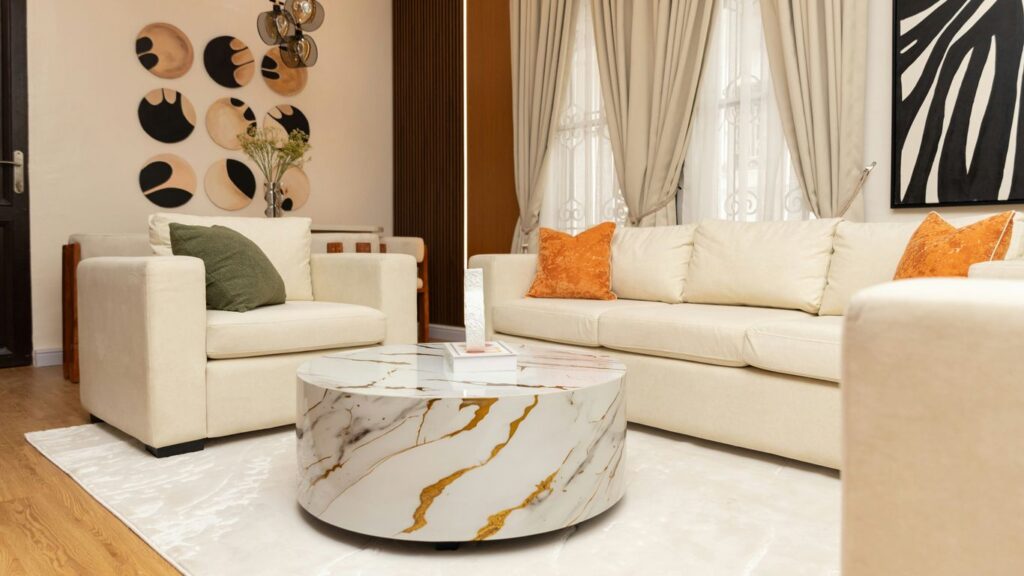
A marble coffee table can be a quiet foundation for a room or its defining feature. The best choice balances the stone’s natural character with practical decisions about size, construction, access and care.
- Expect variation in veining, tone, porosity and mineral marks.
- Measure seating, circulation and doorway access before ordering.
- Compare finish, edge profile, base design and tabletop thickness.
- Confirm quality, sealing, packing, delivery and installation details.
- Choose a durable design and care for it consistently.
Understand what makes marble different
Marble is a natural stone, so it brings depth and variation that manufactured surfaces generally cannot reproduce exactly. That individuality is part of its appeal, but it also means a photograph should be treated as a guide rather than a promise of an identical finished surface. Before choosing a marble coffee table, consider both the visual character and the practical implications of living with stone.

How marble is formed and why every slab is unique
Marble begins as limestone that has been altered by heat, pressure and geological movement. Minerals present during that process influence its colour, veining and figuring, which is why two slabs from the same broad family may still look noticeably different. Cutting direction also changes how those patterns appear across a tabletop.
Common marble varieties and their visual characteristics
White marbles can feel bright and architectural, while darker varieties often create a more grounded, intimate effect. Cream, green, grey and warm-toned stones each bring a different balance of movement and calm. When reviewing samples, look at the whole slab rather than a small sample alone, since scale can alter the apparent intensity of the pattern.
Natural veining, colour variation and acceptable imperfections
Veins, open pores, mineral marks and shifts in tone are normal features of natural stone. A small filled area may be an accepted part of fabrication, but cracks, unstable fissures or poorly repaired damage deserve closer examination. Ask how the proposed slab will be assessed and finished, rather than assuming that visual uniformity is the measure of quality.
Marble versus engineered stone and other tabletop materials
Natural marble offers geological variation, whereas engineered stone is manufactured for a more controlled appearance and may have different maintenance characteristics. Wood adds warmth and can be easier to refinish; metal and glass create a lighter visual effect but have their own marks and care needs. The right material depends on how the table will be used, how much variation you enjoy and what level of upkeep suits the household.
For a broader look at material selection, finishes and room planning, this marble furniture guide offers a useful companion to the decisions below.
Choose the right size and shape for your room
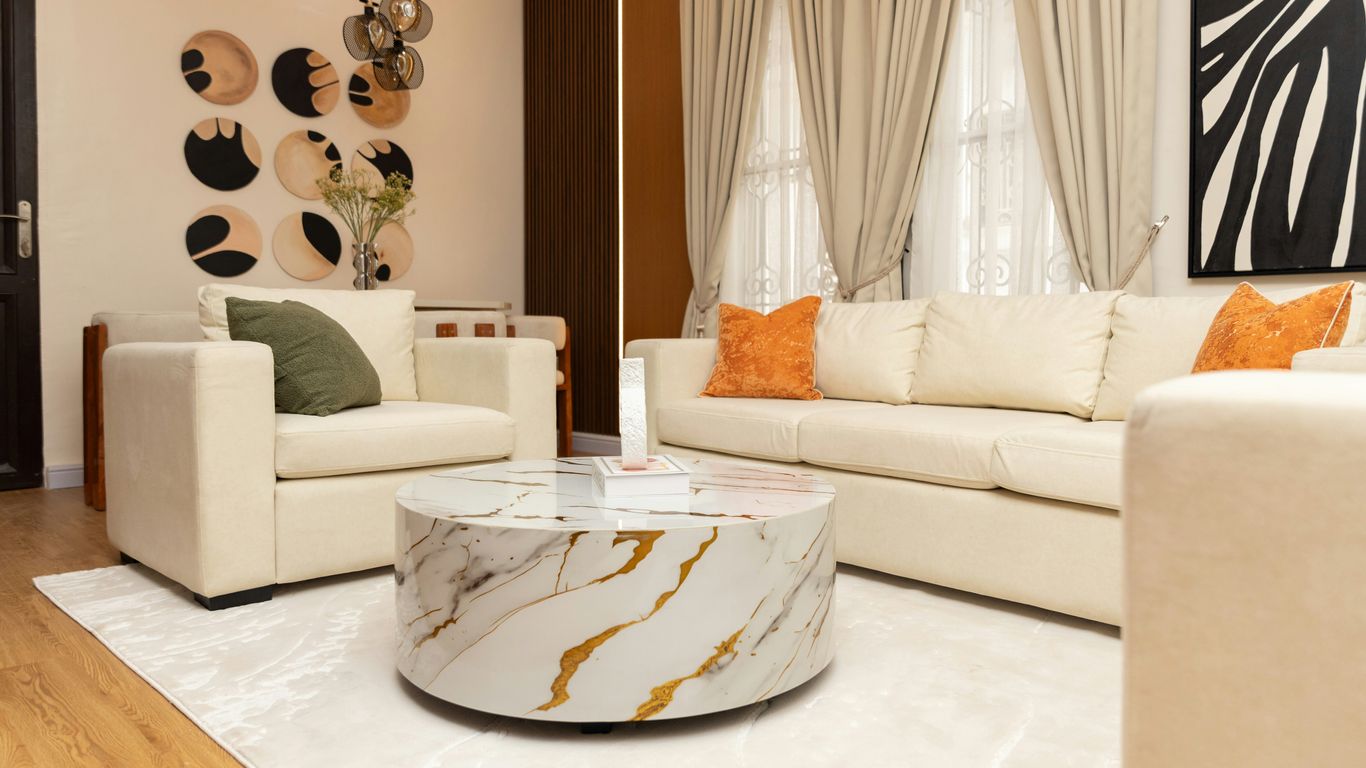
The ideal table is not simply the largest one that fits between the sofa and television. It needs to leave a comfortable route around the seating, sit at a useful height and relate to the scale of nearby furniture. A careful plan also reduces the risk of discovering that a heavy stone piece cannot pass through the building.
Measuring the seating area and walking clearance
Measure the length and depth of the seating group, then mark the proposed tabletop with tape or cardboard on the floor. Allow enough space for people to pass without brushing corners, and check the reach from each main seat. Record door widths, lift dimensions, stair turns and any narrow corridors before a final drawing is approved.
Matching round, oval, square and rectangular designs to your layout
Rectangular tables suit longer sofas and clearly defined seating arrangements. Round and oval tops soften compact rooms and avoid sharp corners in busy circulation areas, while square designs can work well with a balanced arrangement of sofas or armchairs. Shape should follow the room’s movement, not only the style of the table.
Selecting the right table height for sofas and armchairs
A tabletop that is close to seat height usually feels easy to use, though a slightly lower table can look more relaxed. Compare the finished height with the sofa cushion rather than the frame, and consider whether trays, books or drinks need to be reached from several seats. Confirm the total height after allowing for the base and any floor protection.
Balancing tabletop size with the room’s visual proportions
A thick stone top can appear visually larger than its measured footprint, especially when paired with a substantial base. Conversely, a slim top on a delicate frame may disappear in a generous room. Make a simple elevation or use a temporary mock-up so the table can be judged alongside rugs, seating and lighting.
Compare marble finishes, edges and bases
Finish changes both the way marble looks and how it behaves in daily use. Edges influence touch, safety and visual weight, while the base determines stability and often sets the furniture’s character. These decisions are best considered together rather than selected as isolated details.
Polished, honed and leathered marble finishes
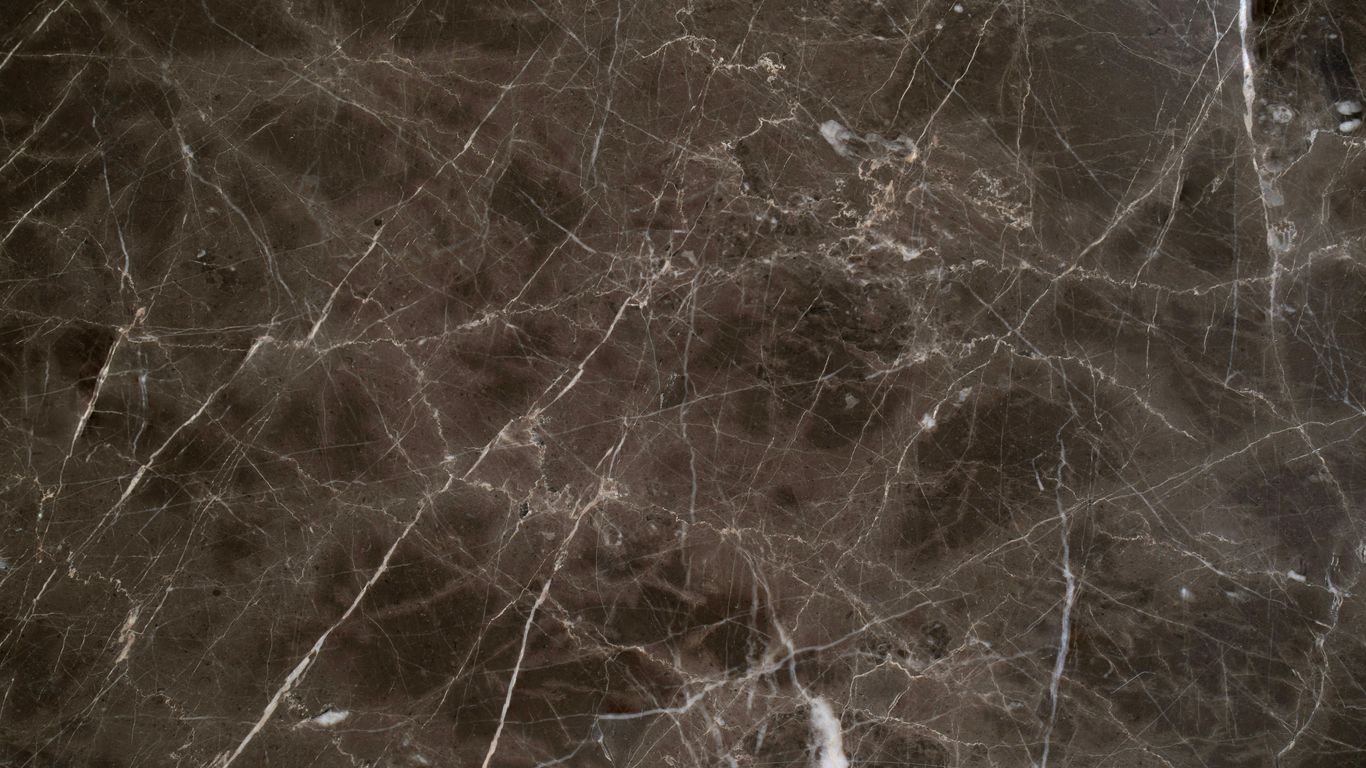
Polished marble has a reflective surface that can deepen colour and make veining more pronounced. Honed marble is softer in appearance, with less reflection and a quieter feel, while leathered finishes add tactile texture and can make the surface look more substantial. Request finish samples in the intended stone, since the same treatment can read differently across varieties.
How edge profiles affect appearance and safety
A sharp square edge gives a crisp, contemporary line but may feel less forgiving in a family setting. Eased, bullnose or softly bevelled profiles reduce the hardness of the outline and can make contact more comfortable. Edge treatment also affects perceived thickness, so review it in a drawing or full-size sample where possible.
Choosing wood, metal or stone table bases
Wood bases bring warmth and can balance a cool-toned slab. Metal offers a visually lighter structure and a clear contrast with the stone, while a stone base creates a more monolithic composition but adds weight. Whichever material is selected, the base should support the top evenly and remain stable when someone leans lightly against it.
Coordinating the table with existing furniture and flooring
Coordination does not require every surface to match. Instead, repeat one undertone, shape or material detail so the table feels connected to the room. Geoscenic Stone produces made-to-order furniture and architectural pieces in marble, travertine and onyx, so a project can be considered around the approved stone, finish, dimensions and surrounding scheme rather than a generic stock combination.
A useful visual reference is this modern coffee table collection, particularly when comparing how different shapes and base proportions sit within a room.
Assess quality before you buy
Quality is more than an attractive slab. A reliable assessment covers the stone, its repairs, the base, the joints and the practical arrangements for packing and delivery. Whether buying an individual piece or specifying several tables for a project, ask for clear documentation before production begins.

Checking the slab for cracks, chips and unstable areas
Inspect the surface in changing light and look along the edges for chips, hairline cracks or areas that appear loose. Natural marks are not automatically faults, but an unstable fissure can become a practical problem under handling or load. Ask whether the proposed top has been inspected after cutting and before packing.
Evaluating veining, colour consistency and surface repair
Review the full slab layout and clarify which filled or repaired areas are expected. Colour consistency should be judged according to the selected stone, not against an unrelated photograph or small sample. A written approval drawing and material reference can help everyone work from the same expectation.
Inspecting the base, joints and overall construction
Check that the base sits level, that connections are clean and that the top is properly supported. For a heavier table, ask how the components will be separated for transport and reassembled on site. Construction details matter just as much as the visible finish once the table is in daily use.
Questions to ask about sourcing, sealing and warranties
Ask where the stone was selected, what finish and sealant are specified, and which parts of the quotation cover delivery or installation. Also clarify acceptable natural variation, inspection stages, damage procedures and the scope of any warranty. These questions are particularly useful when commissioning bespoke stone furniture for a residence, hospitality space or development.
Understand the cost of a marble coffee table
The price of a marble coffee table reflects far more than the area of stone. Species, slab selection, thickness, fabrication, edge work, base construction, packing and destination all contribute. A transparent quotation should make those moving parts understandable instead of hiding them inside a single attractive figure.
What affects the price of natural marble
Rare colours, large uninterrupted slabs and complex veining can increase material cost, as can thicker tops and demanding edge profiles. A large table may also require more careful handling and stronger packing. The final figure should be considered alongside the stone’s suitability, not only its appearance.
Comparing made-to-measure and ready-made tables
Ready-made furniture can offer a quick route when its dimensions and access requirements already suit the room. Made-to-measure work is more appropriate when the layout, stone selection, base, edge or finish needs to follow a particular brief. Geoscenic Stone works on a factory-to-order basis, with pieces produced to an approved drawing rather than selected from finished warehouse stock.
Factoring in delivery, installation and access to your home
A stone table may be heavy, awkward and vulnerable at its corners, so delivery planning deserves early attention. Confirm the route from vehicle to room, lift or stair restrictions, packaging removal and whether installation is included in the quotation. Destination-specific costs, duties or taxes should never be assumed without written confirmation.
Identifying misleading bargains and hidden costs
An unusually low price may exclude sealing, a suitable base, specialist packing or difficult access. It may also refer to a smaller, thinner or visually different piece than the one shown. Before comparing quotations, align the dimensions, stone, finish, edge, delivery terms and aftercare provision.
If the design is nearly resolved, you can request a quotation with the dimensions, intended material and delivery location ready for review.
Protect and maintain the stone
Marble rewards ordinary, consistent care rather than complicated routines. It is porous and can react to acidic substances, so the aim is to reduce exposure and deal with accidents promptly. Maintenance should be explained before the table arrives, especially when the piece will be used in a busy home or hospitality setting.
How to seal marble and when to reseal it
Sealing can reduce the speed at which liquids penetrate, but it does not make marble impervious or eliminate the need to wipe spills. Follow the fabricator’s advice for the selected stone and finish, since porosity varies. Resealing should be guided by use, product instructions and the condition of the surface rather than an arbitrary calendar alone.
Preventing stains, etching and water marks
Use coasters beneath drinks, mats beneath objects that may scratch and trays for cosmetics or plant pots. Acidic liquids can etch a polished surface even when they do not leave a dark stain, while standing water may mark porous areas. Small habits make a noticeable difference: wipe spills as soon as they are seen and avoid dragging objects.
Safe cleaning products and everyday care
A soft cloth, clean water and a pH-neutral stone cleaner are generally safer choices than abrasive powders or acidic household products. Do not use vinegar, bleach or aggressive scouring pads unless a qualified stone-care professional specifically advises it. Dusting gently also prevents grit from acting like sandpaper when objects are moved.
Removing spills and dealing with minor surface damage
Blot liquid rather than spreading it, then clean the area with a suitable neutral cleaner and dry it fully. A superficial mark may respond to professional polishing, while a chip, crack or deep etch usually needs assessment rather than an improvised repair. Keep records of the approved finish so any later work can match the original intention.
Buy more responsibly and use the table well
Responsible purchasing begins with understanding what is being bought and how it will be used. Natural stone is durable, but its weight, transport requirements and fabrication waste still deserve consideration. A well-resolved design can remain useful for years and avoid the cost of replacing a piece that was poorly sized or specified.
Assessing the origin and traceability of the marble
Ask what information is available about the stone’s origin, selection and processing. Traceability may vary by material and supplier, so a precise answer is more useful than a broad environmental claim. Keep the material reference and approved drawing with the project records for future care or alterations.
Considering reclaimed, local and lower-waste options
Reclaimed stone can bring strong character and make use of material already in circulation, although dimensions and available quantities may be limited. Efficient slab planning can reduce offcuts, while a local source may shorten some transport distances. These choices should be balanced against structural suitability, finish requirements and the intended service life.
Choosing a durable design for long-term use
A timeless proportion, repairable construction and practical finish are often more valuable than a short-lived trend. Consider whether the base can be maintained, whether the top can be safely handled and whether the dimensions will still work if the room changes. Durability is partly a material decision and partly a design decision.
Styling the table without risking scratches or stains
Keep accessories grouped on trays or soft mats, and leave enough clear surface for ordinary use. Felt pads beneath decorative objects can prevent fine scratches, while non-leaking vessels protect against rings and damp patches. A few considered pieces usually show the stone better than a crowded arrangement.
Conclusion
A marble coffee table is a considered purchase: its beauty comes from natural variation, while its success depends on accurate dimensions, sound construction, clear costs and sensible care. Take time to approve the stone and drawing, plan the delivery route and choose a finish that suits real use, and the table can become a lasting part of the room rather than a fragile ornament.
Frequently Asked Questions
Is marble suitable for a coffee table?
Yes, provided its natural porosity and sensitivity to acids are understood. Coasters, prompt spill removal and suitable cleaning help keep the surface in good condition.
How much clearance should go around a coffee table?
Leave enough room for people to pass comfortably between the table and surrounding seating. Measure the actual furniture, circulation route and any doors or drawers that need to open.
Which marble finish is easiest to live with?
Honed finishes have less reflection and can give a softer appearance, while polished finishes offer more shine but may show etching clearly. The best choice depends on the stone, room and expected use.
Are cracks and veins in marble defects?
Veining and mineral marks are normal characteristics of natural stone. Cracks, unstable fissures or poor repairs are different and should be assessed before purchase.
Should a marble coffee table be sealed?
Sealing is often recommended, but it does not make marble stain-proof. The correct product and maintenance interval depend on the stone, finish and level of use.
How should marble be cleaned?
Use a soft cloth and a pH-neutral stone cleaner, avoiding acids, bleach, abrasive powders and rough pads. Blot spills promptly and dry the surface after cleaning.
What should be checked before delivery?
Confirm the final dimensions, access route, packaging, installation arrangements, inspection procedure and any costs that are excluded. For a heavy stone table, handling and site access are especially important.