
Key Takeaways
Travertine furniture brings the warmth and variation of natural stone into everyday rooms, but it rewards thoughtful specification and care.
- Travertine is a porous limestone with distinctive pits, tonal movement and soft mineral character.
- Finish, filling, edge profile and construction all affect how a piece looks and performs.
- Good proportions and careful access planning matter because stone furniture is heavy.
- Gentle cleaning, prompt spill removal and suitable sealing help preserve the surface.
- Natural variation should be reviewed as part of the design, not treated as a flaw.
What travertine furniture is and why it is popular
Travertine furniture uses a naturally formed limestone for tabletops, bases, consoles and smaller architectural pieces. Its quiet movement and warm neutral colours sit comfortably between rustic and contemporary design. Unlike a printed imitation, every slab has its own pores, markings and tonal shifts. That individuality is a major part of the appeal of travertine furniture, particularly in spaces that need texture without visual clutter.
How travertine forms and differs from other natural stones
Travertine forms when mineral-rich spring water deposits calcium carbonate over time. This process creates a layered stone with natural cavities and subtle bands. It belongs to the limestone family, so it is generally softer and more absorbent than granite, while its surface character differs from the crystalline veining often associated with marble. The result is a material that feels geological and tactile rather than perfectly uniform.
The formation history also explains why two slabs labelled with the same stone name may not look identical. Colour, density, pores and mineral marks can vary from one block to another. A sample is useful for understanding the general direction, but it cannot represent every part of a finished table.
The key characteristics of travertine
Travertine is valued for its warm, softly patterned appearance and its ability to be cut into substantial, sculptural forms. It can be honed to a matt, velvety finish, polished for more reflection, or brushed to emphasise texture. The stone is also relatively porous, especially when left unfilled, so its surface needs to be treated as a material with a degree of sensitivity.
In practical terms, natural variation is part of the specification. Small holes, veins, colour transitions and mineral traces can be entirely appropriate for the stone. They should be discussed at the selection and approval stage rather than judged only after fabrication.
Benefits of using travertine in furniture design
A travertine table can anchor a room without relying on a strong colour or elaborate ornament. The stone works well as a broad, calm plane, while a rounded base or thick edge gives it sculptural presence. It also combines easily with oak, walnut, linen, wool, leather, glass and powder-coated metal.
For projects with unusual dimensions, bespoke stone furniture can make it easier to coordinate the tabletop, support, edge and surrounding circulation. The value of a made-to-measure approach is not simply visual; it can also resolve awkward room proportions and specific access requirements.
Common limitations to consider before buying
Travertine is not a maintenance-free surface. Acids can etch calcareous stone, standing moisture may darken porous areas, and abrasive objects can mark a polished or honed finish. The weight of a solid stone top also affects delivery, floor protection, stair access and the design of its base.
A realistic decision therefore includes both the beauty of the material and its everyday demands. If a table will be used for frequent entertaining, children’s activities or outdoor dining, ask how the proposed finish, sealant and construction respond to that setting rather than assuming all travertine behaves in the same way.
How travertine works with contemporary and classic interiors
In a contemporary room, travertine can soften crisp cabinetry, black metal and large expanses of glass. In a more traditional interior, its layered surface sits naturally beside timber, patterned textiles and aged brass. The key is to repeat either its colour family or its rounded, grounded quality elsewhere in the room without matching every surface.
Its versatility comes from restraint. A simple travertine top can feel quiet and architectural, while a monolithic base or irregular edge can become the room’s principal gesture.
The main types of travertine furniture
Travertine can be used for far more than a conventional coffee table. The same stone may appear as a dining surface, a narrow console, a bedside table or an outdoor occasional piece, with the dimensions and construction changing for each use. Choosing the type first helps clarify the required thickness, support and finish.
The table below offers a starting point rather than a fixed specification. Final dimensions should reflect the room, intended use and delivery route.
Coffee tables for living rooms and seating areas
Coffee tables are often the most approachable way to introduce travertine. Round and oval tops encourage movement around seating, while square or rectangular designs suit a more formal arrangement. A low, thick slab can look grounded, but it should still leave comfortable clearance for knees, cleaning and walking between the sofa and table.
The visual weight of stone makes scale particularly important. A small room may benefit from a lighter base, softened corner or nesting arrangement rather than a very thick monolithic form.
Dining tables for everyday use and entertaining
A travertine dining table becomes a central piece of architecture in a room. The shape affects conversation and circulation: round tables create an even social centre, while rectangular tables often make better use of long rooms. Chairs should be considered at the same time as the top, including their arm height, seat width and clearance beneath the apron or support.
Travertine is suitable for dining when its limitations are accepted and the surface is cared for consistently. Coasters, mats and prompt cleaning are sensible habits, particularly around wine, citrus and hot serving dishes.
Side tables, console tables and occasional tables
Smaller tables allow the material to be used in measured doses. A narrow console can frame an entrance or sit behind a sofa, while a side table can repeat a travertine tone without making the room feel stone-heavy. Because these pieces are easier to move, their bases and lifting points still deserve attention; a compact table may be awkwardly heavy despite its size.
Consider the height in relation to adjacent furniture. A side table that is level with the chair arm is usually more useful than one selected for appearance alone.
Travertine furniture for bedrooms and home offices
In bedrooms, travertine works well as a bedside surface, dressing table top or low bench detail. Its matt finishes are generally more relaxed beside upholstery and timber than a highly reflective surface. In a home office, a stone-topped console can provide a durable visual anchor, although writing directly on an uneven or porous surface may be uncomfortable.
Cables, drawers and equipment should be resolved in the drawing before production. Stone can be drilled or integrated with other materials, but those decisions need to be confirmed rather than improvised during installation.
Indoor and outdoor travertine furniture
Outdoor use introduces rain, sunlight, temperature changes and dirt, so the stone and its supporting materials need to be selected for that environment. A piece designed for a covered terrace may have different requirements from one left fully exposed. Metalwork, fixings, drainage and protective treatments are as relevant as the stone itself.
For a sense of how natural stone can be paired with weather-conscious construction, this travertine outdoor collection is a useful reference point, although any project should be assessed on its own conditions. Indoor pieces should not automatically be moved outside without checking their finish and construction.
Travertine finishes, colours and edge details
Finish changes the way travertine catches light, feels under the hand and responds to daily use. Filling changes its apparent continuity, while edge details influence whether a table feels architectural, soft or visually light. These decisions are best made together because a pale filled slab with a square edge will read very differently from a darker, brushed and unfilled piece.
Natural colour variation remains visible through most finishes. The aim is not to remove character but to choose how clearly that character should be expressed.
Honed, polished and brushed finishes compared
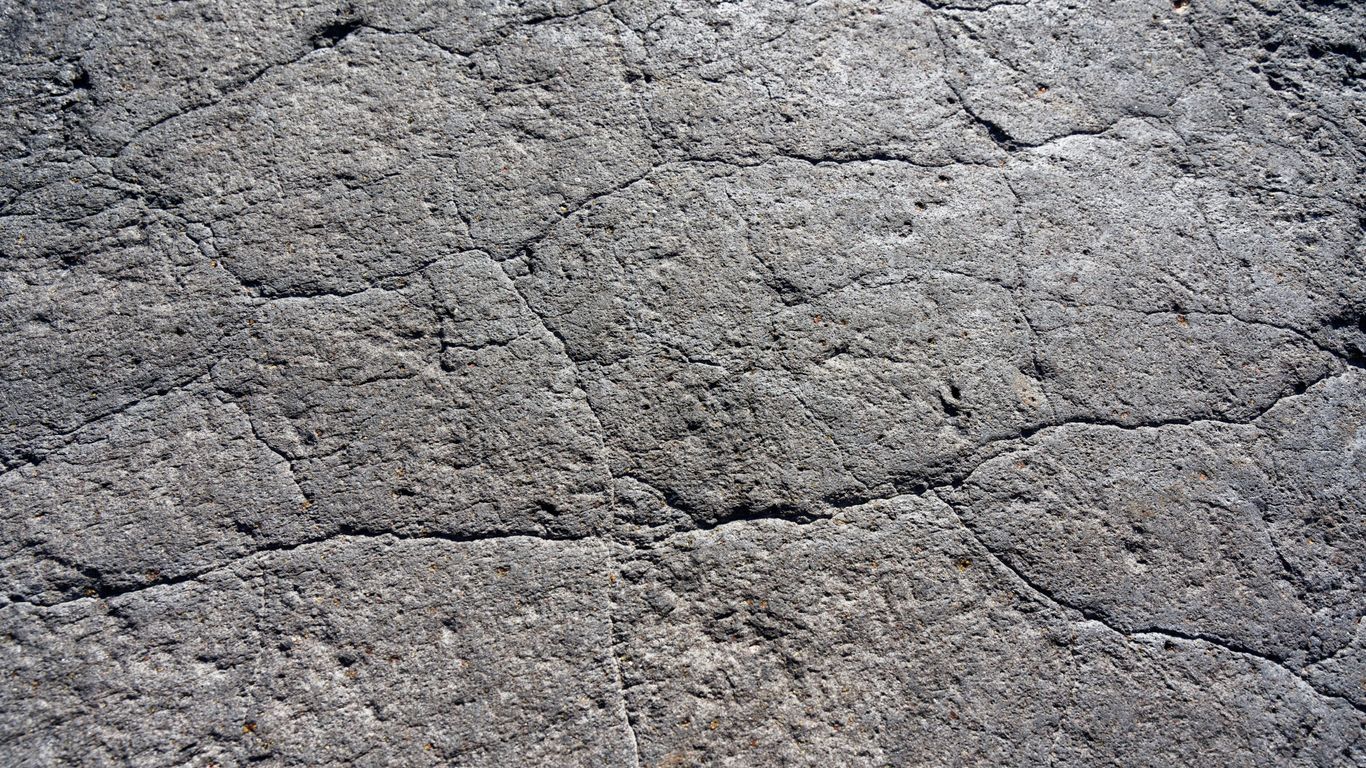
A honed finish is smooth but low in sheen, making it a popular choice for relaxed interiors and larger surfaces. Polishing increases reflection and can make colour appear deeper, though it may also make marks and etching more noticeable. Brushing creates a textured, gently aged feel and can bring out the stone’s natural relief.
There is no universally best finish. The right option depends on lighting, touch, expected use and willingness to accept a surface that changes subtly over time.
Filled and unfilled travertine: appearance and performance
Filled travertine has its natural voids filled with a compatible material before or during finishing, producing a more continuous surface. Unfilled travertine retains more of the open, porous character of the stone and may feel more rustic or tactile. Neither choice makes the stone indestructible, and both still require appropriate cleaning and protection.
Look closely at samples in the intended light. Filling can alter the balance between the body colour and the small cavities, so a showroom sample should be viewed as an indication rather than an exact promise.
Popular travertine colours and natural variation
Cream, ivory, beige, taupe and warm brown are common directions, with some stones showing stronger bands or cooler grey notes. The surrounding floor, wall colour and upholstery can make the same slab appear warmer or paler. A colour name alone is therefore a limited basis for approval.
For a project with several stone elements, compare samples together and consider the overall tonal range. Matching does not necessarily mean identical; a controlled family of related tones often looks more natural than forced uniformity.
Choosing rounded, bevelled or square edges
Rounded edges make a substantial top appear softer and are useful around busy circulation routes. A bevel can catch a fine line of light and reduce the apparent thickness. Square edges offer a clean, architectural profile, but their corners may feel sharper and more visually weighty.
Edge selection should follow the use of the room as well as the design language. In homes with young children or narrow walkways, softened corners may be worth prioritising over a perfectly rectilinear profile.
How the finish affects maintenance and suitability
A polished surface may show fingerprints and acidic marks more readily, while a honed surface tends to disguise small changes but can still etch. Brushed and unfilled finishes may collect dust in their texture and need careful, non-abrasive cleaning. Sealers can reduce absorption, but they do not make the stone impervious.
Discuss the intended finish with the fabricator and ask which cleaning products are compatible. A marble finishes guide also offers useful comparative thinking about sheen, edge profiles and maintenance, even though travertine has its own porosity and appearance.
How to choose the right travertine table
Selecting a table involves more than choosing a slab you like. Proportion, base geometry, weight, access and daily use all affect whether the finished piece feels successful. Begin with the room and its movement patterns, then work towards the stone and details.
For made-to-order work, dimensions and finish should be recorded in an approved drawing. This creates a shared reference for production and reduces uncertainty about what is being fabricated.
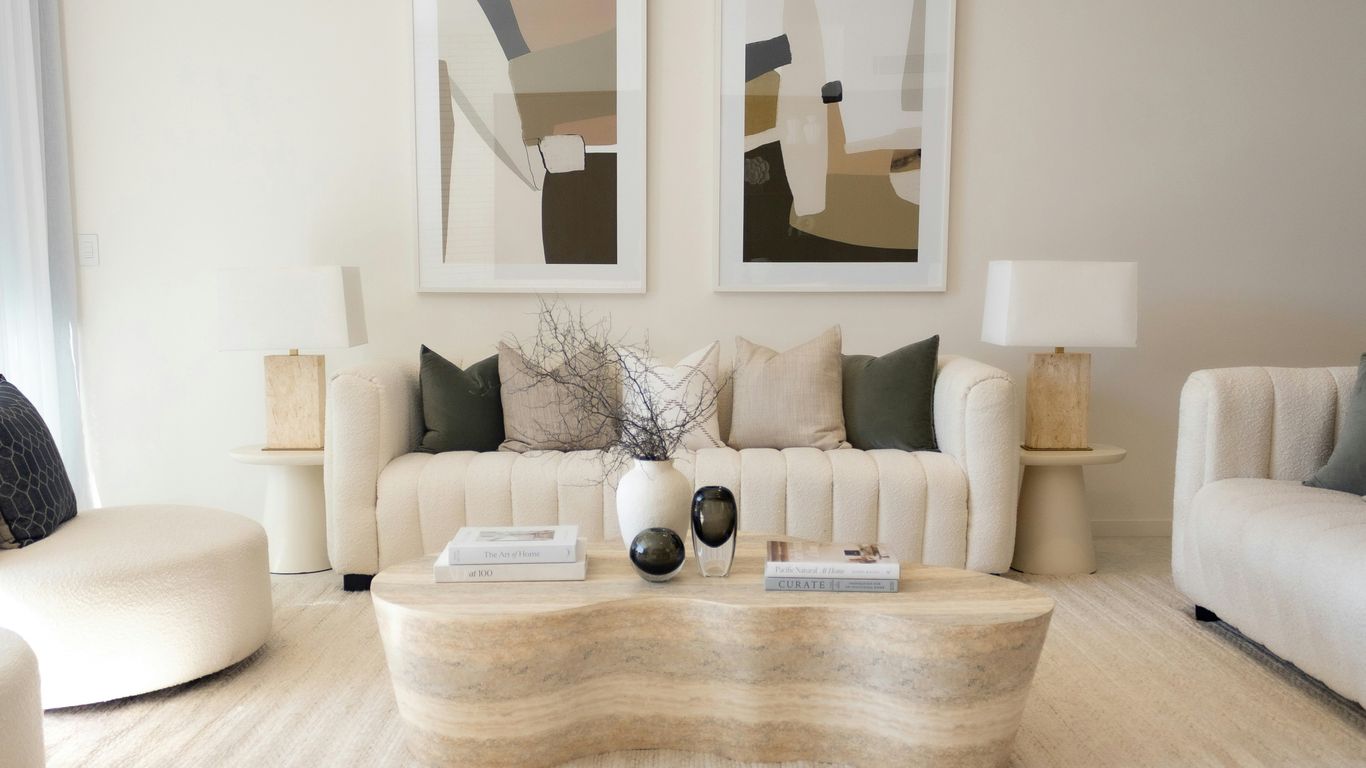
Selecting the correct size and proportions
Measure the furniture around the table, not only the empty floor area. A coffee table should sit comfortably within reach while leaving a clear route around it; a dining table needs space for chairs to pull out and for people to pass behind them. The thickness of the top and visual mass of the base also affect perceived scale.
Use masking tape or a temporary template on the floor before confirming the order. This simple test often reveals that a few centimetres make a meaningful difference to circulation.
Checking weight, stability and table construction
Solid stone is heavy, and a stable table depends on how that weight is distributed. Ask how the top is supported, whether the base is engineered for the span, and how the piece will be handled during delivery. A slender base may look elegant but require careful calculation and installation planning.
Stability also depends on the floor. Uneven surfaces, delicate finishes and concentrated loads should be considered before delivery rather than corrected after the table arrives.
Comparing solid travertine with stone veneer
A solid travertine piece presents the material through its thickness and can support carved or substantial forms. Veneer uses a thinner stone layer over another substrate, which may reduce weight and open different construction possibilities. The edge, joins and underside should be inspected so the construction is understood clearly.
Neither approach is automatically superior. The better choice depends on the desired form, handling constraints, budget, repair expectations and the performance required in the room.
Matching the table to existing materials and furniture
Start by comparing undertones rather than searching for an exact match. Travertine’s warm beige may sit beautifully beside walnut and cream upholstery, while a cooler stone may suit grey timber, brushed steel or muted textiles. Repeating one small colour from the slab in a cushion or artwork can make the composition feel intentional.
The surrounding pieces should also provide contrast in texture. Too many smooth pale surfaces can flatten a room, whereas timber grain, woven fabric or dark metal gives the stone definition.
Choosing a finish for your lifestyle and room
A formal sitting room may accommodate a more polished surface, while a family room often benefits from a forgiving honed finish and rounded corners. For hospitality or commercial settings, cleaning routines, staff training and replacement expectations deserve as much attention as visual appeal.
Geoscenic Stone produces made-to-order furniture from approved drawings, with stone, dimensions, finishes, edges and other details confirmed for the individual project. That approach is useful when a table must respond to a particular plan rather than a standard size.
How to style travertine furniture
Travertine has enough presence to anchor a room, so styling is usually more successful when it leaves some of the stone visible. The aim is to create contrast and rhythm rather than surround it with objects in the same colour. Think about texture, negative space and how the piece looks from different approaches.
A carefully styled table should still be practical. Books, lighting, vessels and textiles need to support the room’s use rather than make the surface difficult to clean.
Pairing travertine with wood, glass and metal
Wood brings warmth and grain, glass adds visual lightness, and metal can sharpen the outline of a soft, porous stone. A walnut base beneath a pale top feels richer than a room filled entirely with cream surfaces. Blackened metal creates definition, while brushed brass can draw out warmer mineral tones.
Use one or two contrasting materials with intention. If every object introduces a different finish, the natural movement of the travertine can lose its quiet focus.
Creating balance with soft furnishings and upholstery
Linen, wool, boucle and leather soften the hardness of stone and make a seating area feel inviting. Cushions can echo a subtle vein without matching it exactly. Curtains and rugs are especially useful for balancing a heavy table because they add movement and absorb sound.
The balance should be tactile as well as visual. A stone table beside a soft sofa feels more comfortable when the room offers a clear invitation to sit, reach and use the furniture.
Using travertine as a focal point or accent
A large dining table or sculptural coffee table can serve as the room’s focal point. In that case, keep nearby forms relatively calm and allow sightlines to remain open. For a smaller accent, repeat the stone in a tray, lamp base or side table while giving the main furniture a different material identity.
Scale determines emphasis. A bold base, strong edge or highly marked slab needs more breathing room than a small, lightly detailed piece.
Styling coffee tables without hiding the stone
Group objects in a loose arrangement rather than covering the whole top. A low vessel, a small stack of books and one organic element can provide height and contrast while leaving a generous area of stone visible. Use felt or protective pads beneath decorative objects that may scratch or trap moisture.
Vary height modestly and keep the centre usable. The table should still accept a cup, remote control or serving tray without requiring a complete rearrangement.
Incorporating travertine into minimalist and layered schemes
In a minimalist interior, travertine supplies material depth where there may be few decorative objects. In a layered scheme, it becomes one texture among many, grounding patterned textiles and collected pieces. The stone’s variation helps both approaches feel less sterile, provided the palette is edited.
A useful rule is to repeat its warmth, not necessarily its exact colour. Timber, clay, paper, woven fibre and aged metal can all reinforce the same grounded atmosphere.
How to clean and care for travertine furniture
Travertine care is straightforward when it is consistent and gentle. Dust, grit and standing liquids cause more trouble when they are allowed to remain on the surface. A suitable sealer can provide additional resistance, but it does not replace sensible use.
Before applying any product, confirm the finish and follow the fabricator or sealer manufacturer’s guidance. Test an unfamiliar cleaner on an inconspicuous area first.
Everyday dusting and cleaning methods
Remove loose grit with a soft microfibre cloth or a clean, soft brush. For routine cleaning, use a damp cloth with a small amount of pH-neutral stone cleaner, then dry the surface so moisture does not sit in pores or along the edge. Avoid dragging ceramic, metal or gritty objects across the top.
A simple routine is easier to maintain than occasional aggressive cleaning. Keep cloths used for outdoor or sandy areas separate from those used on indoor furniture.
Removing spills, marks and common stains
Blot spills quickly rather than wiping them across a larger area. Water may leave a temporary dark patch on porous stone, while coffee, wine, oil and acidic foods can create more persistent marks. A specialist stone poultice may help with some stains, but the correct treatment depends on what entered the stone and how it was finished.
Do not use a forceful scrubbing motion as a first response. If a mark remains after gentle cleaning, identify it before choosing a stronger method.
Products and cleaning ingredients to avoid
Avoid vinegar, lemon-based cleaners, bleach mixtures, abrasive powders and scouring pads unless a stone-care professional has specifically approved them. Strong acids can etch calcareous stone, and abrasive tools can change the surface sheen. Generic bathroom or kitchen products may contain ingredients that are unsuitable for travertine.
For everyday use, keep the following principles close at hand:
- Blot liquids promptly with an absorbent cloth.
- Use pH-neutral products intended for natural stone.
- Lift objects instead of sliding them across the surface.
- Place mats beneath hot, wet or potentially staining items.
These habits reduce avoidable damage without making the furniture feel precious or difficult to use. They also help a finish age in a more even and predictable way.
Sealing travertine and knowing when to reseal
Sealing can reduce the rate at which liquids absorb, but it does not make travertine stain-proof or acid-proof. The appropriate sealer depends on the stone, finish, location and expected use. Resealing intervals vary, so follow the product guidance and watch for changes in absorption rather than relying on a universal timetable.
A small water test may indicate whether the surface is absorbing more quickly, but it should be carried out cautiously and only when appropriate for the finish. Ask a professional if the result is unclear.
Preventing scratches, etching and heat damage
Use coasters, trivets, placemats and protective pads, especially beneath ceramics, metal accessories and rough-bottomed objects. Avoid cutting directly on the stone and do not place very hot cookware on the tabletop. Felt pads should be kept clean because trapped grit can scratch just as easily as an unprotected object.
Some marks are surface-level and repairable; others are chemical changes that require refinishing. Preventing them is usually less disruptive than restoring a large top in situ.
Buying, placing and maintaining travertine furniture
A successful purchase continues beyond the design decision. Stone quality, drawings, packing, delivery, floor protection and installation all influence the final result. This is particularly true for substantial pieces commissioned for residences, hotels, restaurants or development projects.
Ask for clear information early, including what is included in the quotation and which decisions remain subject to approval. Transparent planning is more valuable than a vague promise that every detail will be resolved later.
Questions to ask about stone quality and sourcing
Ask where the stone is sourced, whether the proposed slab or block has been reviewed, and how natural variation will be handled. Clarify whether the piece is solid stone or a composite construction, which filling and finish are proposed, and how edges, drillings and joins will be represented in the drawing.
Geoscenic Stone works on a factory-to-order basis, with each piece produced for an approved drawing through material selection, cutting, finishing, inspection, packing and delivery. For a project team, this makes the approval trail and the relationship between the drawing and the finished object especially important.
Measuring access, delivery routes and floor load
Measure doorways, lifts, corridors, stair turns and the final room, including skirting boards and handrails that reduce usable width. Record ceiling height and turning space as well as the table’s packed dimensions. The delivery route may require a different handling method from the route imagined when the room was measured.
Floor capacity and protection should also be checked for heavy solid pieces. A quotation may account for packing, destination, weight and site access, but the precise responsibilities should be confirmed for each order.
Positioning travertine safely in busy spaces
Keep corners away from the most compressed walking lines where possible, and ensure the base sits level before loading the top. Do not drag a stone table across flooring. Use suitable lifting equipment and enough people for the weight, following the installer’s method rather than improvising on site.
Once positioned, check that doors, drawers and chairs can move freely. A table that looks balanced from one angle can still create a pinch point in everyday circulation.
Caring for outdoor travertine furniture
Outdoor travertine should be cleaned regularly so soil, leaves and standing water do not remain in pores or joints. Use breathable covers where appropriate, but avoid trapping dampness beneath them. Check metal bases, fixings and feet as well as the stone, particularly in wet or coastal locations.
Seasonal conditions may alter the maintenance routine. A covered terrace, exposed garden and humid balcony each place different demands on the furniture, so the care plan should follow the actual setting.
Repairing chips, scratches and surface wear
Small chips, scratches and worn patches should be assessed according to their depth, position and finish. A stone specialist may be able to fill a chip, hone a local area or refinish a larger surface, although a repaired patch may not disappear completely. Do not apply household filler or aggressive polish without confirming compatibility.
Keep the original stone details, finish information and production drawing with the care records. They can help a repairer understand the material and reproduce the intended edge or surface more accurately.
Conclusion
Travertine furniture offers a calm, tactile way to bring natural stone into living, dining, hospitality and work spaces, provided its weight, porosity and variation are treated as part of the design. Choose the proportions, finish and construction with the room in mind, then protect the surface through simple daily habits. For a project that needs made-to-measure dimensions and carefully confirmed stone details, request a quotation from Geoscenic Stone and discuss the piece before production begins.
Frequently Asked Questions
Is travertine suitable for an everyday dining table?
Yes, provided the surface is specified for the intended use and cared for consistently. Use mats and coasters, clean spills promptly and accept that a natural stone surface may develop subtle changes over time.
Does travertine stain easily?
Travertine is porous and can absorb liquids, especially when unfilled or insufficiently sealed. Prompt blotting and an appropriate sealer can reduce risk, but no sealer makes the surface completely stain-proof.
What is the best finish for a travertine coffee table?
A honed finish is often a practical, low-sheen choice, while polished and brushed finishes create different visual and tactile effects. The best option depends on lighting, use, desired character and maintenance preferences.
How often should travertine furniture be sealed?
There is no universal interval because absorption, finish, sealer and use vary. Follow the sealer manufacturer’s guidance and ask a stone-care professional to assess the surface when water begins to absorb more readily.
Can travertine furniture be used outdoors?
It can be suitable for some outdoor settings when the stone, finish, base, fixings and drainage are selected for exposure. Outdoor pieces need regular cleaning and should be assessed for the specific climate and location.
How do I remove a ring or mark from travertine?
Begin with a soft cloth and a pH-neutral stone cleaner, then identify whether the mark is a stain, deposit or etch. Avoid acids and abrasive scrubbing; persistent damage may require a specialist repair or refinishing treatment.
Is solid travertine better than a veneered table?
Neither is automatically better. Solid stone may suit substantial sculptural forms, while veneer can reduce weight and support different construction methods. Compare the intended design, handling requirements, edge treatment, durability and repair implications before deciding.