

Key Takeaways
Honed and polished marble can both work beautifully on furniture, but they create different visual and practical experiences.
- Honed marble has a soft, low-sheen surface that is forgiving of light scratches and etching.
- Polished marble reflects more light and usually gives colour and veining greater visual intensity.
- Neither finish removes the need for suitable sealing, prompt spill management and gentle cleaning.
- The best finish depends on how a piece will be used, the room’s lighting and the desired atmosphere.
- A made-to-order piece should be specified with its stone, finish, edges and dimensions in mind.
Understanding the difference between honed and polished marble
The distinction between honed and polished marble is created during finishing, rather than being a difference in the marble itself. Both surfaces can come from the same slab, yet the amount of abrasion and refinement changes how the stone feels, reflects light and shows daily marks. This is why the choice deserves attention before fabrication, not as an afterthought. A useful overview of custom marble furniture also considers the finish alongside the stone variety, dimensions and intended use.
How honed marble is finished
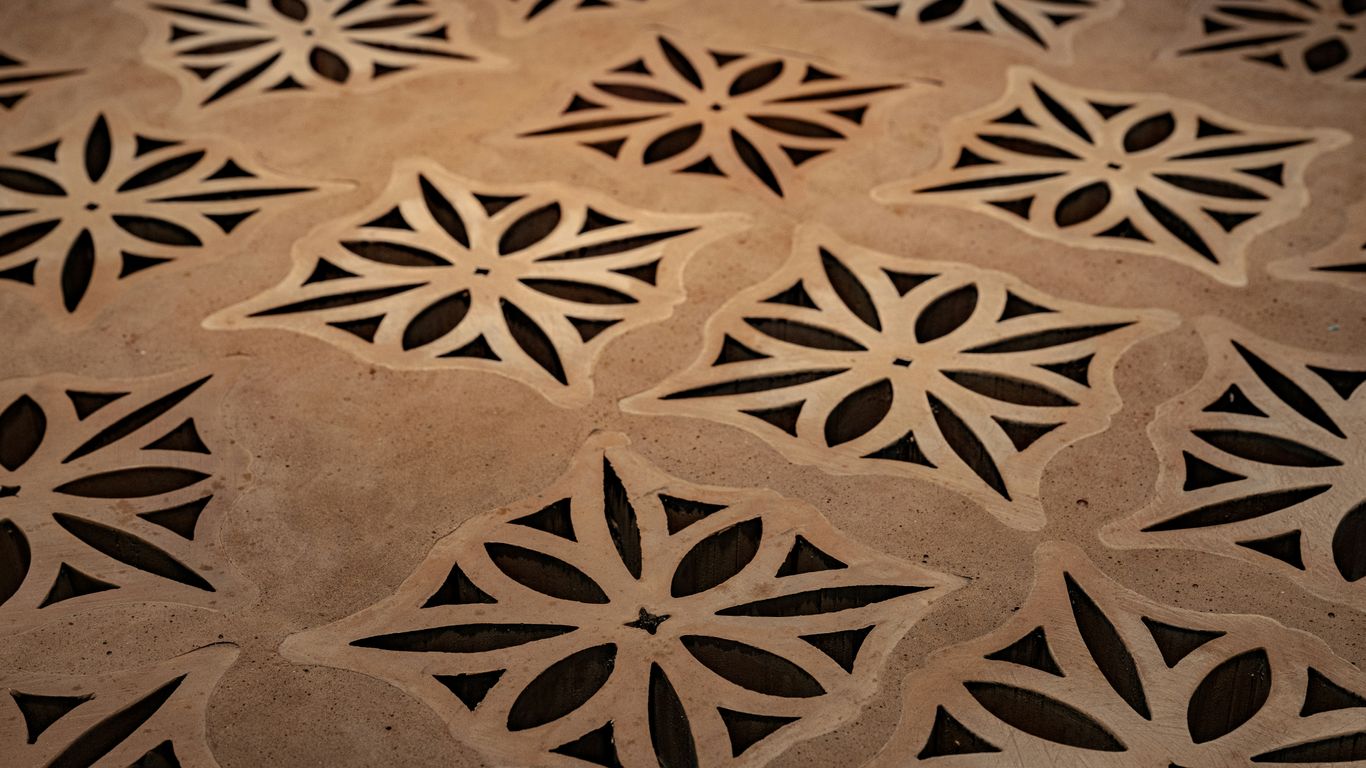
Honed marble is ground to a smooth, even surface, with the process stopping before the final high-gloss polishing stage. The result is generally matte or softly satin-like rather than mirror-bright. It should still feel refined and comfortable to touch, not rough or unfinished. Because it reflects less light, small surface changes tend to blend into the wider texture of the stone.
How polished marble is finished
Polished marble is taken further through the finishing process until the surface develops a strong sheen. Its smooth face reflects light from the stone’s crystals and can look almost mirror-like when viewed at the right angle. This finish often gives a room a more formal presence, although the underlying colour and veining still depend on the particular slab selected.
Differences in texture, sheen and light reflection
Honed marble feels quieter under both the hand and the eye. It absorbs more of the room’s light, while polished marble sends light back across the surface and can make veining appear sharper. Neither is inherently more luxurious; they simply express the material differently. The choice is often between tactile softness and visual brilliance.
How the finish affects marble’s colour and veining
Polishing can deepen the apparent colour of some marbles and increase the contrast between a background and its veins. Honing can make the same stone look gentler, chalkier or more naturally muted. These effects vary with the marble’s tone, porosity and mineral pattern, so a sample is useful but cannot represent every part of a natural slab. Geoscenic Stone selects material for each order, with the final stone and finish confirmed through an approved production drawing.
Comparing durability and everyday performance
Finish affects how wear is seen, but it does not turn marble into a maintenance-free material. The stone remains susceptible to scratching, etching and staining, and the way those marks appear depends on colour, pattern, lighting and use. Furniture also has different risk points from flooring or worktops: a dining table may meet food and drink, while a console may mainly face dust and occasional objects.
Resistance to scratches and surface wear
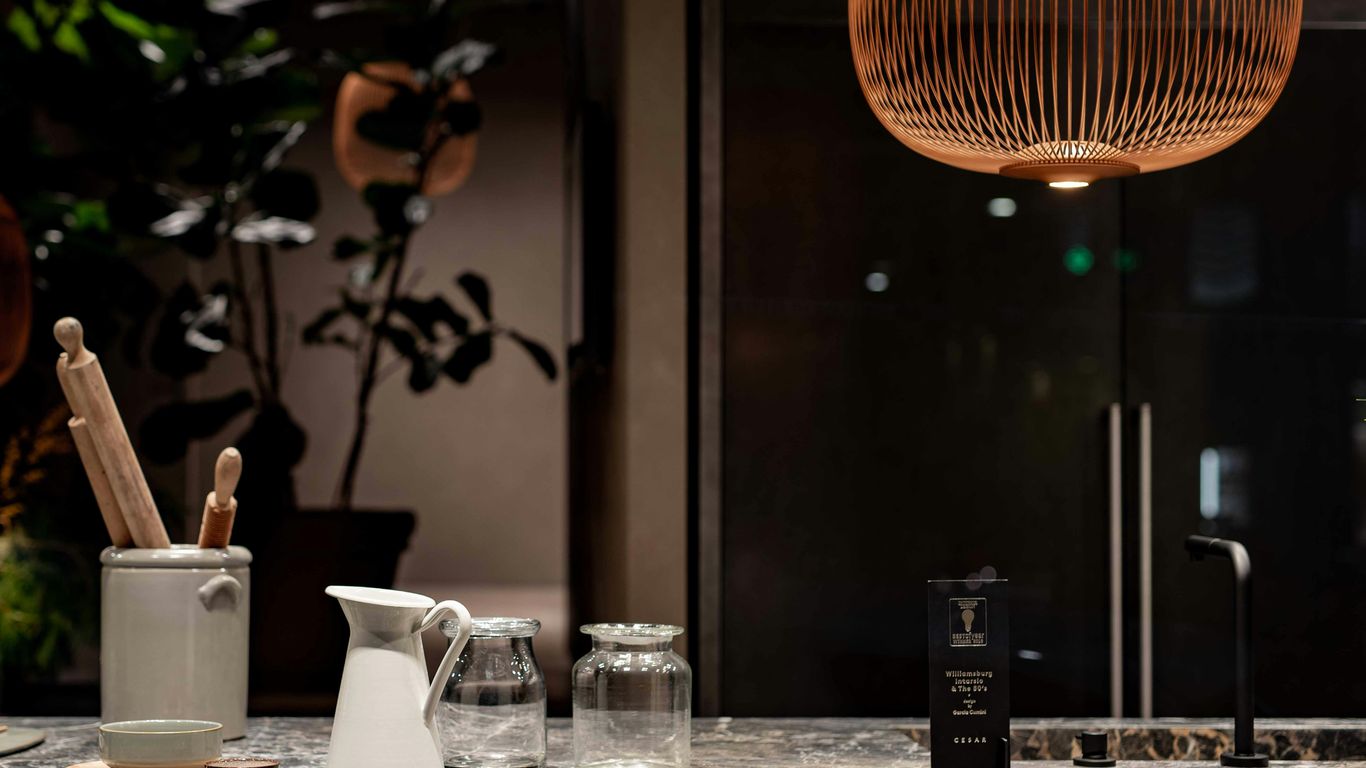
Honed marble can be more forgiving visually because a fine scratch does not interrupt a glossy reflection. On polished marble, a mark may catch the light and become noticeable sooner, particularly on a dark or strongly reflective surface. This does not mean honed marble cannot scratch, or that polished marble is fragile. Protective pads, sensible handling and appropriate placement remain useful with either finish.
Visibility of etching, stains and fingerprints
Etching is a change caused by contact with acidic substances, rather than ordinary dirt. It can be less obvious on a honed surface, whereas polished marble may show the altered reflection more clearly. Stains and fingerprints are separate concerns: a low-sheen finish may disguise some marks, but its more open-looking surface can make spills seem more apparent if they are left in place.
How each finish responds to spills and heat
Marble can tolerate ordinary warmth in many furniture settings, but extreme or sudden heat should not be treated casually. Trivets and coasters help avoid thermal shock, rings and concentrated heat marks. Wipe wine, citrus, coffee and oily substances promptly, especially when the piece is used for dining. The finish changes visibility and feel; it does not make the stone impervious.
Why the marble itself still needs sealing
Sealing can reduce the speed at which liquids enter porous stone, but it does not create an invisible plastic barrier or prevent every mark. The right schedule depends on the marble, finish, use and sealer selected. Ask the fabricator what has been applied and what future care is appropriate. A practical marble dining table guide is useful when weighing sealing, fabrication and daily household routines together.
Choosing the better finish for different furniture types
Furniture invites contact from several directions, so the right finish depends on more than the room’s style. Consider whether the surface will be touched, written on, served from, leaned against or cleaned repeatedly. Scale matters as well: a large table makes reflection more visible, while a small side table may use polish as a compact accent. For made-to-order work, the finish should be recorded alongside thickness, edge treatment and dimensions.
Dining tables and coffee tables
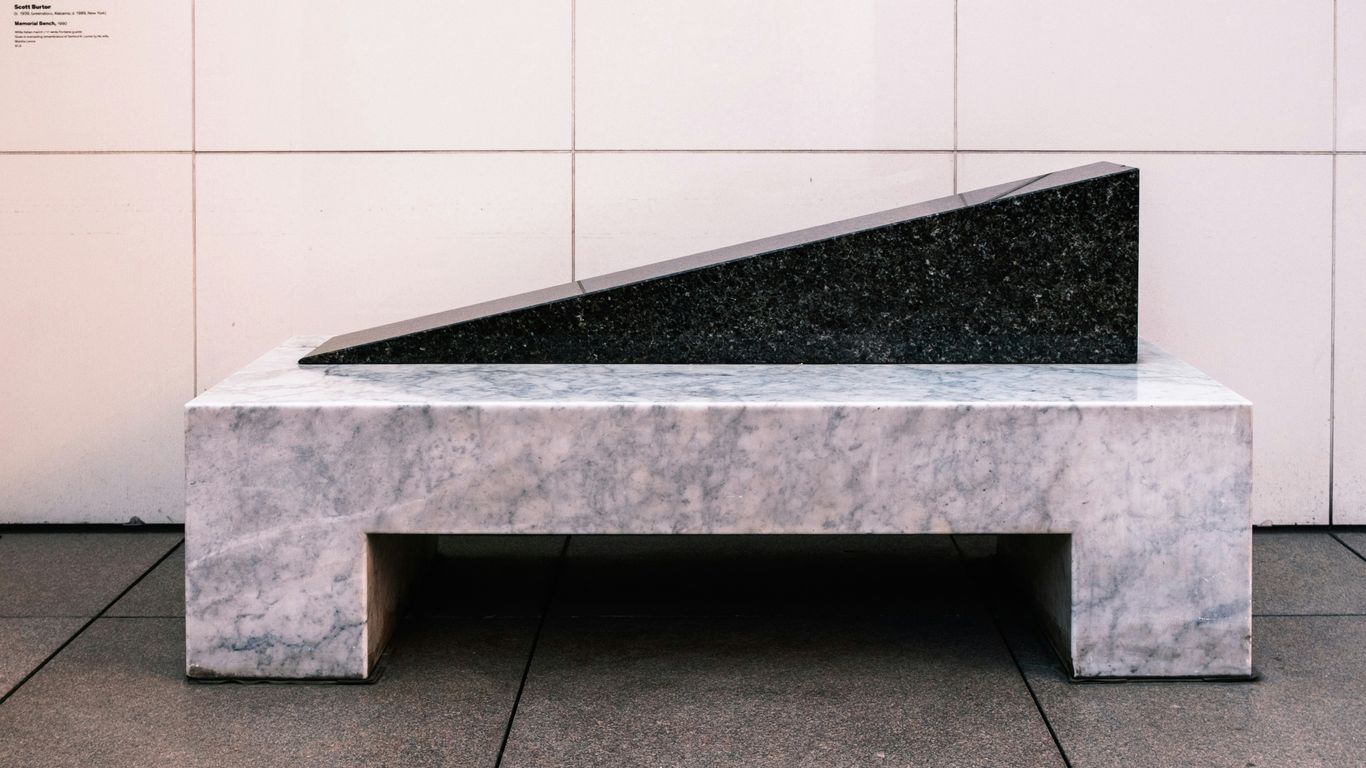
Dining tables need a realistic approach to food, drink, heat and repeated wiping. Honed marble is often chosen where a relaxed, tactile surface and less conspicuous light wear are priorities. Polished marble may suit a room where the table is intended as a bright focal point, provided users accept that reflections can reveal marks. For coffee tables, the choice also depends on books, ornaments, drinks and how closely people sit to the surface.
Console tables, desks and side tables
A polished console can catch daylight in an entrance hall, while a honed desk may feel calmer and less visually demanding during work. Writing directly on marble is best avoided without a protective mat, regardless of finish. Side tables generally have fewer concentrated spills, so visual preference may carry more weight than it would on a dining surface. The correct edge and base design should support that decision rather than compete with it.
Shelves, cabinets and occasional furniture
Shelves and cabinet tops usually experience less direct handling, making either finish viable. Polished marble can draw attention to a small architectural detail, whereas honed marble can sit comfortably beside timber, painted cabinetry or textured upholstery. Check the load, support and fixing method as carefully as the surface treatment. Natural stone is heavy, and access constraints may influence the final design.
Marble used in high-traffic commercial spaces
Hotels, restaurants and retail settings need a finish that suits the maintenance plan as well as the visual brief. Honed marble may offer a quieter appearance in areas where small changes are inevitable, while polished marble can provide a strong arrival moment or feature detail. Traffic levels, cleaning products, staff procedures and replacement expectations should be discussed before specification. Geoscenic Stone produces made-to-order stone furniture and architectural pieces for individual projects, with packing and delivery considered as part of the order.
A concise decision framework can help a project team compare the two finishes without treating one as universally superior:
| Consideration | Honed marble | Polished marble |
|---|---|---|
| Overall appearance | Soft, matte or satin-like | Glossy and reflective |
| Surface wear | Often less visually obvious | May catch light more clearly |
| Veining | Subtle and atmospheric | More visually pronounced |
| Best design effect | Relaxed, tactile and understated | Formal, bright and dramatic |
The table is a starting point, not a substitute for viewing the actual stone. A dark marble with strong veining can behave visually very differently from a pale, quiet slab in the same finish.
Honed vs polished marble for maintenance and care
Care is straightforward when it is consistent and proportionate to the material. Use clean, soft cloths, remove grit and attend to spills rather than allowing them to sit. Marble responds poorly to harsh acids and abrasive treatment, whether its surface is honed or polished. The finish may alter how a mark looks, but gentle habits protect both finishes.
Daily cleaning for honed surfaces
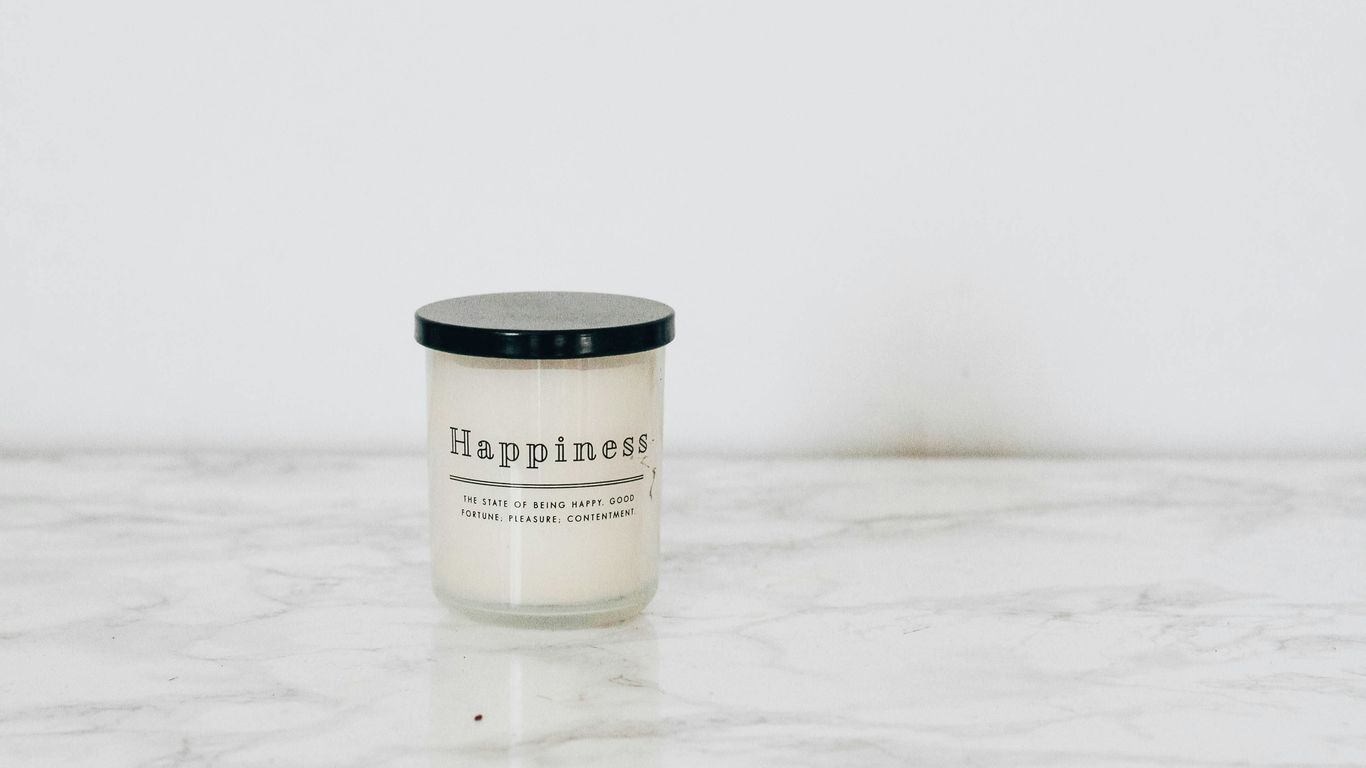
Dust and loose grit should be removed before wiping, since particles can drag across the surface. Use a soft cloth or sponge with a cleaner recommended for natural stone, then dry the area rather than leaving a film. Honed surfaces can show oily marks or darkened patches when moisture sits on them, so prompt drying is worthwhile. Avoid treating the naturally muted appearance as evidence that the surface needs aggressive scrubbing.
Daily cleaning for polished surfaces
Polished marble is best wiped with a soft, clean cloth and a pH-neutral stone cleaner where needed. Drying helps prevent streaks and keeps the reflective surface clear. Coasters, placemats and trays can reduce repeated contact with drinks, cosmetics or metal objects. If the polish becomes dull in a local area, household spray cleaners are rarely the right answer.
Products and practices to avoid
A small set of habits prevents many avoidable problems:
- Do not use acidic cleaners, vinegar, lemon or descaling products on marble.
- Do not scrub with scouring powders, rough pads or abrasive brushes.
- Do not drag ceramics, metal objects or gritty items across the surface.
- Do not leave coloured liquids, oils or wet plant pots standing for long periods.
These precautions apply to both finishes, although the visible result of a mistake may differ. When uncertain, test a product only according to the fabricator’s care guidance and in an inconspicuous area.
When professional refinishing may be needed
Professional attention may be appropriate when etching, deep scratches, chips or uneven dullness cannot be improved by ordinary cleaning. Refinishing is a surface process, so the result depends on the depth of damage, the marble and the desired finish. A polished surface may be returned to a higher sheen, while a honed finish requires its own consistent treatment. Discuss the likely outcome before work begins rather than assuming every mark can disappear completely.
Matching the finish to your interior design
The finish should support the mood of the room, not operate in isolation from it. Natural marble already introduces variation through veining, tone and mineral marks, so a reflective finish can make it more prominent while a honed surface can soften its presence. Look at the stone alongside flooring, joinery, metalwork and upholstery under the room’s actual lighting. A finish sample viewed in a showroom is only one part of the decision.
When honed marble suits relaxed and contemporary rooms
Honed marble works well when the scheme relies on quiet texture, natural materials and controlled contrast. Its reduced reflection can sit comfortably with oak, linen, plaster, brushed metal and soft upholstery. It is also useful where a large surface should feel grounded rather than theatrical. The result can be contemporary without becoming stark.
When polished marble creates a formal statement
Polished marble is a natural choice for a piece intended to catch attention. It can brighten a darker corner, emphasise a sculptural base or make a bold vein read as a deliberate feature. In a formal dining room, reception area or entrance, that reflective quality may be exactly what gives the furniture its presence. It should still be balanced with quieter surrounding materials.
Coordinating marble with wood, metal and upholstery
Warm timber can prevent polished marble from feeling cold, while honed marble can benefit from a sharper metal detail or a more structured silhouette. Upholstery adds another layer of touch and colour, helping the stone feel part of a room rather than an isolated sample. Consider the visual weight of the base as well as the top. A thick stone slab and a substantial pedestal need enough surrounding space to remain legible.
Using colour, veining and edge profiles together
The edge profile can amplify or soften the chosen finish. A crisp edge may reinforce the clarity of polished marble, while a softened edge can suit a honed, tactile surface. Strong veining may need a simpler profile so the pattern remains the focus; quieter stone may welcome a more distinctive edge. Natural variation means the selected slab should be reviewed before cutting wherever the project allows.
Making the final choice for your furniture
There is no universal winner in the honed vs polished marble decision. The better option is the one that fits the furniture’s use, the room’s light and the client’s tolerance for visible change. It is sensible to think about care before falling in love with a finish, but practicality should not erase the character that made marble appealing. A considered specification can accommodate both beauty and limitation.
Assessing lifestyle, usage and maintenance tolerance
Start with the actual routine: meals, children, pets, entertaining, work, cosmetics or mostly decorative use. Ask how comfortable you are with patina and whether a surface must remain visually crisp. If the furniture will be used heavily, a finish that disguises small changes may feel easier day to day. If maintenance is already disciplined, the visual rewards of polish may be worth the extra attention.
Considering lighting and room conditions
Natural daylight, spotlights and nearby windows can make polished surfaces more reflective than expected. A honed finish may be preferable where glare would distract, while polish can help a dim room feel more open. Humidity, ventilation and the position of plants or wet objects also matter. Consider the complete setting rather than selecting a finish from a photograph alone.
Balancing appearance, practicality and budget
Budget is affected by more than the visible finish. Stone selection, slab size, thickness, edge complexity, support, packing, destination and installation requirements can all influence a quotation. Made-to-order work also benefits from confirming dimensions early, since changes after an approved drawing may affect production. Geoscenic Stone works from project-specific specifications, so the quotation should be read as a record of the individual piece rather than a generic price.
Questions to ask your marble supplier or fabricator
Before approving the design, ask which slab will be used, how its variation will be reviewed and what finish sample best represents the proposed work. Confirm the finished dimensions, edge profile, supports, drillings, sealing and care instructions. It is also sensible to ask how the piece will be inspected, packed and delivered, especially where access or installation is complex. For an initial project discussion, prepare the room dimensions, intended use and preferred finish so the conversation can be specific.
Request a Considered Quotation
If you are commissioning a made-to-order marble piece, speak with Geoscenic Stone about the stone, finish, dimensions and production details suited to your project. The team can develop the specification around an approved drawing and the practical requirements of the destination.
Conclusion
Honed marble offers a quieter, more forgiving visual character, while polished marble brings reflection, contrast and ceremony; the right choice depends on how the furniture will be used and how the room is meant to feel. By considering care, lighting, natural variation, fabrication details and long-term expectations together, you can choose a finish that remains convincing beyond the first impression.
Frequently Asked Questions
Is honed marble more durable than polished marble?
Neither finish changes the fundamental durability of the marble, although honed surfaces can make fine scratches and etching less noticeable. Both require sensible handling, sealing where appropriate and gentle cleaning.
Does polished marble stain more easily than honed marble?
Staining depends mainly on the marble’s porosity, the substance involved and how quickly it is removed. Finish can affect how visible a mark is, but neither surface should be treated as stain-proof.
Which finish is better for a dining table?
Honed marble is often chosen for a relaxed table that needs to disguise light wear, while polished marble suits a more formal, reflective centrepiece. Household habits and willingness to use coasters and mats should guide the decision.
Can honed marble be polished later?
In some cases a stone professional can change the surface finish, but the feasibility depends on the piece, its damage and its construction. Discuss the intended future finish before assuming a straightforward conversion.
Does honed marble need sealing?
Honed marble may need sealing, just as polished marble may, because the stone itself can be porous. The suitable product and renewal interval depend on the specific marble and its use.
Which finish shows fingerprints more clearly?
Polished marble can reveal fingerprints and smears through reflected light, particularly in strong daylight. Honed marble may hide some surface marks but can show oily or damp patches in another way.
How should marble furniture be cleaned?
Remove dust and grit gently, wipe spills promptly and use a pH-neutral cleaner intended for natural stone. Avoid acids, abrasive products and rough pads on either finish.