
Key Takeaways
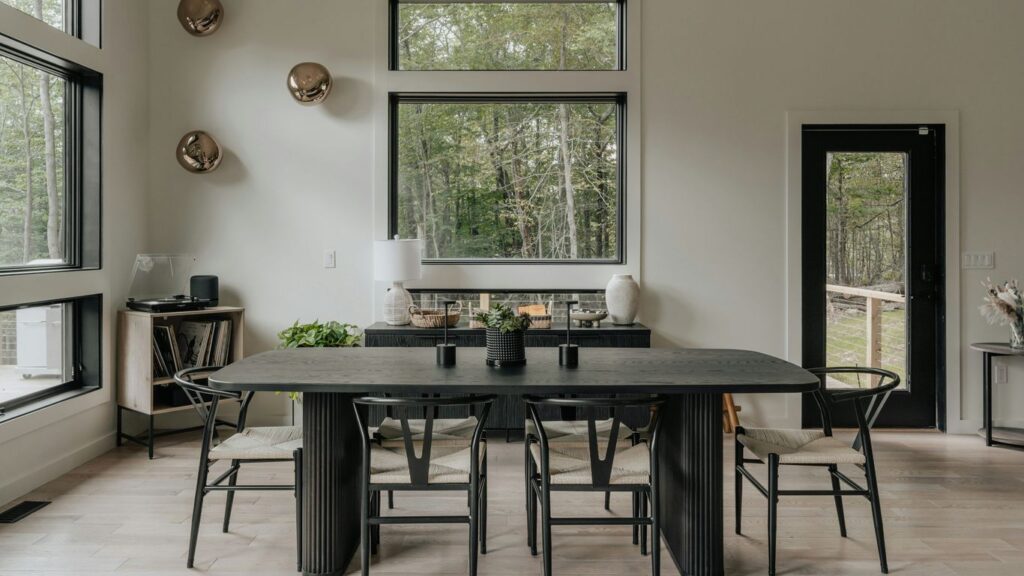
Marble and sintered stone can both make striking dining tables, but they suit rather different routines and expectations.
- Marble offers natural veining, variation and a distinctive sense of character.
- Sintered stone generally provides a more consistent appearance and simpler everyday care.
- Marble needs quicker spill response, especially around acidic food and drink.
- Table size, edge design, support and delivery access matter as much as the surface.
- The best choice depends on how you live with the table, not only how it looks in a photograph.
Marble vs sintered stone dining table: Key differences at a glance
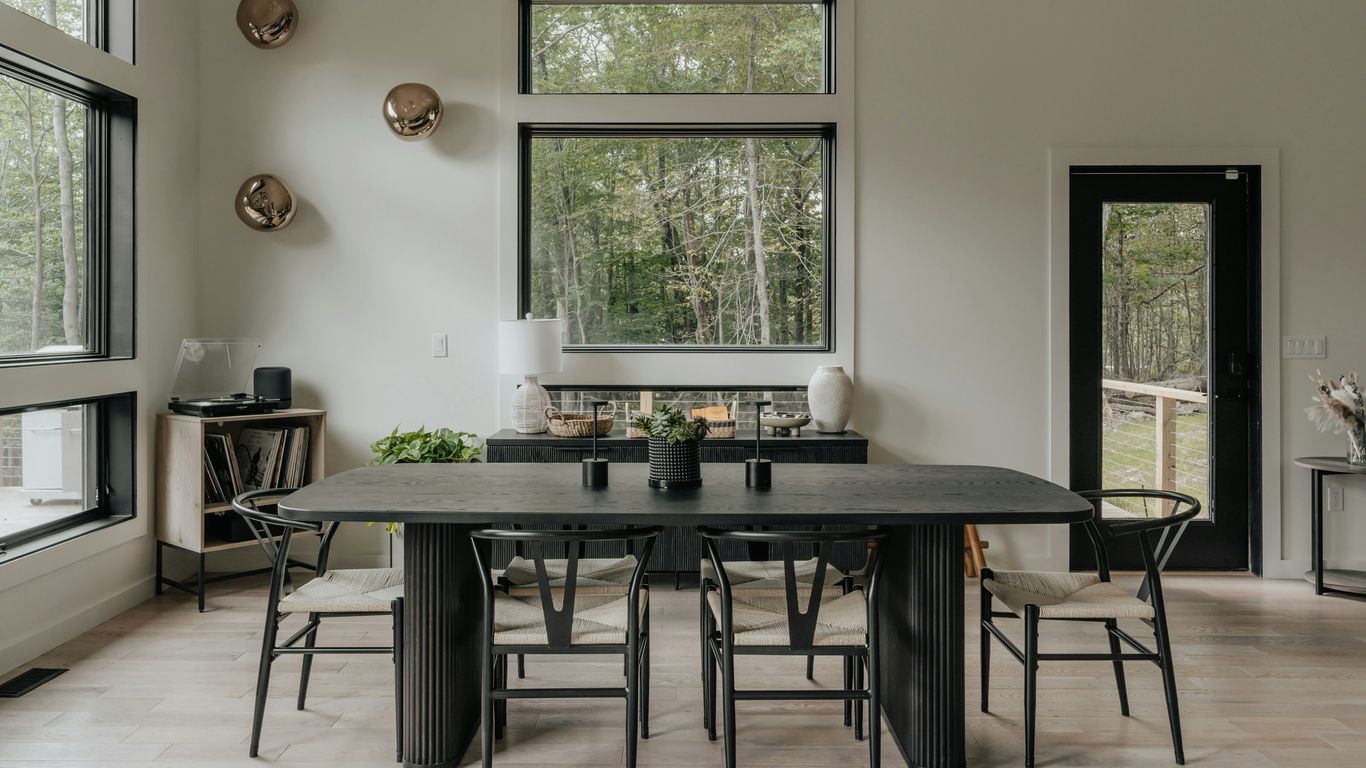
The choice between these materials is less about finding one universal winner and more about balancing appearance, maintenance and use. Marble is a natural stone with variation built into every slab, while sintered stone is an engineered surface designed for consistency. A thoughtful comparison should include the whole table, including its base, edges, dimensions and installation requirements.
How marble and sintered stone are made
Marble forms naturally over geological time, so its colour, veining, mineral movement and small marks are part of the material’s identity. Sintered stone is manufactured from mineral material consolidated under intense heat and pressure. The result is a more controlled surface, although the exact construction and performance still depend on the manufacturer and specification.
Natural character versus engineered consistency
A marble slab is selected for its individual composition rather than for perfect repetition. Two tables made from the same named marble can look noticeably different. Sintered stone tends to offer more predictable colour and patterning, which can be helpful when coordinating a dining table with cabinetry, flooring or several pieces of furniture.
Comparing durability, maintenance and longevity
Sintered stone is generally chosen where resistance to routine marks, heat and spills is a priority. Marble can last for generations, but it asks for more considerate use and cleaning. Longevity therefore depends not just on hardness, but on whether the household is comfortable with the care the surface requires.
Which material suits different dining habits?
A quiet dining room where meals are served carefully may suit marble beautifully. A busy household with frequent spills may prefer the lower-maintenance rhythm of sintered stone. For broader guidance on choosing a natural surface, this marble dining table guide is a useful companion when comparing size, finish and lifestyle.
Appearance and design versatility
The tabletop occupies a large visual area, so its character can set the tone for the entire dining space. Marble tends to bring movement and softness through its veining, while sintered stone can create a cleaner, more uniform architectural effect. Neither is limited to one interior style; the surrounding chairs, lighting and base usually determine whether the finished room feels warm, formal or contemporary.
Marble veining, colour variation and natural uniqueness
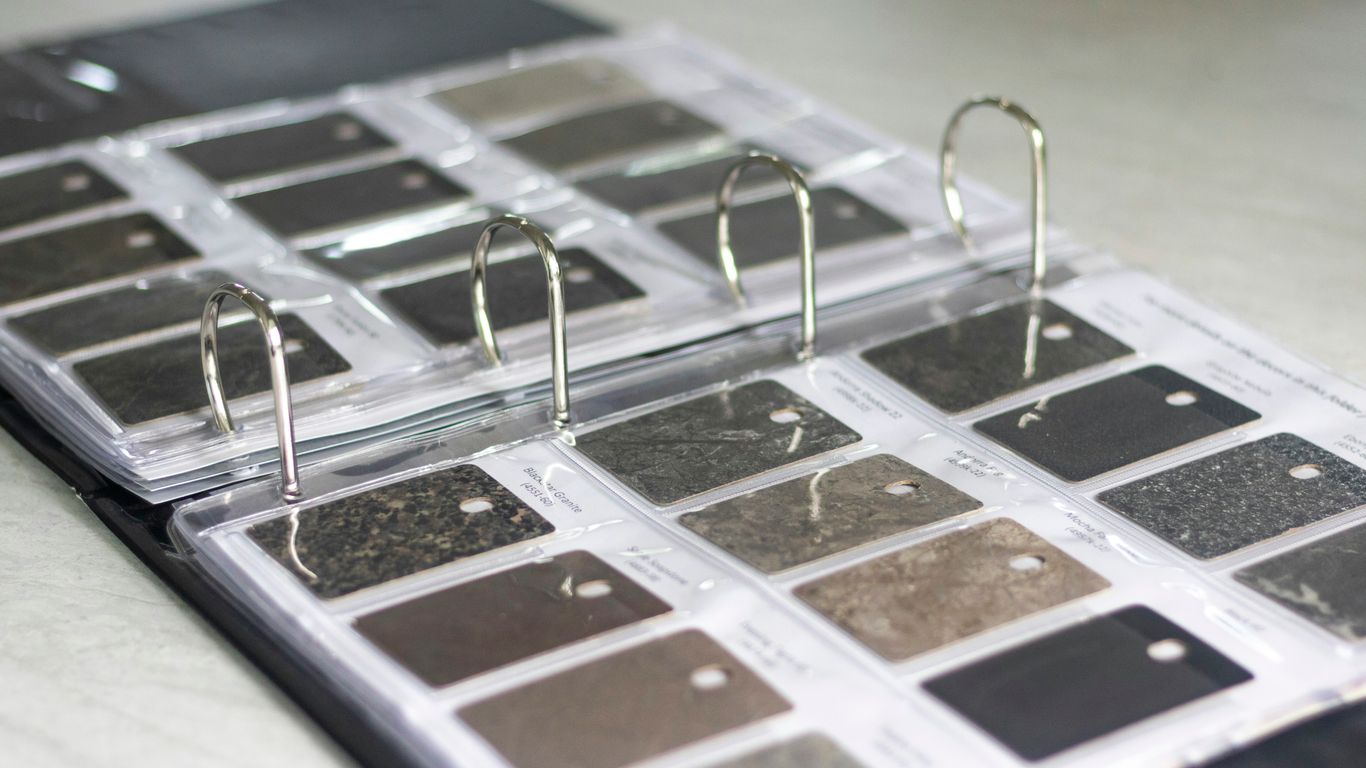
Marble may contain delicate lines, broad cloudy movement or stronger contrasting veins. These features will not necessarily appear in the same position as they do on a sample or photograph. Treating variation as part of the design helps set realistic expectations, particularly when commissioning a large top where the slab’s composition becomes more visible.
Sintered stone finishes and contemporary styling
Sintered stone is available in a range of colours and visual effects, including surfaces designed to echo stone. Its consistency can work well with restrained interiors, dark metal bases or pale timber. A matt, textured or polished finish will change how light moves across the top, so the sample should be viewed in the room where possible.
Matching the tabletop with dining chairs and interiors
Start with proportion rather than trying to match every colour exactly. A strongly veined marble can be balanced by simple chairs, while a quieter sintered surface may allow more sculptural seating or a decorative pendant. Timber, brushed metal and upholstered chairs can all soften the visual weight of a stone top.
How each material looks in open-plan spaces
In an open-plan room, a dining table often needs to connect the kitchen and living areas without disappearing into either. Marble can act as a one-off focal point, whereas a consistent sintered surface may sit more quietly alongside joinery. Geoscenic Stone makes made-to-order marble furniture and architectural pieces, so dimensions and finishes can be considered alongside the wider project rather than treated as an isolated purchase.
Durability and everyday performance
A dining table encounters hot serving dishes, cutlery, glasses, children’s activities and the occasional careless impact. Surface performance matters, but it is only one part of the assessment: the edge profile, slab thickness, base and installation also affect how the table behaves. Ask for the intended care instructions and limitations before committing to a finish.
Resistance to scratches, stains and heat
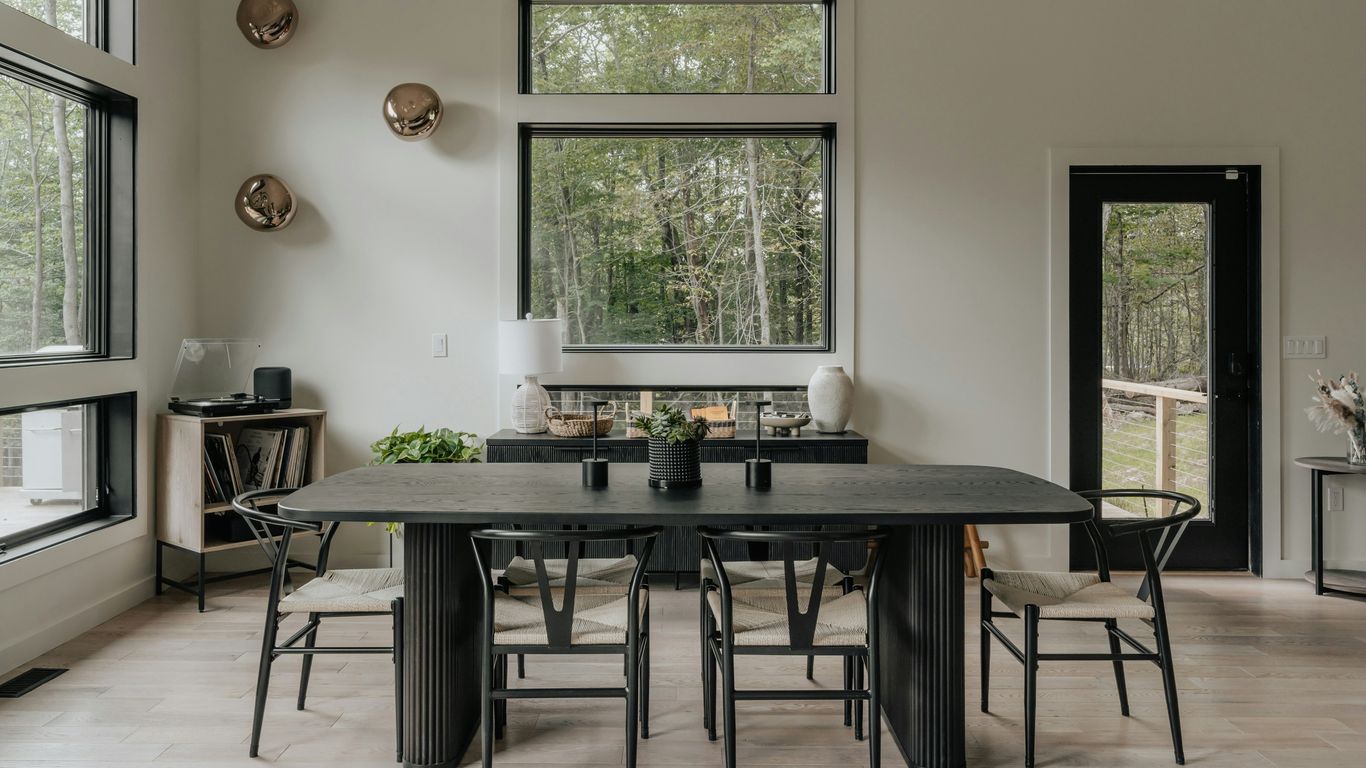
Sintered stone is commonly selected for its resistance to everyday scratching, staining and heat, although no surface should be treated as indestructible. Marble can mark more readily depending on its finish and use. Hot cookware, gritty objects and dragged crockery are best handled carefully on either material.
How marble reacts to acids and spills
Acidic ingredients such as citrus, vinegar and some wines can react with marble and leave a duller patch known as etching. This is different from a stain: cleaning may remove residue, but it will not necessarily restore the original sheen. Promptly blotting spills is sensible, especially where the surface is polished.
Sintered stone’s performance under heavy use
Sintered stone can be a practical option for households that want to wipe the table down after meals without building a detailed maintenance routine around it. It still benefits from sensible handling, and the manufacturer’s instructions should take precedence over broad material claims. This sintered stone and marble comparison gives a useful lifestyle-focused view of the same decision.
Edges, impact damage and structural considerations
A thin-looking edge may be a solid slab, a shaped profile or a constructed detail, and those options can behave differently under impact. Corners deserve particular attention in narrow circulation routes. A stable base, correctly distributed support and suitable floor protection are just as important as the surface’s technical properties.
Cleaning and maintenance requirements
The simplest maintenance plan is the one that fits naturally into the end of a meal. Both materials should be cleaned according to their specified finish, with abrasive pads and unapproved chemicals avoided. A clear care routine also helps everyone in the household understand what can safely be left on the table and what should be removed quickly.
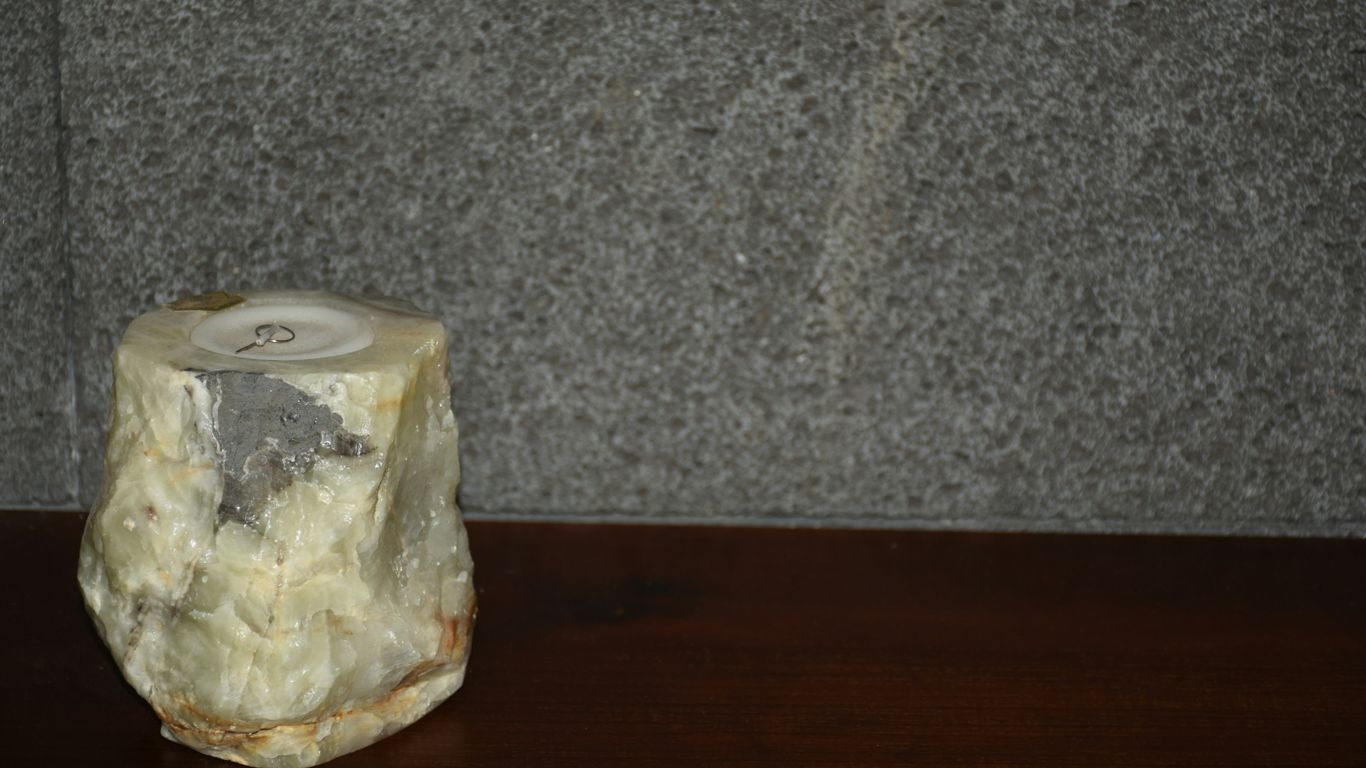
Best ways to clean a marble dining table
Use a soft cloth and a mild, suitable cleaner, then dry the surface rather than allowing water to sit. Food residue should be lifted without aggressive scrubbing. For polished marble, gentle handling helps preserve the surface appearance; honed or textured finishes may disguise some marks but still need appropriate care.
Preventing etching, staining and water marks
Coasters, placemats and prompt attention to spills reduce the likelihood of visible marks. Water rings can arise from condensation or residue, while oily food and dark liquids may be more difficult to remove from porous stone. Sealing can provide added protection, but it does not make marble immune to etching or careless use.
Caring for a sintered stone surface
Routine care is usually straightforward: remove crumbs, wipe with a suitable cleaner and dry any pooled water around edges or joints. Avoid assuming that a highly resistant surface cannot be damaged by impact or unsuitable products. Keep the specific care sheet supplied with the table so that future cleaning remains consistent.
Sealing, coasters and other practical precautions
Marble may need resealing at intervals determined by its stone, finish and use. Sintered stone generally does not require the same sealing routine, but the specification should confirm this. In either case, lifting objects rather than dragging them and using trivets for very hot items are small habits that prevent avoidable wear.
Cost, value and long-term ownership
The quoted price of a stone dining table reflects more than the material name. Size, slab selection, finish, edge treatment, base construction, fabrication, packing, destination and access can all affect the total. A lower initial price is not automatically better value if the table is difficult to maintain or unsuitable for the room.
Purchase price and what affects it
Marble pricing can vary significantly according to rarity, slab availability, colour movement and the amount of selection involved. Sintered stone may offer more predictable material pricing, though premium finishes, large formats and bespoke fabrication can still raise the cost. This marble table cost guide offers useful context on size, finish and base-related price factors.
Installation, weight and delivery considerations
Stone is heavy, and a large top may require careful planning from the fabricator through to the final room. Check lift sizes, stairwells, door widths and floor protection before production begins. For a made-to-order piece, the quotation should clarify what is included for packing, delivery and installation rather than leaving those assumptions unstated.
Repairability and replacement costs
Minor surface issues may sometimes be treated or refinished, but the options depend on the material, finish and severity of damage. A chipped edge or cracked slab can be more complicated, especially where the original stone is no longer available. Keeping the approved drawings, material details and care information can make future discussions more productive.
Which table offers better value over time?
Value is partly financial and partly practical. Marble may be worthwhile for someone who wants a singular natural centrepiece and accepts visible change over time. Sintered stone may offer stronger day-to-day value for a household that prioritises predictable care and regular use.
| Consideration | Marble | Sintered stone |
|---|---|---|
| Visual character | Natural variation and individual veining | More consistent colours and patterns |
| Everyday care | Requires prompt, careful cleaning | Usually simpler routine cleaning |
| Spill tolerance | More sensitive to acids and staining | Generally more forgiving of routine spills |
| Long-term appeal | Develops a distinctive, material-led character | Retains a controlled contemporary appearance |
This comparison is a starting point rather than a technical specification. The actual finish, construction and supplier guidance should be checked for the particular table being considered.
Choosing the right table for your household
The right material should fit the way the dining room is actually used, including rushed breakfasts, long dinners, homework, celebrations and cleaning habits. Consider who sits at the table, how much space surrounds it and whether the surface is expected to look unchanged or to develop signs of use. A beautiful choice that creates constant anxiety may not be the most successful one.
The best option for families with young children
Sintered stone can suit families who want a surface that is generally easier to wipe after everyday mess. Rounded corners, stable support and an appropriate height still matter, since surface resistance does not remove ordinary safety concerns. Marble remains possible, but it requires a household willing to respond quickly to spills and accept that marks may occur.
The best option for frequent entertainers
Frequent hosts may value sintered stone’s consistent appearance and straightforward clean-up after several courses. Marble can make a memorable centrepiece for entertaining, particularly when the host is comfortable using coasters, trivets and mats. Think about the kind of hosting you do, rather than assuming that a formal dining room receives gentle treatment.
Choosing based on pets, mess and daily wear
Pets and everyday traffic can bring grit, moisture and unexpected knocks close to the table. A sintered surface may reduce worry around routine mess, while marble rewards more deliberate housekeeping. In both cases, the base should allow comfortable cleaning beneath the table and should not create awkward corners in the circulation path.
When marble or sintered stone is the better investment
Choose marble when natural variation, tactile depth and a one-off appearance are central to the brief. Choose sintered stone when consistent styling, easier routine care and busy use carry more weight. Geoscenic Stone works from an approved drawing for each order, with material, dimensions, finish, edges and other details confirmed before production, which can be valuable when the table must fit a particular room.
Practical buying checklist
A convincing showroom impression is not enough to approve a dining table. The practical questions concern how people will sit, how the table will enter the building, how the top is supported and what the chosen finish will require. Ask for clear answers in writing, especially where a made-to-order piece is involved.
Selecting the right size, shape and seating capacity
Measure the room with chairs pulled back from the table, not just the empty floor area. Allow enough clearance for people to pass and for doors, drawers and nearby furniture to operate. Round, oval, rectangular and square tops create different circulation patterns, so the shape should follow the room as well as the desired number of seats.
Checking tabletop thickness, support and stability
Ask whether the stated thickness is the actual slab thickness or includes a built-up edge. Confirm where the base supports the top and whether the design has been checked for stability at its intended size. A visually light table still needs sufficient structural support and a level installation surface.
Reviewing samples, finishes and colour variation
View a physical sample or, where possible, the proposed slab rather than relying only on screen images. Check how polished, honed or textured finishes respond to daylight and indoor lighting. Natural marble will vary in tone, veining and mineral detail, while engineered surfaces should still be assessed for the particular batch and finish.
Questions to ask the retailer before buying
A short written checklist keeps the conversation focused. Ask about the material specification, care instructions, edge profile, base construction and what the quotation includes. Also clarify the following points before approving production:
- What are the final dimensions and finished weight?
- How will the table be packed, delivered and brought into the room?
- Which care products and precautions are recommended?
- What happens if the approved material varies from the sample?
The answers should help you compare complete proposals rather than surface prices alone. Geoscenic Stone’s factory-to-order approach is designed around project-specific dimensions and production details, so request a quotation when a standard table does not resolve the room’s requirements.
A measured quotation and approved drawing can prevent avoidable surprises later, particularly for large stone furniture and difficult site access.
Conclusion
Marble brings natural individuality and a strong sense of occasion, while sintered stone offers a more controlled appearance and generally easier everyday care. Choose the material that matches your tolerance for maintenance, your preferred visual character and the practical demands of the room. With careful attention to dimensions, support, finish, access and the full quotation, either can become a lasting dining centrepiece.
Frequently Asked Questions
Is marble or sintered stone better for a dining table?
Neither is universally better. Marble suits buyers who value natural variation and accept more careful maintenance, while sintered stone often suits busy households seeking a consistent, lower-maintenance surface.
Can hot pans be placed on a sintered stone dining table?
Sintered stone is commonly selected for heat resistance, but the manufacturer’s instructions should always be followed. Trivets remain sensible, particularly for prolonged or extreme heat and for protecting edges or adjacent finishes.
Does marble stain easily?
Marble is porous to varying degrees and can stain if spills are left unattended. Sealing may improve resistance, but it does not prevent all staining or protect the surface from acid etching.
Does marble need to be sealed?
Many marble tables benefit from sealing, with the timing depending on the stone, finish and pattern of use. Sealing is a maintenance measure, not a substitute for prompt cleaning and sensible precautions.
Is sintered stone completely scratch-proof?
No surface should be treated as completely scratch-proof. Sintered stone is generally resistant to everyday scratching, but grit, sharp impacts and unsuitable handling can still cause damage.
Which material is easier to clean?
Sintered stone is usually easier for routine wipe-downs and spill management. Marble can also be cleaned successfully, but it needs gentler products and quicker attention to acidic or strongly coloured substances.
What should I check before ordering a stone dining table?
Confirm the material, finish, dimensions, thickness, edge, base, finished weight, access route, delivery arrangements and care instructions. A physical sample or slab review is also helpful because colour, pattern and surface response can differ from photographs.