

Key Takeaways
Marble rewards simple, consistent care rather than aggressive cleaning. These habits will help you prevent and manage marble table stains without compromising the stone’s finish.
- Use coasters, mats and placemats to limit contact with spills and heat.
- Blot spills promptly instead of rubbing them into the stone.
- Identify whether a mark is a stain, etch, ring or mineral deposit before treating it.
- Use pH-neutral products, soft cloths and cautious, targeted treatments.
- Ask a stone restoration professional to assess persistent damage or uneven finishes.
Understand why marble tables stain
Marble is a natural stone with pores and mineral variation, so its surface is not completely impervious to liquids. A spill may remain on top for a while, but given enough time some substances can travel into the stone. The safest approach is to understand what has happened before reaching for a strong cleaner. Natural variation is part of marble’s character, not necessarily a sign of poor quality.
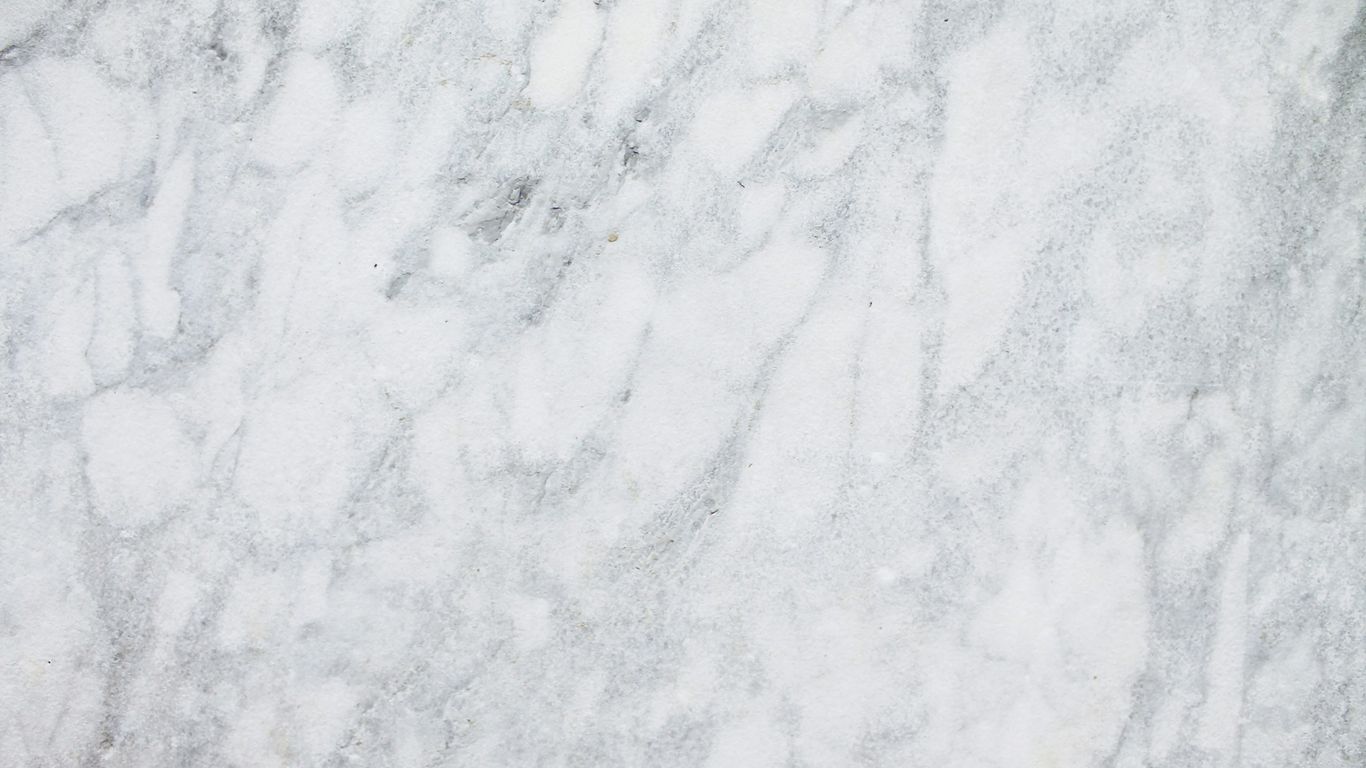
How marble’s porous surface absorbs liquids
The pores in marble can take in water, coloured drinks, oils and other liquids, particularly where the surface is unsealed or the protective treatment has weakened. Absorption may be more visible on pale stones, although darker marble can also show marks. A polished finish can slow the process, but it does not make the table maintenance-free. For a broader care overview, see this marble table care guide.
The difference between stains and etching
A stain is usually colour that has entered or settled on the stone. Etching is different: it is a dull, pale or rough-looking change caused when an acidic substance reacts with the marble surface. Coffee, wine or fruit juice may stain, while lemon juice or vinegar can etch even when no coloured mark remains. Cleaning will not reverse etched stone because the surface itself has been altered.
Common causes of marble table stains
Dining tables encounter more potential staining agents than a decorative console. Food, sauces, tea, coffee, wine, cooking oils, cosmetics, plant water and metal objects can all leave marks. Rings may also form when moisture sits beneath a glass or vase for too long. A useful marble dining table guide can help you consider care requirements alongside the table’s size, finish and intended use.
Why acidic and oily substances need extra care
Acidic liquids can etch the surface, while oils can penetrate and leave a darker translucent patch. Both problems become harder to manage when a spill is left undisturbed. Prompt, gentle action is more useful than scrubbing, which may spread the substance or dull the finish. Keep acidic ingredients, oily products and cosmetics on a tray or mat wherever possible.
Prevent marble table stains before they happen
Prevention is mostly about creating a small buffer between the stone and everyday use. Coasters, mats and prompt spill response reduce the amount of time liquid spends on the surface. The right sealer can add protection, but it cannot replace sensible habits. If you are commissioning a table, confirm the stone, finish and intended use before production begins.
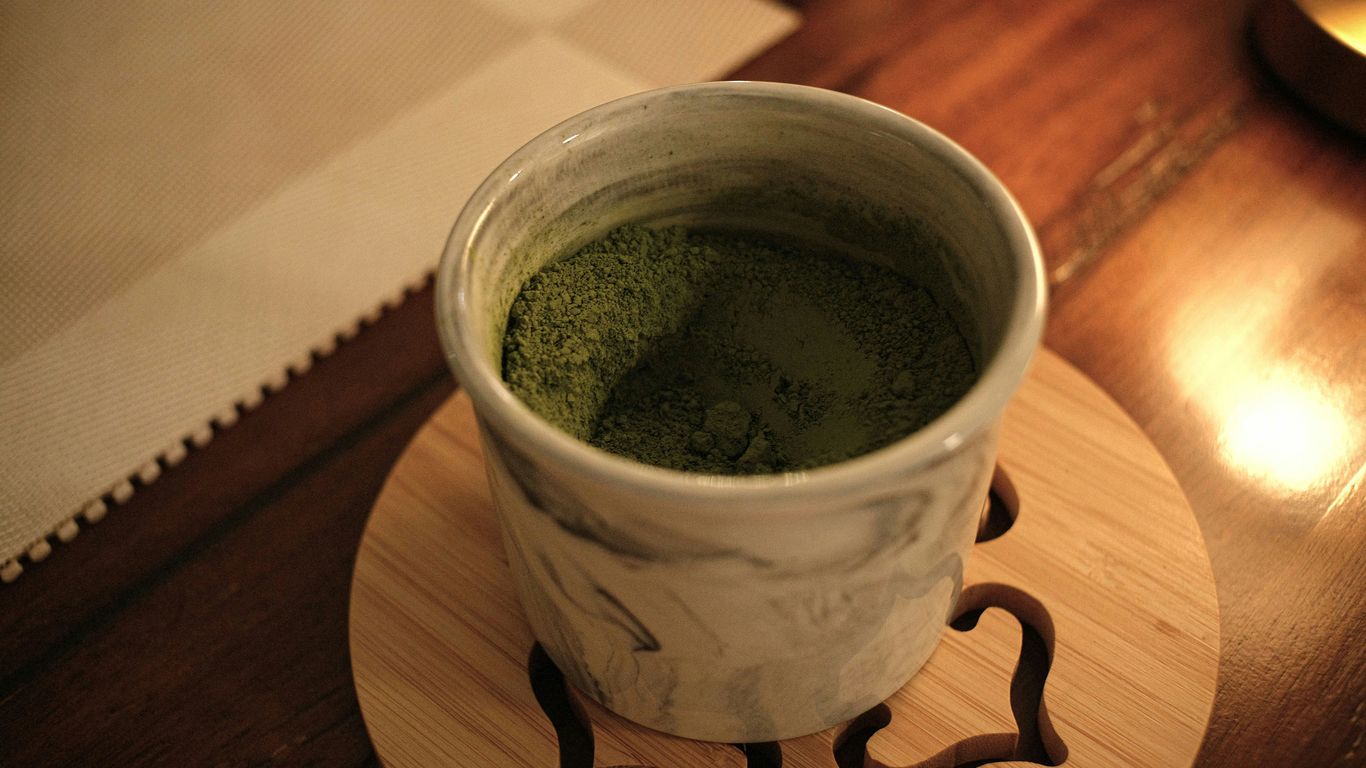
Use coasters, placemats and table mats
Coasters catch condensation beneath cold glasses, while placemats protect the main eating area from food, sauces and cutlery. Use trivets for hot serving dishes and mats beneath vases or planters. Choose accessories with clean, dry undersides so grit does not become trapped and scratch the surface.
Wipe up spills as soon as possible
Lift solids first, then blot liquid with a clean, absorbent cloth. Avoid dragging a wet cloth across a large area, especially when the spill is oily or strongly coloured. Rinse the cloth as needed and finish by drying the area. This simple response is often enough to prevent a fresh spill from becoming a lasting mark.
Choose safe products for serving and decorating
Avoid placing metal objects, damp ceramics, rubber-backed accessories or unglazed pottery directly on marble for long periods. Some materials retain moisture or contain residues that can mark the surface. Check decorative items regularly, particularly in humid rooms. For project teams managing several surfaces, a written stone care schedule can make inspections easier to organise.
Apply a suitable marble sealer
A sealer can reduce absorption, but its suitability depends on the marble, finish and use of the table. It does not make the stone stain-proof or protect it from acid etching. Follow the sealer manufacturer’s instructions, and do not apply a new product over dirt, old residue or an incompatible treatment. For a made-to-order piece, Geoscenic Stone confirms the material and finish in an approved production drawing before the piece is produced.
Clean a marble table safely for everyday care
Routine cleaning should remove dust, crumbs and light residue without changing the appearance of the stone. Work gently and use as little moisture as necessary. Always check the care guidance for the particular marble and finish, since polished and honed surfaces can show wear differently. A calm routine is safer than occasional heavy cleaning.
Remove dust and crumbs without scratching the surface
Use a soft, clean microfibre cloth or a soft brush to lift loose debris. Do not wipe grit across the tabletop with a dry, coarse cloth, as small particles can create fine scratches. Shake cloths out away from the table and wash them without fabric softener if possible. Dry dusting is especially useful before damp cleaning.
Use a pH-neutral cleaner and a soft cloth
For everyday marks, use a pH-neutral stone cleaner or a small amount of mild soap diluted according to its instructions. Wipe with a soft cloth, then remove residue with clean water and dry the table. Too much product can leave a film that attracts dust. This advice is consistent with a neutral stone cleaning guide, though the marble supplier’s instructions should take priority.
Deal with sticky residue without harsh scrubbing
Place a warm, damp cloth over the residue briefly to soften it, then lift it with a plastic scraper held nearly flat. Repeat rather than forcing the mark off in one pass. Follow with a gentle clean and dry the surface thoroughly. Metal blades and abrasive pads can scratch or alter the sheen.
Products and cleaning methods to avoid
Do not use vinegar, lemon, acidic limescale removers, bleach mixtures, abrasive powders or rough scouring pads unless a stone professional has specifically advised it. Strong alkaline products can also damage some finishes. Steam cleaning and prolonged soaking are poor choices for a furniture surface. A practical marble cleaning reference can help when you are comparing everyday methods.
Identify the type of marble table stain
A mark’s colour, position and texture often give clues about its cause. Look at the surface in natural light and run a clean fingertip over it without pressing. If the mark is coloured but the surface still feels smooth, it may be a stain; if it is pale, dull or rough, consider etching. Correct identification prevents you from applying an unsuitable treatment.
Organic stains from food, drinks and leaves
Coffee, tea, wine, fruit, sauces and leaves can leave pink, brown, yellow or greenish marks. Organic stains may be concentrated around the edge of a ring or beneath a damp object. Remove the source first, then clean gently and allow the area to dry fully before judging the result. Some colour may fade as moisture evaporates.
Oil-based stains from cooking and cosmetics
Cooking oil, grease, butter, hand cream and body oil commonly create darker, translucent patches. The mark may look wet even after the surface feels dry. Avoid spreading it with a damp cloth; blot first and consider a poultice if the discolouration remains. Oils often need more patience than a fresh water-based spill.
Rust and metal stains
Orange or brown marks beneath metal legs, cans or decorative objects may indicate rust transfer. Do not treat them with an ordinary acidic rust remover, since acid can etch marble. Remove the metal source and seek a product specifically labelled for use on marble, testing it first in a hidden area.
Water marks, rings and mineral deposits
A white ring may be residue from evaporation, or it may be an etched area where an acidic drink sat beneath a glass. Mineral deposits can feel slightly raised, whereas etching usually feels dull or subtly rough. Avoid scraping with a blade. If gentle cleaning does not change the mark, professional assessment is safer than repeated chemical treatment.
Ink, paint and other difficult stains
Ink and paint need careful handling because solvents that dissolve them may also affect the finish or carry colour deeper into the stone. Lift wet paint without spreading it, and do not experiment with nail-polish remover or paint thinner. Take a photograph and note what caused the mark before selecting a treatment. This is also a sensible point to consult a specialist guide to removing marble stains.
Remove marble table stains with targeted treatments
Stain removal is most successful when the treatment matches the substance and is given time to work. Begin with the least aggressive method, keep the treated area small and stop if the finish changes. Do not expect every mark to disappear completely, particularly where the stone has etched or the substance has penetrated deeply. Patience matters more than force.
Blot the affected area before cleaning
Use white kitchen paper or a clean white cloth to absorb fresh liquid. Press down and lift repeatedly rather than rubbing from the outside towards the centre. Once the excess is removed, clean the area with a pH-neutral product and dry it. Coloured cloths should be avoided because dye can transfer to porous stone.
Make and apply a suitable poultice
A poultice is a damp absorbent paste placed over a stain to draw material towards the surface as it dries. A commonly used simple approach is to combine baking soda with enough water to form a thick paste, although the method should be tested first and adjusted for the stain. Spread it over the affected area, cover it as directed by the chosen recipe, then remove it gently after it has dried. This homemade poultice method explains the general process, but it should not be treated as suitable for every marble or finish.
The poultice must be removed without scraping or leaving residue behind. Rinse carefully, dry the area and wait before repeating. Several mild treatments may be safer than one concentrated chemical application.
Adjust the treatment for oil-based and organic stains
Oil marks generally need an absorbent treatment that can draw grease from the pores, while organic marks may respond differently to a suitable water-based or peroxide-containing approach. Never combine treatments or add chemicals simply because the first attempt was slow. Follow the product instructions and keep ventilation adequate. If the mark is actually etching, neither approach will restore the lost surface sheen.
Test every cleaning method on an inconspicuous area
Test a small amount beneath the table edge or in another hidden place before treating the visible mark. Check for colour change, dullness, residue and texture after the test area has dried. This is particularly important for honed, leathered or otherwise textured finishes. Keep a record of what was used if several people are caring for the table.
Know when repeated treatment may damage the finish
Stop when the stain is improving only slightly but the surrounding surface is becoming lighter, rougher or glossier. Repeated wetting can enlarge a halo, and repeated rubbing can create an uneven patch. If careful treatment has not worked after a reasonable attempt, the next step may be assessment rather than another home remedy. The wider question of protecting marble from stains is often more useful than chasing one mark with increasingly strong products.
Repair etching, discolouration and damaged surfaces
Not every visible defect is something that cleaning can solve. Etching, scratches, worn sealer and uneven polishing affect the surface itself, while stains affect its colour. Examine the table when it is clean and dry, preferably in side light. A clear diagnosis protects both the finish and the natural variation of the stone.
Tell the difference between a stain and acid etching
A stain usually changes colour while leaving the surface relatively smooth. Acid etching often appears as a pale, cloudy or dull patch that catches the light differently from the surrounding area. Water can make either problem harder to judge, so allow the table to dry completely. If the mark follows the shape of a lemon wedge or glass base, acid contact is a strong possibility.
Restore light etching with careful polishing
Very light etching may respond to a marble polishing powder designed for the specific finish, but polishing changes the surface and should not be approached casually. Follow the product directions exactly and use clean equipment. A polished surface and a honed surface may require different methods. When uncertain, leave the area alone until a stone professional can inspect it.
Address dull patches and uneven sheen
Dullness can result from abrasion, residue, incompatible cleaning products or localised polishing. Cleaning harder will not necessarily restore an even sheen and may make the contrast more obvious. Compare the affected area with a similar part of the table, taking account of natural veining and mineral movement. If the finish has been altered, a controlled refinishing process may be needed.
When to contact a stone restoration professional
Contact a professional when the damage is widespread, deep, recurring or close to an edge, joint or fixing. Professional advice is also sensible for rust, ink, paint and unknown chemical exposure. Geoscenic Stone produces made-to-order furniture and architectural pieces from selected stone through cutting, finishing, inspection and packing; for a new commission, those stages are confirmed against the approved drawing rather than assumed from a photograph. Existing surface damage, however, should be assessed by a restoration specialist.
Maintain a marble table for long-term protection
Long-term care is a series of small checks rather than a single treatment. Keep the table dry after cleaning, watch for changes in the finish and respond early to new marks. A written routine is useful in homes, hospitality settings and project spaces where several people use the table. It also helps preserve a clear record of the stone and finish.
Check the sealer and reapply it when necessary
Sealer performance depends on the marble, the product and the amount of use. Water behaviour can provide a rough indication, but it is not a complete test and should not replace the manufacturer’s guidance. Reapply only with a compatible product and on a properly prepared surface. Over-sealing can leave residue or change the appearance.
Build a regular cleaning and inspection routine
A simple routine might include these steps, adapted to how often the table is used:
- Remove loose crumbs and grit with a soft cloth.
- Wipe spills promptly and dry the surface.
- Inspect beneath objects, mats and decorative pieces.
- Check for changes in sheen, rings, scratches or open joints.
After this quick check, record any new mark and its likely cause rather than guessing later. For teams maintaining multiple rooms, clear maintenance planning advice can help keep responsibilities visible, even though the care itself remains specific to the stone.
Protect the table during parties and everyday use
Set out coasters and serving mats before guests arrive, and place bottles or flower arrangements on dry trays. Ask people not to sit or stand on the table, and avoid sliding ceramics or heavy objects across it. In restaurants, hotels and retail settings, staff briefing is as useful as the choice of sealer. Geoscenic Stone’s factory-to-order process accounts for the individual piece, weight, packing, destination and site requirements when preparing a quotation, so care planning should begin with the intended setting.
Keep care instructions for your specific marble finish
Record the stone name if known, whether the surface is polished or honed, the sealer used and any approved cleaning products. Keep this information with the maintenance documents rather than relying on memory. If the table is moved, pass the instructions to the new caretaker. Where metal components are present, also keep any relevant corrosion protection guidance for those components separate from the marble-care instructions.
Commission with Care
If you are planning a made-to-order marble table or another stone piece, speak with Geoscenic Stone about the material, dimensions, finish, approved drawing and project requirements, then request a quotation for the individual commission.
Conclusion
Marble table stains are easier to prevent than to reverse, but careful diagnosis and gentle treatment can resolve many everyday marks. Use barriers, clean promptly, choose compatible products and seek professional help when the surface itself has been etched or damaged. With a clear routine, the stone can develop its natural character while remaining practical for daily use.
Frequently Asked Questions
Can marble table stains be prevented completely?
No. Sealing and sensible habits reduce the risk, but marble remains a natural, porous material that can stain or etch under the right conditions.
Is vinegar safe for cleaning a marble table?
No. Vinegar is acidic and can etch marble, leaving a dull or cloudy patch rather than simply removing dirt.
What should I do when I spill red wine on marble?
Blot the spill immediately with a clean white cloth, then clean gently with a suitable pH-neutral product and dry the surface. Do not scrub.
How can I tell whether a mark is a stain or etching?
A stain usually changes the colour of the stone, while etching often looks pale, cloudy or dull and may feel subtly different from the surrounding surface.
Can baking soda remove marble stains?
A baking soda poultice may help draw out some stains, but it should be tested first and used carefully. It will not repair etching or deep surface damage.
How often should a marble table be sealed?
There is no universal schedule. Reapply according to the sealer manufacturer’s guidance, the marble’s porosity and the amount of use, rather than applying it automatically.
When should I call a professional?
Ask a stone restoration professional for help when a mark persists, the surface becomes dull or rough, the damage is widespread, or the cause is an unknown chemical or metal stain.