
Key Takeaways
A honed marble table offers a soft, matt surface that lets the stone’s natural character lead. It is beautiful and practical, but it still needs thoughtful care.
- Honing creates a smooth, low-sheen finish rather than a glossy reflection.
- The surface is forgiving of everyday scratches, although it can still stain and etch.
- Veining, colour and mineral movement vary from one slab to another.
- Prompt cleaning, coasters and suitable sealers help preserve the finish.
- A made-to-order table should be assessed against the room, intended use and delivery requirements.
What is a honed marble table?
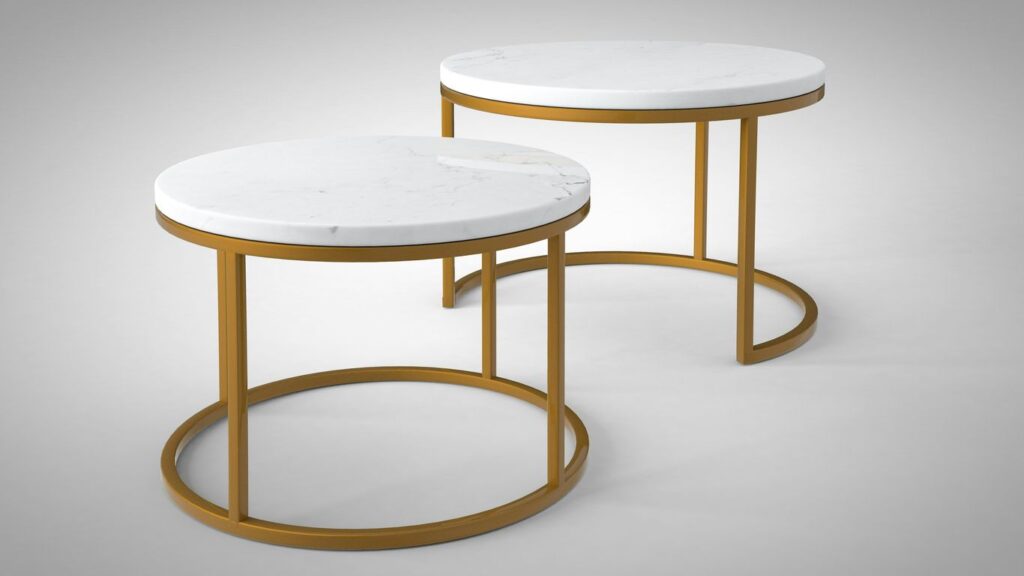
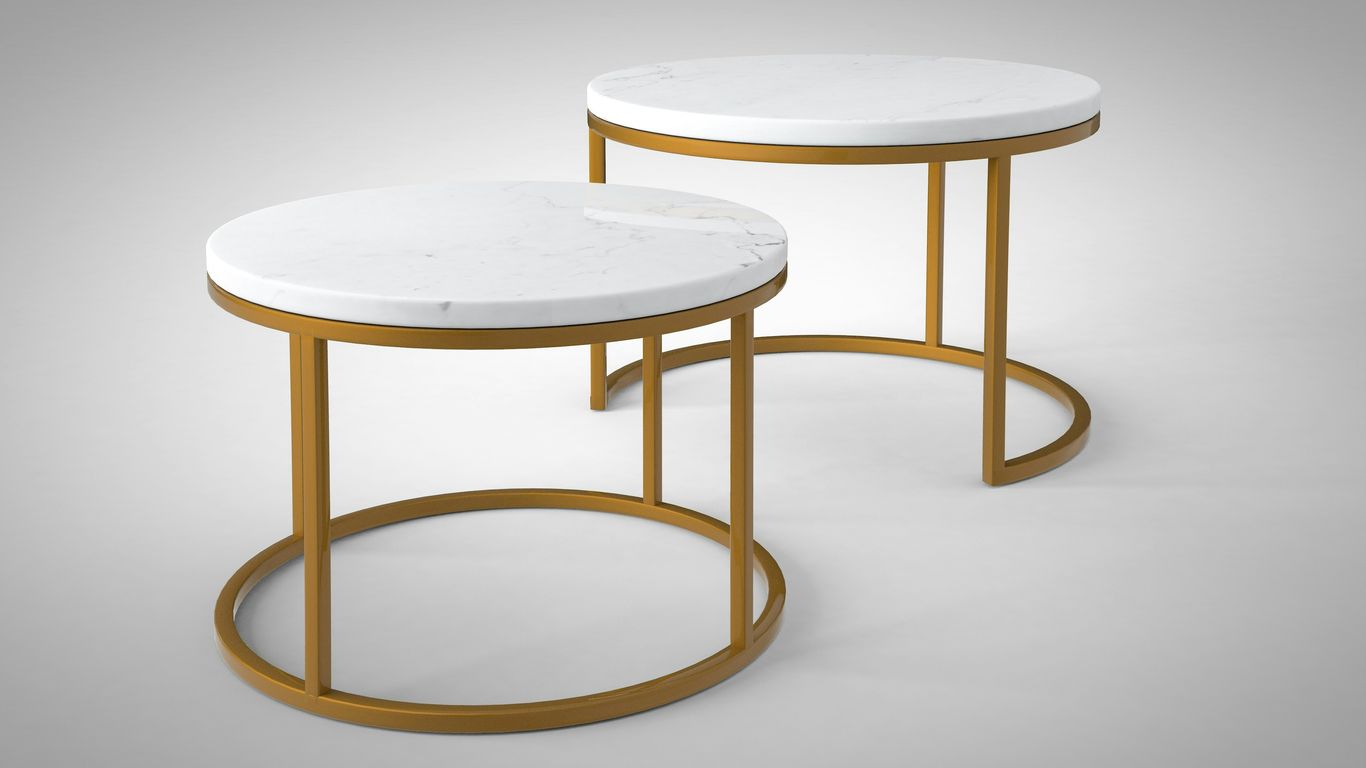
A honed marble table is made from natural marble that has been mechanically smoothed but not brought to a high polish. The result is a flat, velvety or satin-like surface with little reflected glare. It keeps the depth and movement of marble while giving the furniture a quieter presence. For a useful comparison of finishes, see this guide to honed and polished marble.
How the honing process changes the stone
During honing, abrasive materials smooth the stone and stop before the final polishing stage. This removes the roughness of a cut slab without creating a mirror-like surface. Depending on the stone and the finish specification, the result may range from softly matt to subtly satin, so “honed” is not always one identical visual formula.
The process changes how light behaves on the slab rather than changing the underlying geology of the marble. Veins, crystals and small mineral marks remain part of the material. That is why samples are useful, but an approved slab or production drawing is more reliable when a particular appearance matters.
How honed marble differs from polished marble
Polished marble has a glossy surface that reflects light and can make colour and veining appear more intense. Honed marble absorbs more light visually, making the same stone feel calmer and less formal. It can also make fine scratches and light etching less conspicuous, although it does not prevent either problem.
The choice is therefore both visual and practical. A polished finish may suit a room built around shine and contrast, while a honed finish often works better where a softer, tactile surface is preferred. Neither finish removes marble’s natural porosity or its sensitivity to acidic substances.
Common marble types and colour variations
White marbles such as Carrara, Calacatta and Statuario can have very different vein scale, background tone and movement. Beige, green, grey and darker marbles bring other forms of variation, from cloudy fields to stronger linear markings. Even slabs sold under the same stone name can differ because natural stone is not manufactured to a repeating pattern.
For a dining room, the surrounding palette matters as much as the stone name. A quiet grey-white slab may sit comfortably with timber, while a strongly veined green or black marble may become the room’s main visual element. A natural-stone buying guide such as selecting a marble slab can help frame the questions to ask before approval.
Why each table has a unique finish
A honed finish is applied to a particular piece of stone, and the final impression depends on its mineral composition, density, colour and existing surface movement. Fabrication can also affect how the finish reads around edges, joins and cut-outs. Small differences are inherent to natural marble, not evidence that one table has been made incorrectly.
For made-to-order furniture, dimensions, edge details and finish should be confirmed in an approved drawing. Geoscenic Stone describes its process as selecting, cutting, finishing, inspecting, packing and delivering each piece for a specific project, so the finished table should be understood as an individual commission rather than a warehouse-standard object.
The benefits of choosing honed marble
Honed marble is often chosen when the client wants the substance of stone without a highly reflective surface. It gives a table visual weight while keeping the room relaxed. The finish is especially effective when the design relies on material contrast, natural texture and restrained colour.
It is not a maintenance-free option. Its benefits are best understood alongside its limitations, particularly the fact that a matt surface can still absorb liquids and react to acids.
A softer, more understated appearance
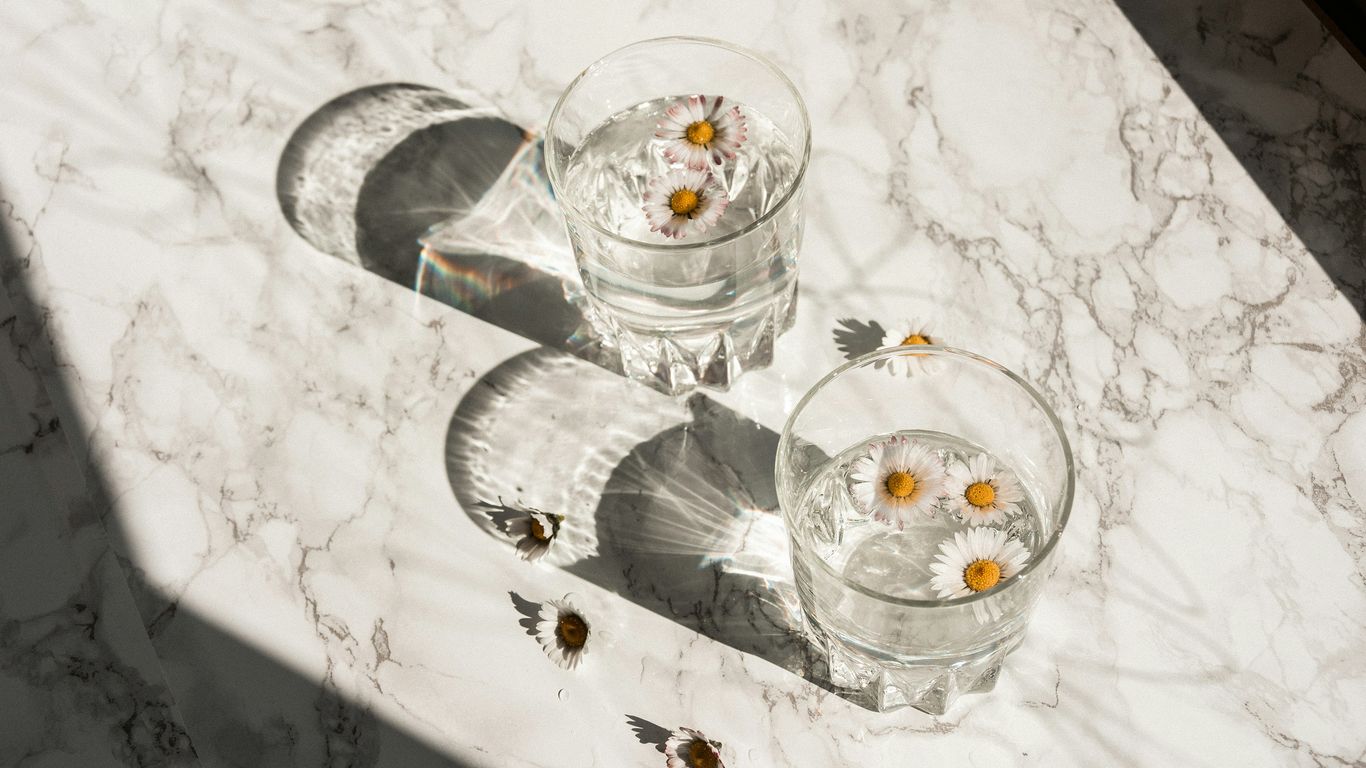
The lack of strong reflection gives honed marble a gentle, grounded quality. Veining remains visible, but it is usually less dramatic than it would appear beneath a glossy polish. This can make a substantial tabletop feel integrated rather than overly formal.
That softness also works well with fabrics, timber and brushed metals. The table can act as a quiet architectural element instead of competing with artwork, lighting or upholstery.
Better concealment of scratches and everyday wear
Honing does not make marble harder, but its low-sheen surface tends to disguise fine scuffs more effectively than a reflective polish. Small changes in sheen are less obvious when the whole surface is already matt. This is useful for dining tables and coffee tables that receive regular contact.
The distinction matters: concealment is not the same as resistance. Dragging ceramics, grit or heavy objects across the top can still scratch it, and a deep mark may need professional attention.
Reduced glare in bright rooms
A polished surface can catch windows, pendant lights and strong directional lighting. Honed marble reflects less, which may make the table more comfortable to look at in a bright dining room or open-plan interior. The finish can also help photographs and surrounding colours feel less harsh.
The effect depends on the stone’s tone and the room’s lighting plan. Dark marble may still show broad changes in light, while a pale marble can appear almost chalky in diffuse daylight.
How the finish complements different interior styles
Honed marble suits interiors that value natural materials and a measured palette. It can soften a contemporary room with crisp cabinetry, add tactility to a minimal setting or balance a more traditional space with its quiet surface. Shape and base design remain important; the finish alone does not determine the character of the whole table.
When comparing options, consider the room’s use, seating pattern and surrounding finishes together. A useful marble table design guide can help connect the slab choice with proportions, bases and edge details.
Appearance and design considerations
The best honed marble table is not chosen by colour alone. Its scale, edge, support structure and relationship to the room determine whether the result feels balanced. Natural variation should be reviewed early, especially when the tabletop is intended to be the centrepiece.
A made-to-order approach allows these elements to be considered together, but it also means that dimensions, tolerances and access conditions need to be agreed before production begins.

Colour, veining and surface variation
Ask whether the marble should recede into the room or provide a strong focal point. Fine veins can create a calm surface, while broad movement may be better suited to a larger tabletop where the pattern has room to unfold. The edge can reveal a different section of the same slab, so it should be considered alongside the top.
If the table is being commissioned from a selected slab, discuss photographs, markings and approval procedures with the maker. No photograph can guarantee an identical finished appearance, because tone, figuring, porosity and mineral marks vary across natural stone.
Matching the table with surrounding materials
Honed marble pairs naturally with materials that provide either warmth or contrast. Timber can soften its coolness, textured upholstery can echo its matt quality, and metal can introduce a precise architectural note. The base should support the slab visually without making the overall piece too heavy for the room.
For projects with several stone elements, compare samples under the actual lighting where possible. A table that looks balanced against a painted wall may read differently beside veined flooring or a reflective kitchen surface.
Choosing a suitable shape, size and edge profile
Round and oval tables encourage conversation and can improve circulation, while rectangular tables make efficient use of longer rooms. The available space must include chairs, movement around the table and a practical route for delivery. Weight is also relevant: a thick marble top and substantial base may require careful access planning.
Edge profiles range from crisp and minimal to softened or more sculptural forms. Before fabrication, confirm the following design decisions in writing:
- Finished length, width and overall height.
- Slab selection, orientation and acceptable natural variation.
- Edge profile, thickness and any corner radius.
- Base geometry, fixing method and required clearances.
These details help turn an attractive concept into a buildable piece. They also give the production and delivery teams a shared reference point.
How lighting affects the look of honed marble
Daylight can reveal subtle shifts in tone, while warm artificial light may bring out beige, cream or gold notes. Grazing light from a nearby wall or pendant can make small surface variations more visible. This is not necessarily a flaw; it is part of how a natural material responds to its setting.
If the table will sit beneath strong downlights, inspect a finish sample at different times of day. That simple check can prevent disappointment after installation.
Potential drawbacks to consider
Honed marble is durable enough for many furniture applications, but durability should not be confused with immunity. The finish changes the way wear is seen; it does not remove the stone’s chemical or physical vulnerabilities. A realistic decision weighs appearance against the household or project’s daily habits.
For a balanced overview of the material’s advantages and limitations, review this discussion of marble dining table considerations before confirming a specification.
Why honed marble remains vulnerable to staining
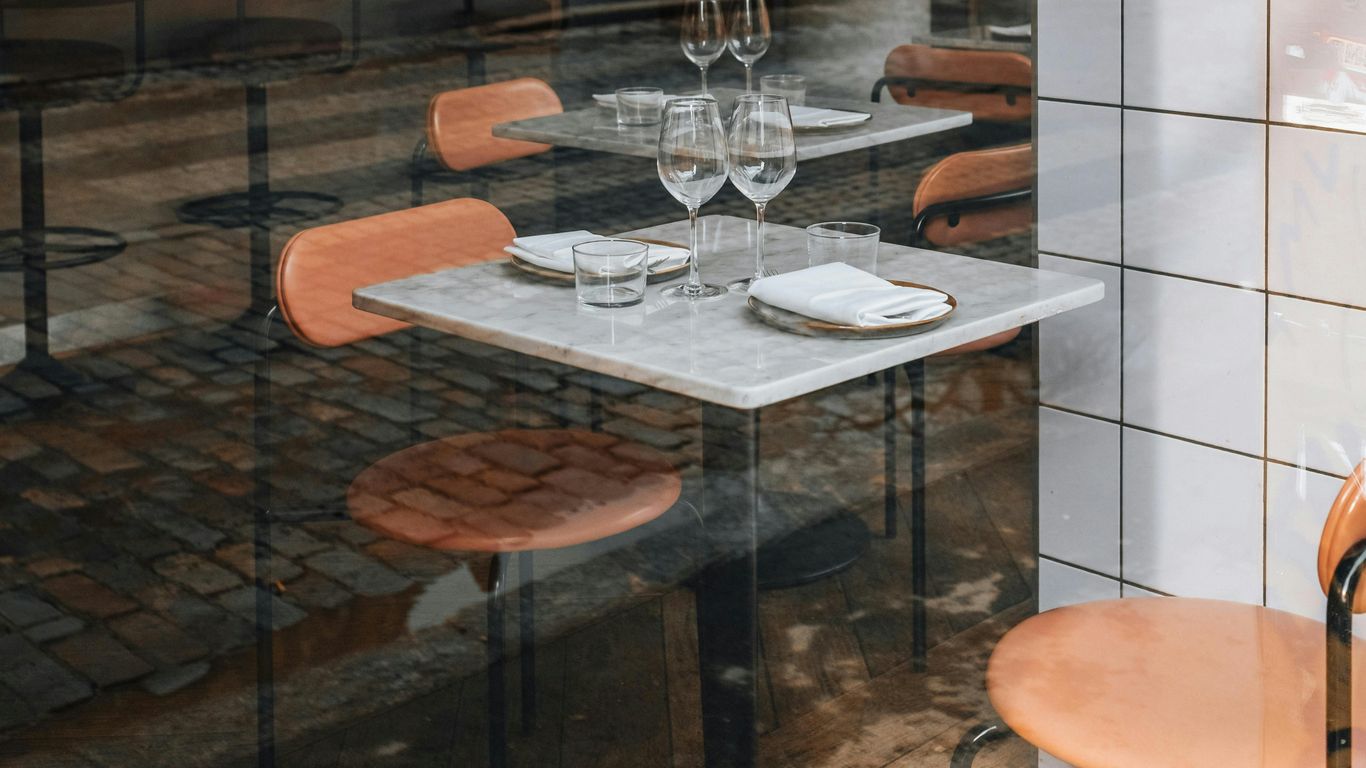
A honed surface can have a more open visual texture than a polished one, and marble itself is capable of absorbing liquids. Oil, wine, coffee and strongly coloured foods may leave marks if they remain on the surface. Sealing can reduce absorption, but it does not make the table stain-proof.
The safest approach is to wipe spills promptly and avoid treating the sealer as a substitute for everyday care. Darker stones may conceal some marks, while pale marble can make them easier to notice.
Etching from acidic food and drink
Acidic substances such as citrus juice, vinegar and some alcoholic drinks can react with the calcium carbonate in marble. The result is etching: a lighter, duller or slightly roughened area where the surface has been chemically altered. On honed marble, the mark may blend into the matt finish more easily, but it can still be present.
Etching is different from staining and is not usually corrected simply by applying more sealer. Light cases may be improved with appropriate refinishing, while widespread damage may call for a specialist assessment.
The effect of moisture, heat and heavy objects
Moisture left beneath plant pots, vases or serving pieces can create rings or darkened patches. Hot objects may cause thermal stress or damage a sealer, while concentrated weight can be risky if the top or base has not been designed for it. Felt pads and stable supports are sensible precautions.
A table specification should account for thickness, support and intended use. Heavy stone furniture also needs a route survey where corridors, lifts, stairs or thresholds may limit delivery.
When another tabletop material may be more practical
A different material may suit a household that wants minimal maintenance, frequent acidic food preparation or a highly uniform appearance. Engineered and sintered options can offer different performance characteristics, but they bring their own visual and repair considerations. The right choice depends on priorities rather than a universal ranking.
Comparisons should include cleaning, heat, repairability, weight, cost and the look of natural variation. The aim is to choose a surface that the occupants will enjoy living with, not one that only looks right on the day of installation.
How to care for a honed marble table
Good care is mostly routine rather than complicated. Remove grit, use a soft cloth and avoid products that attack or abrade the stone. The dedicated marble table care guide covers cleaning, sealing and stain prevention in more detail.
The table should be treated as a working surface with a natural finish. Small, consistent habits usually matter more than occasional aggressive cleaning.
Everyday cleaning products and techniques
Use a soft cloth or sponge with clean water and, when needed, a pH-neutral cleaner suitable for natural stone. Wipe rather than scrub, then dry the surface so water does not sit around the edge or beneath objects. Avoid abrasive powders, scouring pads, bleach and acidic household cleaners unless a stone-care professional has specifically approved a product.
Test an unfamiliar cleaner on an inconspicuous area first. A product that is safe for ceramic, glass or laminate may not be suitable for marble.
Removing spills before they cause marks
Blot liquid with a clean absorbent cloth rather than spreading it across the tabletop. Follow with a small amount of suitable cleaner and dry the area. Acting quickly is particularly helpful with oils, red wine, coffee and strongly coloured sauces.
Do not rely on vigorous rubbing to remove a mark. Pressure can spread a liquid, drive it into the stone or create a visibly different patch in the finish.
Using coasters, placemats and protective pads
Coasters and placemats create a simple barrier against moisture, heat and abrasive grit. Felt or rubber pads beneath decorative objects can prevent point pressure and movement. Lift objects when moving them instead of sliding them across the stone.
Protective items should themselves be kept clean and dry. Trapped dust or moisture beneath a pad can cause the very marks it was intended to prevent.
Cleaning different types of food and drink residue
Different spills call for patience rather than a stronger chemical. Water-based residue can often be wiped with a neutral cleaner, while oily residue may need repeated gentle cleaning. Dried food should be softened with a damp cloth rather than scraped with a blade.
If a mark remains after careful cleaning, identify whether it is a stain, etch or scratch before trying another treatment. The diagnosis determines the safest next step.
Sealing and protecting the surface
Sealing is a protective measure, not an invisible shield. It can reduce the rate at which some liquids enter the stone, giving you more time to wipe a spill, but it does not prevent etching or stop scratches. The correct product and application method depend on the marble and its existing finish.
A sealer should be considered part of the care specification from the beginning, especially for a pale tabletop in a dining or hospitality setting.
How marble sealers work
Most penetrating sealers enter the stone’s pores and help limit liquid absorption without forming a thick film on top. They do not change the basic hardness of the marble or protect it from acids. A poorly applied product can also leave residue, uneven sheen or a surface that is difficult to maintain.
Always follow the product instructions and allow the stated curing time. The table should not return to normal use until the sealer has properly set.
When to seal a honed marble table
The timing depends on the stone’s porosity, the sealer used and how heavily the table is used. A newly fabricated piece should be sealed only after the surface is clean, dry and ready for treatment. In a commercial setting, more frequent assessment may be sensible than in a lightly used home.
Ask the fabricator or stone-care professional which sealer is compatible with the specified finish. Applying several products without checking compatibility can create a more difficult problem.
How to test whether the sealer needs refreshing
A discreet water-drop test can offer an initial indication: place a small drop of water on a clean, inconspicuous area, leave it briefly, then wipe it away and observe whether the stone darkens. This is only a guide, not a complete assessment, and it should not be performed where water could reach a join or unprotected edge.
If absorption appears uneven, or if the surface has been recently refinished, seek advice before resealing. A professional can assess the surface without relying on a single spot test.
Choosing professional or DIY sealing
DIY sealing may be reasonable for an experienced homeowner using a suitable product and following the instructions precisely. Professional application is preferable for a valuable, large or complex table, particularly where there are multiple edges, joins or a demanding project schedule.
For a commissioned piece, record the product, application date and care instructions. That information helps future maintenance remain consistent and avoids uncertainty about what has already been applied.
Long-term maintenance and repair
Even a well-cared-for honed marble table will develop signs of use over time. The aim is not necessarily to preserve an untouched surface, but to keep changes controlled and proportionate to the material’s character. Early assessment is usually less disruptive than an attempt to correct a neglected problem.
A clear maintenance record is useful for homes, hospitality settings and projects with several people responsible for care. It should note cleaning products, sealing dates and any repairs.
Dealing with scratches, dull patches and light etching
Fine scratches and small etches may sometimes be blended through careful honing or refinishing, but the treatment should match the existing sheen. Spot repairs can be visible if the surrounding surface is not worked consistently. Avoid using household abrasives to experiment on the affected area.
If the mark is shallow and isolated, a stone-care specialist can advise whether local attention is suitable. More extensive dullness may require refinishing a larger portion of the top so the finish remains even.
Treating stains without damaging the finish
Stain removal depends on the substance, how deeply it has entered and whether the surface has been sealed. Poultices may be used in some cases, but the wrong absorbent, solvent or dwell time can lighten the stone or alter its sheen. Professional guidance is sensible when the stain is large, old or close to an edge.
Photograph the area in good light and describe what caused it before seeking advice. That information can prevent an unsuitable treatment being recommended.
When professional restoration is necessary
Call a specialist when there are deep scratches, broad etching, chipped edges, unstable joins, persistent stains or a noticeable difference in sheen. Restoration may involve cleaning, honing, polishing, filling or edge repair, depending on the damage. The expected result should be discussed clearly because natural variation may remain visible after treatment.
For a high-value commissioned table, use a technician familiar with natural marble and confirm whether the work can be carried out on site. Transporting a heavy stone top introduces its own risks.
Practical habits for preserving the table’s appearance
The simplest routine is also the most reliable: clear the surface after use, wipe spills promptly and keep abrasive grit away. Review the table every few months rather than waiting for a serious problem. If the piece is being moved, protect the top and lift it with suitable support rather than dragging it.
Geoscenic Stone’s factory-to-order process is centred on an approved drawing and project-specific production, so care should begin before delivery: confirm access, handling and installation responsibilities in the quotation. For project teams, request a quotation with the intended dimensions, stone, finish and destination details so these practical factors can be considered accurately.
Commission Your Table
If you are planning a made-to-order honed marble table, speak with Geoscenic Stone about the stone, dimensions, finish, edge details and delivery requirements for your project. A clear brief allows the piece to be developed against an approved drawing rather than selected as an assumed stock item.
Conclusion
A honed marble table brings natural veining, a calm matt finish and a substantial presence to a room, while still asking for sensible protection from stains, acids, heat and abrasion. Choose the slab and proportions carefully, confirm the details before fabrication, and maintain the surface with gentle, consistent habits. With realistic expectations, the marks that appear over time can become part of the table’s individual character rather than a surprise.
Frequently Asked Questions
Is a honed marble table completely matt?
Usually it has a low-sheen or matt appearance, although the exact result can range from softly matt to subtly satin depending on the stone and finishing process.
Does honed marble hide scratches?
It can make fine scratches and light wear less noticeable than a glossy finish, but it does not prevent scratching. Grit, sharp objects and dragging heavy items can still damage the surface.
Is honed marble more likely to stain than polished marble?
Honed marble may absorb liquids more readily because the surface is not as tightly finished as a polish. Sealing and prompt cleaning reduce the risk but cannot guarantee stain prevention.
Can lemon juice etch honed marble?
Yes. Lemon juice and other acidic substances can react with marble and leave a dull or lighter patch. Wipe acidic spills promptly and avoid acidic cleaning products.
How often should a marble table be sealed?
There is no universal schedule. The interval depends on the stone, sealer, level of use and results of periodic assessment. Follow the sealer manufacturer’s guidance and seek professional advice when uncertain.
What is the safest everyday cleaner for honed marble?
A soft cloth with water or a pH-neutral cleaner made for natural stone is generally suitable. Avoid abrasive powders, acidic products, bleach and harsh scouring tools.
Can a damaged honed marble table be restored?
Many scratches, stains, etches and dull patches can be assessed and sometimes improved by a stone-care professional. The appropriate treatment depends on the depth, size and cause of the damage.