
Key Takeaways
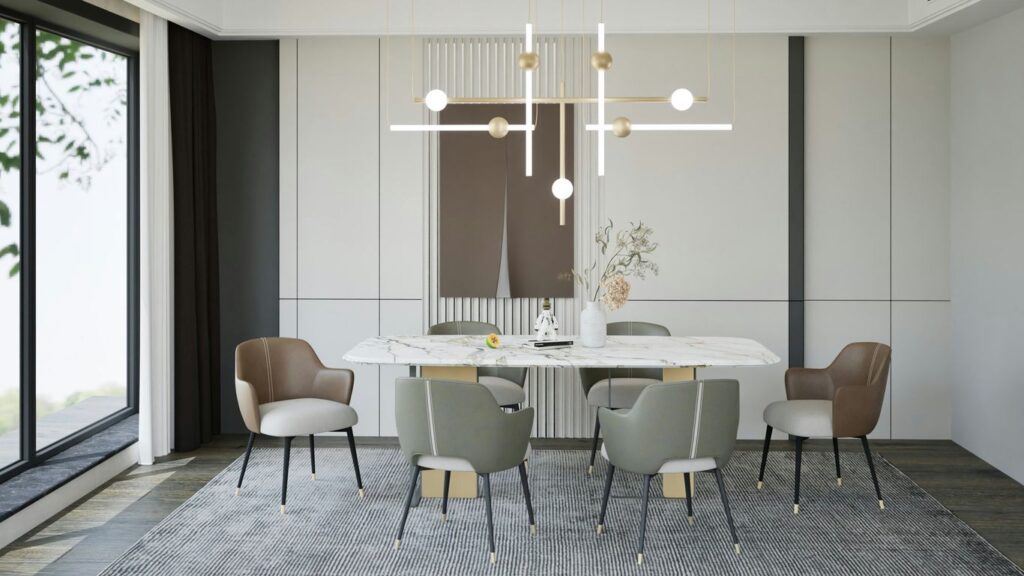
A successful marble dining table design begins with the room, not the stone sample. Shape, base, edge, finish and care should work together for the way the table will actually be used.
- Measure circulation as carefully as the tabletop itself.
- Choose a shape that supports both seating and conversation.
- Let the base provide structure without overwhelming the stone.
- Review colour, veining, edge and finish as one composition.
- Confirm care, fabrication, access and installation before ordering.
Define the room’s requirements before choosing a design
Marble has a strong visual presence, so proportion matters from the beginning. A table that looks elegant in isolation may feel awkward if chairs cannot pull out comfortably or if its weight competes with the rest of the room. For made-to-order work, the most useful starting point is a clear brief covering dimensions, seating, access and daily use. Geoscenic Stone produces pieces to an approved drawing, with material selection, finishing, inspection and packing considered for the individual project.
Measure the dining area and circulation space
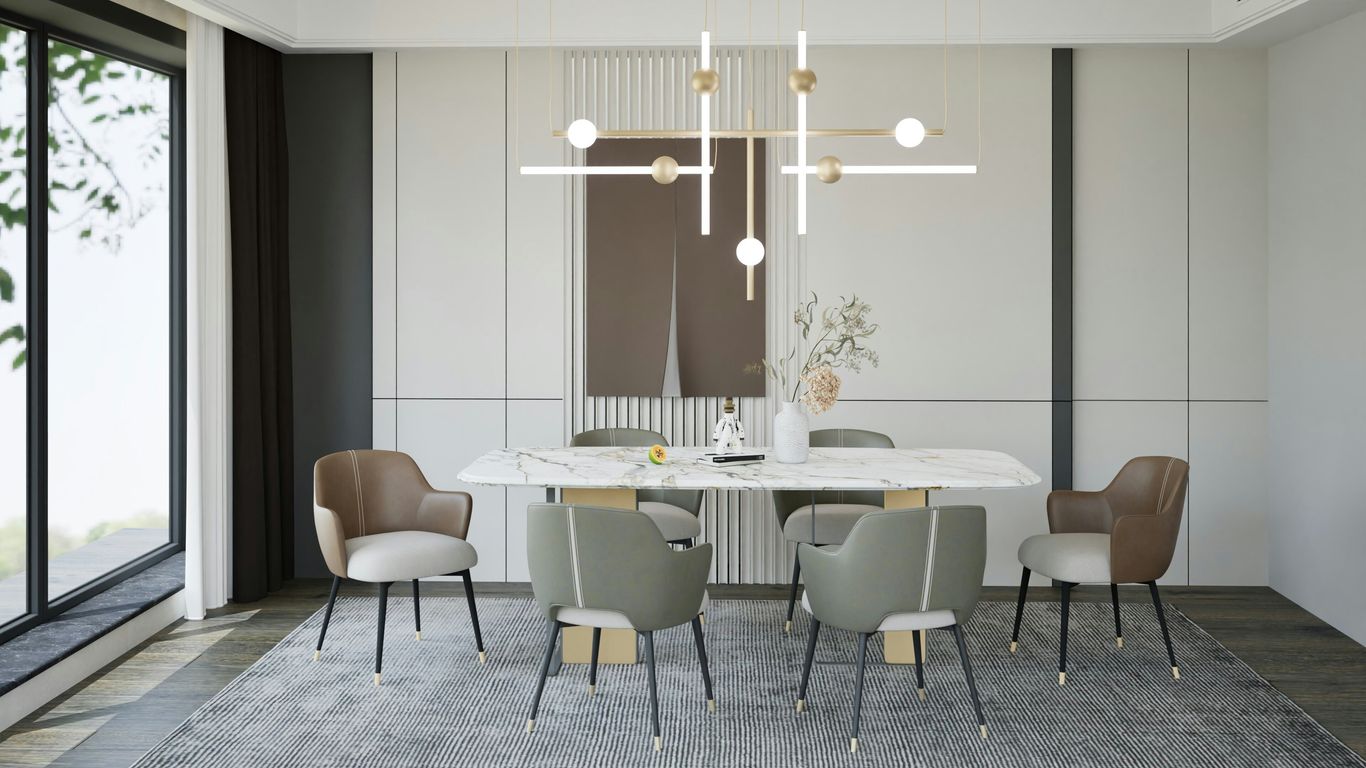
Measure the room at floor level, including skirting boards, columns, doors and fixed cabinetry. Allow space for a chair to move back and for someone to pass behind it; a beautiful top becomes frustrating when every meal requires careful manoeuvring. Check the route from the entrance to the dining area as well, since a heavy stone top may need to pass through narrow doors, lifts or stairwells.
A practical plan should show the table, chairs and clear walking routes together. For a wider discussion of dimensions, overhangs and access routes, see this marble dining table size guide.
Match table dimensions to seating needs
Decide whether the table is mainly for everyday meals, occasional entertaining or hospitality use. Seating capacity depends on more than length: the base, tabletop overhang and chair width all affect comfort. A pedestal can make a smaller table feel more generous, while four legs may reduce usable positions at the corners.
For an initial brief, record the preferred number of seats, minimum and maximum dimensions, table height and whether end seating is essential. These details make later decisions more precise rather than forcing the stone to dictate the layout.
Consider lighting, flooring and surrounding furniture
Look at the table under the lighting it will actually receive. Veining can appear quieter in diffuse daylight and more pronounced beneath directional pendants. Flooring also changes the reading of scale: pale stone may blend into a light floor, while a dark top can anchor a room with timber or patterned surfaces.
The surrounding materials should support, rather than compete with, the marble. If you are also reviewing dining room tile flooring, compare samples in the same light and against the intended chair upholstery.
Balance visual impact with everyday practicality
A dining table is a focal point, but it is also used repeatedly. Consider children, frequent entertaining, working from home, hot serving dishes and the amount of cleaning you are prepared to do. A clear practical brief usually leads to a more convincing design than choosing the most dramatic slab first.
Natural stone carries variation in tone, figuring, porosity and mineral marks. That variation is part of its character, but the finished piece should still be reviewed through an approved drawing and material-selection process so expectations are clear.
Choose a marble dining table shape
Shape affects conversation, circulation and the number of usable seating positions. It also changes how the stone’s veining is read across the room. A round or oval top can soften an angular interior, whereas a rectangular or square design may reinforce architectural lines. The right choice is the one that fits the room’s geometry and the household’s habits.
Round tables for conversation and compact rooms
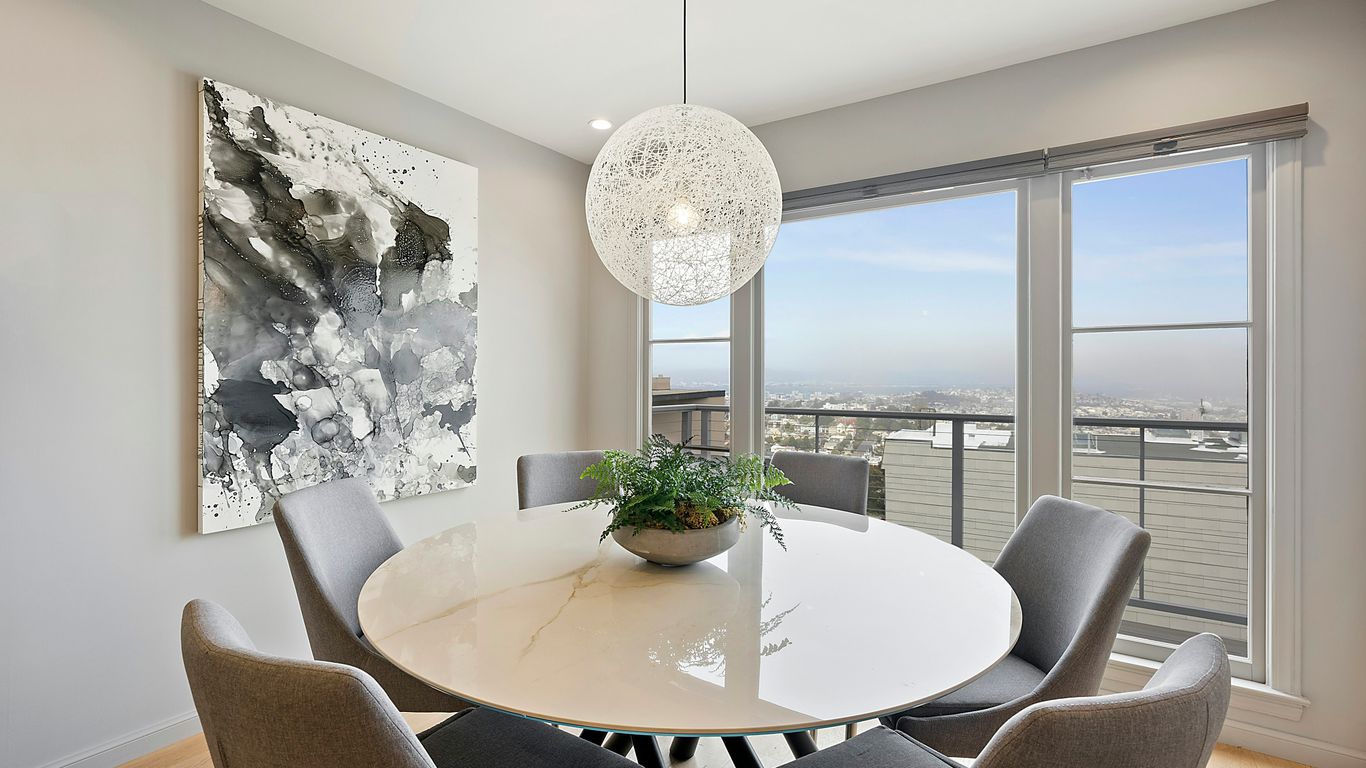
Round tables bring everyone into a shared conversational circle and avoid sharp corners in tighter rooms. Their central footprint can be efficient, particularly when paired with a pedestal base, although the diameter must still allow plates, serving dishes and comfortable elbow room. For further planning, this guide to round marble dining tables explores diameter, circulation and chair pairing.
A round top can also make an open-plan room feel less rigid. Choose one when the table should encourage informal interaction rather than establish a strong directional axis.
Oval tables for softer lines and flexible seating
Oval tables retain some of the length of a rectangle while removing its harder corners. The curved ends can make circulation easier and allow an extra seat to be added when necessary, provided the base does not obstruct it. Their elongated form suits rooms that are narrow but still need a generous dining surface.
Vein direction deserves particular attention on an oval slab, since the curve of the outline and the movement of the pattern should feel intentional together. A dedicated oval marble table guide is useful when comparing sizing and pedestal versus leg-based layouts.
Rectangular tables for larger dining spaces
Rectangular tables are often the most straightforward option for larger rooms, long kitchens and formal dining areas. They provide a clear orientation and make it easy to define seating at the head and sides. The visual weight can be moderated with a slim edge, an open base or chairs that leave more floor visible beneath the top.
Avoid choosing length by room size alone. The table must also leave enough room for chairs to pull back, and the slab must be capable of travelling through the building without an impractical handling plan.
Square tables for symmetrical interiors
A square table works well where the room is close to square or where symmetry is a deliberate design feature. It creates an intimate arrangement for four people and can become more imposing as it grows. Because every side has equal visual importance, the base and chair spacing need to be resolved carefully.
A square top is less forgiving in a narrow room, where one direction may feel congested. Test the footprint with masking tape before approving the final dimensions.
Select a base that supports the style and structure
The base is both an engineering decision and a major part of the composition. It must support the stone securely while leaving enough room for knees, chairs and cleaning. Its shape also changes how heavy or light the tabletop appears. For custom furniture, drawings should show the relationship between the slab, fixings, overhang and floor before production begins.

Pedestal bases for legroom and a clean silhouette
A pedestal keeps the corners clear and can give diners greater freedom to position their chairs. It is especially effective beneath round and oval tops, where a central support feels visually resolved. The pedestal still needs a broad, stable footprint and a carefully considered connection to the stone.
Check where the base meets the floor, how it will be delivered and whether the chosen chair legs will collide with it. A clean silhouette should not come at the expense of stability.
Central column bases for contemporary interiors
A single column gives a contemporary table a calm, centred appearance. It can make a substantial marble top seem to float, especially when the column narrows towards the floor or uses a contrasting material. The proportions must be tested carefully because the column carries concentrated structural load.
The column should be scaled to the tabletop rather than treated as a decorative afterthought. A very slim support may look elegant in a drawing but feel visually or physically inadequate once paired with thick stone.
Four-leg bases for stability and traditional appeal
Four legs provide a familiar, dependable arrangement and suit both traditional and restrained modern interiors. They can frame the corners of a rectangular or square top, while timber or metal introduces a useful contrast to the marble. Their main trade-off is reduced legroom at certain seating positions.
The overhang should be sufficient for comfortable seating without making the top appear detached from its supports. Review the position of each leg against the intended chair layout before fabrication.
Sculptural and trestle bases as design features
A sculptural or trestle base can turn the underside of the table into a visible architectural element. This works best when the top and base share a clear relationship in scale, colour and rhythm. The stronger the base’s silhouette, the quieter the surrounding furniture may need to be.
For project teams comparing bespoke stone furniture approaches, custom natural stone furniture offers a useful reference point for thinking about material, fabrication and architectural context. Always confirm stability, floor protection and installation sequence in the technical documentation.
Compare marble types, colours and veining
Stone selection is not simply a choice between light and dark. Each slab has its own distribution of veins, fields of colour, mineral marks and subtle shifts in tone. Samples help establish direction, but they cannot represent every part of a finished top. A considered selection process should therefore review the actual available material under the lighting of the intended room.
White marble for a bright, timeless look
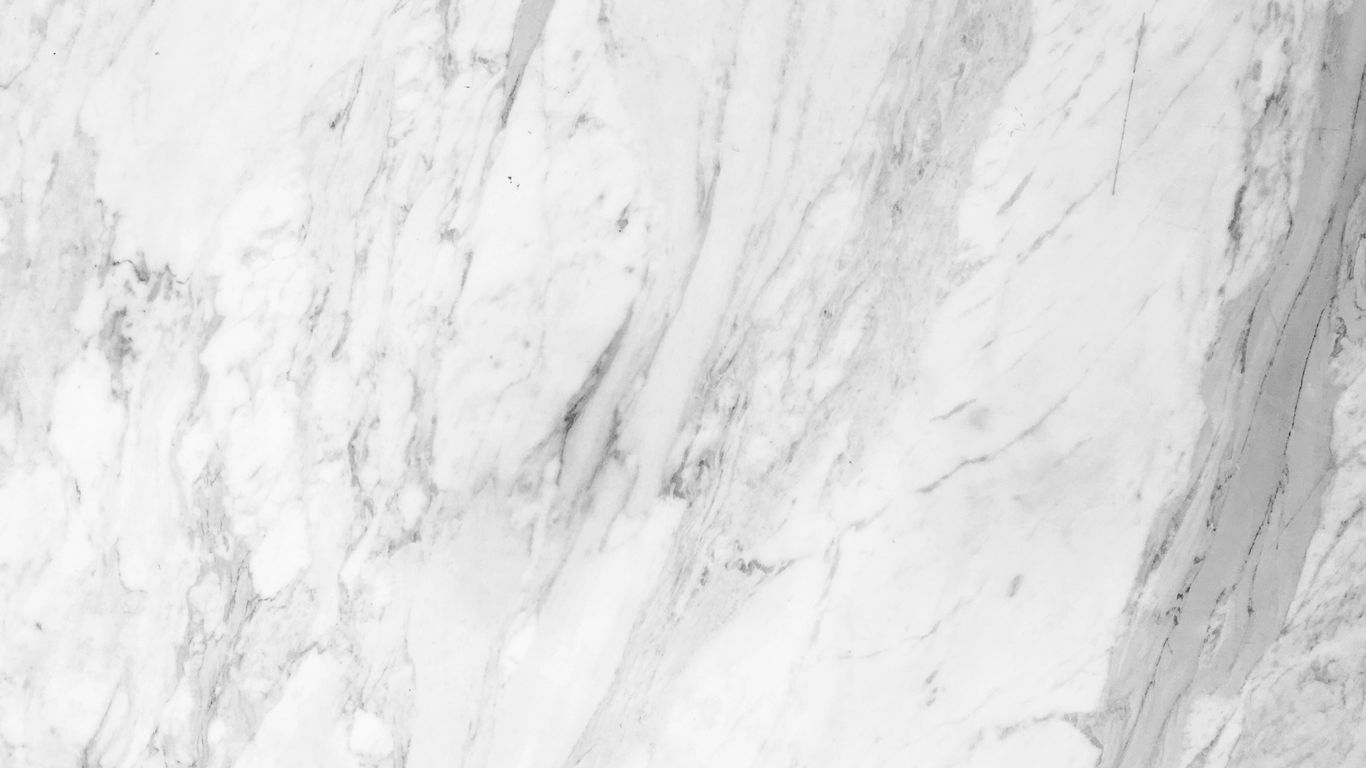
White marble can reflect light and give a dining room a fresh, spacious quality. Fine grey veining tends to read quietly, while broader or warmer veins make the tabletop more expressive. White stone pairs easily with timber, upholstered seating and dark metal, but its pale surface can also make marks more visible.
The balance is between brightness and character. This overview of white marble dining tables is helpful when comparing stone types, finishes and ways to coordinate the table with surrounding materials.
Grey and black marble for contrast and depth
Grey marble offers a composed middle ground, with enough tonal depth to anchor a room without becoming the dominant feature. Black marble is more dramatic and can create a strong visual centre, particularly against pale walls or warm flooring. Both benefit from lighting that reveals the movement of the stone rather than flattening it.
Dark stone may show dust, fingerprints or light residue more readily, so consider the room’s maintenance routine as well as its palette. For a more focused treatment of this look, explore black marble dining tables.
Beige and green marble for warmer interiors
Beige marble brings softness to rooms with timber, woven textures and warm metals. Green marble can range from pale and muted to deep and richly veined, giving the table a more distinctive presence. These colours work well when repeated in small details rather than matched too literally throughout the room.
Green stone should be assessed in the actual interior light, since undertones can shift significantly between daylight and warm artificial lighting. The guide to green marble dining tables provides further ideas for pairing colour, bases, chairs and lighting.
Vein direction, pattern scale and slab matching
Consider whether the veining should run with the length of the table, radiate from the centre or create a more natural irregular field. Large patterns need enough surface area to breathe, while fine movement can suit a smaller top. If several pieces are being made, agree in advance how slabs will be matched and where the most prominent features should sit.
A production drawing can identify cut lines, edge details and any bookmatching intention, but natural stone cannot be made perfectly uniform. The objective is a coherent composition that respects what the slab naturally offers.
Use edge profiles to refine the table’s appearance
The edge is encountered by hand and seen from across the room, so it deserves more attention than its small footprint suggests. It affects perceived thickness, safety and the transition between top and base. A simple profile may be the most effective choice when the marble already has expressive veining; a more shaped profile can add softness to a restrained slab.
Straight edges for modern, architectural designs
A straight edge gives the table a crisp, graphic outline. It suits contemporary rooms, substantial slabs and bases with strong geometry. The apparent thickness should be judged from standing height as well as from seated position, since a deep edge can make the top feel significantly heavier.
Corners should be checked alongside the straight sections. A minute easing or softened corner may preserve the architectural line while making daily movement around the table more comfortable.
Bullnose and rounded edges for a softer finish
A bullnose edge rounds the visible transition and gives the tabletop a more tactile, approachable character. It can be especially effective in family dining areas or rooms where the surrounding furniture has curved forms. The degree of rounding matters: a gentle radius feels discreet, while a fuller profile becomes a stronger stylistic statement.
The profile should also work with the stone’s thickness. On a thin slab, excessive rounding may make the top look visually light in an unintended way; on a thicker top, it can prevent the mass from feeling severe.
Bevelled edges for subtle detailing and lighter visuals
A bevel removes a controlled strip from the lower or upper edge, creating a fine line of shadow. This can reduce the perceived mass of a thick marble top without introducing an ornate profile. It is a useful middle ground between a completely straight edge and a fully rounded treatment.
Specify the bevel angle, position and extent in the drawing. Small changes become noticeable along a long table, particularly when light passes across the edge.
Thickness, layering and waterfall edge effects
Thickness should be considered with the base, room scale and stone pattern rather than selected in isolation. A layered edge can create the appearance of a deeper slab, while a waterfall treatment carries the material visually down towards the floor or into the base. These details can be compelling, but they add fabrication and weight considerations.
Review the edge in elevation and perspective views, then ask how it will be packed, handled and installed. The most successful detail is one that remains convincing from every angle and is practical to produce.
Match the finish to the desired character and maintenance level
Finish changes the way light moves across marble and how often everyday traces are noticed. It should be selected with the colour, veining, edge and intended routine in mind. A dining table used several times a day may call for a different balance of tactility and visual drama from one used mainly for formal entertaining.
Polished marble for high shine and stronger veining
A polished surface reflects light and can make colour and veining appear more pronounced. It gives a formal, refined character and works well when the room benefits from a crisp focal point. Reflections may be more visible, however, particularly beneath pendant lighting or beside a window.
Polished does not mean maintenance-free. The stone still needs appropriate protection and prompt attention to spills, especially where the material is pale or highly absorbent.
Honed marble for a softer, contemporary surface
Honing reduces shine and produces a quieter, velvety appearance. It can make a large tabletop feel calmer and may sit comfortably with timber, linen and matte finishes. The subdued surface often suits relaxed contemporary interiors, though marks and changes in texture can still develop through use.
The appeal of honed marble is its visual restraint, not an assurance that wear will disappear. Discuss the expected patina honestly before choosing it for a heavily used table.
Leathered finishes for texture and a relaxed feel
A leathered finish introduces tactile texture and usually reduces the formality of a highly reflective surface. It can complement natural, earthy interiors and help a dark stone feel less severe. Because texture varies by stone and process, samples should be handled as well as viewed.
A textured finish may require more attention to cleaning in its small valleys and pores. Confirm the recommended care method for the specific stone rather than relying on a generic assumption.
How finish affects marks, reflections and daily use
Finish, colour and lighting should be reviewed together. The same vein can look sharp and glossy on polished stone, gentle on a honed surface or more broken by texture on a leathered one. Before committing, compare samples beneath the planned pendant and near the dining chairs.
For a broader comparison of natural stone characteristics and upkeep, this marble dining table buying guide is a useful companion. Finish is not just a visual decision; it sets expectations for how the table will look between cleanings.
Plan for durability, care and long-term value
Marble can last for many years when its limitations are understood and the construction is properly resolved. It is not a surface to treat as indestructible, and sealing does not make it immune to staining or etching. Long-term value comes from choosing a suitable slab, detailing it well and caring for it consistently.
Sealing requirements and protection from staining
Ask whether the selected stone requires sealing, which product is recommended and how often the protection should be reviewed. Porosity varies, so the answer should relate to the actual marble rather than only its colour or trade name. Use coasters, placemats and trays where they make sense, while accepting that natural stone may acquire subtle signs of life.
The finish, edge and underside should all be recorded in the care information handed over with the piece. A clear specification is more useful than a general promise of resistance.
Managing heat, spills and acidic foods
Use trivets for hot cookware and wipe spills promptly, particularly wine, citrus, vinegar and other acidic foods. Acid can etch susceptible marble even when a stain does not remain, leaving a change in sheen rather than a dark mark. Serving boards and cloths provide simple protection without hiding the table’s character.
A few habits make a meaningful difference:
- Keep absorbent cloths close to the dining area.
- Use trivets beneath hot dishes and appliances.
- Avoid cutting directly on the marble surface.
- Lift objects rather than dragging them across the top.
These measures do not prevent every change, but they reduce avoidable damage while allowing the table to remain part of everyday life.
Cleaning products and safe daily maintenance
For routine cleaning, use a soft cloth, clean water and a stone-safe product recommended for the particular marble. Avoid abrasive powders, harsh acids and unverified household cleaners, as they may dull the finish or affect protective treatments. Standing moisture should be dried rather than left around the edge or beneath objects.
Care instructions should be practical enough for everyone using the room. If a table is commissioned for a restaurant, hotel or development, include the agreed cleaning approach in the handover information.
Checking fabrication, installation and table stability
Before production, confirm the approved drawing, slab selection, dimensions, edge profile, finish, fixings and any drillings. Also review weight, packing, delivery route, site access and whether installation is included in the individual quotation. Geoscenic Stone accounts for the individual piece, weight, packing, destination and site requirements when preparing a made-to-order quotation.
Inspect the installed table for level, stable contact and secure connections before regular use. If you are ready to discuss a project, you can request a quotation with the intended dimensions, stone preference, destination and access information.
Bring the design together
A marble dining table works best when its decisions feel connected. Room measurements should inform the shape; the shape should guide the base; the slab should influence the edge and finish. When these choices are reviewed together, the result can be visually distinctive without becoming difficult to live with.
Geoscenic Stone can discuss made-to-order stone furniture through the practical sequence of material selection, production drawings, fabrication, inspection, packing and delivery. The final design should respect natural variation while giving the project team enough clarity to approve what will actually be made.
Conclusion
The strongest marble dining table design balances beauty with evidence: measured clearances, suitable structure, a well-understood slab, considered detailing and an honest care plan. Choose the table as a complete piece of furniture, not merely as a stone top, and its character will have room to develop over time.
Frequently Asked Questions
What is the best shape for a marble dining table?
The best shape depends on the room, circulation and seating pattern. Round and oval tables encourage conversation and soften compact or angular spaces, while rectangular and square tables suit more formal or symmetrical layouts.
How much space should be left around a dining table?
Leave enough room for chairs to pull back comfortably and for people to pass behind seated diners. Measure the full chair footprint, not just the tabletop, and check doors, cabinetry and other fixed obstructions.
Is a pedestal base better than four legs?
Neither is universally better. A pedestal usually provides more flexible legroom, while four legs offer a familiar structure and may suit traditional or strongly linear designs. The decision should follow the tabletop shape, chair layout and required stability.
Which marble colour is easiest to coordinate?
White and soft grey marble are generally versatile because they work with many timber, metal and upholstery colours. Beige and green can also be highly adaptable when their undertones are repeated thoughtfully in the wider room.
Should a marble dining table be polished or honed?
Polished marble offers more reflection and can make veining appear stronger. Honed marble has a softer, lower-sheen appearance. Choose according to the desired character, lighting, tolerance for visible marks and willingness to follow the recommended care routine.
Can hot dishes be placed directly on marble?
It is safer to use trivets beneath hot dishes. Marble can be affected by heat, sudden temperature changes or damage to protective treatments, so a simple barrier is sensible for everyday dining.
How should a marble dining table be cleaned?
Use a soft cloth, clean water and a stone-safe cleaner suited to the specific marble and finish. Avoid abrasive or acidic products, wipe spills promptly and follow the care guidance supplied with the finished table.