
Key Takeaways
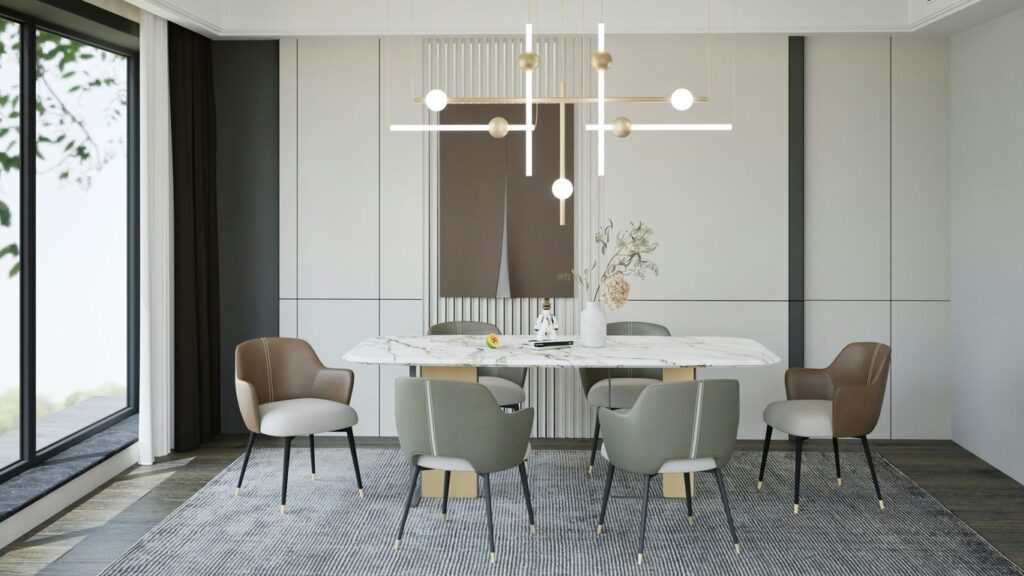
A marble dining table can be an excellent choice when its visual character suits your room and you are comfortable with its care requirements.
- Marble offers natural veining, variation and a strong sense of presence.
- It can resist everyday heat, but it remains vulnerable to stains, etching and scratches.
- Sealing, prompt cleaning and sensible table protection make ownership easier.
- The right size, finish, base and access plan matter as much as the stone itself.
- Natural marble, engineered alternatives and other materials suit different households.
Is a marble dining table good for your home?
The answer depends less on fashion than on how your household uses its dining space. Marble has a distinctive surface and a lasting visual appeal, but it is not a completely carefree material. If you enjoy natural variation and accept a little ongoing attention, it can become a beautiful, practical centrepiece.
When marble is a practical choice
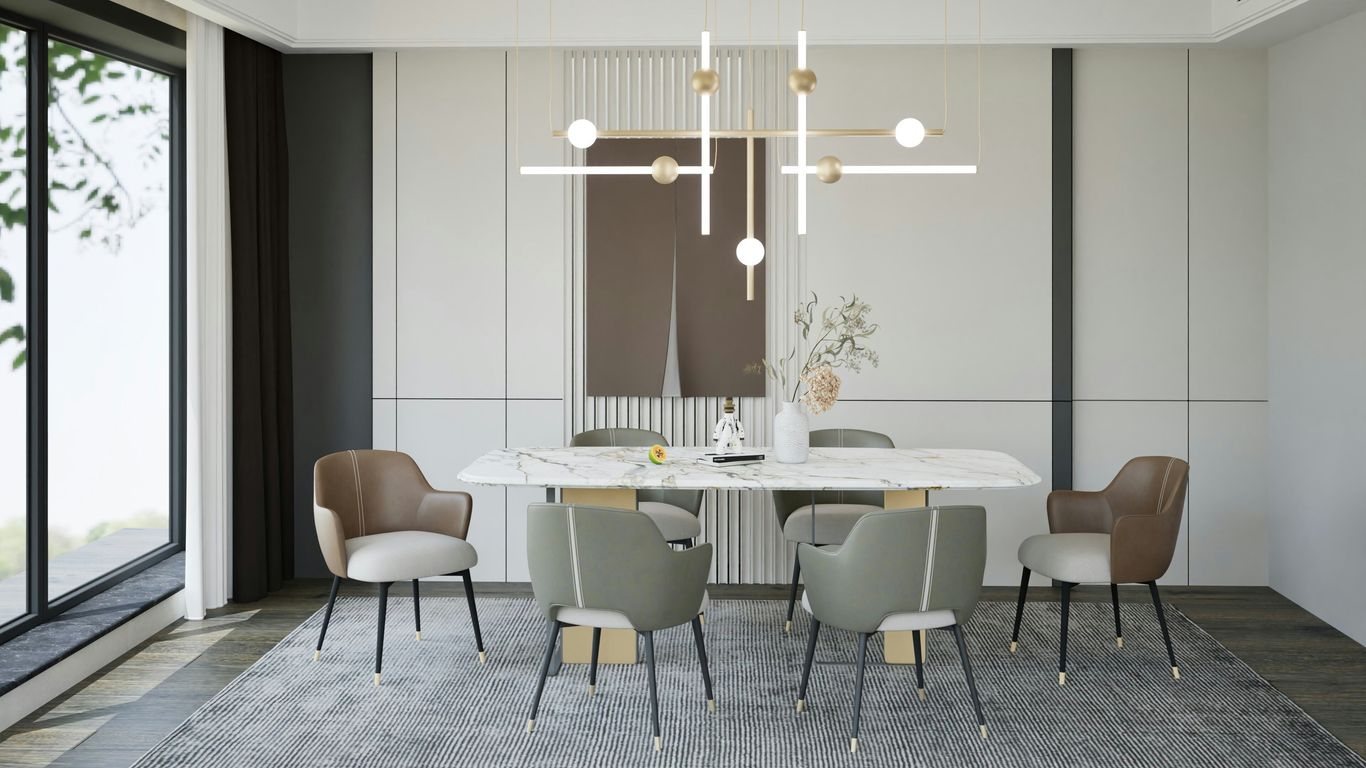
Marble works well in dining rooms where the table is intended to be a focal point rather than a piece of disposable furniture. It suits owners who appreciate each slab having its own tone, mineral marks and veining, and who are willing to use coasters, mats and suitable cleaners. A made-to-order table can also be specified around the room, with its dimensions and base designed for the available space.
For a broader look at proportions, care and everyday use, this marble dining table guide is a useful companion. It helps frame the decision around real routines rather than appearance alone.
Homes and households that may struggle with marble
Marble may be frustrating in a busy home where spills are left for long periods or where the table is used for messy craft, homework and frequent entertaining without protection. Acidic foods and drinks can mark some finishes, while rough crockery or objects dragged across the surface may leave scratches. Families can still choose marble, but they should be comfortable with the possibility that the surface will acquire signs of use.
How lifestyle affects the decision
Think about whether meals are formal, relaxed, hurried or often taken around the table for several hours. A household that wipes spills promptly and accepts coasters will generally find marble easier than one seeking a surface that can be treated casually. In Singapore and other humid climates, the room’s ventilation and the table’s placement also deserve consideration, even though the main risks remain the stone’s porosity and sensitivity to acids.
The difference between genuine and engineered marble
Natural marble is quarried stone, so colour, veining, porosity and mineral markings vary from slab to slab. Engineered or cultured alternatives are manufactured to resemble marble and may offer a more consistent appearance, but their composition and performance depend on the particular product. Ask what the tabletop is made from, how it is finished, whether it requires sealing and how repairs are handled before comparing prices.
The main advantages of marble dining tables
Marble brings more than a polished appearance to a dining room. Its cool surface, expressive patterning and substantial presence can make a relatively simple table design feel architectural. The benefits are strongest when the stone is selected with the room, base and daily use in mind.
Distinctive patterns and natural variation
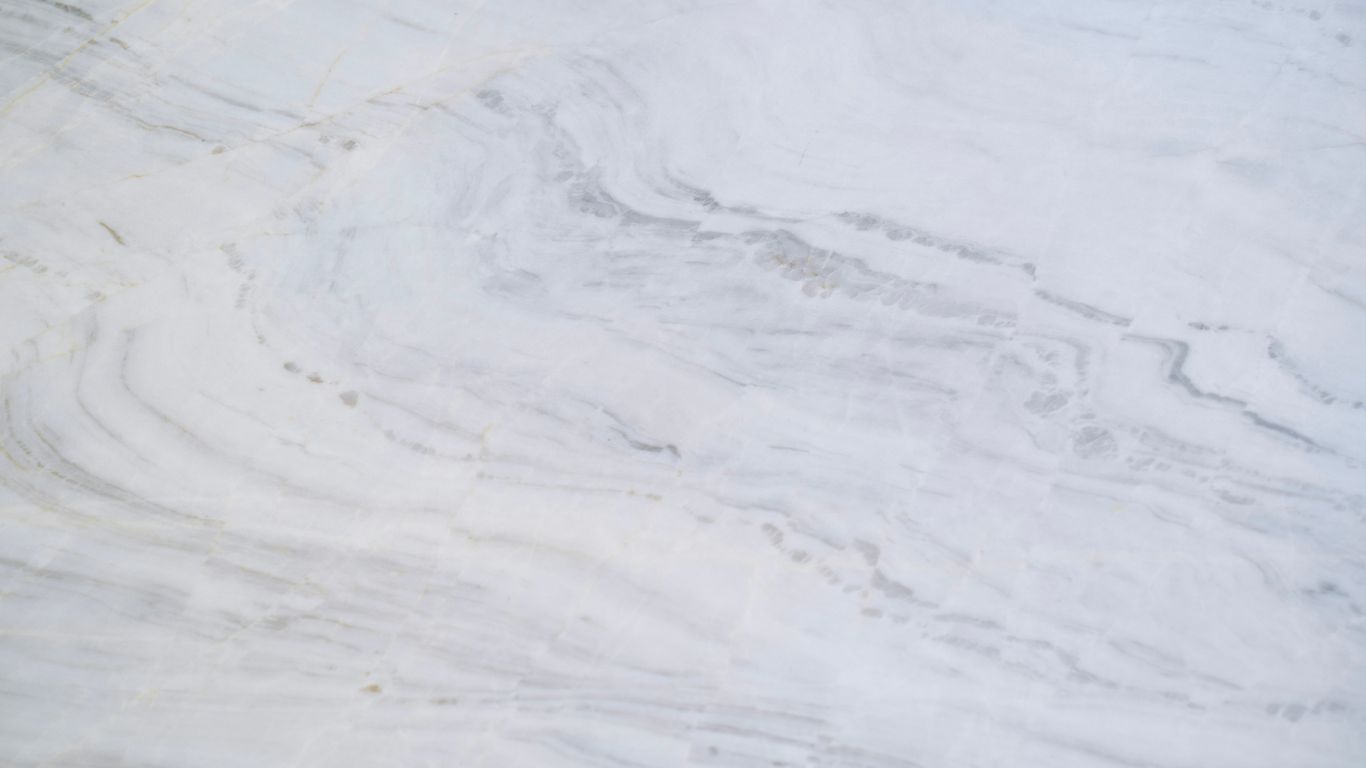
No two natural slabs are perfectly alike, and that variation is part of the material’s appeal. Veins may be fine and quiet or broad and dramatic; the background can shift from soft white to grey, green, cream or deeper tones. Rather than expecting a photographed example to be reproduced exactly, view the available slab or approve a clear material selection before production.
The modern marble table ideas in this collection show how warmer timber, soft upholstery and considered lighting can balance the stone’s visual weight.
Durability and long-term value
Marble is a substantial natural stone and, when properly supported, can serve for many years. That does not mean it is indestructible: its durability is different from resistance to every mark or impact. A well-made base, appropriate slab thickness and careful handling are central to long-term performance.
A made-to-order approach can be valuable here. Geoscenic Stone produces each piece for an approved drawing, with material selection, dimensions and finish confirmed for the individual project rather than treating every photographed table as interchangeable.
Heat resistance and everyday usability
Marble generally handles the warmth associated with serving dishes better than many timber finishes, but trivets remain sensible for very hot cookware. Heat resistance should not be confused with immunity to thermal shock, staining or etching. Everyday usability comes from combining the material’s natural properties with simple habits and a finish appropriate to the household.
How marble suits different interior styles
A pale marble can keep a compact room feeling open, while a darker slab can provide depth in a larger dining area. Rounded edges and a pedestal base can soften the impression of a heavy tabletop; slim metal or timber bases may make it feel lighter. The wider design language matters too, including flooring, dining chairs, wall colour and lighting.
The drawbacks to consider before buying
Marble’s limitations are not hidden defects; they are part of choosing a natural stone for a working surface. The key question is whether the marks associated with use would bother you. If they would, a more forgiving engineered material may be the better fit.
Staining from food, drinks and oils
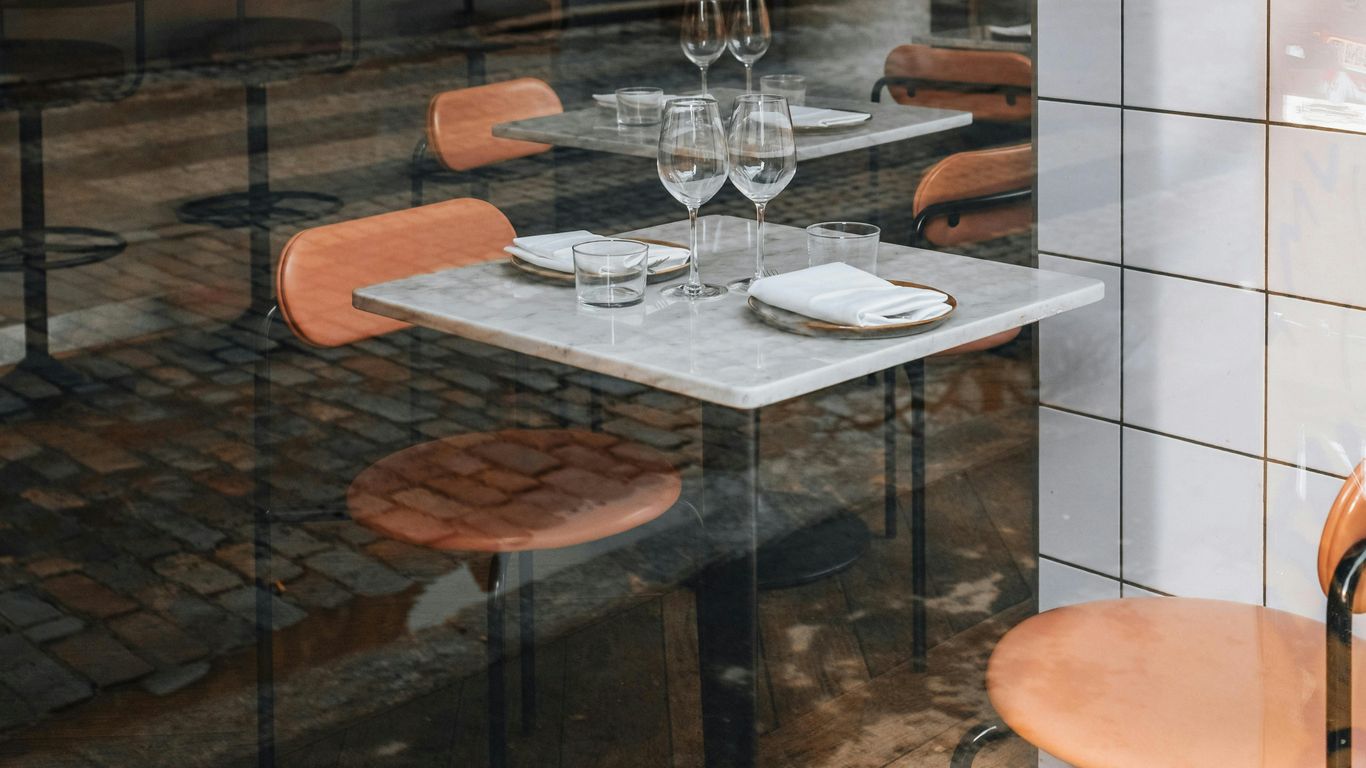
Some marble is porous enough to absorb coloured liquids or oily substances, particularly if the sealer has weakened. Red wine, coffee, cooking oils and richly coloured foods deserve prompt attention. Sealing reduces the risk but does not create an invisible, permanent barrier, so a spill should still be blotted rather than left to sit.
Etching caused by acidic substances
Acidic ingredients such as citrus, vinegar and some soft drinks can react with the surface and leave a dull patch known as etching. This is a chemical change rather than ordinary dirt, so repeated wiping may not remove it. Polished marble can show these marks clearly, while honed finishes may disguise them more effectively without preventing the reaction.
Scratches, chips and surface wear
Marble can scratch if abrasive grit is present or if hard objects are dragged across it. Corners and edges are especially vulnerable to chips from knocks during use, moving or installation. A table that will receive heavy commercial use needs a particularly careful specification for support, edge treatment and maintenance.
Weight, transport and installation challenges
A marble tabletop can be extremely heavy, and the finished piece may need specialist packing, several people or suitable lifting equipment. Access through doors, staircases, lifts and corridors should be checked before the order is finalised. Weight also affects the base, floor loading and the cost of delivery or installation, which should be stated clearly in the quotation.
How much care does a marble dining table need?
Marble care is manageable when it becomes part of normal table use rather than an occasional rescue exercise. The routine is mostly gentle cleaning, prompt attention to spills and protection from avoidable abrasion. The exact advice should follow the stone, finish and sealer selected for the table.
Choosing the right sealer
Ask whether the marble has been sealed, what type of sealer was used and how often the surface should be reassessed. A sealer can slow absorption, but it does not make marble stain-proof or acid-proof. Different stones and finishes may need different products, so avoid applying a generic treatment without checking its suitability.
Cleaning spills and everyday mess
Use a soft cloth and a mild, pH-neutral cleaner suitable for natural stone. Blot spills quickly, especially liquids with colour or acidity, and avoid scouring powders, abrasive pads and harsh household chemicals. Wiping the table after meals is usually more useful than trying to polish away a mark later.
Protecting the surface during meals
Coasters, placemats and trivets provide a simple layer of protection without hiding the whole tabletop. Felt pads beneath decorative objects can prevent fine scratches, while serving boards can contain oils and acidic foods. A practical routine might include:
- Blotting spills instead of rubbing them across the surface.
- Using trivets beneath hot serving dishes.
- Keeping abrasive ceramics, grit and sharp objects away from the tabletop.
- Checking the sealer and finish periodically for changes.
These habits do not remove every risk, but they make ordinary dining considerably less stressful. They also help preserve the clarity of the stone while allowing it to remain a table rather than a display object.
Handling stains, etching and minor damage
A fresh stain may sometimes be treated with a product recommended for the specific stone, but persistent marks should be assessed by a stone-care professional. Etching and chips may require honing, polishing, filling or local repair, depending on their depth and position. Do not assume that a home remedy is harmless simply because it is common online.
Choosing the right marble dining table
The best table is proportionate to the room, stable under daily use and honest about the character of its material. Begin with the room and access route, then compare slabs, finishes and bases. A beautiful stone that cannot enter the property or leaves too little circulation space is not a successful choice.
Comparing marble colours, veining and finishes
Look at a full slab where possible, not only a small sample. Polished finishes reflect more light and can make veining appear more pronounced, while honed finishes have a softer, more muted surface; textured finishes introduce another tactile dimension. White marble is not automatically easier to live with than darker stone, because the visibility of marks depends on the pattern, finish and lighting.
For a more specific material comparison, white marble dining tables offers useful guidance on colour, finish and coordinating materials. Natural variation should be approved as part of the design rather than treated as a manufacturing error.
Selecting a suitable shape and size
Measure the dining area and allow room for chairs to pull out and people to pass behind them. Rectangular tables work efficiently in longer rooms, while round and oval shapes can improve movement and conversation in more compact layouts. The round marble table guide explores how diameter, seating and circulation affect the choice.
Checking the base, frame and overall stability
The base must support the slab without rocking, twisting or creating awkward leg positions. Pedestals can improve legroom, while four-leg and trestle designs may suit different room layouts and visual styles. Check how the base connects to the stone, whether fixings are accessible and whether the finished table remains stable when pressure is applied near an edge.
Assessing thickness, workmanship and quality
Ask how the edges are formed, whether the underside is finished, how cut-outs or fixings are handled and what tolerances apply. Inspect the stone for cracks, filled natural voids and areas of unusual weakness, while remembering that mineral marks and tonal variation are normal in natural material. Geoscenic Stone confirms dimensions, edges, finish and drillings in an approved production drawing before cutting and finishing, which gives a project team a clear reference for the finished piece.
Marble compared with other dining table materials
There is no universally best dining tabletop. Marble prioritises natural character and a strong visual presence, whereas engineered and manufactured surfaces often prioritise consistency, stain resistance or ease of care. The useful comparison is not simply which material is more durable, but which compromises fit your household.
Marble versus wood for warmth and maintenance
Wood usually brings visual warmth and can be more forgiving of minor knocks, depending on its finish. It may need refinishing or protection from standing moisture, while marble needs attention to acids, porosity and surface abrasion. If tactile warmth and repairability are priorities, wood may feel more relaxed; if a cool, patterned centrepiece is the goal, marble has a different appeal.
This wood and marble comparison sets out the practical and aesthetic differences without reducing the choice to a simple winner.
Marble versus sintered stone for durability
Sintered stone is engineered and generally offers a consistent pattern with straightforward everyday cleaning. Marble provides natural variation that cannot be reproduced exactly, but it may need more care around acids and stains. Compare the actual manufacturer’s specifications, edge details and repair options rather than relying on broad claims about either material.
The marble and sintered stone guide is useful when maintenance, appearance and cost all need to be considered together.
Marble versus quartz for stain resistance
Quartz surfaces are engineered and are often selected for their consistent appearance and resistance to many everyday stains. Marble offers a more geological, one-off pattern but can react to acidic substances and absorb spills if insufficiently protected. Neither comparison should be made from a sample alone: confirm the tabletop construction, finish, heat guidance and care instructions.
When a ceramic or laminate table may be better
Ceramic or laminate can be a sensible option for busy households that value low maintenance, lighter weight or a more controlled price. These materials may also simplify replacement and movement, particularly in rented homes or frequently changing interiors. Marble is worth choosing when its natural character matters enough to justify the care and logistics that come with it.
Practical buying advice and common mistakes
A good purchase includes more than the tabletop. It includes the approved dimensions, the base, the finish, the packing method, the delivery route and the responsibilities at installation. Taking time over these details can prevent expensive surprises later.
Setting a realistic budget
Price is affected by the marble selected, slab size, thickness, edge profile, base material, fabrication complexity, packing and destination. Ask whether delivery, duties, taxes and installation are included or quoted separately. The marble table cost guide provides a useful starting point for thinking about price bands, although an individual quotation will depend on the specification.
Measuring the room and access route
Measure the dining area, chair clearance and the route from the property entrance to the final position. Check door widths, lift dimensions, stair turns and any narrow passages before approving a large slab. A table that fits the room may still fail at the building entrance, so access planning belongs at the beginning rather than after production.
Checking delivery, assembly and guarantees
Confirm how the table will be packed, whether the base arrives separately, who is responsible for carrying and assembling it, and what happens if access requires special equipment. A quotation should distinguish the furniture itself from destination-specific delivery and installation requirements. For made-to-order work, keep the approved drawing and written material specification with the project records.
Questions to ask a furniture retailer
A clear conversation should cover both design and responsibility. Useful questions include:
- Is the tabletop natural marble, engineered stone or another material?
- Which finish and sealer are being specified, and what care do they require?
- What dimensions, tolerances, edge details and base fixings appear on the drawing?
- What are the delivery, installation, damage-reporting and guarantee arrangements?
These answers reveal whether the seller is discussing a specific, buildable table or only a general image. They also make comparisons between quotations much fairer. If you are coordinating several home decisions, a flooring materials guide may help you consider how the table will sit with the wider room scheme.
For practical household planning, even unrelated details such as arranging a professional home service can remind you to check access, scheduling and responsibility rather than assuming every project element is included.
Conclusion
A marble dining table is a good idea when you value natural variation, substantial design and long-term presence more than complete resistance to marks. Choose the stone, finish, size and base with your routine in mind, then confirm care, access, delivery and installation before ordering. With realistic expectations and sensible protection, marble can be both a refined focal point and a genuinely usable part of the home.
Frequently Asked Questions
Is marble suitable for everyday dining?
Yes, provided you accept that it needs prompt cleaning and sensible protection from acids, grit, heat and impacts. It is durable as a stone but not immune to staining, etching or scratching.
Does marble dining furniture need to be sealed?
Many marble tables benefit from sealing because it can reduce absorption. Sealing does not make the surface stain-proof or acid-proof, and the appropriate product and reapplication schedule depend on the stone and finish.
Can hot plates go directly on marble?
Marble generally tolerates ordinary serving warmth, but trivets are still advisable for very hot cookware. They reduce the risk of thermal stress, marks and damage to the surrounding finish.
What is the easiest marble finish to maintain?
A honed finish can make fine etching less visually obvious than a highly polished finish, although it does not prevent etching. The most suitable finish depends on appearance, texture, lighting and how the table will be used.
Is natural marble better than engineered marble?
Neither is automatically better. Natural marble offers genuine geological variation, while an engineered alternative may provide greater consistency or different maintenance characteristics. Compare the actual composition and care guidance.
How much space should be left around a dining table?
Allow enough room for chairs to move back and for people to pass comfortably behind them. The exact clearance depends on the room, chair depth and circulation route, so mark the footprint on the floor before ordering.
Can a chipped or etched marble tabletop be repaired?
Minor etching, scratches and chips can sometimes be treated by a qualified stone-care professional. The likely result depends on the damage, finish, colour and location, so obtain an assessment rather than attempting an unsuitable abrasive or chemical treatment.