
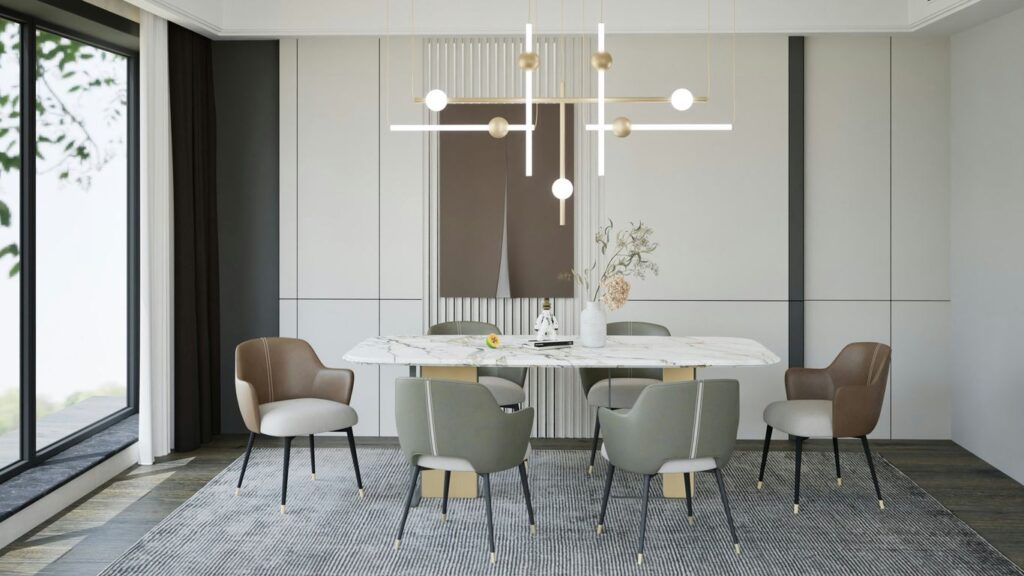
Key Takeaways
A real marble dining table is identified by the stone itself, not simply by a veined appearance. Look closely, ask precise questions and consider how the surface will live in your home.
- Natural marble has individual veining, mineral movement and small variations.
- Edges and undersides often reveal whether a top is solid, layered or printed.
- Touch, light and sound can offer clues, but none proves authenticity alone.
- Quartz, porcelain, sintered stone, laminate and resin can all imitate marble in different ways.
- A reliable purchase includes a clear stone name, specification and care guidance.
Understand what makes a real marble dining table different
Marble is natural stone formed over geological time, then cut and finished for a particular use. Its appearance is shaped by mineral content, pressure and the part of the quarry block from which a slab is taken. That means a genuine surface is not expected to look perfectly repeated from one end to the other.
How natural marble is formed and quarried
Marble begins as limestone or another carbonate-rich rock that is altered by heat and pressure. During quarrying, large blocks are separated from the mountain and sawn into slabs, after which the slabs may be polished, honed or given another finish. The direction of the cut affects how the veining appears, so two slabs from the same quarry can still look noticeably different.
The difference between marble slabs, tiles and veneers
A slab is a substantial piece of stone intended for fabrication into a surface, while a tile is thinner and usually made for flooring or wall applications. A veneer is a thin layer fixed over another material, often to reduce weight or cost. The word “marble” in a listing therefore does not, by itself, tell you how much natural stone is actually present.
Common marble varieties used for dining tables
Carrara, Calacatta and Statuario are often discussed in furniture specifications, although each name covers a range of appearances rather than one perfectly fixed pattern. Darker and green marbles are also used where a stronger visual statement is wanted. Colour, veining, finish and slab availability should be confirmed from the actual material proposed for the project.
Why natural variations are evidence of authenticity
A natural slab may include cloudy areas, fine fissures, mineral marks or changes in tone. These features are not automatically signs of poor quality; they are part of the stone’s character, provided the fabricator has assessed the slab for the intended use. Variation is part of the material, so a sample or photograph should be treated as a guide rather than a promise of an identical finished surface.
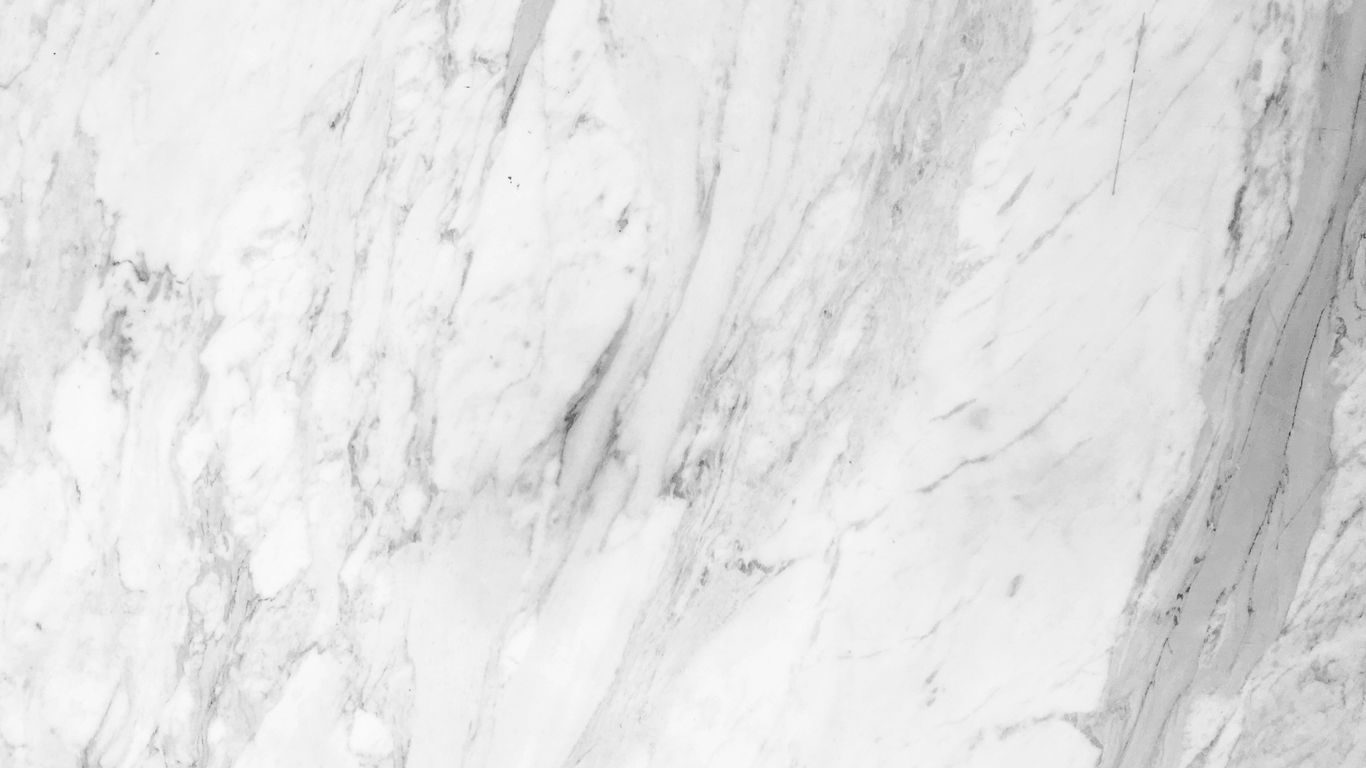
A useful reference is this marble dining table guide, which places veining, finishes and everyday care alongside the practical decision of choosing a table.
Inspect the surface for natural marble characteristics
Surface inspection is most helpful when the table is clean and viewed from several angles. Do not judge authenticity from a single dramatic vein or a polished photograph. Instead, look for how colour, texture and pattern behave across the whole top.
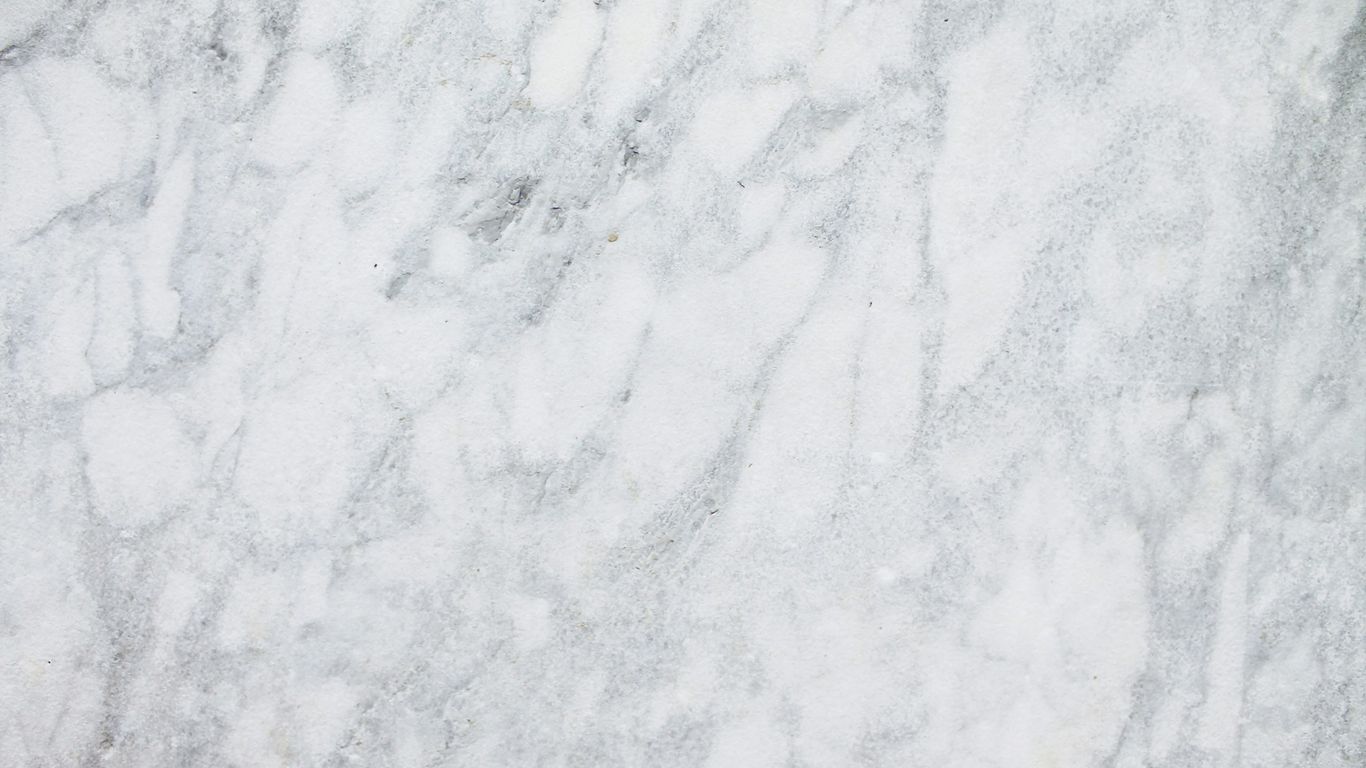
Look for unique veining and colour movement
Natural veining tends to vary in width, direction and intensity. It may fade into the background, split into fine lines or gather into a denser area. Repeated arches, identical streaks or a pattern that appears to restart at regular intervals deserves closer questioning, particularly on a large top.
Check for pores, pits and small mineral variations
Depending on the type and finish, marble can show tiny pores, pinholes, mineral flecks and filled areas. A polished top may make these less obvious, while a honed surface can reveal more of the stone’s texture. Small imperfections do not prove that a table is real marble, but an entirely uniform surface should not be accepted as proof that it is not.
Assess whether the pattern continues through the surface
When possible, inspect an exposed edge as well as the top. A genuine stone pattern may continue into the edge, although the exact appearance changes with the cut and the direction of the veining. A thin decorative layer can look convincing from above while ending abruptly at the side.
Distinguish authentic variation from printed patterns
Printed effects often have a flat, repeating quality, with the same marks appearing at predictable intervals. Natural movement usually has less visual order and may include subtle depth beneath the finish. A close inspection under ordinary daylight is more revealing than a heavily edited product image.
Use touch, light and sound to test the material
Simple checks can help you form a sensible first impression, especially when buying second-hand or viewing a showroom sample. They are clues rather than laboratory tests. The safest decision combines these observations with the construction details and written specification.
Feel the temperature and texture of the tabletop
Stone often feels cool when first touched because it conducts heat away from the hand, but other dense materials can do the same. Run your fingertips over the surface to notice whether it feels consistently hard, unusually thin or slightly flexible at an unsupported edge. Texture will depend on whether the finish is polished, honed or more heavily worked.
Examine the surface under natural and angled light
Daylight helps reveal colour movement without the exaggeration of showroom spotlights. Then use a light source from a low angle to look for a printed sheen, a raised coating, filled pits or differences between the centre and perimeter. Reflections can also show whether a polished surface is evenly finished.
Tap the table to assess its acoustic response
A gentle tap with a knuckle may produce a clear, hard sound from a substantial stone top, while a backed or hollow construction can sound more muted. The base, thickness, supports and surrounding room all affect the result. Never treat sound as a pass-or-fail test, and do not strike a valuable surface with a hard object.
Understand the limits of at-home authenticity tests
Acid, scratch and heat tests are risky and can permanently damage a finish or seal. Even a careful visual inspection cannot reliably distinguish every engineered stone from every natural stone. If the purchase is significant, request the material specification and inspect an edge or sample approved for the actual order.
A short video can demonstrate the difference between finishes and surfaces, but it should supplement rather than replace documentation.
Compare marble with common marble-look alternatives
A marble-look surface may be a sensible choice rather than a deceptive one, provided it is described accurately. Engineered products can offer consistent colour, lower maintenance or reduced weight, while natural marble offers geological variation that cannot be manufactured exactly. The question is whether the material matches the specification and the way you intend to use the table.
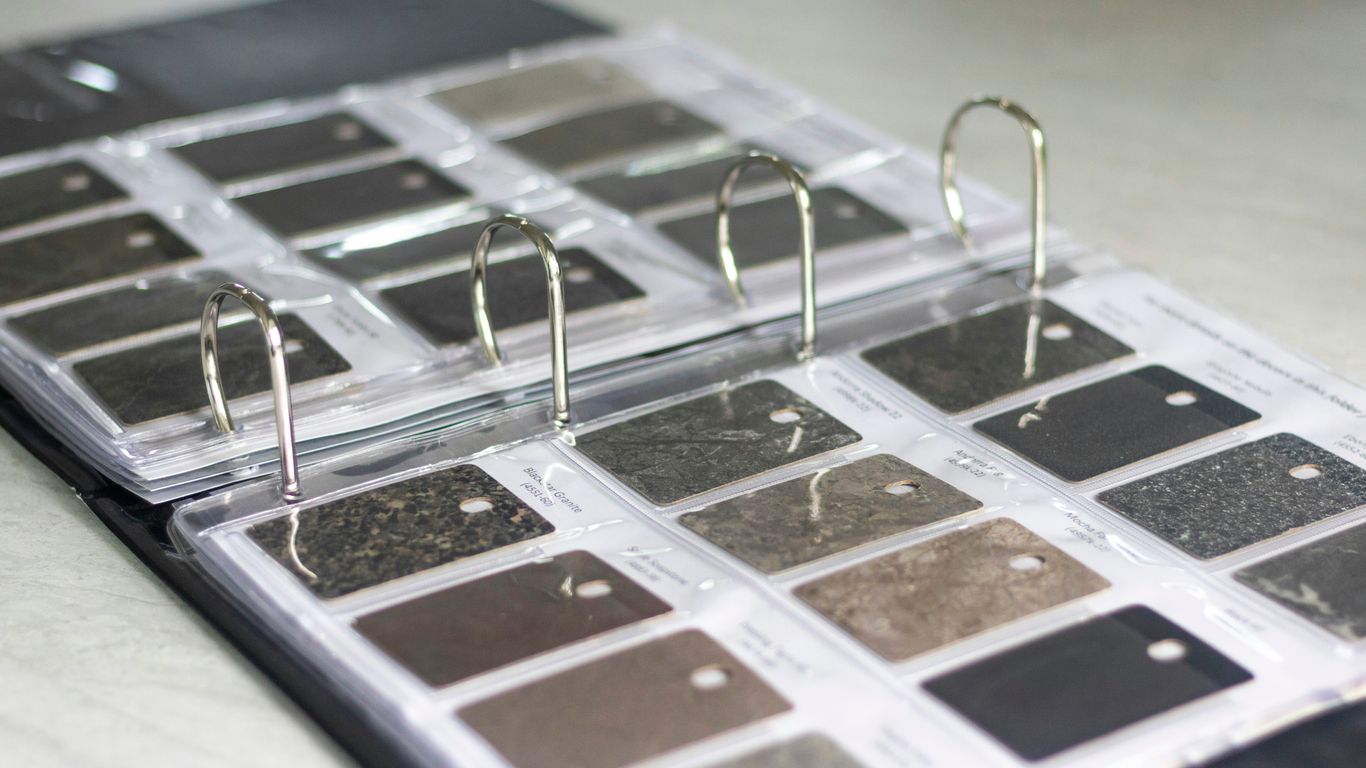
How quartz compares with natural marble
Quartz surfaces are engineered from mineral material and binders, so their appearance is generally more controlled. They can imitate veining while avoiding some of the porosity associated with natural stone. They are not the same material as marble, however, and the product’s care and heat guidance should be followed rather than assumed.
Identifying porcelain and ceramic marble effects
Porcelain and ceramic slabs can reproduce fine veins with a highly consistent image across a broad format. Their printed or layered decoration may be visible at an unfinished edge, depending on the product. Check the slab thickness, edge treatment and manufacturer’s material name instead of relying on the word “stone” in a listing.
Spotting sintered stone and engineered surfaces
Sintered stone is manufactured under controlled conditions and is often selected for a more consistent appearance and simpler everyday care. It can be a practical alternative for a busy household, but it should be labelled as sintered stone rather than natural marble. This marble and sintered stone comparison is useful when weighing appearance, maintenance, durability and cost together.
Recognising laminate, resin and printed finishes
Laminate and resin tops may be lighter and less expensive, while printed films can create a convincing image at a distance. Look for a very thin decorative layer, a plastic-like edge, a different pattern on the underside or a top that sounds hollow. These signs are not inherently negative; they simply establish that the table is marble-look rather than a solid marble top.
The following quick comparison keeps the main distinction clear:
| Material | Typical visual character | Useful verification clue |
|---|---|---|
| Natural marble | Individual movement and mineral variation | Stone name, slab details and exposed edge |
| Quartz | Controlled, engineered veining | Manufacturer specification and consistent pattern |
| Porcelain or ceramic | Printed or layered marble effect | Slab edge, thickness and product data |
| Sintered stone | Consistent engineered surface | Material declaration and fabrication details |
The table is only a starting point. A well-made engineered surface may be the right choice, but it should never be sold as natural marble by implication.
Examine the table’s edges, underside and construction
The top view is where imitations are most persuasive, so turn your attention to less visible areas. Ask permission to inspect the edge, underside, joints and points where the top meets its base. Construction often tells you more than a sales description.
Inspect the edge profile for visible layers
A solid marble edge should read as stone through its thickness, even if it has a shaped profile or a filled natural feature. A narrow decorative layer may reveal a line where it meets a substrate. Painted or wrapped edges can also show a different sheen from the top.
Look underneath for seams, backing and support panels
The underside may include reinforcement, a backing board, a frame or several joined pieces. Those details do not automatically make a table inferior; large stone tops often need carefully planned support. They do, however, tell you whether you are buying a solid slab, a composite build or a veneered panel.
Check whether the veining runs through the edge
Where a vein reaches the edge, compare its direction and depth with the top. A natural vein may be cut across and therefore look different, not necessarily identical. A pattern that stops at a perfectly straight surface line can suggest a printed or bonded layer.
Separate a solid marble top from a marble veneer
Ask directly how thick the marble is and what material supports it. A veneer can be an entirely legitimate design solution, particularly where weight or installation access matters, but it should be priced and cared for according to its actual construction. For bespoke work, these points should appear in the approved drawing rather than remain an informal promise.
Verify the table’s provenance and specifications
Documentation is the strongest protection against confusion. A professional quotation should identify the proposed material, dimensions, finish and construction clearly enough for another person to understand what is being made. This is especially important when the piece is produced to order rather than taken from warehouse stock.
Ask the seller for the exact stone name
“Natural marble” is a useful starting point, not a complete specification. Ask for the commercial stone name, country or quarry region where available, finish, thickness and whether any areas are filled or reinforced. If the stone is selected after quotation, confirm how the final slab will be approved.
Check product descriptions for engineered or composite materials
Read for terms such as engineered stone, composite, porcelain, ceramic, sintered, resin, laminate or marble effect. A listing that uses “marble style” or “marble finish” may be describing the appearance rather than the substance. If the wording is vague, request a written clarification before paying a deposit.
Request details about quarry source and fabrication
Quarry information can help explain availability and variation, while fabrication details clarify how the slab is cut, edged, finished and supported. A made-to-order supplier should be able to discuss dimensions, tolerances, packing and delivery requirements as part of the project conversation. Geoscenic Stone describes its process as selecting material for each order and producing pieces to an approved drawing, from cutting and finishing through inspection and packing.
For a wider buying checklist, review the custom stone furniture guidance, which covers material selection, finishes and bespoke fabrication. If you are ready to request a quotation, include the intended dimensions, preferred stone, finish and destination so the proposal can be assessed properly.
Review invoices, care instructions and material certificates
Keep the invoice, approved drawing, care sheet and any material certificate together. These records should distinguish natural stone from an engineered alternative and state what is included in the quotation. They are also useful if a replacement, repair or future move requires the original construction information.
The same discipline applies to unrelated household purchases: a professional key-copy guide, an extra virgin olive oil guide, flooring material advice, a privacy policy explanation and kitchen plumbing service information all illustrate why clear descriptions matter, even though their subjects are different.
Decide whether a real marble dining table suits your home
Authenticity is only one part of the decision. A genuine marble top can be beautiful, weighty and long-lasting, but it also asks for sensible care and realistic expectations. Consider the room, the household and the level of attention the surface will receive.
Weigh natural beauty against maintenance requirements
Natural marble gives every table a particular combination of tone, movement and scale. It can make a dining room feel grounded and formal, yet it is not a maintenance-free material. Regular gentle cleaning, suitable protection and careful use are part of owning it.
Consider staining, etching and everyday wear
Acidic foods and drinks can etch some marble finishes, while oils may stain porous areas if spills are left unattended. Scratches, chips and marks are possible, especially on a busy table used for craft, homework or frequent entertaining. Sealing may help with absorption, but it does not make the surface impervious.
Match the marble type to your household’s needs
Think about how often the table will be used, whether children will eat there, and whether hot dishes or messy preparation will take place on it. Finish matters as well: polished stone reflects more light, while honed stone has a softer appearance that may disguise some everyday marks. Room conditions, access routes and the weight of the finished piece also deserve attention.
For a broader comparison of natural stone options, this natural stone dining table guide considers marble alongside travertine, granite and quartzite. A considered choice is usually more satisfying than selecting a slab solely because its photograph is striking.
Compare long-term value with lower-maintenance alternatives
A lower-maintenance surface may offer better value if it reduces worry and suits the way the room is used. Natural marble may be worth the additional care when its variation, depth and tactile quality are central to the design. In either case, compare the complete cost, including fabrication, packing, delivery, access and any installation requirements rather than looking only at the tabletop price.
Geoscenic Stone works on a factory-to-order basis, so dimensions, stone, finish, edges and drillings can be confirmed for a specific project rather than assumed from a stock photograph. That approach is useful when a dining table must fit a particular room, access route or design scheme, provided the final quotation states the scope clearly.
Request a tailored stone proposal
If you want the character of natural marble with the details properly considered, speak with Geoscenic Stone about a made-to-order piece. Share your room dimensions, preferred finish, seating needs and delivery destination so the team can assess the stone, fabrication and practical requirements together.
Conclusion
To identify a real marble dining table, look beyond the top photograph: inspect natural variation, compare the edge and underside, ask for the exact material and read the specification carefully. Touch and light can provide useful clues, but clear provenance and construction details are more dependable. Once authenticity is established, choose between marble and its alternatives according to the care, weight, appearance and daily use your home can genuinely accommodate.
Frequently Asked Questions
How can I tell if a dining table is real marble?
Inspect the surface for irregular veining and mineral variation, then check the edge and underside for layers or a supporting substrate. Confirm the exact material in writing, because visual tests alone cannot identify every engineered alternative.
Does real marble always have pores or pits?
No. The presence and visibility of pores depend on the marble, finish and any filling or sealing. A completely smooth surface is not proof of an imitation, just as small pits are not proof of authenticity.
Does marble veining continue through the edge?
It may, but the pattern can change because the slab has been cut in a particular direction. A vein that ends at a perfectly uniform decorative layer may suggest a veneer or printed finish and should prompt further questions.
Is quartz the same as natural marble?
No. Quartz surfaces are engineered products that can reproduce the look of marble with more controlled patterning. They have different composition, performance characteristics and care guidance.
Can I use a scratch or acid test at home?
It is better not to. Such tests can damage a polished or sealed surface, and the result may still be inconclusive. Ask for documentation or use a sample that is specifically approved for testing.
Is honed marble easier to maintain than polished marble?
Honed marble has a matte appearance that may make some marks less conspicuous, while polished marble can highlight colour and veining. Both finishes can stain or etch, so neither should be treated as maintenance-free.
What should a marble table specification include?
It should state the stone name, dimensions, thickness, finish, edge profile, support or backing, fabrication details and what is included for packing, delivery and installation. Care instructions and any material documentation should also be retained.