
Key Takeaways
Marble rewards a light touch and quick attention. A gentle routine will usually do more for the table than an aggressive product ever could.
- Dust and remove loose grit before wiping with water.
- Use a pH-neutral cleaner, lukewarm water and soft cloths.
- Blot spills promptly, especially coffee, wine, juice and oils.
- Treat etching as surface damage rather than an ordinary stain.
- Use coasters, mats and suitable sealing to reduce future marks.
Understand what makes marble vulnerable
Marble is a natural stone with a surface that can react to acids, abrasive particles and standing moisture. Its veining, mineral marks and tonal shifts are part of its character, but they also mean that two tables may respond slightly differently. Before choosing a cleaning method, it helps to understand whether you are dealing with dirt, a stain or a change to the stone itself.
Why marble reacts differently from other stone surfaces
Marble contains calcium carbonate, which is sensitive to acidic substances. That is why a splash of citrus juice or wine can leave a pale, dull mark even after the liquid has been wiped away. The safest approach is to keep cleaning simple and avoid assuming that a product suitable for another surface will also suit marble.
For a broader overview of the material’s practical strengths and limitations, this marble dining table guide is a useful companion. It places cleaning in the wider context of heat, staining, scratching and everyday use.
The difference between stains, etching and surface damage
A stain is usually colour that has entered the stone or collected on its surface. Etching is different: it is a chemical change that removes some of the polished surface, often leaving a cloudy patch or ring. Scratches and abrasion are physical damage, and neither etching nor scratching should be treated as a cleaning problem.
How polished and honed marble respond to cleaning
Polished marble has a reflective finish that makes water marks, fingerprints and etching easier to see. Honed marble has a softer, matte appearance and may disguise minor marks, although it remains vulnerable to acids and scratching. The distinction is explored in this guide to honed and polished marble, particularly when choosing furniture finishes.
When to test an inconspicuous area first
Test any unfamiliar cleaner, stain treatment or polishing product in a hidden area first. Leave the test patch long enough to dry, then check for a change in colour, sheen or texture. This small pause is especially sensible on older tables, repaired pieces and surfaces with an unusual finish.
Gather the right supplies before cleaning
The best preparation is modest: a clean cloth, a gentle cleaner and enough time to dry the surface properly. Clear the table first so that grit is not dragged beneath ornaments or tableware. If the piece was commissioned for a particular project, its approved finish and care advice should also be kept with the household records.
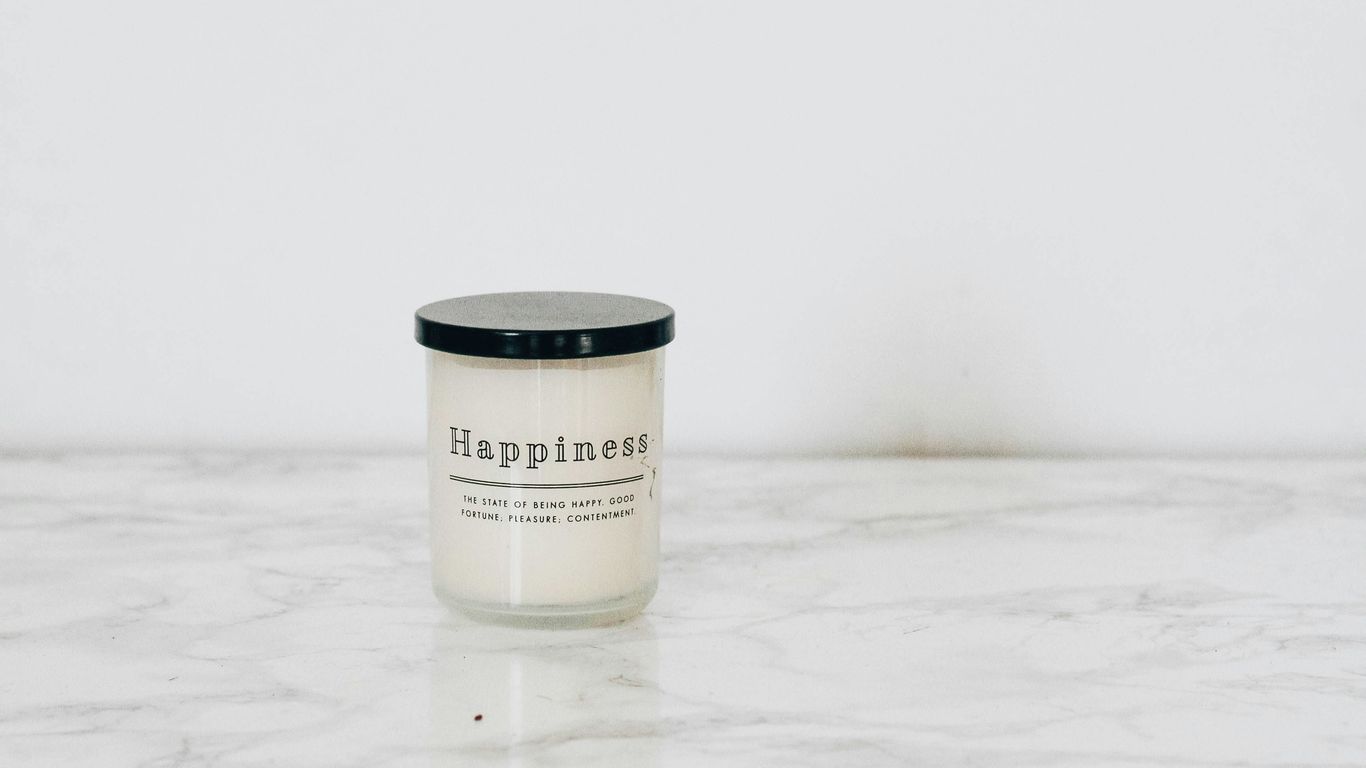
pH-neutral stone cleaner and lukewarm water
Choose a cleaner labelled for natural stone and described as pH-neutral, then dilute it exactly as directed. Lukewarm water is sufficient for ordinary cleaning; very hot water adds no useful cleaning power and can make drying less comfortable. A mild, diluted soap may also be suitable when the product instructions allow it.
The central principle is the same one set out in this neutral stone cleaning guide: a gentle solution is preferable to a strong chemical treatment. Use only enough liquid to dampen the cloth rather than saturating the tabletop.
Soft microfibre cloths and non-abrasive sponges
Microfibre cloths are useful because they collect fine dust without requiring pressure. Keep separate cloths for cleaning, rinsing and drying, and use a soft non-abrasive sponge for residue that needs a little more lift. Wash the cloths without fabric softener if possible, since residues can transfer back to the stone.
Supplies to avoid, including vinegar, bleach and scouring powders
Vinegar and lemon are acidic, while bleach and abrasive powders can create their own problems through chemical exposure or scratching. Avoid products that contain gritty particles, strong acids or unspecified heavy-duty solvents. A product that promises to cut through every type of grime is not automatically appropriate for marble.
A simple comparison helps keep the cupboard sensible:
| Supply | Everyday suitability | Main concern |
|---|---|---|
| pH-neutral stone cleaner | Suitable when used as directed | Residue if over-applied |
| Lukewarm water | Suitable for light wiping | Water marks if left to dry |
| Microfibre cloth | Suitable for dust and wiping | Grit trapped in the cloth |
| Vinegar or lemon | Not suitable | Acid etching |
This is why the cleaning kit should favour control over strength. Fewer, cleaner tools make it easier to notice what is happening on the surface.
Why spray bottles, paper towels and hard brushes can cause problems
A spray bottle can encourage over-application, especially when the liquid is sprayed directly onto the table. Paper towels may shed fibres, while hard brushes can catch on a textured finish or move grit across the stone. Apply cleaner to the cloth when practical, and keep the pressure light.
Follow a safe routine for everyday cleaning
Routine care does not need to be elaborate. Remove loose debris first, wipe with a diluted neutral cleaner, rinse away residue and dry the surface. This sequence is also a useful baseline for anyone researching marble table care, where sealing and spill prevention matter as much as the wipe-down itself.
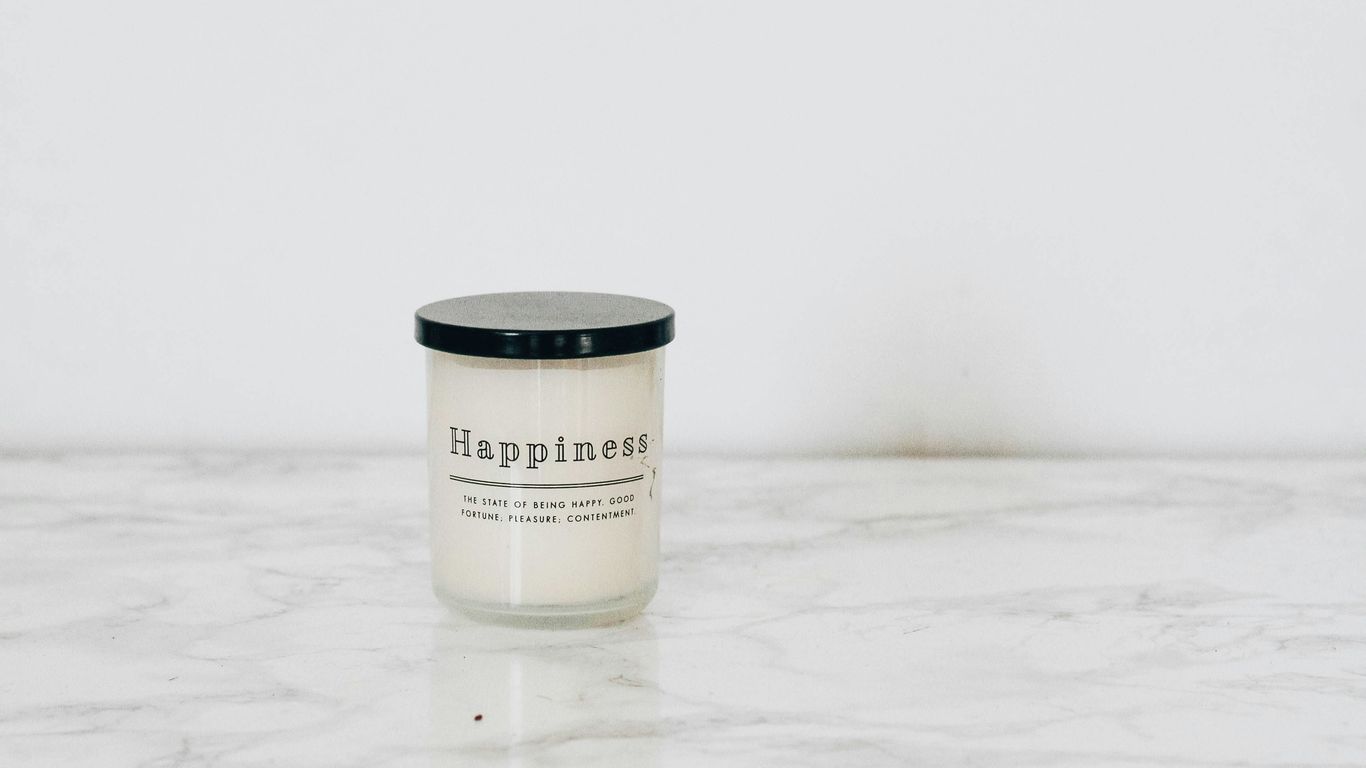
How to remove crumbs and loose debris without scratching
Lift or brush crumbs away with a dry, soft cloth before introducing moisture. Do not push a plate, vase or decorative object across the surface to gather debris. Fine grit is easy to overlook, but it can act like sandpaper when trapped under a cloth.
The correct way to mix a gentle cleaning solution
Add the recommended amount of cleaner to lukewarm water rather than guessing with a concentrated mixture. If using mild soap, a few drops are generally enough for a bowl of water; excess soap can leave a film. Prepare a fresh solution when the water becomes cloudy or carries visible dirt.
How to wipe the marble table without spreading grit
Work in manageable areas, moving the damp cloth in gentle overlapping passes. Rinse the cloth often, and use a second clean cloth if the first has picked up grit. Light pressure protects the finish while still lifting ordinary fingerprints, dust and food residue.
For a table made to a particular drawing, this quiet routine also helps preserve the relationship between its chosen stone, edge detail and finish. Geoscenic Stone produces made-to-order marble furniture from material selection through finishing and inspection, with project details confirmed in an approved production drawing.
Drying and buffing the surface to prevent water marks
Follow the damp wipe with a clean, dry microfibre cloth. Pay attention to edges, joints and areas around decorative objects, where droplets can linger. A final gentle buff removes the thin film that otherwise dries into spots, particularly in areas with hard water.
A short visual demonstration can be helpful when learning the pressure and amount of water required. The goal is not a glossy polish from cleaning, but a clean surface with no remaining moisture or cleaner residue.
Remove common spills and stains carefully
Spills are easiest to manage before they have time to spread or soak in. Blot rather than rub, then clean the area with the same neutral solution used for everyday care. If colour remains after the surface is clean and dry, pause before escalating to a stronger treatment.
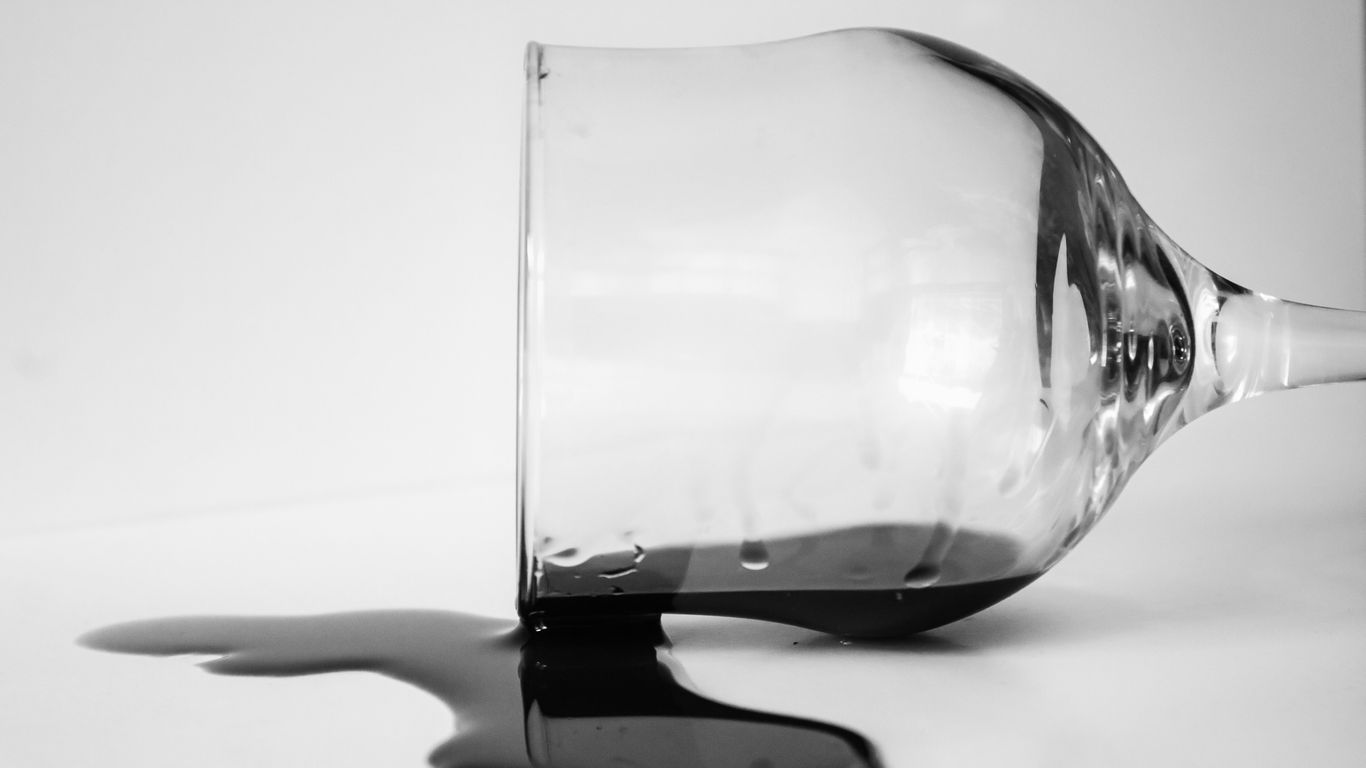
What to do immediately after coffee, wine or juice spills
Use a dry cloth to blot the liquid, working from the outside towards the centre. Follow with a clean, damp cloth and dry the area fully. Coffee, red wine and juice can leave colour, but an acidic drink may also etch the surface, so the appearance after drying is worth checking in good light.
How to lift oily marks without harsh degreasers
Start with a small amount of pH-neutral cleaner and a damp cloth. Repeat gently rather than reaching immediately for a powerful degreaser, which may affect the finish or leave its own residue. For a persistent mark, identify whether it is sitting on the surface or has penetrated the stone before choosing a specialist treatment.
Treating dried food and sticky residue safely
Soften dried food with a damp cloth for several minutes, then lift it with a soft sponge or a plastic-edged tool. Never scrape with a knife, metal card or rough pad. Sticky residue may need two or three mild passes, with rinsing between them.
For ordinary incidents, the process can be kept in this order:
- Blot liquid without rubbing it outward.
- Remove solids with a soft tool after softening.
- Wipe with diluted pH-neutral cleaner.
- Rinse the cloth and remove cleaner residue.
- Dry the area and inspect it in natural light.
Following these steps prevents a small spill from becoming a larger patch of abrasion or residue. It also makes it easier to tell whether a mark needs restoration rather than more cleaning.
When a poultice may help with deep-set stains
A poultice is an absorbent treatment intended to draw some stains out of porous stone. It is not a universal solution and should be selected for the type of stain and marble finish. Because incorrect ingredients or excessive dwell time can worsen the appearance, follow a stone-care product’s instructions or ask a specialist before using one.
Deal with etching and dull patches
A table can be perfectly clean and still look dull after contact with an acidic substance. This is one of the most frustrating aspects of marble care, because repeated wiping cannot replace material that has been chemically altered. First identify the mark, then decide whether it is suitable for light polishing or requires restoration.
How to recognise acid etching on a marble table
Etching often appears as a pale, cloudy or dull patch, ring or splash-shaped mark. On polished marble it interrupts the reflection; on honed marble it may appear as a slightly different texture or tone. If the mark remains after gentle cleaning and complete drying, it is less likely to be surface dirt.
Why cleaning products cannot reverse chemical etching
Cleaning removes foreign material; it does not rebuild the finish removed by acid. Applying more cleaner can therefore waste time and increase exposure without improving the mark. This distinction is also covered in practical marble surface care, which separates routine cleaning from etching prevention.
When gentle polishing may improve a light mark
A very light mark may respond to a marble-specific polishing powder or product, but only when it suits the finish and the instructions are followed precisely. Polishing can change the sheen if applied unevenly, so protect surrounding areas and test first. A polished surface and a honed surface should not automatically receive the same treatment.
When to call a professional stone restoration specialist
Seek professional advice when etching covers a broad area, scratches are deep, the finish is uneven or a previous repair is visible. Restoration may involve honing, polishing or other controlled processes that are difficult to perform consistently by hand. Stop experimenting if the patch is spreading or the stone’s texture is changing.
Protect the marble table after cleaning
Good protection reduces the number of difficult cleaning jobs. It does not make marble immune to staining or etching, so the most useful measures combine physical barriers with sensible habits. For clients selecting a new piece, the intended use and household routine should be discussed alongside stone colour and finish.
How coasters, placemats and trivets prevent damage
Use coasters beneath drinks, placemats beneath plates and trivets beneath warm serving dishes. These barriers catch moisture, heat and grit before they meet the stone. They are particularly helpful during meals, when several small risks occur at once and spills may not be noticed immediately.
Choosing a suitable marble sealer for the finish
A sealer can reduce absorption, but it does not prevent acid etching or surface scratches. Choose a product intended for the specific marble and finish, and follow its preparation, application and curing instructions. If the table has a specialist surface treatment, check that a new sealer will not alter its appearance.
How often to reseal based on use and absorption
Resealing should be guided by use, the stone’s porosity and the performance of the existing treatment rather than a fixed calendar alone. A frequently used dining table may need closer observation than an occasional side table. A professional or the original fabricator can advise after considering the material and finish.
Simple habits that reduce staining and scratching
Keep sharp-edged objects on trays or mats, lift items instead of dragging them, and wipe spills as soon as they appear. Avoid placing unglazed ceramics or rough decorative pieces directly on the surface. Geoscenic Stone selects material for each order and accounts for the individual piece, packing, destination and any installation requirements in its quotation, so care advice should remain specific to the finished piece.
For more ideas on protecting marble furniture, focus on barriers and prompt cleaning rather than relying on sealer alone. These habits are inexpensive and tend to be more reliable than trying to repair every mark later.
Avoid common marble-cleaning mistakes
Most damage comes from familiar household shortcuts: an acidic kitchen ingredient, an abrasive sponge or too much water left on the surface. Marble needs less force than many people expect. When the result looks worse after cleaning, stop and reassess instead of repeating the same method.
Why vinegar and lemon can permanently dull marble
Vinegar and lemon contain acids that can react with marble and remove some of its surface. The resulting dull patch may be permanent without refinishing. Even a diluted ingredient used repeatedly can create gradual change, so keep acidic kitchen solutions away from the table.
The risks of abrasive pads, powders and magic erasers
Abrasive pads and scouring powders can leave fine scratches, while a magic eraser can act more like an abrasive than a soft sponge. These marks may be subtle at first and more visible when light moves across a polished surface. Use a clean microfibre cloth or a stone-safe sponge instead.
Why excess water and steam can leave marks
Standing water can dry into mineral deposits or enter edges and joints. Steam is also difficult to control and may force moisture into areas that are not designed to be saturated. Dampen the cloth, not the table, and dry the surface as soon as cleaning is complete.
Signs that the table needs professional care
A persistent dull patch, spreading stain, deep scratch, uneven sheen or damaged edge is a reason to seek a stone specialist. The same applies when you are unsure whether a mark is a stain or etching. For wider maintenance planning, even a general stone care checklist can be useful as a prompt to record materials, finishes and recurring issues.
Commission With Confidence
If you are planning a made-to-order marble table or need advice on stone, finish, dimensions and delivery requirements, speak with Geoscenic Stone about your project and request a quotation tailored to the individual piece.
Conclusion
Cleaning marble safely comes down to removing grit first, using a pH-neutral solution, blotting spills quickly and drying the surface completely. Stains may need a careful treatment, while etching and deep scratches usually call for restoration rather than stronger cleaning. With sensible protection and a routine suited to the table’s finish, marble can retain its natural variation and quiet character for many years.
Frequently Asked Questions
What is the safest way to clean a marble table?
Dust away loose grit, then wipe with a soft microfibre cloth dampened with lukewarm water and a pH-neutral stone cleaner. Rinse away residue and dry the surface fully.
Can I use vinegar on a marble table?
No. Vinegar is acidic and can etch or dull marble, leaving a mark that ordinary cleaning cannot reverse.
How should I clean a fresh wine or coffee spill?
Blot it promptly with a clean cloth, then wipe the area with a diluted neutral cleaner. Dry the surface and check whether the remaining mark is a stain or an etched patch.
Why does my marble table look cloudy after cleaning?
Cloudiness may come from cleaner residue, water deposits or acid etching. Clean and dry the surface once more gently; if the mark remains, seek advice before polishing.
Can I use a magic eraser on marble?
It is best avoided because its abrasive action can scratch or change the sheen. Choose a soft microfibre cloth or non-abrasive sponge instead.
Does sealing prevent marble from etching?
No. Sealing can reduce absorption and help with some stains, but it does not make marble resistant to acids, scratches or all surface damage.
When should I call a professional?
Contact a stone restoration specialist for broad etching, deep scratches, uneven polishing, persistent stains or uncertainty about a previous treatment. Professional advice is safer than repeated trial and error.