
Key Takeaways
The edge is a small detail with a surprisingly strong effect on a marble table’s appearance and everyday use.
- Choose the profile alongside the slab, thickness, base and room style.
- Slightly softened edges are often more comfortable and forgiving than sharp corners.
- Veining, finish and natural variation should be reviewed before fabrication.
- More elaborate profiles usually require additional labour, material and care.
- Approve a drawing and edge sample before the table enters production.
Understanding marble table edge profiles
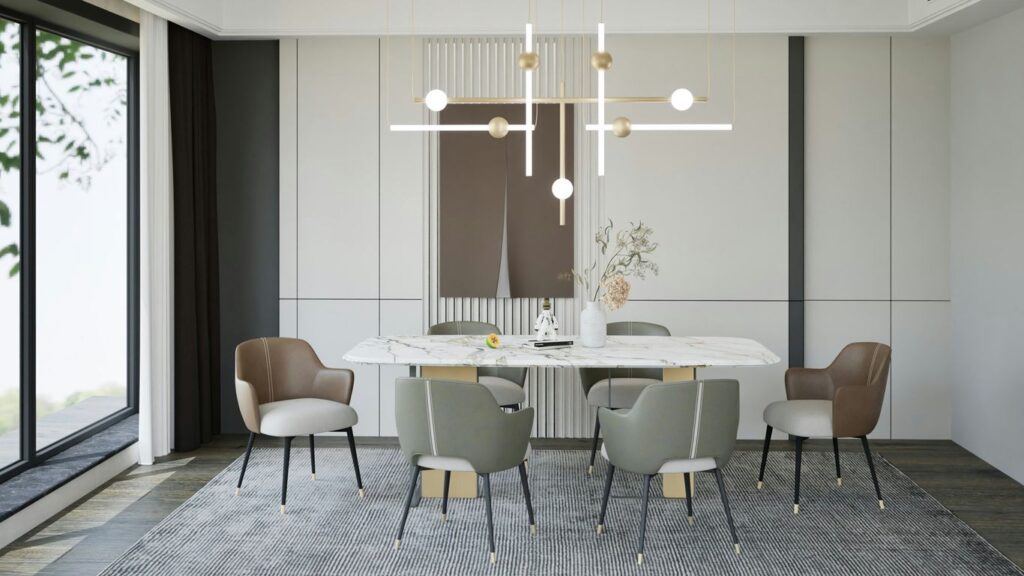
An edge profile is the shaped transition between the top surface of a marble table and its vertical side. It may be almost invisible, softly rounded or deliberately decorative. The right choice depends on appearance, comfort, fabrication and how the table will be used.
What an edge profile is and why it matters
The profile determines how the slab meets the room around it. A crisp edge can make a tabletop feel architectural, while a rounded one gives the same stone a quieter, more approachable character. It also affects how the table feels when someone rests an arm against it or walks past a corner.
For a broader look at proportions, stone choice and circulation, see this guide to marble dining table design. The edge should be considered as part of that complete composition rather than selected in isolation.
How the edge changes the table’s visual weight
A thick-looking edge gives marble presence, especially on a large dining table or a sculptural pedestal base. A slim, straight edge tends to recede and leaves the veining to carry the visual interest. Curves catch light gradually, whereas bevels and sharp transitions create a more graphic line.
The same profile can therefore feel quite different depending on colour, pattern and room lighting. Dark marble may benefit from a restrained edge, while pale stone can accommodate a stronger shadow line without appearing heavy.
The difference between finished, eased and raw edges
A raw sawn edge is functional but unfinished, with a visibly rough texture and less controlled appearance. A finished edge has been shaped, smoothed and usually polished or otherwise refined. An eased edge remains broadly straight but softens the exposed corners with a small radius.
That small adjustment is easy to overlook in a drawing, yet it changes both touch and durability. Small details affect daily comfort more than a photograph usually suggests, so ask to see the profile at full scale rather than judging it only from a catalogue image.
How edge profiles affect cost and fabrication
Straight and lightly eased edges are generally simpler to set out and finish than deep curves or decorative mouldings. Cost can also change with slab thickness, the amount of hand-finishing, the number of corners and whether the edge requires careful joining or a built-up construction.
A quotation for a made-to-order piece should account for the approved dimensions, stone, finish, weight, packing and destination as well as the edge itself. Those variables are more useful than relying on a generic price attached to a profile name.
Popular marble table edge profiles
The familiar profile names are useful shorthand, but they do not always describe exactly the same radius or detail from one fabricator to another. Request a section drawing or sample whenever the distinction matters. The following options cover the most common visual directions.
Straight and square edges for a contemporary look
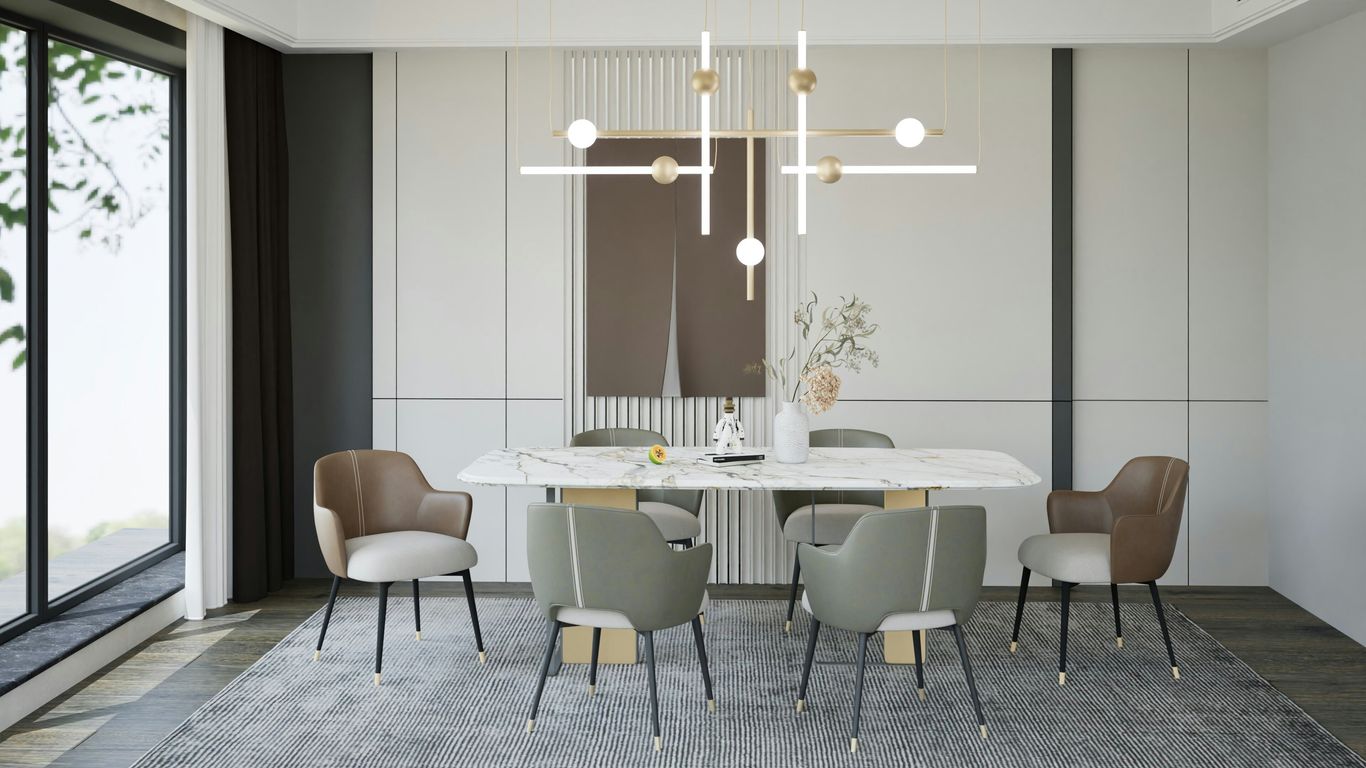
A straight or square edge presents the marble with a clean, planar outline. It suits modern interiors, slender tops and tables where the stone’s colour or veining should remain the main feature. The corners themselves can still be subtly eased without losing the square visual impression.
This profile also works well when the table has a simple metal, timber or stone base. Its restraint helps a strong base or dramatic slab remain legible.
Eased edges for a subtle, practical finish
An eased edge keeps the top line crisp while removing the harshness of a perfect ninety-degree corner. It is often a sensible choice for dining tables that will be approached from every side. The exact radius should be written into the drawing, since “eased” can mean different things in different workshops.
Its quiet appearance makes it adaptable. It can sit comfortably in a minimalist room without looking stark, and it does not compete with movement in the marble.
Bullnose edges for a soft, traditional appearance
A bullnose curves continuously towards the underside, creating a fuller and softer silhouette. A full bullnose can make a thinner slab appear more substantial, while a partial version retains more of the top’s definition. It is associated with traditional furniture, but a carefully proportioned version can also work in a relaxed contemporary setting.
The lower curve should be assessed alongside seating and leg clearance. A generous profile may look inviting but can reduce the comfortable vertical space beneath the top.
Bevelled edges for definition and reflected light
A bevel removes a deliberate strip from the corner, producing a clear angled plane. It can catch daylight or pendant light and create a fine line around the tabletop without adding an ornate shape. The width and angle of the bevel strongly influence whether it reads as delicate or assertive.
Bevels are particularly effective when the marble has directional veining. The cut can frame the pattern, although the fabricator should confirm how the stone movement will appear on the sloping face.
Ogee and decorative edges for classic interiors
An ogee combines concave and convex curves to create a more formal outline. Other decorative profiles can introduce steps, beads or layered transitions. These details may suit a period interior, a hospitality scheme or a table intended to feel traditionally crafted.
They also demand careful proportion. On marble, a complex edge can draw attention away from the slab and create more vulnerable points, so a small physical sample is preferable to choosing from a name alone.
Matching the profile to your interior style
The best profile supports the room’s existing language rather than trying to impose a separate style. Consider the architecture, chairs, lighting, flooring and base before settling on a detail. A useful visual reference is this discussion of marble dining table styles, particularly where edge treatments change perceived thickness and reflected light.
The room does not need to follow a single design category. Many successful tables use a restrained edge with a more expressive stone or an ornate setting with a deliberately simple top.
Minimalist rooms and slim modern edges
Minimalist spaces usually benefit from a straight, lightly eased or narrow bevelled edge. These profiles preserve uninterrupted lines and allow gaps between the table, chairs and surrounding architecture to remain visible. A slim appearance can also make a substantial marble top feel less imposing.
The base matters just as much. A simple edge paired with a sculptural pedestal may be enough detail, while a plain four-leg base may welcome a slightly stronger shadow line.
Traditional dining rooms and detailed profiles
A bullnose, ogee or layered edge can sit naturally with mouldings, upholstered chairs and decorative lighting. The profile should echo existing curves without becoming a literal match for every feature in the room. Traditional does not necessarily mean elaborate; a broad, softened edge can feel more enduring than a heavily carved one.
Take care with scale. A small table can be overwhelmed by a deep decorative profile, while a long dining table may carry one more comfortably.
Rustic and Mediterranean spaces with softened finishes
Rustic and Mediterranean interiors often respond well to rounded edges, honed surfaces and visible variation in the stone. A softly shaped profile reduces formality and lets the table feel connected to timber, plaster, woven materials and aged metal.
The finish can be as influential as the shape. A matte surface with a gentle bullnose may feel relaxed, while the same edge in a high polish will appear more formal and reflective.
Transitional interiors that balance simple and ornate details
Transitional rooms provide room for a restrained decorative gesture. A modest bevel, softened square edge or partial bullnose can bridge a modern base and more traditional chairs. The aim is continuity, not visual competition.
When the room already contains several strong forms, a quiet edge usually gives the composition enough breathing space. A more detailed profile is better reserved for a table that is otherwise deliberately simple.
Choosing an edge for comfort and safety
A marble table is handled from many directions: people lean against it, slide chairs past it and reach across its corners. Comfort is therefore a design consideration, not merely a finishing preference. The profile should be assessed at the height and scale of the finished table, with the intended chairs nearby.
A rounded profile will not remove every impact risk, and marble remains a hard material. It can, however, reduce the severity of a sharp contact point and make the table more pleasant to use.
Rounded profiles for busy family dining areas
Families often favour eased, rounded or bullnose edges because they feel less abrupt during everyday movement. The choice should still reflect the table’s proportions: a small radius may be enough on a slim top, while a thicker top can carry a fuller curve.
Corners deserve particular attention on rectangular tables. If the room is tight, a softened corner transition can make circulation feel less constrained without changing the table’s overall shape.
Sharp corners and everyday impact risks
A sharp corner is visually precise but presents a concentrated point of impact. This can be uncomfortable beside a walkway or in a room where chairs are frequently moved. A square-looking edge with a small eased radius often preserves the intended style while avoiding the most unforgiving transition.
The fabricator should confirm how the corner is treated, not just how the long sides are finished. A profile that looks safe along the length may still have pronounced rectangular corners.
Comfortable edges for seating and leg clearance
The underside of the profile matters when diners sit close to the tabletop. A deep lower curve or projecting build-up can interfere with knees, especially where the base already limits leg position. Check the underside detail together with the apron, supports and chair dimensions.
A comfortable table needs enough clearance for people to sit naturally rather than perch at the edge. This is one reason a full-size mock-up or at least a drawn section is valuable.
Considerations for homes with children or limited mobility
In homes with children or people who find close contact difficult, avoid treating the edge as a purely decorative choice. Softened corners, clear routes around the table and stable support are generally more useful than an intricate profile. Rounded forms can help, but they do not replace sensible room planning and supervision.
For a project with specific access needs, discuss reach, transfer space and circulation with the relevant designer or occupational professional. The marble detail should support those requirements from the start.
Balancing thickness, overhang and edge detail
An edge profile cannot be separated from the thickness of the top. A delicate detail may disappear on a very thin slab, while a deep profile on a thick top can become visually dominant. Overhangs and support positions add another layer of practical engineering.
The finished proportions should be tested in elevation, plan and section. For a made-to-order table, those drawings should be approved before cutting begins.
How slab thickness influences profile proportions
Thin slabs suit crisp edges, small eases and narrow bevels. Thicker tops can accommodate a bullnose, stepped edge or more substantial lower transition without appearing crowded. The visible thickness also changes how strongly the table anchors the room.
Natural stone thickness may vary according to the available slab and structural requirements. Confirm the actual finished dimension rather than assuming that a nominal slab size will remain unchanged after fabrication.
Built-up edges for a more substantial appearance
A built-up edge uses additional material or a carefully formed construction to create the appearance of a thicker tabletop. It can give a lighter slab a bold architectural presence, but the joint position and veining continuity need close review.
The result should be specified clearly: visible thickness, joint location, corner treatment and finish all belong in the production information. A sample corner can reveal details that a flat drawing cannot.
Coordinating the edge with table legs and supports
The profile should relate to where the table is carried visually and structurally. A heavy pedestal may suit a strong, simple edge, while slender legs can be balanced by a more substantial underside. The relationship is especially noticeable on round and oval tables, where the edge is seen continuously.
Use the surrounding furniture as a scale reference. This marble furniture guide is useful when considering the relationship between stone, function, impact and support structure.
Managing overhangs, weight and structural requirements
A larger overhang increases leverage on the support and affects how the table is moved, packed and installed. Marble is heavy, so the base, fixings, access route and floor conditions should be reviewed together. The edge may need to be adjusted if a structural solution requires more support beneath the top.
Geoscenic Stone produces made-to-order pieces to an approved drawing, with material selection, cutting, finishing, inspection, packing and delivery considered for the individual project. A quotation should therefore state what is included and identify any site access or installation requirements rather than assuming they are standard.
Marble-specific practical considerations
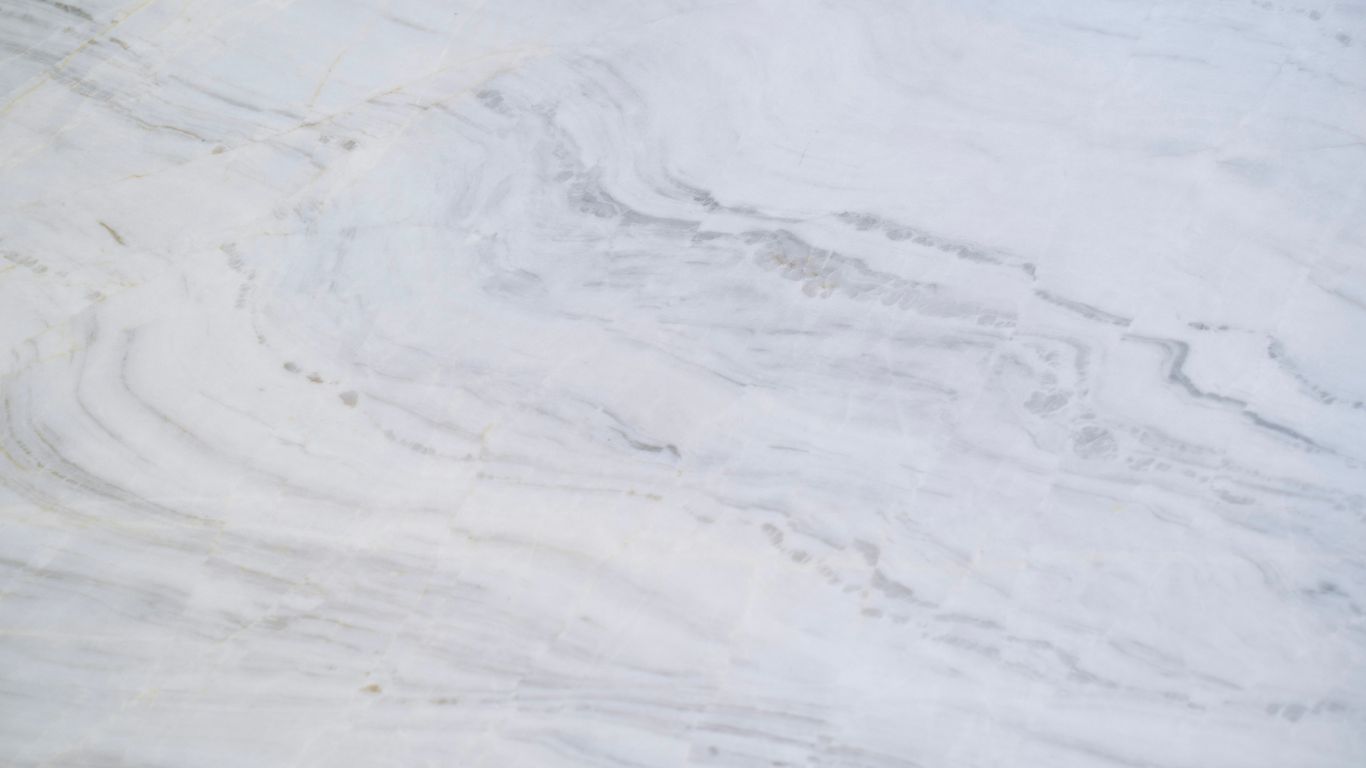
Marble brings variation that cannot be fully represented by a single photograph. Veining, tone, mineral marks and porosity may change across a slab and around a shaped edge. These characteristics should be discussed early, particularly when the profile exposes a large vertical or angled face.
Finish is equally significant. Polished, honed and leathered surfaces respond differently to light and show wear in different ways, although all require thoughtful care.
How veining and stone movement affect the finished edge
A straight edge may show a clean break between the top and side, while a bevel can reveal a changing band of colour as the vein crosses the cut. A curved profile may display the stone’s movement gradually, producing a softer transition. None of these outcomes should be assumed without reviewing the selected slab.
Ask whether the intended orientation, corner layout and any bookmatching are shown on the drawing. This helps the client and fabricator discuss the actual stone rather than an abstract profile.
Comparing polished, honed and leathered edge finishes
Polished marble is reflective and can intensify colour and veining, making a crisp edge appear especially defined. Honed marble has a softer, matte appearance and may make minor surface marks less visually prominent. Leathered finishes introduce texture and can give the edge a more tactile, grounded quality.
The edge finish should match the top unless a deliberate contrast is specified. For a closer comparison of surface behaviour and maintenance, see this guide to honed and polished marble.
Preventing chips on vulnerable corners and details
Corners, narrow projections and fine decorative transitions deserve particular care during fabrication, packing and installation. A small radius or eased transition can reduce the concentration of impact at a sharp arris. Protective packing is also important because a finished edge can be damaged before the table reaches the room.
Geoscenic Stone cuts, finishes, inspects and packs each piece for its specific order. Clients should still confirm handling responsibilities, delivery conditions and any installation provisions in the quotation.
Accounting for natural variation in marble slabs
Natural marble is not a uniform manufactured sheet. Two areas from the same slab may differ in tone, figuring or mineral marks, and the exposed edge may not match a sample perfectly. That variation is part of the material’s character, but it should be reviewed openly before approval.
If consistency between several tables matters, discuss slab allocation and acceptable variation at the specification stage. The selected stone, edge and finish should be recorded together.
Specifying and caring for the finished table
A successful edge profile begins with a clear brief and ends with realistic maintenance. Record the profile name, dimensions, radius or angle, underside treatment, finish and corner detail. Then review how those choices interact with transport, installation and daily use.
A factory-to-order process gives the project team an opportunity to resolve these points before fabrication, provided the drawing is treated as a working approval document rather than a formality.
Questions to ask a marble fabricator
Ask what the profile looks like at the proposed thickness, whether the long edge and corners are treated identically, and how the chosen marble will be oriented. Clarify the finished dimensions, tolerances, underside detail and any joints. It is also sensible to ask about packing, delivery access and installation responsibilities.
Geoscenic Stone’s process is based on producing pieces for a specific project rather than selecting interchangeable warehouse stock. That makes the approved drawing and material review central to the conversation.
Reviewing drawings, samples and edge mock-ups
A drawing should show plan, elevation and section views, including the top thickness and any built-up construction. A small edge sample can demonstrate radius, sheen and hand feel, while a corner mock-up is more informative for a large or decorative table.
Before approval, compare the proposed detail with the chairs, base and room clearances. If you need to request a quotation, include the intended dimensions, stone, finish, edge, destination and access information so the scope can be assessed accurately.
Cleaning and maintaining different edge finishes
Wipe spills promptly with a soft cloth and use a pH-neutral cleaner suitable for natural stone. Avoid acidic products, abrasive powders and rough pads, which can dull or etch the surface. Coasters, placemats and trivets reduce exposure to staining, scratching and heat.
Clean the edge as carefully as the tabletop, especially where dust or residue can collect beneath a bullnose or decorative transition. A consistent routine is usually more effective than occasional aggressive treatment; this marble care guide covers cleaning, sealing and stain prevention in more detail.
Repairing stains, chips and worn sections over time
Minor marks should be assessed before being treated, since staining, etching and abrasion require different responses. A small chip may be repairable by a stone specialist, while a worn finish may need local honing or polishing. Matching the repair to the surrounding marble is not always exact because natural variation continues across the piece.
Do not attempt to grind or reshape a visible edge without professional advice. Record the original profile and finish so any repair preserves the table’s intended proportions.
A considered final detail
The right edge profile gives a marble table its final sense of scale, touch and character. Compare profiles at full size, consider the room and base, and let the chosen stone guide the level of detail. With clear drawings, honest discussion of variation and sensible care, the edge can remain quietly beautiful for years.
Frequently Asked Questions
What is the most practical marble table edge profile?
A straight edge with a small eased radius is often practical because it remains visually clean while reducing the harshness of a sharp corner. The best choice still depends on the table’s setting, thickness and use.
Are rounded marble edges safer than square edges?
Rounded edges can reduce the severity of contact with a corner, but they do not make marble risk-free. Room layout, table height and the people using the space remain important factors.
Does an edge profile change the apparent thickness of a table?
Yes. Bullnose and built-up profiles can make a top look fuller, while a bevel or slim eased edge can make it appear lighter. The same profile may therefore look different on different slab thicknesses.
Which edge works well with a minimalist interior?
A straight, eased or narrow bevelled edge usually suits minimalist rooms. These profiles keep the outline quiet and allow the stone, base and architecture to provide the visual interest.
Can decorative edges be used on marble?
Decorative edges can be used when their scale and vulnerability are properly considered. An ogee or layered detail may suit a traditional setting, but it should be reviewed in a sample and specified precisely.
How should a marble table edge be cleaned?
Use a soft cloth and a pH-neutral natural-stone cleaner, and wipe spills promptly. Avoid acids, abrasive products and rough pads on both the top and the shaped edge.
Should the edge be chosen before the marble slab?
It is better to consider them together. Veining, colour movement, finish and slab thickness all influence how a profile will look, so the final decision should follow a review of the selected material and proposed drawing.