
Key Takeaways
Made-to-order furniture is most valuable when the room, material and practical requirements need to work together. Stone adds another layer of decision-making because the slab, structure and fabrication method all affect the finished piece.
- Made-to-order furniture is designed around a specific room, use and set of dimensions.
- Stone requires early decisions about slabs, veining, weight, support and finishes.
- Natural stone, porcelain and engineered quartz suit different applications and maintenance preferences.
- Drawings, slab approval and site coordination help reduce surprises during fabrication and installation.
- A clear quotation should explain materials, dimensions, packing, delivery, access and installation.
What made-to-order furniture means in Singapore
Made-to-order furniture is produced for a particular brief rather than selected from a fixed range of finished stock. In Singapore, that brief often has to respond to compact rooms, lift dimensions, condominium rules and carefully planned circulation. The result can be more precise, but it also asks the client to make decisions earlier. For a useful overview of custom stone furniture, it helps to think of the piece as part furniture, part material study and part site coordination.
How made-to-order differs from ready-made and built-in furniture
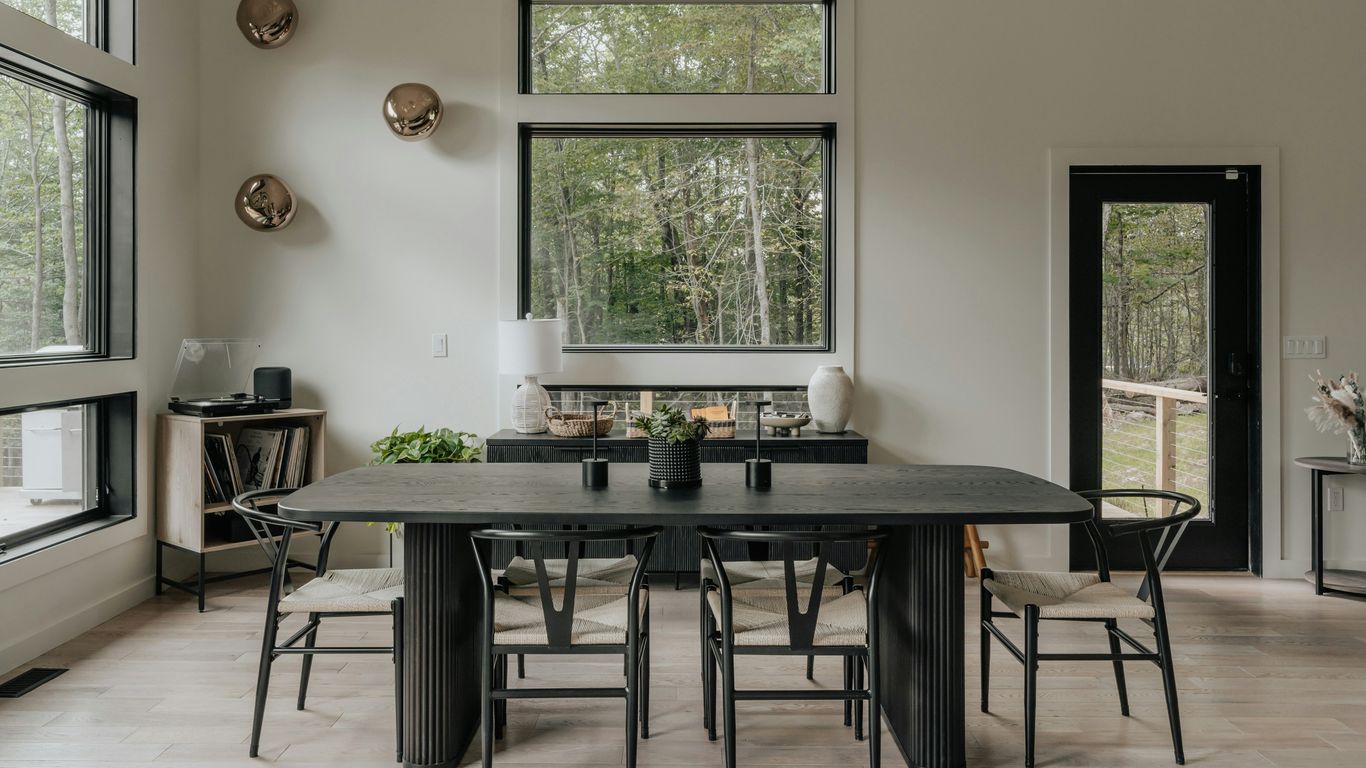
Ready-made furniture offers speed and relatively simple comparison, while built-in furniture is fixed to the architecture and usually planned as part of a renovation. Made-to-order furniture sits between those approaches: it can be freestanding, yet its dimensions, finish and material are developed for a particular space. This is especially useful when a standard width leaves too little clearance or when a room needs a distinctive centrepiece without a full carpentry package.
Why custom dimensions matter in compact Singapore homes
A difference of a few centimetres can change how comfortably a dining chair pulls out or whether a coffee table interrupts a walkway. Measurements should include not only the intended footprint, but also doors, skirting, sockets, curtains and the route used to bring the piece inside. The most successful commissions make the furniture feel settled in the room, rather than squeezed into whatever space remains.
Where stone fits into bespoke furniture design
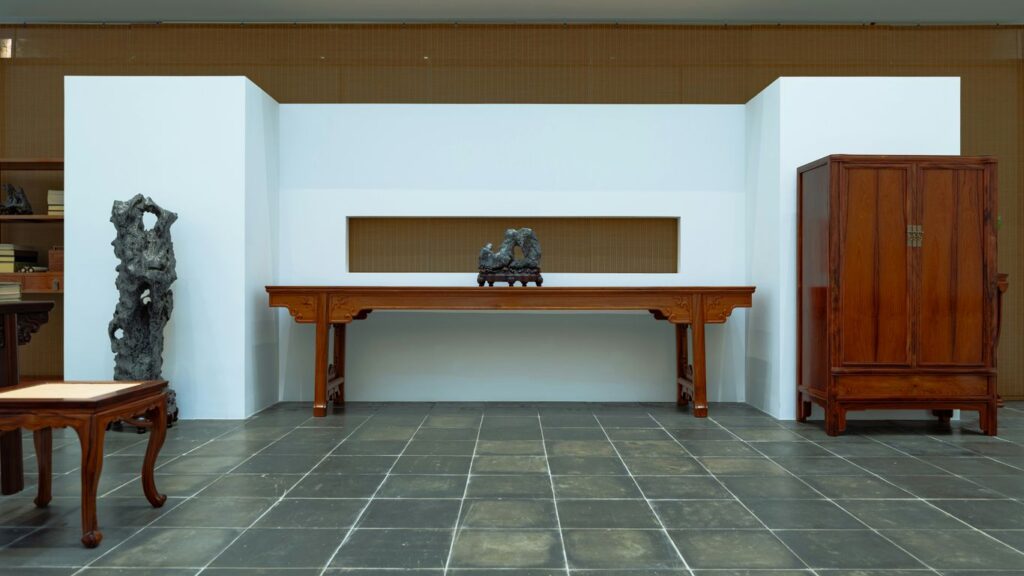
Stone can form a complete table, a top on a timber or metal base, a console surface, a vanity or part of a larger architectural composition. Its visual weight makes proportion important: a thick-looking top may need a lighter base, while a strongly veined slab may be best given a simpler silhouette. Geoscenic Stone makes made-to-order marble, travertine and onyx furniture and architectural pieces to an approved drawing, with each piece cut, formed and finished for its project.
When made-to-order furniture is worth the investment
The approach is worth considering when the room has awkward dimensions, when a particular stone is central to the design, or when several materials need to meet cleanly. It is less compelling when speed, easy replacement or a low initial price matters more than a tailored result. The decision becomes clearer when the brief states how the furniture will be used, who will use it and what compromises are acceptable.
Why custom stone furniture requires a different approach
Stone is not simply a decorative skin applied at the end of a furniture project. It has its own variation, weight, behaviour during cutting and requirements for support and handling. A design that works in timber may need a different thickness, joint or base when translated into stone. The stone furniture process therefore begins with practical questions as much as visual ones.
Stone is selected for its natural variation and performance
Natural stone can contain shifts in tone, veins, pores, mineral marks and small changes in surface character. These are part of the material rather than faults to be edited out after fabrication. Selection should therefore consider the proposed use alongside the appearance: a dramatic slab may suit a low-contact console, while a busy family table may call for a more forgiving finish and pattern.
Every slab affects the final colour, pattern and layout
A rendered design cannot fully predict the movement of a natural slab. The available piece determines where veins fall, how joins read and whether a cut-out sits comfortably within the visual field. A slab should be reviewed with the proposed dimensions and orientation in mind, not chosen as an isolated sample.
Weight and structural support influence the design
Stone can be substantially heavier than timber or thin manufactured panels, so the base, fixings and floor protection need to be considered together. Long spans may require concealed support, a change in thickness or a different base geometry. Weight also affects packing, delivery and the method used to move the furniture into position.
Fabrication tolerances are less forgiving than with timber
Cutting, drilling, edge profiling and polishing all need to be resolved before production starts. A small error at a junction can be more visible in stone, particularly where a vein, shadow gap or polished edge is involved. Production drawings should show dimensions, openings, thicknesses, edge details and any assumptions that still need approval.
Stone surfaces combine furniture design with architectural detailing
A stone console or table may include wall clearances, integrated basins, cable openings or transitions to flooring and wall finishes. That makes the piece closer to an architectural element than a conventional loose item. The design should explain how it meets adjacent materials and how it can be cleaned, repaired or removed later.
Choosing the right stone for your furniture
Material choice should follow the furniture’s use, location and desired character rather than a colour preference alone. Natural stone offers individual variation, while porcelain and engineered quartz can provide different performance and consistency profiles. Samples are useful, but a sample cannot show the full movement of a slab or the precise effect of fabrication. A considered marble furniture guide can help frame the aesthetic questions before technical approvals begin.
Comparing natural stone, porcelain and engineered quartz
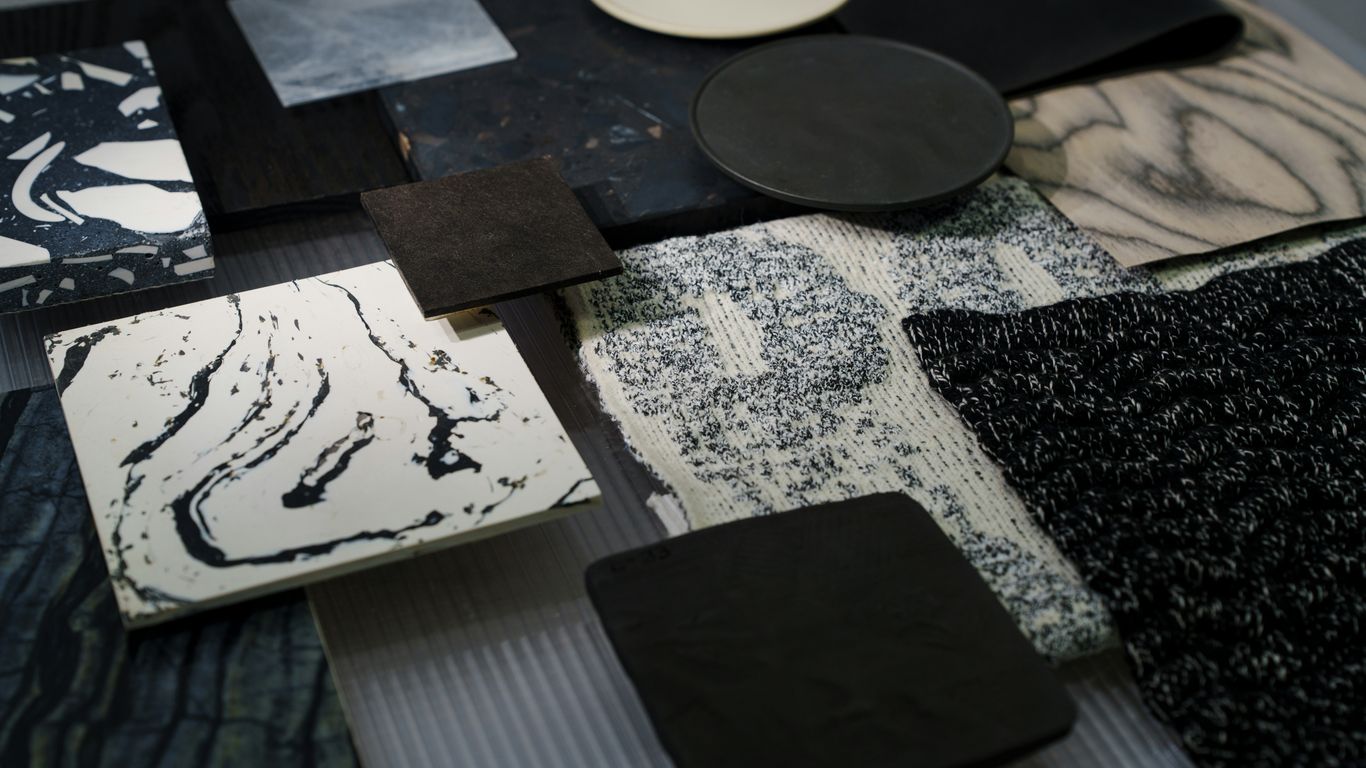
Natural marble, travertine and onyx have distinctive variation and may require more attentive care. Porcelain and sintered materials can suit projects seeking a manufactured surface with particular performance characteristics, while engineered quartz offers its own balance of appearance and everyday practicality. The correct choice depends on exposure, edge requirements, heat, staining risk, budget and the look the project is trying to achieve.
Matching stone properties to tables, consoles and storage
A dining table needs a surface that suits frequent contact, cleaning habits and the household’s tolerance for marks. A console may allow more freedom in pattern and finish, while storage furniture often benefits from a lighter top or a stone detail rather than a fully stone body. The same material can behave differently depending on thickness, support, edge profile and how it is used.
Understanding veining, porosity and maintenance needs
Porosity affects how a surface responds to spills and cleaning, while veining influences both appearance and where cuts can be placed. Ask what routine care is expected, whether sealing is recommended and how sensitive the finish may be to acidic liquids or abrasive cleaning. These questions are not an afterthought; they help determine whether the stone is suitable for the household.
Selecting finishes for appearance, grip and daily use
Polished surfaces are reflective and can make colour appear deeper, while honed or leathered finishes tend to offer a quieter visual effect. The choice also changes how fingerprints, water marks and touch are perceived. Edges deserve equal attention: a softened profile may feel more comfortable in a home, while a sharper detail can reinforce a formal architectural line if it is safe and practical.
Checking the slab before fabrication begins
A slab review should cover colour, movement, fissures, repairs, thickness and the intended cutting plan. It is also the moment to discuss whether a feature vein should be centred, continued across a join or allowed to fall naturally. A useful approval records what has been selected, so expectations remain clear when the material moves from the yard to the workshop.
How the custom stone furniture process works
A well-managed project moves from broad intent to increasingly precise approvals. The sequence usually includes a brief, site measurements, design development, material selection, production drawings, fabrication, inspection, packing and delivery. Each stage narrows uncertainty, which is why rushed approvals often create more difficulty later. The made-to-order marble furniture guide offers a useful way to think about dimensions, stone, edges and finish as connected decisions.
Starting with measurements, usage and design requirements
The first conversation should establish the room, intended use, number of users, preferred proportions and practical constraints. Record access routes, floor levels, wall conditions and nearby services as early as possible. A table designed without its delivery route in mind may be beautiful on paper and impossible to position safely.
Developing drawings, samples and edge profiles
Drawings translate a broad idea into dimensions, thicknesses, openings, joints and support details. Samples can then be reviewed for colour, texture and finish, while edge profiles clarify how the piece will feel at hand level and how it will meet adjacent surfaces. This stage is a good place to resolve questions rather than leave them to the workshop.
Approving the slab layout and vein direction
The slab layout should show the relationship between the material and each component of the furniture. For bookmatched or strongly veined stone, direction can be as important as the overall colour. Approval should cover visible faces, joins, cut-outs and any areas where natural variation is expected to remain prominent.
Coordinating fabrication with carpentry, metalwork and installation
Stone may need to meet a timber carcass, metal frame, glass panel or concealed fixing. Those interfaces require shared dimensions and a clear order of work, particularly when one material depends on another for support. Geoscenic Stone’s factory-to-order approach covers selection, cutting, forming, finishing, inspection, packing and delivery for a specific approved design; the quotation should still identify any separate site works or installation requirements.
Allowing for site access and final fitting
Lifts, corridors, staircases, door openings and condominium booking procedures can all affect delivery. Confirm whether the finished piece will arrive assembled or in parts, how it will be protected and who is responsible for final positioning. On site, a final check should cover level, alignment, clearances, surface condition and the agreed relationship to surrounding finishes.
Designing stone furniture for Singapore homes
Singapore homes often combine limited floor area with demanding everyday use. Air-conditioning, humidity, cooking, spills and frequent cleaning all shape how a material is experienced. Good design does not treat these conditions as reasons to avoid stone; it responds to them through scale, finish, support and maintenance planning. A piece should feel composed in the room, not merely impressive in isolation.
Planning around lifts, corridors and condominium access rules
Before fabrication, map the route from the loading area to the final room. Check lift dimensions, turning points, door widths, height restrictions and management requirements for delivery bookings. If a piece is large or heavy, a split construction or site assembly may be more sensible than forcing a single component through a difficult route.
Managing humidity, spills and air-conditioned interiors
Humidity does not remove the need for sensible care. Spills should be cleaned according to the material and finish, and the household should understand which products or habits may cause staining, etching or surface wear. Air-conditioned interiors can also make people notice changes in sheen or temperature, so finish selection should be made with daily use in mind.
Using stone without making smaller rooms feel heavy
Visual weight can be moderated through thinner-looking edges, recessed bases, open metal frames and lighter tones. Rounded corners can improve movement around a table, while a smaller top with generous clearance may work better than a larger piece that dominates the room. Proportion is often more valuable than adding more material.
Combining stone with timber, glass and metal
Stone becomes easier to live with when its relationship to other materials is deliberate. Timber can soften a slab, metal can create a visually light support and glass can preserve sightlines in a compact room. Repeating a finish or tone elsewhere in the interior helps the piece feel connected rather than imported from a different scheme.
Creating practical details such as cable management and rounded edges
Small details can decide whether a bespoke piece is genuinely useful. Cable openings, recessed shelves, protected floor-contact points and softened corners should be included in the drawings rather than improvised after delivery. These details are modest, but they reduce clutter and make the furniture easier to use every day.
Costs, lead times and value for money
The price of made-to-order furniture in Singapore reflects more than the visible surface. Material selection, slab yield, support, edge work, drawings, packing, access and installation can all affect the quotation. Lead time also depends on approvals and production complexity, not just the time spent cutting the stone. A transparent brief makes it easier to compare like with like.
What affects the price of made-to-order furniture in Singapore
Dimensions, quantity, geometry and the number of fabrication operations are basic cost drivers. A simple rectangular top may require less work than a curved piece with multiple drilled openings and a complex edge. Design development, samples, inspection, packing and destination requirements should also be discussed before a budget is treated as firm.
How stone selection and slab size change the budget
A large or rare-looking slab can create more waste if the required cuts do not nest efficiently. Vein matching, bookmatching, thick edges and visible joins may add fabrication time and material usage. The right comparison is not simply price per square metre; it is the cost of the selected slab and the complete cut plan for the intended piece.
Why custom fabrication can take longer than standard furniture
A made-to-order project includes decisions that do not exist in a standard purchase: approving the design, selecting material, confirming layout, fabricating, inspecting and arranging delivery. Changes made late in the process can affect both schedule and cost. It is usually better to allow time for considered approvals than to treat every stage as an emergency.
Comparing one-off costs with long-term durability
A bespoke piece may cost more initially, but value can come from a better fit, a material chosen for the use and details that would not be available off the shelf. Durability is not automatic, however. It depends on suitable stone, sound support, accurate fabrication and realistic maintenance expectations.
Identifying quotations that include delivery and installation
Read the inclusions carefully. A quotation should distinguish the furniture itself from packing, delivery, access equipment, site assembly, installation, taxes or other destination-specific charges where relevant. These details are particularly important for heavy stone, because the route and handling method can materially change the final cost.
The following comparison is a useful starting point when reviewing proposals:
| Quotation item | Question to ask | Why it matters |
|---|---|---|
| Material | Which stone, slab and finish are included? | Samples may not represent the approved slab. |
| Fabrication | Are edges, joints, drilling and cut-outs specified? | Detail changes affect labour and yield. |
| Packing | How will the piece be protected? | Stone needs suitable handling and protection. |
| Delivery | Does the price cover the destination and access route? | Distance, lifts and restrictions can add work. |
| Installation | Is final positioning or assembly included? | Heavy pieces may need coordinated site fitting. |
After reading the quotation this way, ask for any assumptions to be written down. A lower headline figure is not necessarily better if important stages have simply been left outside the scope.
How to choose a custom furniture maker
The right maker should be comfortable discussing both design intent and production constraints. Look for evidence of completed stone work, clear drawings and a process that includes material review, inspection and careful packing. A polished image is useful for inspiration, but it does not reveal how a maker handles tolerances, access problems or natural variation. When comparing options, a stone specification guide can help structure the questions.
Reviewing experience with stone fabrication and installation
Ask to see work that is similar in material, scale and complexity to the proposed commission. A maker experienced with small decorative objects may not have the same approach to a large dining table or integrated architectural piece. Discuss who fabricates the stone, who manages the base and how responsibilities are divided at installation.
Checking workmanship, certifications and material sourcing
Review the clarity of sample edges, joins, finish transitions and underside details. Ask where material is sourced, how slabs are inspected and what quality checks happen before packing. Certifications may be relevant to the project, but they should be considered alongside practical evidence of workmanship and a clear material description.
Asking what is included in the design and approval process
A useful process should explain the drawings, samples, slab layout, vein direction, edge profile, dimensions and final approval points. Ask how revisions are handled and when production begins. The more precisely these milestones are described, the easier it is to understand what has been decided and what remains open.
Confirming warranties, repairs and aftercare support
Clarify what happens if a piece arrives damaged, if an installation issue appears or if a repair is needed later. Ask what care information is supplied and which types of wear are considered routine use rather than a manufacturing issue. Written aftercare guidance is especially valuable for natural stone because maintenance depends on the selected material and finish.
Evaluating whether the maker can manage the full project crescently
The word “crescently” is sometimes used when people mean continuously or comprehensively; in practical terms, assess whether the maker can manage the full project coherently from approved drawing through delivery. That includes communicating changes, coordinating other materials, recording approvals and explaining site responsibilities. A single accountable process can reduce gaps between design, workshop and installation.
When preparing a broader procurement brief, keep unrelated services clearly separated from the furniture scope, whether you are reviewing a recovery guide, a Macro Calculator, Ferraro’s Las Vegas, Premierr Shield, or Business Cards. The same basic discipline applies: define what is being commissioned, what is included and what still needs confirmation. For this furniture project, you can also request a quotation once the dimensions, material direction and access requirements are sufficiently clear.
Make the material work
Made-to-order furniture in Singapore works best when design ambition is matched by practical planning. With stone, the slab, support, finish, fabrication and delivery route all belong to the same conversation. Approve those decisions carefully and the finished piece can feel specific to its room without losing the natural character that made the material appealing in the first place.
Frequently Asked Questions
Is made-to-order furniture more expensive than ready-made furniture?
It can be, because the price includes individual design decisions, material selection and project-specific fabrication. The value depends on the fit, material, durability and level of detail required.
How long does custom stone furniture take?
Lead time varies with design complexity, material availability, approval speed, fabrication and delivery requirements. A project with several drawings or coordinated materials generally needs more time than a simple piece.
Is natural stone suitable for dining tables?
Many natural stones can be used for dining tables when the material, thickness, support and finish suit the intended use. The household should also understand cleaning and maintenance requirements before approval.
Should I choose marble, porcelain or engineered quartz?
The choice depends on the desired appearance, variation, performance, maintenance preferences, budget and fabrication details. Samples and a discussion of actual use are more useful than choosing by colour alone.
Why is slab approval important?
The slab determines the final tone, veining, visual movement and possible cut layout. Approving it before fabrication helps align expectations about natural variation and the position of visible features.
Can a large stone table fit into a condominium?
It may, but the delivery route must be checked in advance. Lift sizes, corridors, doorways, turning spaces, management rules and the possibility of site assembly all matter.
What should a custom furniture quotation include?
It should clearly describe the material, dimensions, finish, fabrication details, packing, delivery, access assumptions and installation scope. Any exclusions, taxes or destination-specific charges should also be identified.