

Key Takeaways
Marble furniture delivery singapore requires more planning than an ordinary furniture drop-off, particularly when the piece is heavy, made to order or headed to a high-rise home.
- Confirm the approved dimensions, weight, construction and delivery scope before booking.
- Measure every access point, including lifts, corridors, turns and loading areas.
- Prepare the route, floor and final position before the delivery team arrives.
- Agree on handling, assembly, levelling, inspection and acceptance procedures in advance.
- Protect the marble from impact, heat, staining and unsuitable cleaning products after installation.
Confirm the furniture details before booking delivery
A delivery plan starts with the piece itself. Marble furniture may include a stone top, a separate base, concealed fixings or several packed components, and each detail affects how it can be moved. Ask for information in writing rather than relying on a product photograph or a casual estimate. This is also a useful point to read a relevant custom marble furniture guide before confirming the order.

Check the marble dimensions, weight and construction
Request the finished length, width, height, thickness and approximate weight of every component. The packed dimensions may be larger than the finished dimensions because of crates, corner protection or other packing materials. Ask whether the stone is supported by a solid base, a frame or concealed structure, since that affects both lifting points and stability.
For a made-to-order piece, the approved production drawing should be the reference for these details. Geoscenic Stone describes its process as producing pieces to an approved drawing, with material selection, cutting, finishing, inspection, packing and delivery handled for the specific project.
Clarify whether the piece arrives assembled or in separate parts
A table may arrive with the top and base packed separately, while a console, vanity or architectural element may require additional site work. Confirm which parts the delivery team will carry, position, assemble or level, and which tasks remain with your builder or installer. Also ask whether the packaging will be removed and taken away.
Natural stone can vary in tone, veining, figuring and mineral marks, so the delivered piece should be understood as the approved order rather than an interchangeable version of a photographed example. Keep the drawing and material approval accessible in case the team needs to check orientation or component identity.
Confirm delivery charges, lead times and service scope
The quotation should state what is included and what is not. Look for separate lines or clear wording covering delivery, packing, floor-to-floor carrying, installation, building access and any additional site attendance. Delivery dates may depend on fabrication, inspection, packing, transport and the readiness of the destination.
The same habit of checking scope applies when arranging unrelated appointments or services: San Francisco appointments are described with appointment types, preparation needs and cancellation terms rather than as a vague booking. For stone furniture, ask similarly precise questions before paying a deposit or fixing a delivery slot.
Ask about stairs, narrow access points and additional handling fees
Tell the supplier about stairs, split levels, tight landings, fragile finishes, long carry distances and any need for specialist lifting. Do not assume a standard delivery fee covers unusual access. A site photograph, sketch or short video can help the delivery coordinator understand the route before the vehicle is dispatched.
If the piece is custom-made, changes after approval may be difficult or impossible, so confirm the details before production begins. A clear conversation at this stage is usually less stressful than discovering a handling restriction on delivery day.
Assess whether your home can accommodate the delivery
A beautiful piece still needs a workable route into the home. Measure the path from the vehicle or loading point to the room, not just the room where the furniture will stand. Singapore homes can involve lift bookings, security desks, basement car parks, corridors with sharp turns and building rules that affect timing.

Measure doorways, corridors, lifts and turning points
Measure the clear opening rather than the nominal door size, allowing for handles, skirting, protective padding and the angle at which the piece must be carried. Record corridor widths, ceiling heights, lift interiors, lift doors and the radius of every turn. A long top may fit through a doorway but fail at the first corner if it cannot be rotated safely.
Draw the route or mark it on a floor plan. Include the final approach to the room, where furniture, island counters or low ceilings can reduce the available space. These measurements are especially useful when comparing options in a marble dining table guide.
Account for condo, HDB and landed-property access requirements
Ask the management office, managing agent or town council what rules apply to large deliveries. Requirements may include advance notice, a nominated lift, protective padding, restricted hours, a refundable deposit or a security escort. Landed properties may have different constraints, such as a narrow driveway, steps from the road or limited space for a tail-lift vehicle.
Do not leave these checks until the morning of delivery. Written approval gives the delivery team a clear basis for planning and helps prevent a vehicle or crew arriving when the building cannot accept them.
Check lift dimensions, weight limits and booking procedures
A lift can be wide enough for a crate but unsuitable for its weight, or the car may have an internal handrail that reduces the usable width. Confirm the lift’s stated load limit, internal measurements and door opening. Ask whether the building requires a booking made by the resident, supplier or moving contractor.
The lift should be booked for enough time to cover unloading, protection, carrying and a careful return trip. If the building has a service lift, find out whether it is available at the proposed delivery hour rather than assuming it is.
Plan for restricted loading bays, parking and security access
Check where the delivery vehicle may stop, how long it may remain and whether a loading bay must be reserved. Share the unit number, contact person and security procedure with the delivery coordinator. If the route begins in a basement, confirm vehicle height limits as well as the distance from the parking point to the lift.
These practical details can determine whether the delivery is smooth or delayed. They should sit alongside the furniture measurements in the delivery brief, not in separate messages that can be missed.
Prepare the room and floor for the marble piece
Preparation protects both the furniture and the home. Clear the route before the crew arrives, remove temporary obstacles and decide exactly where the piece will be placed. Marble is durable, but its polished edges and surfaces can still be chipped, scratched or stained during an avoidable manoeuvre.

Clear a safe route from the entrance to the final position
Remove loose rugs, plants, toys, lamps and small tables from the route. Open doors fully where possible and move chairs or cabinets out of turning areas. Keep children, pets and other trades away from the path while the piece is being carried.
A useful route check includes:
- The entrance, lift lobby and all corridor turns.
- Door swings, handles and low wall features.
- Temporary storage for packaging and tools.
- A clear working area around the final position.
After clearing the route, walk it once with the measurements in hand. This simple rehearsal often reveals an obstruction that was not obvious from the room itself.
Protect flooring, walls and door frames before the team arrives
Use suitable floor protection along the whole carrying route, not only beneath the final position. Protect vulnerable corners, door frames and painted walls without creating raised edges that could trip the team or catch a trolley. Tell the delivery crew what protection is already in place and ask what additional material they will bring.
Protection should be secure, clean and appropriate to the floor finish. Tape, boards or coverings should never be applied casually to delicate surfaces without checking that they will not mark, trap moisture or shift during movement.
Check that the supporting floor can handle the furniture’s weight
Consider the combined weight of the stone, base and anything placed on the furniture. If the piece will sit on a raised platform, suspended floor, balcony or unusually constructed area, ask the relevant professional to confirm the support conditions. Do not infer structural capacity from the fact that the room is already furnished.
For a bespoke piece, share the intended location and support arrangement before fabrication is finalised. The base, footprint and weight distribution may matter as much as the total weight.
Decide where the piece will sit before delivery day
Mark the intended position and check clearances around it. Allow enough space for doors, drawers, chairs and normal circulation, rather than fitting the piece tightly because the room is empty. A marble top coffee table guide can help with proportion and circulation when the delivery is for a living room.
If the furniture has a directional vein, visible feature area or asymmetric base, confirm its orientation before it is placed. Moving a heavy stone piece repeatedly creates unnecessary risk, so a firm decision beforehand is worthwhile.
Coordinate marble furniture delivery in Singapore
Good coordination connects the supplier, building and household. Keep one person responsible for the booking and make sure that person can answer calls on the day. Delivery windows can shift because of fabrication schedules, traffic, weather or an earlier site, so leave some practical flexibility rather than planning an event immediately afterwards.
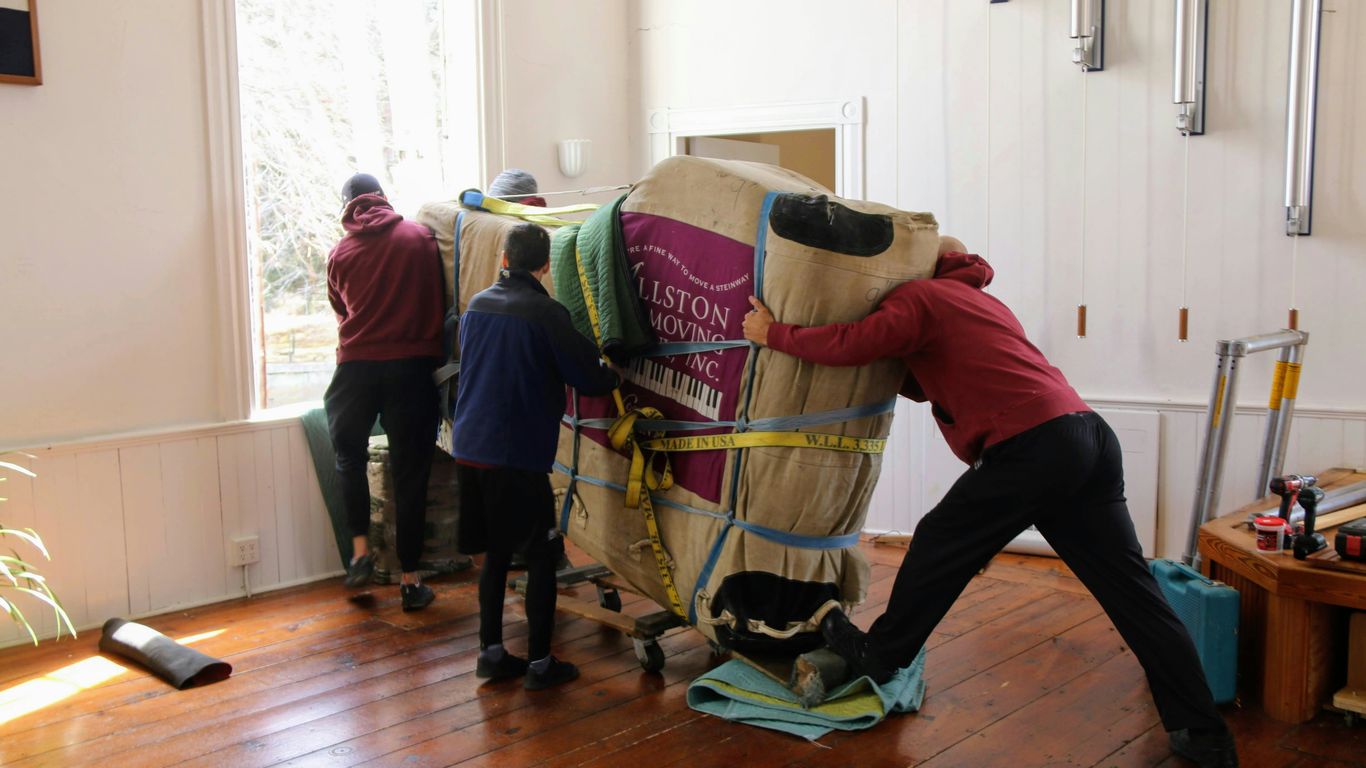
Confirm the delivery window and contact person
Ask for the expected time range, the delivery address as recorded, the driver or coordinator’s contact details and the name of the person receiving the furniture. Confirm the best number to call if the building entrance or loading bay changes. Recheck these details shortly before delivery, especially for a made-to-order item that has moved through several production stages.
Geoscenic Stone states that its quotations account for the individual piece, weight, packing, destination, site access and installation requirements. That project-specific approach is useful to keep in mind when reviewing what your own quotation actually covers.
Arrange building management approval where necessary
Submit the required delivery form, insurance document or vehicle details early. Some buildings need the furniture dimensions, delivery company information and exact time before they will reserve a lift or loading bay. Keep the approval email available on your phone and send a copy to the delivery contact.
If the management office changes the permitted time, tell the supplier promptly. A confirmed slot is only useful when the building and delivery team are working from the same information.
Plan for weather, traffic and loading-area delays
Singapore’s rain can make outdoor routes slippery and affect temporary protection, while traffic can alter arrival times. Ask how the team handles a delayed vehicle, a wet loading area or a missed building slot. Keep the room ready for a reasonable period rather than scheduling the delivery between two immovable commitments.
A small amount of buffer time protects the installation from being rushed. It also gives the crew room to inspect packaging and move carefully when conditions are less than ideal.
Keep the delivery team informed about access constraints
Send concise information before the appointment: photographs of the entrance, lift, stairs, tight turns and final room. Mention parking restrictions, security procedures, floor protection requirements and whether assembly or levelling is expected. If an old piece must be removed, clarify that separately; a delivery crew may not be contracted or insured to dispose of existing furniture.
Use the same clear, action-oriented approach when you request a quotation. A detailed brief allows the supplier to assess the job properly instead of discovering key constraints after the booking is made.
Understand how marble should be handled during installation
Stone should be moved with deliberate support, suitable equipment and enough people for its size and weight. The polished surface is not a convenient handle, and an edge that appears solid can be vulnerable to a concentrated impact. Before work begins, establish who is responsible for moving, assembling, levelling and protecting the piece.
Keep the furniture level and supported during movement
Large marble components should be supported in a way that avoids twisting and concentrated pressure. The team should use appropriate lifting points and keep the piece stable while it passes through doorways and turns. Do not improvise with household straps, narrow grips or unsupported corners.
Once the piece reaches the room, check that its weight is distributed as intended. A table or console that rocks should be addressed before it is loaded with objects or used normally.
Prevent impact damage to edges, corners and polished surfaces
Keep hard tools, buckles and loose hardware away from exposed stone. Corner protection should remain in place until the component is settled, and packaging should be removed carefully rather than pulled across a finished face. Small impacts can matter when they land on a sharp edge or polished corner.
Natural mineral marks and variation are different from fresh chips, cracks or scratches caused during handling. That distinction makes an immediate inspection especially valuable.
Confirm whether professional assembly or levelling is included
Ask who will assemble the base, fit hardware, adjust feet and confirm level. If those tasks are excluded, arrange a qualified installer before the furniture arrives. Do not assume that a delivery crew has agreed to perform work simply because they are carrying the item into the room.
A clear scope also helps with responsibility if a component is missing or a fitting does not match the approved drawing. Record any outstanding task before the team leaves.
Avoid dragging the piece across tiles, wood or other flooring
Dragging can scratch flooring, shift protective coverings and place uneven stress on the stone or base. Lift and place the furniture with controlled movements, using equipment suitable for the route. Even a short drag from the lift lobby to the final position can cause damage that is costly to repair.
Keep the floor protection in place until the piece is stable and the inspection is complete. Then remove it carefully so grit is not caught beneath the feet or base.
Inspect the furniture immediately upon arrival
Inspection is part of receiving a made-to-order piece, not an awkward afterthought. Take time before signing acceptance, while the packaging and delivery team are still present. Compare the furniture with the approved information and distinguish natural stone variation from actual transport or fabrication damage.
Compare the delivered piece with the order specifications
Check the dimensions, stone selection, finish, edge profile, base, fittings and general configuration against the approved drawing or quotation. If the piece has several components, confirm that every part is present. Look at the orientation of visible veining where a layout or slab approval was agreed.
Photographs of a natural slab are not a promise of identical patterning. Variation in tone, figuring, porosity and mineral marks is inherent to natural stone, but the delivered construction should still match the confirmed specification.
Look for cracks, chips, stains and surface scratches
Inspect edges, corners, underside areas, polished faces and points that were covered by packing. Use clean, even light and photograph anything that appears unusual. Do not apply household cleaners or attempt a repair before the supplier has assessed the condition.
A faint natural mark may not be a defect, while a fresh impact chip or crack may require prompt documentation. Note exactly where the issue appears and whether it was visible before unpacking.
Check alignment, stability and the condition of joints
Test the furniture gently for rocking, uneven feet, loose joints, gaps or misaligned components. Check doors, drawers and fittings where applicable, and make sure the base sits squarely beneath the stone. Do not force a joint or tighten unfamiliar hardware without guidance.
If levelling is incomplete, record it as an outstanding item rather than moving the furniture repeatedly. The goal is to leave the piece safe, stable and correctly positioned.
Record defects with photographs before signing acceptance
Photograph the packaging, labels, full piece, close-up defect and surrounding location. Add the date and a short written description, then notify the supplier promptly in the format required by the quotation. If the delivery document has an inspection or damage section, use it before signing.
The delivery team may need to record the issue as well. A clear, contemporaneous record is more useful than a later message that simply says the furniture arrived damaged.
Plan protection and maintenance after delivery
Marble care begins as soon as the piece is installed. The right routine depends on the stone, finish, use and any protection specified by the fabricator. Natural variation should be expected, while spills, abrasive grit and unsuitable chemicals should be managed with ordinary consistency.
Apply suitable protection to vulnerable marble surfaces
Ask whether sealing or another protective treatment is recommended for the particular stone and finish. Follow the supplier’s timing and product guidance rather than applying a generic coating immediately. Protection does not make marble immune to staining, etching or impact, so it should support sensible use rather than replace it.
Keep the care instructions with the delivery documents. If the furniture is used in a hospitality or commercial setting, give the cleaning team a written routine that matches the material.
Use coasters, mats and heat-resistant barriers from day one
Use coasters beneath drinks, mats beneath objects that may scratch and suitable heat-resistant barriers beneath hot items. Wipe spills promptly, especially liquids that may leave a mark or react with the stone. Avoid placing rough ceramics, metal objects or gritty materials directly on a polished surface.
The care routine should be practical enough to follow every day. Small habits are more dependable than occasional intensive cleaning after damage has already occurred.
Understand cleaning products that can damage natural stone
Avoid assuming that a product safe for glass, ceramic tile or general surfaces is safe for marble. Abrasive powders, acidic cleaners and harsh chemicals can dull, etch or otherwise affect the finish. Use the product and dilution recommended for the specific stone, and test any unfamiliar treatment in an inconspicuous area only with appropriate guidance.
When in doubt, pause and ask the fabricator or stone-care professional. A quick confirmation is preferable to trying to reverse a mark after it has altered the surface.
Keep the delivery documents and care instructions safely
Store the approved drawing, quotation, delivery record, photographs, material information and care guidance together. These documents can clarify the original specification, installation scope and recommended maintenance if questions arise later. They are also useful when a project changes hands between a homeowner, designer, contractor or facilities team.
A well-kept record makes future care more consistent and gives the furniture a clear history. For further reading, natural stone furniture insights can provide broader context on specifying stone pieces and architectural applications.
Arrange a Stone Consultation
If you are planning a made-to-order marble, travertine or onyx piece, contact Geoscenic Stone with your dimensions, access information and intended use. The team can review the project requirements and prepare a quotation around the individual piece, destination and installation scope.
Conclusion
Successful marble furniture delivery in Singapore is built on details: an approved drawing, a measured route, a prepared room, a defined handling scope and a careful inspection. Plan those points before the vehicle arrives and the furniture can settle into the home with less uncertainty and fewer avoidable risks.
Frequently Asked Questions
How far in advance should marble furniture delivery be arranged?
Arrange it as soon as the production timing and expected completion date are known, allowing extra time for building approval, lift booking, route preparation and possible changes to traffic or weather.
What measurements are most important for a marble furniture delivery?
Measure the furniture and its packaging, then check door openings, corridor widths, lift doors and interiors, turning points, ceiling heights and the final room route. Include any stairs, steps or restricted loading areas.
Do marble furniture deliveries usually include assembly?
Not necessarily. Assembly, levelling, packaging removal and installation should be stated clearly in the quotation or delivery confirmation. If they are excluded, arrange a suitable installer in advance.
Can marble furniture be delivered through a passenger lift?
It may be possible, but the lift’s clear dimensions, weight limit, door opening and building rules must be checked first. A service lift or alternative route may be required for large or heavy components.
How should a home be prepared before a marble piece arrives?
Clear the full route, protect floors and vulnerable corners, remove nearby furniture, secure pets and children elsewhere, and decide the final position before the delivery team arrives.
What should be checked before signing for the furniture?
Compare the piece with the approved specification and inspect its surfaces, edges, joints, fittings, alignment and stability. Photograph any suspected damage and record it on the delivery paperwork before acceptance.
How should marble furniture be cleaned after delivery?
Use the care guidance for the specific stone and finish. Wipe spills promptly, use coasters and heat protection, and avoid abrasive or acidic products unless a qualified stone-care professional has confirmed they are suitable.