
Key Takeaways
Natural stone can give a restaurant a strong visual identity, but successful results depend on matching the material, finish and construction to the way the space will be used.
- Choose stone according to traffic, moisture, heat, cleaning routines and the desired visual character.
- Treat dimensions, support, edges, joints and access as part of the design rather than afterthoughts.
- Use finishes and sealers that suit both the stone and the expected level of daily wear.
- Consider comfort, accessibility and staff operation alongside appearance.
- Confirm samples, drawings, tolerances, lead times and delivery requirements before production.
Why choose natural stone furniture for a restaurant
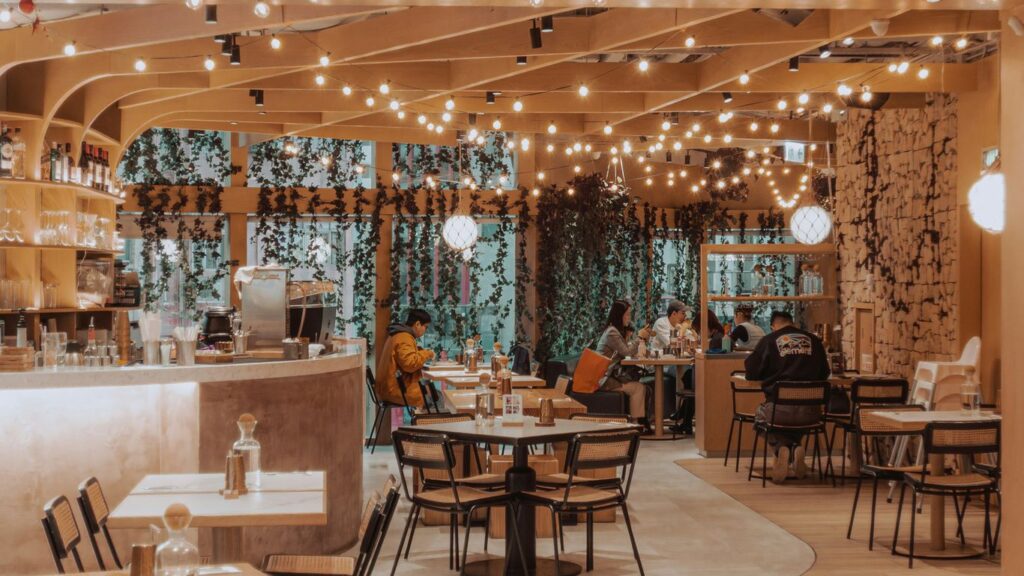
A stone furniture restaurant scheme can feel grounded, distinctive and quietly substantial. Natural variation gives each surface its own tone, veining and mineral character, while the right detailing keeps the result useful rather than merely decorative. The strongest schemes begin with the restaurant’s operation: how guests move, where spills occur and which pieces receive the most contact.
Creating a premium and distinctive dining environment
Stone brings visual depth that is difficult to reproduce with a printed or uniform surface. A carefully selected slab can become part of the restaurant’s identity, especially when its veining is allowed to relate to the lighting, upholstery and surrounding architectural finishes. Natural variation is not a flaw to conceal; it is part of the material’s character, although the project team should review the actual slab or an agreed selection before fabrication.
A table top, host stand or bar surface can also establish a focal point without requiring elaborate ornament. With made-to-order work, proportions, edge details and openings can be developed together so that the piece feels integrated with the room.
Matching stone furniture to different restaurant styles
The same stone can read very differently depending on its finish, thickness and supporting materials. Veined marble may suit a formal dining room, while honed travertine can soften a relaxed café or all-day dining space. Darker granite, restrained edges and a metal base may create a more architectural expression for a contemporary venue.
The surrounding palette matters as much as the stone itself. A useful kitchen island design guide makes a similar point about separating the surface, base and practical functions; restaurant furniture benefits from the same discipline rather than treating the top as an isolated decorative choice.
Balancing visual impact with practical performance
A dramatic surface is only successful when staff can work around it and guests can use it comfortably. Consider whether plates slide, whether fingerprints will show, how quickly spills can be removed and whether an edge will meet passing traffic. Performance should shape the aesthetic, not cancel it.
It is sensible to distinguish between areas where a highly expressive stone will be protected and areas where a quieter, more forgiving choice is appropriate. A design brief that records expected use, cleaning products and exposure to heat makes later material decisions clearer.
Where stone works best across front and back of house
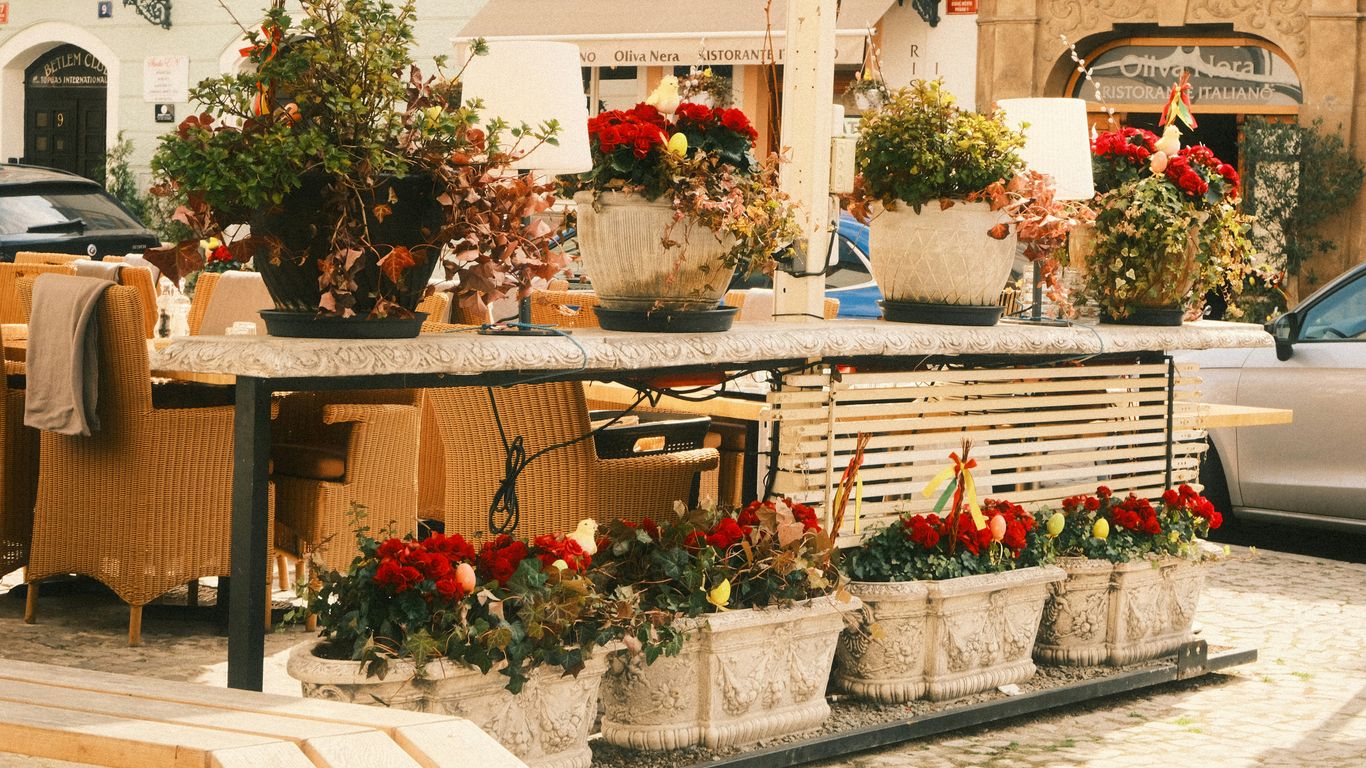
Stone is often most visible at dining tables, counters, reception desks, bars and display plinths. It can also be useful at service points or wash areas, provided its weight, porosity and maintenance requirements are properly addressed. Back-of-house applications need particularly clear decisions about impact, moisture, hygiene and repair access.
For commercial procurement, a restaurant table top guide can help frame questions about dimensions, materials and daily use. The final specification should still be written for the particular site, circulation pattern and operating routine rather than copied from a generic product description.
Choosing the right stone for restaurant furniture
There is no single best stone for every restaurant. Granite, marble, limestone and travertine each offer a different combination of appearance, porosity, hardness, maintenance and availability. Alternatives such as engineered or sintered surfaces may also be appropriate where consistency or specific technical performance is prioritised.
Granite for high-use dining and hospitality settings
Granite is often considered where a surface will receive frequent contact, repeated cleaning and general day-to-day wear. Its appearance ranges from quiet and granular to highly patterned, so the visual selection still deserves care. Thickness, support and edge treatment remain important even when the stone itself is comparatively hard.
For a busy restaurant, ask for information about the particular slab rather than relying only on the material name. Mineral composition, finish, cut-outs and the design of the supporting frame all affect the finished piece.
Marble for character, veining and luxury interiors
Marble offers depth, movement and a sense of individuality that can be central to a restaurant concept. It may be especially effective at a host desk, feature table or bar where its veining can be seen at close range. Its susceptibility to scratching, staining or etching should be discussed openly, particularly where acidic food and drink are part of the service.
A polished surface can heighten colour and contrast, while a honed surface usually gives a quieter and less reflective reading. Neither removes the need for appropriate cleaning, sealing and realistic expectations about change over time.
Limestone and travertine for softer natural textures
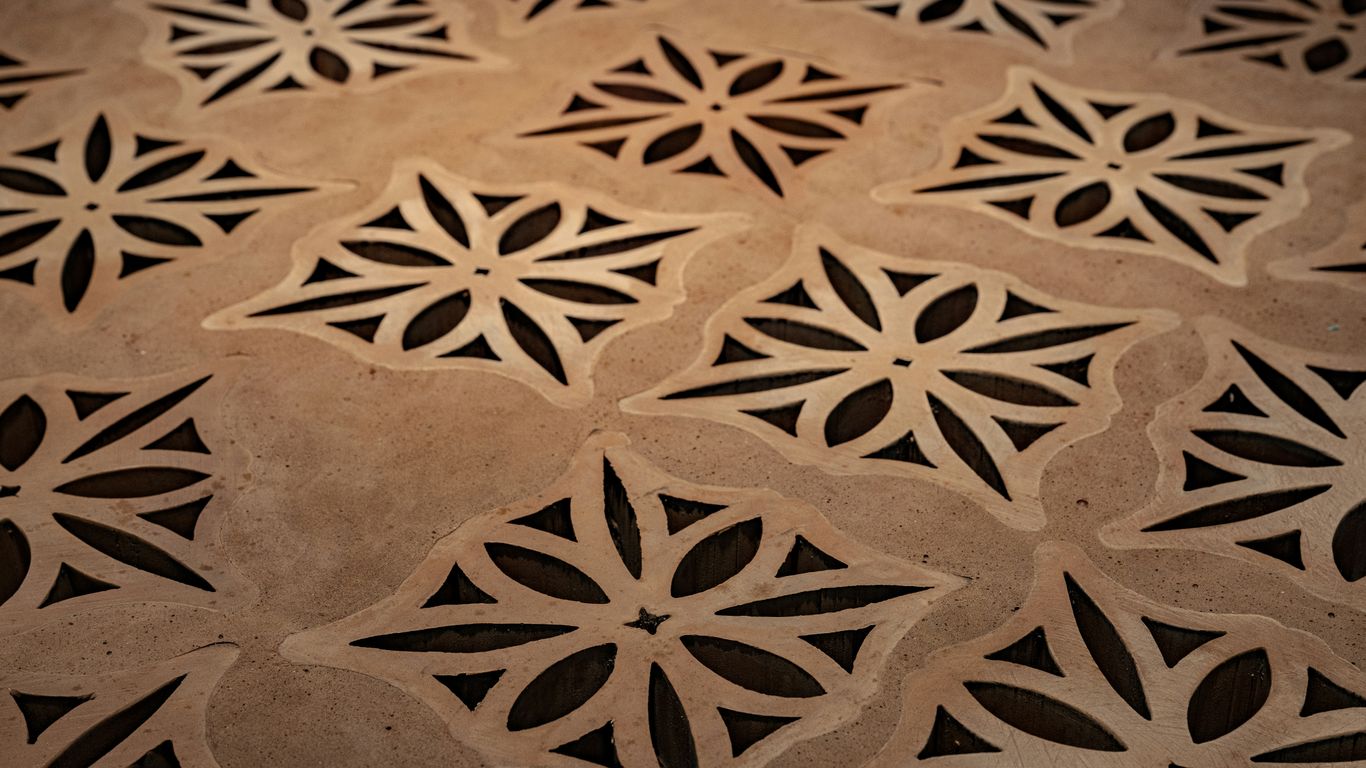
Limestone and travertine can bring warmth and a tactile, less formal quality to hospitality interiors. Their natural cavities, tonal shifts and softer visual texture can work well with timber, plaster, linen and brushed metals. Filled or unfilled treatments, along with the chosen finish, will influence both appearance and maintenance.
Travertine is porous and should not be selected casually for a heavily exposed service surface. The useful travertine furniture guide explores how filling, finish, edges and care affect the material’s use, while a restaurant specification should add the venue’s own cleaning and service conditions.
Natural stone versus engineered and sintered alternatives
Engineered and sintered materials can offer consistency or performance characteristics that differ from quarried stone. Sintered surfaces are commonly considered for indoor and outdoor table tops where resistance to staining, heat or weathering is a key requirement, subject to the exact product specification. They do not, however, provide the same geological variation as marble, granite or travertine.
The choice should be made against the project brief rather than a simple hierarchy of materials. A useful comparison records appearance, slab or sheet availability, edge options, repair approach, cleaning regime and the implications of weight and fabrication.
Assessing durability in a busy hospitality environment
Durability is not a single property. It is the combined result of the stone, finish, thickness, support, detailing, cleaning routine and the behaviour expected in that location. A dining table, cocktail counter and outdoor pedestal may all require different assessments.
Resistance to scratches, stains and impact
Review likely contact points rather than relying on a broad label such as “hard-wearing”. Cutlery, crockery, bags, chair backs, cleaning equipment and dropped objects can all affect a piece in different ways. The edge is often more vulnerable than the centre of the top, especially where a narrow profile or projecting corner has been specified.
Samples are useful for discussing colour and finish, but they cannot reproduce every impact or spill scenario. Ask the fabricator to explain how the proposed stone and detail are expected to behave, and record any maintenance assumptions in the project information.
Performance around heat, moisture and cleaning chemicals
Restaurant furniture may encounter hot serving ware, condensation, wet cloths, alcohol, oils and cleaning agents within a single shift. The stone should be assessed alongside the products that staff will actually use. Heat tolerance does not automatically mean resistance to thermal shock, and water resistance does not mean that standing moisture can be ignored.
Where outdoor use is planned, specify exposure to rain, sunlight, temperature changes and staining materials. A commercial outdoor table top reference can help identify the questions to ask, but the site’s climate and maintenance plan still need their own review.
Understanding porosity and the need for sealing
Porosity affects how quickly a surface absorbs moisture and how readily stains may develop. Sealing can reduce absorption, but it is not a permanent barrier against every mark, nor does it make an unsuitable stone suitable for every application. The sealer, number of coats, curing time and future renewal interval should be agreed with the supplier.
Cleaning staff also need simple instructions. If a surface requires specialist treatment, that requirement should appear in the operating manual rather than remain with the designer or installer alone.
Evaluating stone furniture for indoor and outdoor use
Indoor furniture is usually protected from weather, but it still faces spills, abrasion and repeated cleaning. Outdoor furniture adds ultraviolet exposure, wind-blown dirt, rain, frost in some climates and more demanding drainage considerations. Bases and fixings must be reviewed with the top, not selected separately at the last moment.
A sintered indoor/outdoor top may be suitable where its documented specification matches the project, while natural stone may be chosen for its particular colour and variation. The decision should acknowledge the different maintenance and ageing patterns of each option.
Selecting finishes for appearance and maintenance
Finish changes the way a stone looks, feels and responds to use. It can emphasise veining, soften reflected light, add grip or make marks more apparent. Choosing it early helps the team coordinate edges, cleaning advice and the visual relationship between adjacent pieces.
Polished finishes for colour depth and visual contrast
Polishing can deepen colour and give a surface a reflective clarity that suits formal restaurants or dramatic bar settings. It may make veining more pronounced and can help light travel across a small piece. The same reflection may show fingerprints, water marks or fine surface wear more readily in a high-contact location.
Polished marble is therefore a design decision as well as a maintenance decision. Review it under the restaurant’s actual lighting, including evening illumination, before approving the finish.
Honed and satin finishes for a softer, contemporary look
Honed finishes reduce reflection and tend to give stone a flatter, more tactile appearance. They can sit comfortably with minimalist interiors, natural timber and matte metals. They may also make certain small scratches less conspicuous, although marks, oils and spills can still change the appearance of a porous or pale stone.
The finish should be judged on a representative sample and discussed in relation to cleaning. A surface that looks calm in a showroom may read differently beneath strong pendant lighting or after repeated wiping.
Brushed, leathered and textured finishes for added grip
Brushed, leathered and other textured finishes introduce relief and tactile variation. They may be useful where glare or grip is a concern, but texture can also collect residue and make detailed cleaning more involved. The deeper the texture, the more carefully the team should consider cloths, brushes and sanitation procedures.
These finishes work best when their practical effect is understood before fabrication. Ask how the chosen treatment will continue across edges, cut-outs and joined areas so the finished piece does not look improvised.
Choosing edge profiles to support safety and style
An edge profile affects comfort, perceived thickness and resistance to small knocks. A softened or eased edge is often more forgiving beside seating, while a sharper profile may support a crisp architectural concept in a controlled location. Corners deserve particular attention where guests or staff turn through a narrow route.
Profile drawings should show the actual transition rather than use a vague note such as “standard edge”. The honed and polished marble comparison is a useful reminder that edge and finish decisions influence both the visual effect and the way wear is perceived.
Specifying stone table tops and furniture components
A good stone furniture specification turns an attractive idea into something that can be measured, fabricated, transported and installed. It should describe the stone, dimensions, thickness, finish, edges, joints, cut-outs and support conditions. It should also identify who is responsible for checking site measurements and approving production drawings.
Defining dimensions, thickness and weight requirements
Start with the intended use, seating count, circulation and available access. A thick top may provide visual substance, but it adds weight and may affect the base, floor loading, lifting method and delivery route. The final dimensions should be checked against doors, lifts, staircases and any restricted site access.
The custom stone furniture guide is useful for structuring this early conversation around material, ergonomics, dimensions and performance. In a restaurant, add service requirements such as cable routes, counter equipment and cleaning clearance.
Coordinating table tops with bases and supporting frames
The base must support the top without creating instability or concentrating stress at vulnerable points. Consider the footprint, fixing method, centre of gravity, leg position and the space needed for guests’ knees. A beautiful slab can become uncomfortable or unsafe if the base prevents sensible seating.
Stone, timber and metal expand, move and age differently. Their junctions should therefore be designed rather than hidden behind a last-minute installation detail. Confirm whether the top is fixed, floating, removable or intended to be assembled in sections.
Planning overhangs, joints, cut-outs and service access
Overhangs affect leverage and may require additional support, especially at bars or counters. Joints should be positioned where they are least disruptive and where the supporting structure can carry the load. Cut-outs for sinks, taps, hobs, sockets or service equipment need coordinated dimensions and edge distances.
A clear fabrication brief should also state how access panels will be reached and how a damaged component could be removed. These decisions are less visible than veining, but they often determine whether the furniture remains practical after handover.
Checking tolerances, stability and installation constraints
Tolerances should be agreed for the top, base, joints and surrounding construction. Walls are rarely perfectly straight, floors may vary, and a large stone component can be difficult to adjust on site. Approved drawings, site checks and dry-fitting where appropriate reduce the risk of discovering a mismatch during installation.
Made-to-order production is most reliable when the design team, fabricator and site team share the same dimensional information. Confirm packing, lifting points, delivery sequence and installation responsibilities before the piece enters production.
Designing stone furniture for comfort and usability
Restaurant furniture is touched, leaned against, passed around and used for long periods. Good design gives equal attention to posture, clearance, edges and movement. The stone should contribute to the atmosphere without making the room harder to navigate or the furniture tiring to use.
Setting suitable table heights and clearances
Table height should be coordinated with the chairs, banquettes or stools selected for the project. Allow enough knee room beneath the top and enough clearance between adjacent tables for guests and staff to pass. A thick apron, central pedestal or low support can quietly reduce usable space even when the overall dimensions look generous.
Mock-ups or full-scale setting-out can reveal problems that drawings hide. Check reach distances at bars and service counters as well as seated comfort at dining tables.
Managing sharp edges, corners and customer safety
Edges near circulation routes, children’s seating or crowded service areas deserve a conservative approach. Radius, chamfer and eased details can soften contact points without making the furniture visually heavy. Corners should be assessed in relation to the room layout, not only to the isolated piece.
Safety also includes stability and fixing. A heavy top that can rock, shift or catch a guest’s clothing is not well specified, regardless of its material quality.
Combining stone with timber, metal and upholstery
Stone often feels most balanced when paired with materials that introduce warmth, softness or visual lightness. Timber can temper a formal marble top, metal can sharpen a contemporary composition, and upholstery can make a stone banquette or counter area more welcoming. Junctions should account for cleaning, movement and the different rates at which materials may change.
Keep the palette deliberate. A restrained combination of two or three supporting materials usually gives the stone enough space to be read, especially when the slab already contains strong movement.
Considering accessibility and inclusive restaurant layouts
Inclusive planning requires more than providing a single accessible table. Consider clear routes, turning space, varied seating heights, reach ranges and the position of bases beneath tables. Heavy fixed furniture should not narrow a route or make it difficult for staff to reconfigure the room.
Review the plan with the people who will use it, including guests with mobility aids and staff carrying trays. Comfort and access should be tested at the same stage as the visual concept, not added after the furniture has been fabricated.
Maintaining and procuring stone furniture
Maintenance begins with procurement. The restaurant should know what stone and finish have been supplied, which products are approved, how spills should be handled and who to contact if a component is damaged. Procurement should also allow time for material selection, drawings, fabrication, inspection, packing and delivery rather than treating stone as a quick final purchase.
Creating a daily and periodic cleaning schedule
Daily cleaning should remove food residue and standing moisture using methods suitable for the specific stone and finish. Periodic work may include checking sealers, inspecting joints, cleaning textured areas and reviewing edges or fixings. The schedule should be realistic for the shift pattern and easy for staff to follow.
A short written routine is usually more useful than a long technical document. Include the surface, method, frequency and any warning about products that must not be used.
Specifying approved products and spill-response procedures
Acidic, abrasive or strongly alkaline products can affect some stones and finishes. The approved cleaning list should name the product type, dilution and method, while the spill procedure should explain what staff do immediately after wine, oil, coffee or coloured liquids are dropped. Fast, appropriate action can reduce the likelihood of a lasting mark.
Train staff to blot rather than aggressively scrub an unfamiliar spill. If the surface changes, record the incident and seek advice rather than applying an improvised chemical treatment.
Planning repairs, replacement parts and refinishing
A repair strategy should distinguish between a small edge chip, a stained area, a failed joint and damage that requires replacement. Keep records of the stone selection, finish, thickness and fabrication details so a future intervention is based on the actual piece. Natural variation means a replacement may coordinate without being identical to the original.
Where a top is removable, that should be treated as part of the design. Access, lifting weight and protection of adjacent finishes all affect the practicality and cost of future work.
Assessing lead times, samples, warranties and supplier support
Ask when the stone will be selected, when drawings will be issued, how approvals are recorded and what happens if the preferred slab is unavailable. Samples should communicate the proposed direction, while the team should understand that the finished stone will contain its own variation in tone, veining, porosity and mineral marks.
The quotation should identify the individual piece, weight, packing, destination and any installation requirements. Geoscenic Stone works on a factory-to-order basis, producing pieces from approved drawings through selection, cutting, finishing, inspection, packing and delivery for projects worldwide. For teams comparing suppliers, bespoke fabrication guidance offers a useful checklist of the information that should be settled before manufacture.
If the project requires a made-to-measure stone piece, request a quotation once the dimensions, material direction, finish and delivery context are sufficiently clear. That gives the supplier a practical basis for discussing the work rather than pricing an undefined image.
Conclusion
Natural stone furniture can give a restaurant lasting character, but the result depends on decisions that sit behind the first impression: suitable material, realistic maintenance, secure support, comfortable proportions and a carefully approved production drawing. When those details are resolved early, variation becomes part of the design and the finished furniture can feel both expressive and dependable.
Frequently Asked Questions
Is natural stone suitable for restaurant tables?
Yes, provided the stone, finish, support and maintenance routine suit the level of use. High-contact areas need particular attention to staining, impact, edges and cleaning products.
Which stone is best for a busy restaurant?
The best choice depends on the location and priorities. Granite may suit demanding use, marble may be selected for its veining and character, while limestone or travertine can provide a softer visual texture when their porosity is properly managed.
Does natural stone need to be sealed?
Many porous stones benefit from sealing, but sealing does not make them stain-proof or maintenance-free. The sealer and renewal schedule should be specified for the particular stone and finish.
Is polished stone harder to maintain than honed stone?
Not always, but polished and honed surfaces show different types of wear and marking. Polished finishes can show reflections, fingerprints and fine scratches more clearly, while honed finishes may show oils or spills differently.
How thick should a restaurant stone table top be?
There is no universal thickness. The decision depends on the stone, span, overhang, support, visual proportion, weight and route to the installation location, so it should be confirmed through structural and fabrication coordination.
Can stone furniture be used outdoors?
Some stone and finished products can be used outdoors, but the decision must account for rain, sunlight, temperature changes, drainage, staining and maintenance. Outdoor bases, fixings and installation details require the same level of review as the top.
How can natural variation be managed during procurement?
Review representative samples or selected slabs, record the approved visual direction and allow for variation in tone, veining, porosity and mineral marks. The finished piece should be understood as a specific natural material selection, not an interchangeable reproduction of a photograph.