
Key Takeaways
A well-chosen travertine side table should feel proportionate, useful and consistent with the character of the room. Stone selection, shape, finish and construction all matter as much as appearance.
- Measure the space and check the table height against nearby seating.
- Choose travertine colour and natural variation with the wider room in mind.
- Match the shape to circulation routes and the furniture around it.
- Compare finishes, edges, bases and construction rather than judging the top alone.
- Plan for sealing, careful cleaning and the gradual patina of natural stone.
Start with the table’s role and proportions
A side table may hold a reading lamp, a glass, a remote control or little more than a vase. Its purpose determines the useful surface area, height and position, so begin with the room rather than a particular silhouette. A carefully measured piece will usually look calmer than one chosen solely for its finish.
Measuring the available space
Measure the gap between the sofa, armchair and any nearby wall or cabinet. Record both the width and depth available, then allow space for skirting boards, curtains and the movement of doors or drawers. A small paper template on the floor can make the scale easier to judge than dimensions on a screen.
Choosing the right height for sofas and chairs
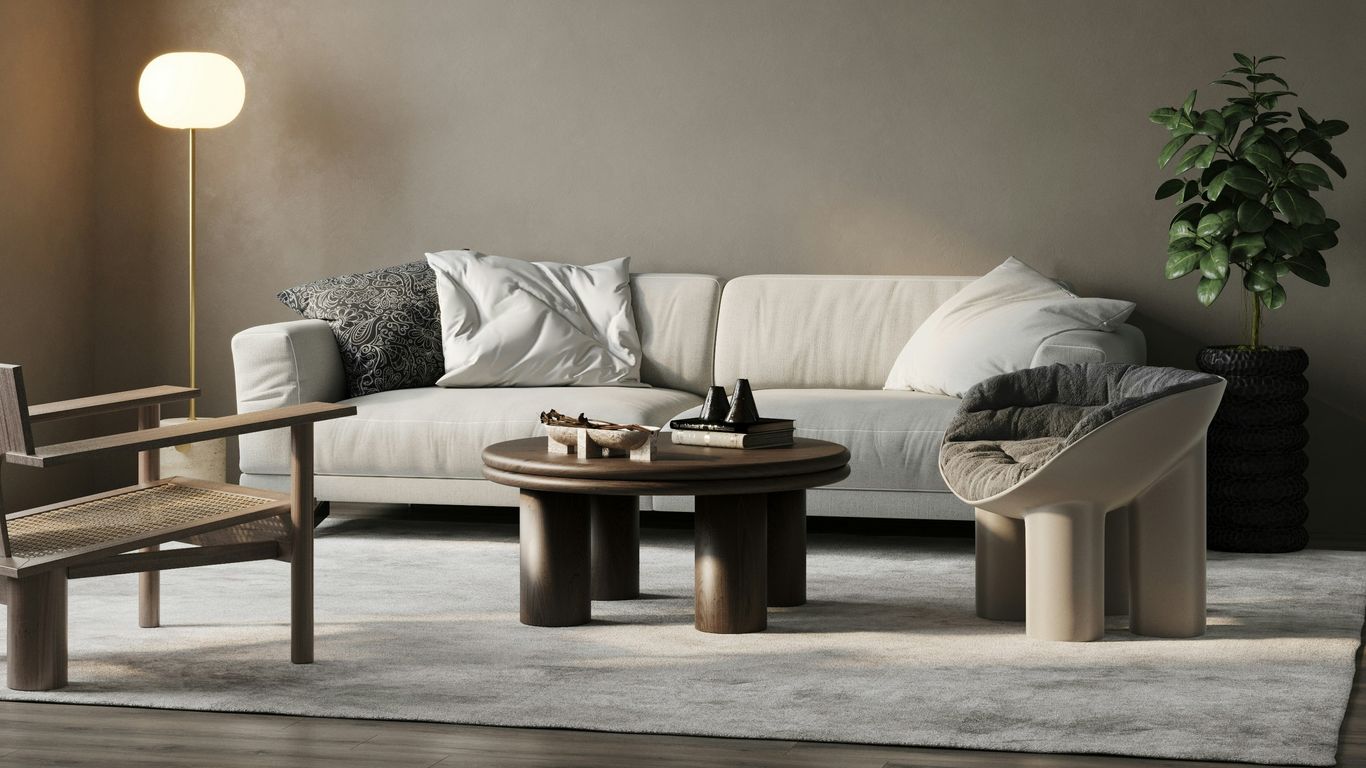
The tabletop generally works best when it sits close to the height of the sofa or chair arm, although a slightly lower table can create a more relaxed look. For a lamp or frequently used drink, being able to reach the surface without leaning is more useful than following a rigid rule. Check the actual arm height of the furniture, since low modern sofas and generous lounge chairs can differ considerably.
Allowing room for movement and everyday use
A table that fits on paper can still obstruct knees, walkways or a reclining chair. Keep circulation routes clear and consider how people enter the room, pull out a footstool or carry a tray. For compact rooms, a narrower top or rounded corner may preserve comfort without losing the table’s practical role.
Balancing visual weight with surrounding furniture
Travertine has a grounded, substantial appearance, even when the tabletop is modest. Balance a heavy stone top with open space beneath it, lighter upholstery or a slender base; alternatively, use a solid pedestal where the room needs more visual anchoring. For broader guidance, this travertine furniture guide is a useful companion when comparing proportions and applications.
Choose the right travertine stone and colour
Travertine is valued for its warm mineral character, but no two pieces will read in exactly the same way. Background tone, pores, filled areas and veining can change the impression of a surface from quiet to highly expressive. Ask to review the proposed material and finish rather than assuming a small sample represents the whole tabletop.
Comparing cream, beige and darker travertine tones
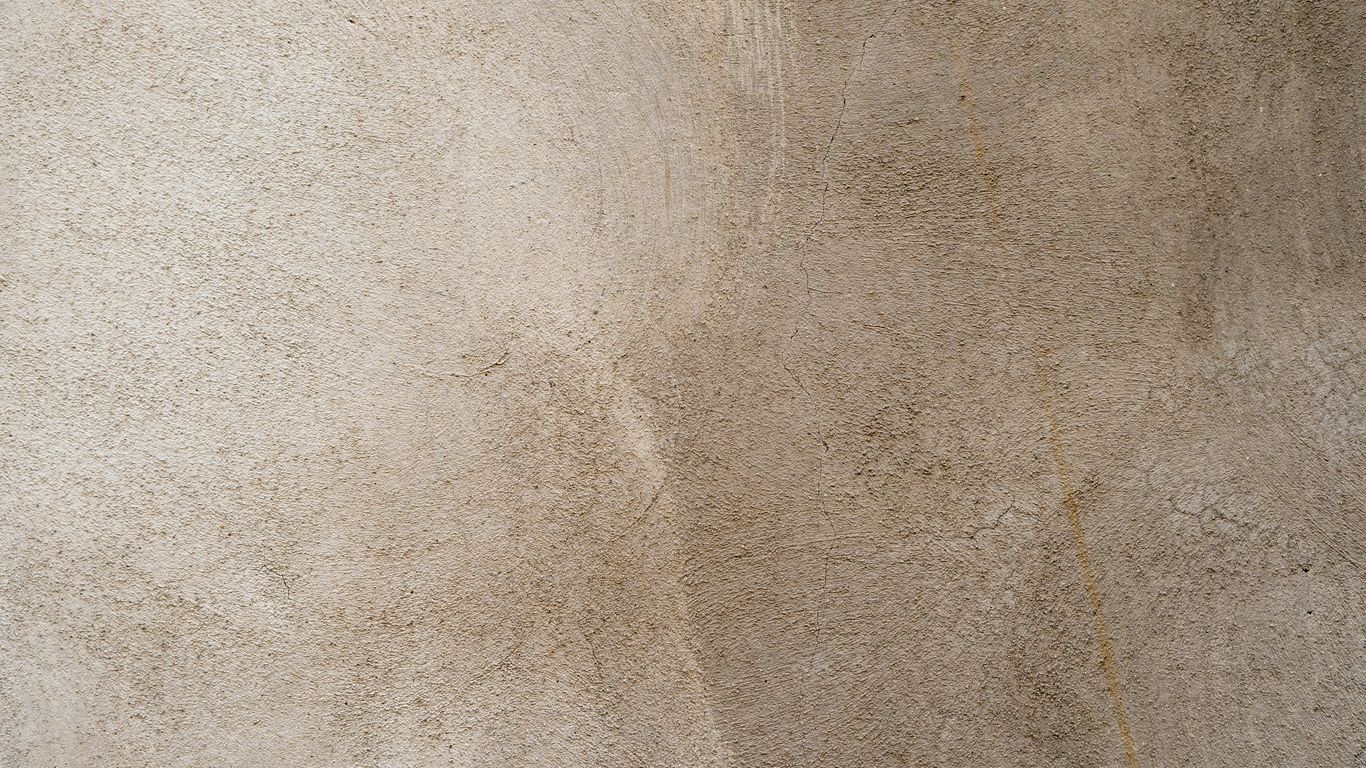
Cream travertine can keep a small room feeling light, while beige introduces warmth beside timber, boucle and earthy textiles. Darker tones create stronger contrast and can suit a room with pale walls or cool upholstery. Consider the floor and natural light at different times of day, as warm bulbs can make beige stone appear considerably richer.
Understanding veining, pits and natural variation
Open pores, mineral marks and changes in tone are inherent features of natural travertine. Filled stone offers a more even surface, while unfilled stone makes the geological character more visible and tactile. The natural stone variation guide explains why full-slab viewing is valuable when the tabletop is intended to be a focal point.
Matching the stone to your existing colour palette
Pull one or two colours from the room and use them as reference points rather than trying to match every item exactly. A pale stone can connect with plaster, linen and light oak; a richer stone can sit comfortably with walnut, bronze or olive green. When comparing related materials, this guide to marble and travertine furniture can help clarify how tone, porosity and finish affect the overall mood.
Deciding between a bold slab and a quieter surface
A strongly marked top can act as a small sculptural feature, especially beside a plain sofa. A quieter surface may be more suitable where artwork, rugs or patterned upholstery already provide visual movement. The wider material palette should decide how much attention the table demands, not the tabletop in isolation.
Select a shape that suits your interior
Shape affects both movement and emphasis. Round tables soften angular seating groups, square tops make use of neat corners, and cylindrical forms can read as architectural objects rather than conventional furniture. Choose the outline that supports how people move around the room.
When a round travertine side table works best
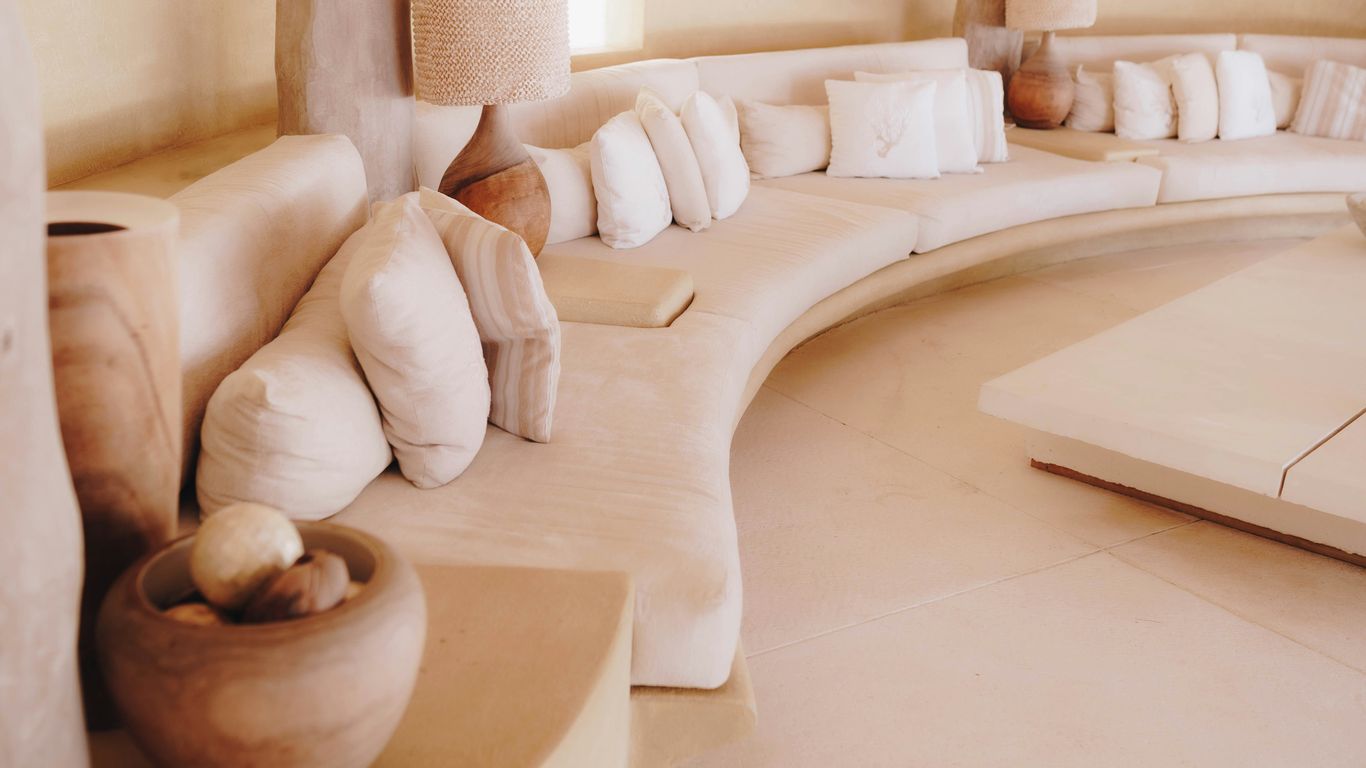
A round top is forgiving beside a curved sofa or chair and removes sharp corners from busy circulation paths. It also gives a compact room a more relaxed rhythm, particularly when the surrounding furniture has straight lines. A round table can be centred beside a chair without looking awkward if the available gap is slightly irregular.
Using square and rectangular tables beside seating
Square and rectangular tables are efficient beside a sofa because they offer a clear edge for books, lighting and drinks. Their geometry can echo a rug, shelving unit or window line, making the arrangement feel deliberate. Leave enough clearance for the corners, especially where the table sits beside a frequently used seat.
Considering cylindrical and pedestal designs
A cylindrical or pedestal table gives the stone a continuous, monolithic presence. It can be especially effective in a quiet corner or beside a low armchair, where the simple volume becomes part of the room’s composition. Check the footprint carefully: a broad pedestal may be stable, but it can reduce the usable walking space around it.
Combining different shapes without making the room feel busy
Several side tables can work together when they share one element, such as stone colour, height or finish. Varying the shapes slightly is often more successful than matching every detail, but keep the number of competing profiles limited. The Porto Travertine Round Side Table is one example of how a round top and pedestal base create a clear, self-contained silhouette.
Compare surface finishes and edge details
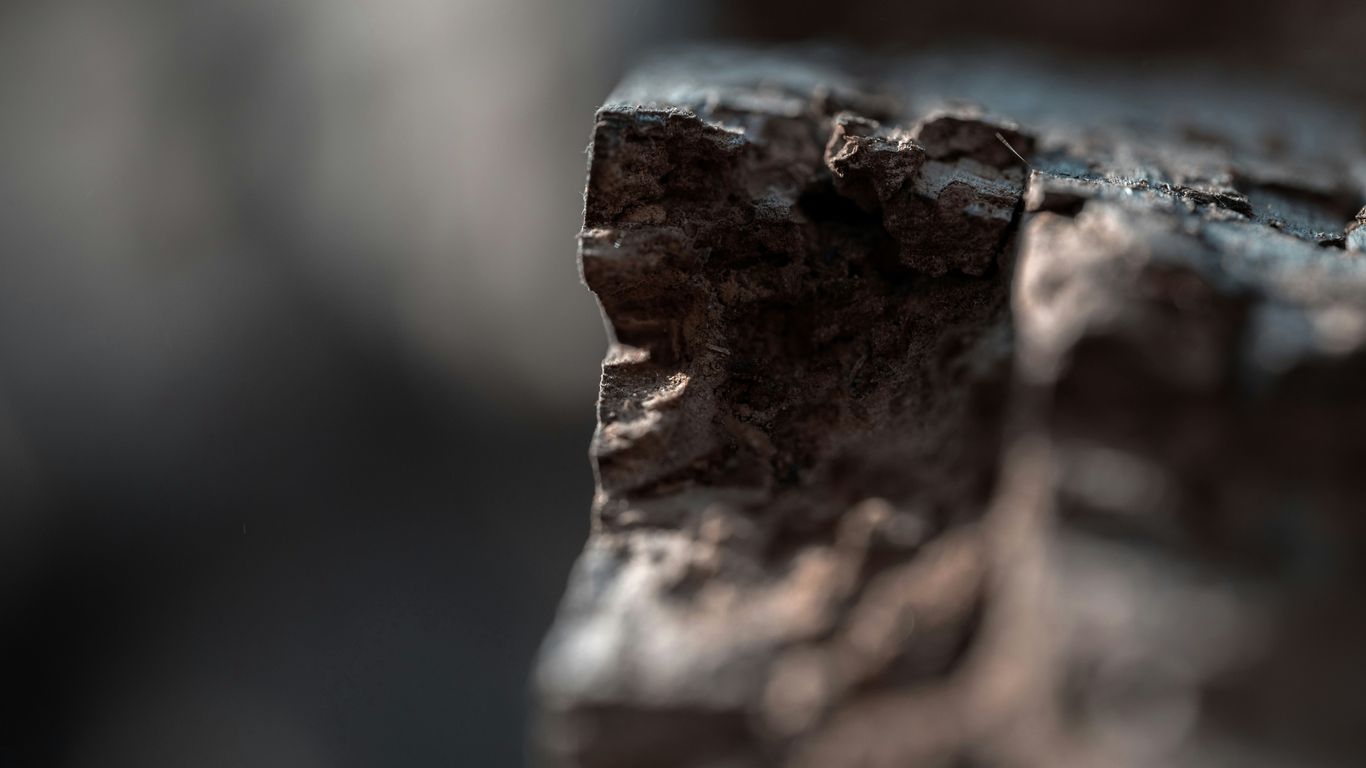
Finish changes how travertine reflects light, feels beneath the hand and responds to daily use. Edge treatment also affects perceived scale: a thick straight edge feels architectural, while a softened profile appears lighter. Compare these details in combination rather than selecting a finish as an afterthought.
Polished finishes for a more refined look
A polished surface reflects more light and can emphasise colour variation and movement in the stone. It suits a formal, refined interior, although reflections may make marks and objects more noticeable. Confirm how the edge will be finished as well, since a highly polished top with a harsh edge can feel visually inconsistent.
Honed finishes for a soft, matt appearance
Honed travertine has a low-sheen surface that feels quieter and more tactile. It tends to sit comfortably with natural fabrics, timber and understated metalwork. The finish does not remove the need for care, but it can make a relaxed interior feel less precious.
Filled and unfilled travertine surfaces
Filled travertine has its natural voids filled to create a more continuous plane, while unfilled stone retains visible openings and texture. Neither is automatically better; the choice depends on the look, touch and maintenance expectations of the room. Ask how the selected finish will be treated at the edges and around any larger pores.
Choosing rounded, bevelled or straight table edges
Rounded edges are gentle in family rooms and beside narrow walkways. A bevel can catch the light and reduce the visual heaviness of a thick slab, while a straight edge gives a crisp, contemporary line. Agree the profile in the production drawing so the finished detail is not left to assumption.
Assess construction, stability and quality
A beautiful surface cannot compensate for a table that rocks, flexes or has poorly resolved joins. Look at the complete object: slab thickness, base, underside, feet and the way the stone meets other materials. For made-to-order work, dimensions and details should be confirmed in an approved drawing before fabrication.
Checking the thickness and integrity of the stone
Ask for the specified thickness and check whether it is consistent with the span and support beneath it. Inspect corners, cut-outs and exposed edges for chips or hairline damage, particularly after transport. Weight is also relevant to delivery, lifting and the final position in the room.
Comparing solid travertine with veneered or composite designs
A solid stone table has a different weight, edge treatment and structural behaviour from a veneered or composite piece. Veneered construction can be appropriate in some settings, but the specification should make the material build-up clear. Do not judge from the top photograph alone; ask what forms the core, edge and base.
Evaluating the base, joins and overall stability
Place the table on a genuinely level surface and check for rocking from several sides. Look for clean joins, even contact between base and top, and feet that protect both the furniture and the floor. If the table is being commissioned for a project, a measured drawing should resolve support, clearances and access before production begins.
The same habit of checking precise requirements applies to unrelated purchases too: for example, Amazon Echo Show 10 specifications should be read separately from a furniture brief, rather than inferred from a photograph.
Identifying signs of uneven finishing or damage
Uneven sheen, rough patches, chipped corners and inconsistent filling deserve a closer question before acceptance. Minor mineral variation is natural; accidental damage and poor workmanship are different matters. Photograph the piece on arrival and compare it with the approved finish and packing documentation.
Match the table to how you use the room
A side table is successful when it supports a routine without demanding attention. Think about what will rest on it, who will reach it and how often it will be moved. A commissioning brief should include these practical details alongside the preferred colour and shape.
Choosing a practical surface for drinks and accessories
If the table will hold drinks, a lamp or daily reading materials, prioritise a usable top and a finish that is easy to wipe. Coasters and trays remain sensible because natural stone can mark from spills, heat and moisture. Keep decorative objects contained so the surface still works when the room is in use.
Selecting a compact design for smaller living rooms
In a small living room, a narrow round or square table may be more useful than a larger statement piece. Consider nesting arrangements or a design that can be moved easily when the seating changes. A compact table should still have enough surface area for its primary task; reducing every dimension can make it frustrating to use.
Using a taller table beside a sofa or armchair
A taller table can sit beside an armchair, chaise or sofa arm where a low occasional table would be difficult to reach. It may also provide a natural place for a lamp, particularly if the seat is used for reading. Check sightlines from standing and sitting positions so the table does not interrupt the room’s balance.
Pairing one travertine table with other materials
Travertine pairs well with timber, painted cabinetry, upholstery, glass and restrained metalwork. Repeating the stone too often can make a room feel overly matched, while one carefully placed piece can introduce useful mineral texture. For made-to-order projects, Geoscenic Stone can produce travertine furniture to approved dimensions and specified stone preferences, with material selection and drawing approval before fabrication.
A stone table also sits within a wider project process. Clear photographs and videos are useful when presenting completed interiors, much as remodelling contractor marketing guidance discusses the value of showing finished work, while a completely separate household concern might be choosing Oli6Goat snacks for a fussy toddler. These references are not substitutes for a furniture specification, but they underline the value of clear, audience-specific information.
Plan for care, protection and long-term value
Travertine is durable, but it remains a porous natural stone that benefits from sensible protection. Care begins with the selected finish and continues through daily habits, cleaning products and occasional resealing. A realistic maintenance plan is more useful than promises of a permanently unchanged surface.
Sealing travertine against stains and moisture
Ask whether the stone is sealed before delivery and which maintenance interval is recommended for the chosen finish and use. Sealing can reduce absorption, but it does not make the table immune to staining or etching. In humid environments, allow the surface to dry properly after cleaning and avoid leaving damp objects in place.
Protecting the surface from heat, spills and scratches
Use coasters, trivets and mats beneath hot, damp or gritty objects. Wipe spills promptly, particularly coffee, wine, oils and strongly coloured liquids. Lift ornaments rather than dragging them, and keep abrasive particles away from the tabletop when styling or moving accessories.
Cleaning products and methods to avoid
Use a soft cloth and a cleaner confirmed as suitable for natural stone. Avoid acidic products, abrasive powders, rough scouring pads and untested household chemicals, since they may dull or mark the surface. A simple routine is usually safer than frequent aggressive cleaning.
The following habits cover most everyday protection needs:
- Wipe spills promptly with a clean, soft cloth.
- Use coasters and trivets for drinks and hot objects.
- Lift accessories instead of sliding them across the stone.
- Recheck the seal when the surface begins to absorb moisture quickly.
These measures will not prevent every change, but they reduce avoidable damage while allowing the material to remain part of the room’s daily life.
Deciding whether natural wear suits your preferred look
Some owners prefer travertine to retain a fresh, even appearance, while others welcome softened edges, small marks and a gradual patina. Decide this before choosing a finish, because expectations influence how much maintenance feels reasonable. Geoscenic Stone provides detailed care instructions for its made-to-order stone pieces, while the final requirements should still be confirmed for the selected material and finish.
Conclusion
Choosing a travertine side table is a matter of joining material character with measured, everyday practicality. Review the space, stone, shape, finish and construction as one decision, then confirm the details in a clear drawing and quotation; if you are planning a made-to-order piece, Request a quotation for dimensions, material, finish, packing and delivery requirements.
Frequently Asked Questions
Is travertine suitable for a side table?
Yes, travertine can be a practical and visually distinctive choice for a side table when it is properly specified, protected and maintained. Its natural variation means the finished piece will have individual character.
What height should a travertine side table be?
A useful starting point is close to the height of the adjacent sofa or chair arm. The best height depends on what the table will hold and how easily people need to reach it.
Is honed or polished travertine better for everyday use?
Honed travertine offers a soft, matt appearance, while polished travertine reflects more light and can look more formal. Neither removes the need for coasters, prompt spill removal and suitable cleaning.
Should travertine be filled or unfilled?
Filled stone has a more continuous surface, whereas unfilled stone shows more pores and texture. The choice is primarily aesthetic, although it also affects how the surface feels and is cleaned.
How do I protect a travertine side table from stains?
Use a suitable sealer, wipe spills promptly and protect the surface from hot, wet or abrasive objects. Always follow care advice for the particular stone and finish.
Can a travertine side table be made to a custom size?
Yes, made-to-order stone furniture can be designed around a room’s available space, seating and access requirements. Dimensions, edge details, finish and support should be agreed before fabrication.
Will every travertine table look the same?
No. Natural stone varies in background tone, veining, pores and mineral marks, so a sample or photograph cannot guarantee an identical finished appearance. That variation is part of the material’s character.