
Key Takeaways
Travertine holes are a natural result of the stone’s formation, not automatically a sign of poor quality. Their appearance and practicality depend on the stone’s finish, location and level of use.
- Natural pitting forms as mineral-rich water moves through and deposits calcium carbonate.
- Tumbled and unfilled travertine usually shows more open texture than honed or filled stone.
- Open holes can suit rustic patios, while filled surfaces are often easier to clean indoors.
- Small surface pits are normally harmless, but deep damage, cracks and loose edges deserve attention.
- Samples, sealing, gentle cleaning and suitable repairs help preserve travertine’s character.
What causes travertine holes and natural pitting?
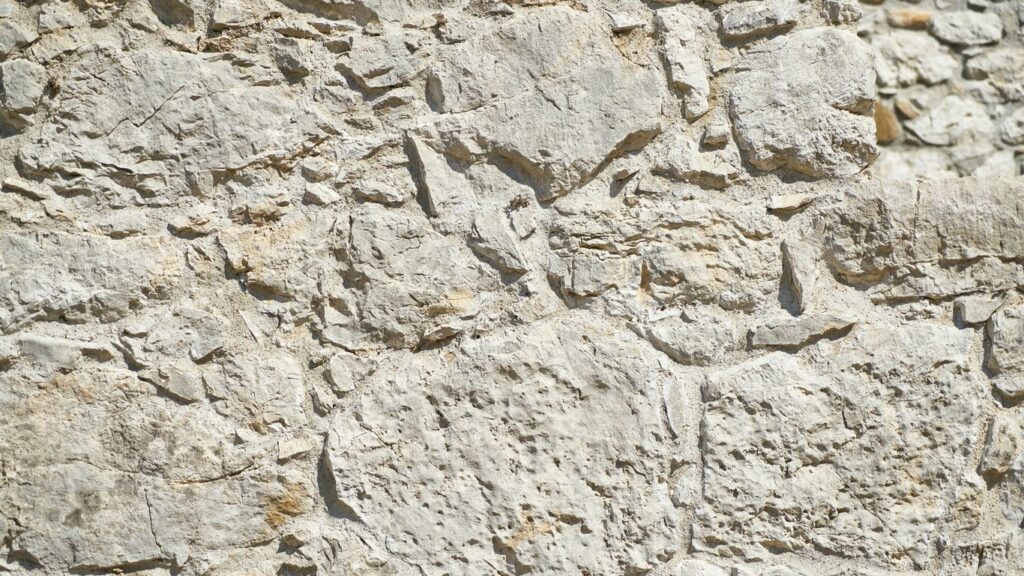
Travertine forms around mineral-rich springs and similar water environments, where calcium carbonate is deposited in layers. As water moves through the developing stone, small channels, bubbles and cavities can remain behind. Those cavities are what many people recognise as travertine holes. Their presence is usually part of the material’s geology rather than a manufacturing fault.
How mineral-rich water forms cavities
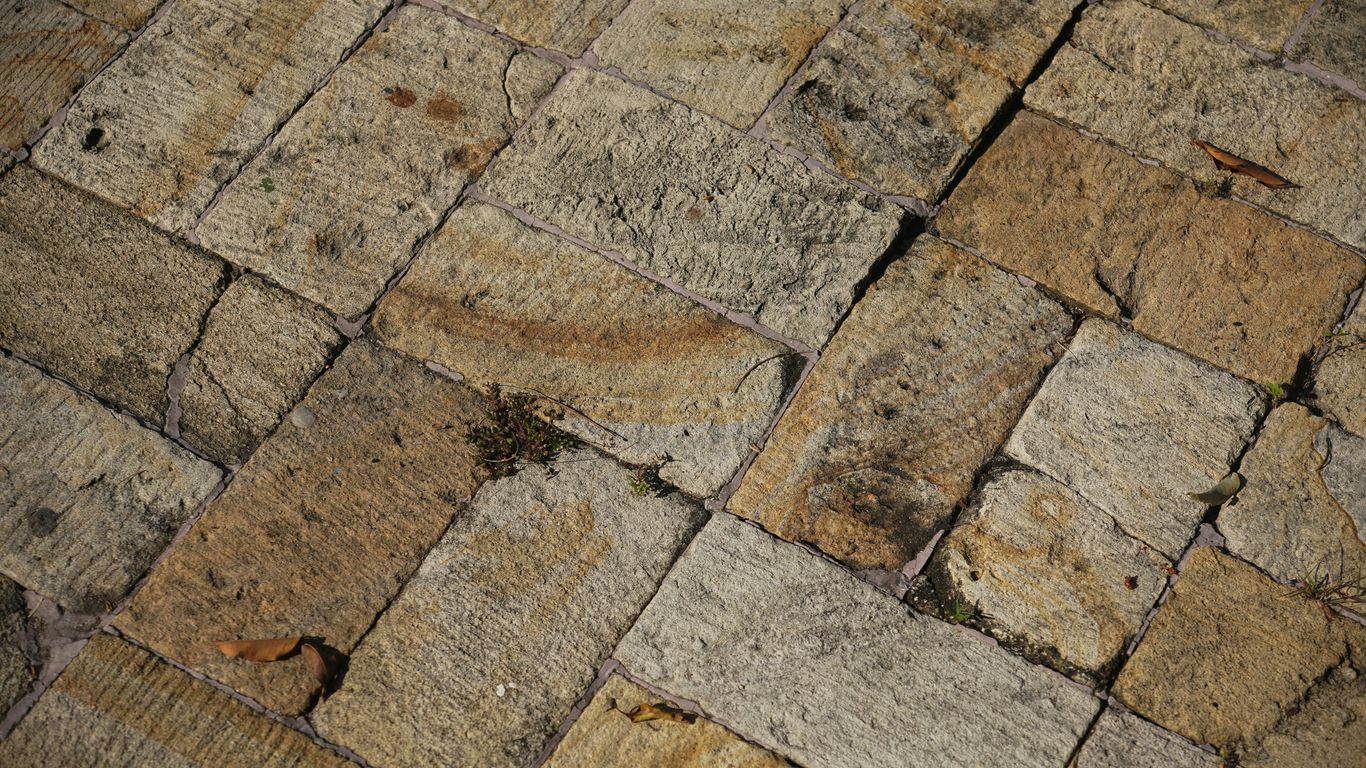
Water carrying dissolved minerals can leave deposits as it flows, while trapped gases and changing water movement create small interruptions in the stone. Once the material is quarried and cut, these former channels may appear as pinholes, shallow depressions or larger pockets.
The process is uneven, so two pieces from the same block may not show exactly the same pattern. This is one reason natural travertine should be assessed from representative samples rather than assumed to be completely uniform.
The difference between pores, pits and larger voids
A pore is generally small and shallow, while a pit is a more visible depression that may catch dust or water. A larger void can extend further into the tile or emerge when a weak surface section breaks away. The terms are sometimes used loosely, but the depth and condition of the opening matter more than its label.
A clean, stable pit is different from a newly broken cavity with sharp edges or surrounding cracks. That distinction helps determine whether the stone simply needs routine care or whether it needs filling or professional repair.
Why hole size and density vary between tiles
Travertine is quarried from natural deposits with changing layers, mineral content and water movement. Cutting direction also influences what becomes visible on the finished face. Consequently, one tile may have fine, scattered pitting while another has more pronounced channels and voids.
Before selecting material, compare several samples in the intended finish. A single tile can suggest a colour and texture, but it cannot show the full range of natural variation across an order.
How natural pitting indicates genuine travertine
Visible pores, tonal shifts and irregular mineral marks are often clues that a surface is natural stone rather than a perfectly repeated imitation. They should not be treated as a promise of a particular grade, however, because natural stone quality also involves thickness, soundness, finish and suitability for the application.
For furniture and architectural work, natural variation is expected and should be discussed before production. This approach is also useful when considering natural stone variation in a wider interior scheme.
How travertine finishes affect its holes
The same underlying stone can look quite different after it has been finished. Finishing may soften edges, open up cavities, expose more texture or fill the surface to create a flatter appearance. The right choice depends on how much tactile variation you want and how the piece will be used.
Tumbled travertine and its open, textured surface
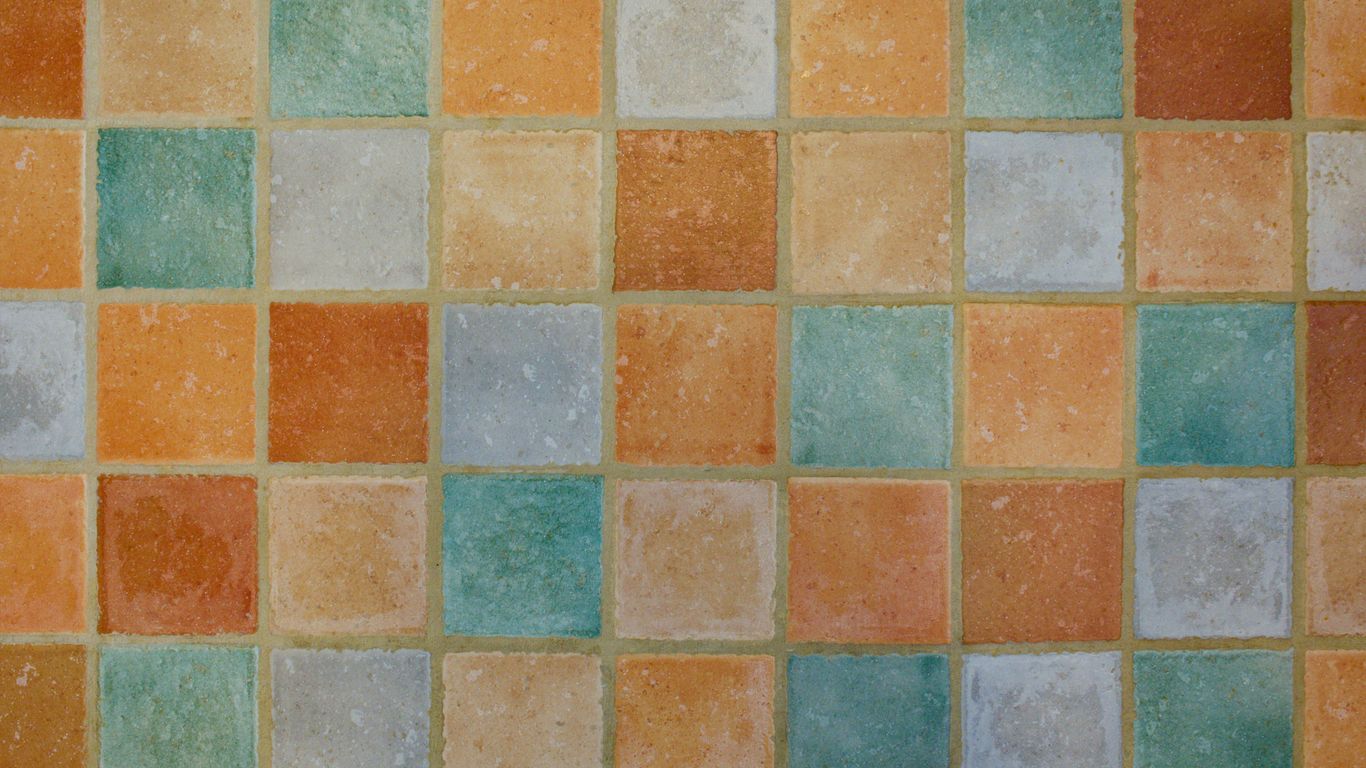
Tumbling rounds the edges and gives the stone a softened, aged appearance. It commonly leaves pores and pits open, making the surface feel more informal and tactile. That texture can work well in rustic interiors, garden settings and schemes that welcome visible signs of the material’s origin.
Because the surface is less continuous, dirt can settle in deeper openings and cleaning may take more time. Tumbled stone therefore benefits from a realistic maintenance plan rather than being chosen on appearance alone.
Brushed and honed finishes compared
Brushing creates a gently textured face by working the surface without removing all of its character. Honing produces a more even, low-sheen finish, although natural pores may remain open unless the stone is filled. Both can soften visual contrast compared with a highly polished surface.
The choice between them is often about touch as much as appearance. A honed face can feel calm and understated, while a brushed face keeps more of the stone’s tactile quality.
Filled travertine and its smoother appearance
Filled travertine has selected cavities filled during production with a compatible material, then finished to create a more continuous face. The fill can reduce places where crumbs, grit and water collect, but it will not necessarily disappear completely. Colour and texture matching can be close without being identical.
For a broader comparison of the practical and visual differences, see this guide to filled and unfilled travertine. It is worth checking how the filled surface looks in the actual lighting of the room.
Polished finishes and how they highlight imperfections
Polishing creates sheen by refining the surface, and that reflective quality can make tonal variation and filled areas more noticeable. It may also draw attention to small imperfections that would be less visible on a matt finish. A polished surface is therefore not automatically the best way to make pitting disappear.
Samples should be viewed from different angles and wiped clean before assessment. The final appearance depends on the stone, the quality of the finishing work and the pattern of its natural openings.
Should travertine holes be filled or left open?
There is no universal answer, because filling changes both the appearance and the way the surface behaves. Open pitting preserves a more geological, relaxed character, while filling creates a cleaner visual field and can simplify everyday care. The best decision follows the room’s use, exposure and desired degree of formality.
When open holes suit rustic and outdoor designs
Open holes can be attractive in informal schemes where texture is part of the design. On some outdoor surfaces, the additional texture may also contribute to grip, although drainage, slope and local conditions still need to be considered. Open travertine is not a shortcut to zero maintenance.
Outdoor care should focus on keeping cavities clear without forcing unsuitable products into them. Guidance on outdoor travertine care can help when a patio or pool surround is being considered.
Why filled surfaces are common in kitchens and bathrooms
Kitchens and bathrooms bring regular contact with water, food, toiletries and fine debris. A filled surface has fewer open recesses in which these materials can collect, so wiping and drying are generally more straightforward. It still needs sensible cleaning and sealing; filling does not make stone immune to staining or chemical damage.
The decision is especially relevant for worktops, vanity surfaces and furniture tops where a continuous feel is useful. A sample should show both the colour of the filler and the way its sheen relates to the surrounding stone.
The visual differences between factory-filled and natural pitting
Factory-filled stone usually appears more even because larger cavities have been addressed before installation. Natural pitting has a less predictable rhythm, with openings that vary in size, depth and distribution. Neither look is inherently more authentic: the distinction is mainly whether the cavities remain visually and physically open.
Fills may also weather or become locally damaged over time. If that happens, a small repair can restore continuity without changing every part of the surface.
How location and expected use influence the decision
Think about contact, cleaning frequency, moisture and the visibility of the surface. A lightly used decorative panel can tolerate more texture than a busy kitchen surface, while an outdoor area needs a decision that considers drainage and slip behaviour as well as appearance.
A simple project checklist can keep the choice practical:
- Identify whether the surface is indoors, sheltered or fully exposed.
- Consider how often food, water, grit or cleaning products will contact it.
- Decide whether tactile texture is a design feature or an inconvenience.
- Confirm the proposed finish and filling approach on a physical sample.
That conversation is more useful than choosing between “filled” and “unfilled” as though either option suits every application.
Are travertine holes a structural problem?
Most shallow pits are a normal surface characteristic and do not mean that a tile or slab is failing. Concern rises when an opening is deep, unstable, associated with a crack or located at a vulnerable edge. The surrounding material, thickness and support are all relevant.
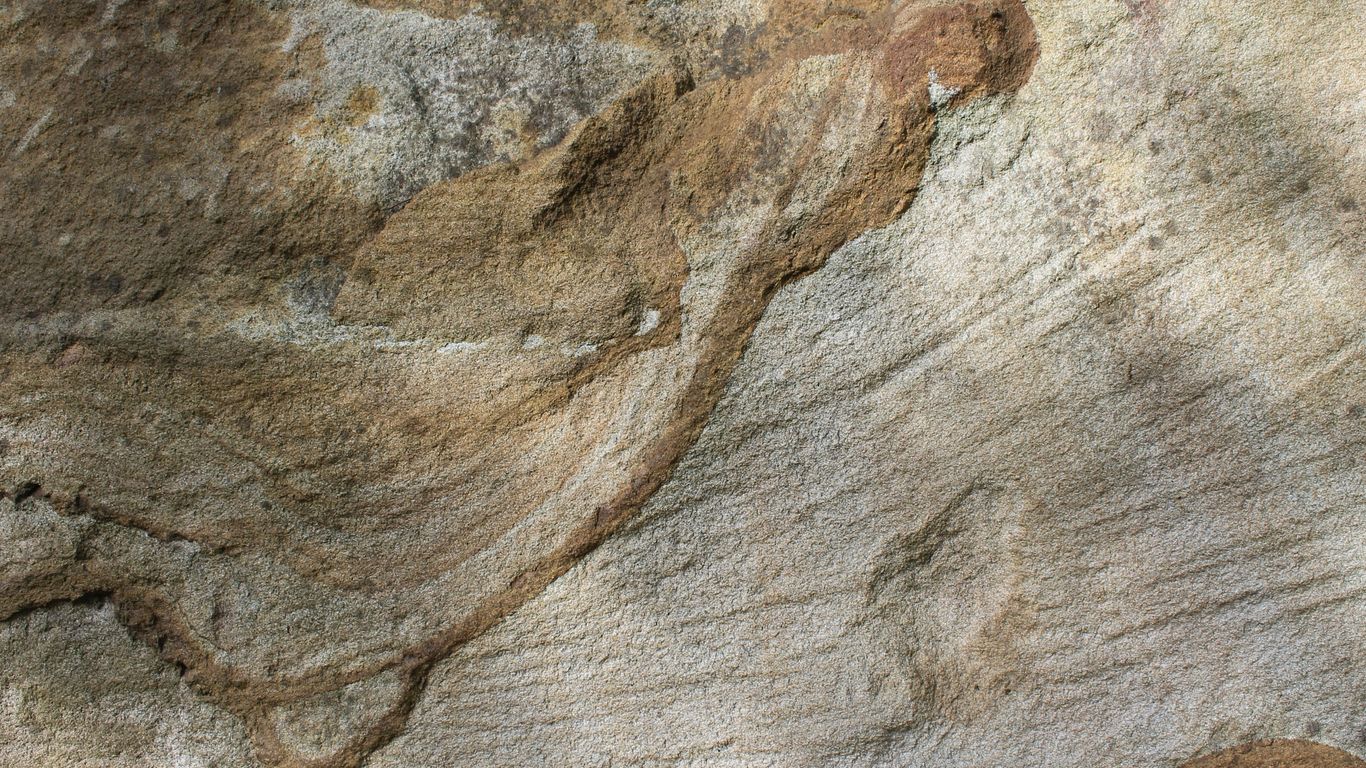
Distinguishing harmless surface pits from damaged tiles
A harmless pit usually has stable edges and no movement when gently inspected. Damage may show fresh breaks, loose fragments, widening cracks or a cavity that continues below the visible face. These signs should be judged without aggressive probing, which can enlarge a weak area.
The surface should also be considered in context. A small pit in a decorative wall panel is not the same risk as a damaged corner on a frequently handled table.
When deep cavities may weaken an edge or corner
Corners and narrow edges have less surrounding stone to distribute impact. A pre-existing void in these areas may make chipping more likely, particularly during handling, installation or heavy use. This is one reason edge profiles and packing need to be considered alongside the face finish.
A deep opening does not automatically require replacement, but it should be assessed before the piece is put into service. The suitable repair may be filling, stabilisation or a carefully matched replacement section.
How moisture, dirt and debris affect open holes
Open cavities can collect grit, spilled liquids and organic matter. Repeated wetting and drying may make cleaning more difficult, while outdoor debris can encourage staining or growth on surrounding surfaces. These are maintenance concerns rather than proof that the stone is structurally unsound.
Use gentle tools and avoid forcing hard objects into the openings. If water remains in a cavity, improving drainage and drying the area is usually more helpful than applying a stronger chemical.
Signs that a tile needs professional assessment
Seek advice when cracks are spreading, pieces are loose, a cavity is unusually deep, or a previously stable fill has failed repeatedly. Professional assessment is also sensible where the stone forms part of a stair, wet area, load-bearing detail or expensive bespoke piece.
For general project preparation, renovation planning advice is useful when access, dust, timing and unexpected work may affect a stone installation. A repair decision should be based on the actual material and site, not on a photograph alone.
How to choose the right travertine for your project
Start with the intended use rather than the colour alone. Finish, filling, thickness, edge treatment and maintenance expectations all affect whether a particular travertine is suitable. This is especially important for made-to-order pieces, where the approved drawing and material selection need to work together.
Matching the finish to indoor and outdoor applications
Indoor furniture and wall applications allow a wide range of finishes, provided the surface suits the expected contact and cleaning routine. Exterior areas require closer attention to drainage, weather exposure, texture and the behaviour of sealers. A finish that looks beautiful in a sample room may feel different in full sun or after rain.
For a table or architectural element, consider how the edges, underside and visible joins will relate to the face. The stone should be specified as a complete object, not just as a colour swatch.
Choosing between filled and unfilled tiles
Filled stone generally gives a more continuous appearance and can be easier to wipe, while unfilled stone keeps more visible geological texture. The choice should be confirmed at the quotation and drawing stage, including whether holes are intended to remain open after fabrication.
Geoscenic Stone produces made-to-order travertine furniture and architectural pieces, with dimensions, stone and finish confirmed for the individual project. Material selection should therefore be discussed before production rather than assumed from a photographed example.
Checking samples for variation in colour and pitting
Ask to see enough material to understand the range of tone, pores, veins and mineral marks. Compare samples in the project’s lighting and view them from normal standing and seated positions. A natural stone sample represents the material, but it cannot guarantee an identical final pattern.
For dining and occasional furniture, the natural stone dining table may help frame questions about finish, variation and day-to-day care. Those questions are just as relevant to a custom stone top or architectural surface.
Considering slip resistance, drainage and maintenance
Texture can affect grip, but it must be considered alongside water movement, joint design and cleaning. A rougher surface is not automatically safer, and a filled or polished surface is not automatically unsuitable. The correct specification depends on the actual environment and how it will be used.
Geoscenic Stone reviews the selected material and finish against the approved drawing, while the project team still needs to confirm site conditions, access and installation requirements. Clear decisions at this stage reduce avoidable changes later.
How to clean and maintain travertine with holes
Travertine responds best to a simple routine carried out consistently. Remove loose grit before wiping, deal with spills promptly and avoid treating natural stone as though it were ceramic. Open holes need attention, but they should not be scrubbed aggressively or packed with unsuitable household products.
Removing dirt from open pits without causing damage
Use a soft brush or a vacuum attachment to lift loose debris from shallow openings. Follow with a damp microfibre cloth and clean water, then dry the surface so moisture is not left sitting in cavities. Never use metal picks or sharp tools to dig out dirt.
If a pit repeatedly traps debris, its depth and condition may justify filling rather than increasingly forceful cleaning. The repair should match the stone’s intended finish.
Choosing pH-neutral cleaners for natural stone
A pH-neutral cleaner made for natural stone is the safer routine choice. Acidic products can react with calcareous stone and may etch or dull the surface, while harsh powders can leave scratches. Always follow the product directions and test an inconspicuous area first.
Keep the method restrained: dilute as directed, use a soft cloth or brush, rinse away residue and dry thoroughly. More product does not mean better cleaning.
Preventing stains, moss and organic growth outdoors
Outdoor travertine benefits from clear drainage, regular sweeping and prompt removal of leaves and soil. Shaded, damp areas may need more frequent attention because organic matter can remain in open pits. Avoid allowing cleaner or dirt to collect in low spots.
For a larger project, distinguish routine cleaning from restoration. A surface that remains dark or slippery after cleaning may need specialist assessment rather than repeated applications of stronger chemicals.
When resealing is needed and what it protects against
Sealing can reduce the rate at which water and staining substances enter the stone, but it does not close every cavity or make travertine maintenance-free. The appropriate sealer depends on the finish, location and desired appearance. Follow the sealer manufacturer’s preparation and curing instructions.
Resealing should be considered when water no longer beads as it previously did, staining becomes easier or the product’s recommended service interval has been reached. The surface must be clean and dry before work begins.
How travertine holes can be repaired or restored
Repair is usually guided by the size, depth and position of the opening. Small stable pits may be filled locally, while damaged edges, cracks or widespread failed fills need a more considered approach. Restoration aims to improve function and appearance without pretending that natural stone can be made perfectly uniform.
Filling small pits with suitable stone filler
A compatible stone filler can address small, stable cavities after the area has been cleaned and dried. The colour and sheen should be selected with the surrounding finish in mind, then the repair should be levelled carefully rather than left proud of the face.
A small test area is sensible because filler can look different once cured. For technical guidance on filling and repair methods, see this travertine repair guide, while recognising that site conditions vary.
Repairing chips, cracks and larger voids
Larger voids and chips may require a colour-matched resin or another repair material suited to the stone and finish. Cracks need more than cosmetic filling if movement or substrate problems are involved. Cleaning, preparation and curing are as important as the visible colour match.
If the repair is on a high-use edge, the repairer should assess whether filling alone will provide enough stability. A neat surface result is not a substitute for sound support.
Replacing severely damaged tiles
Replacement becomes more likely when a tile is fractured, unstable or damaged through a substantial part of its thickness. Matching can be difficult because new material may differ in tone, pitting and ageing from the surrounding stone. That difference should be discussed before removal.
Where the piece is bespoke, retaining the original drawing and finish specification can help define a replacement, though the new stone will still carry its own natural variation.
When to use a natural stone restoration specialist
Call a specialist when damage is extensive, the finish is polished, several fills have failed, or the stone forms part of a valuable architectural or furniture piece. Professional equipment and colour-matching experience can reduce the risk of enlarging cavities or creating visible patches.
Geoscenic Stone can discuss the material and finish requirements for made-to-order travertine furniture and architectural pieces, while restoration of existing stone should be assessed on site by an appropriately qualified specialist. For a project quotation, request a quote with dimensions, photographs and the intended use.
Conclusion
Travertine holes are part of the stone’s natural story, but their practical effect depends on depth, finish, location and maintenance. By comparing samples, choosing filling deliberately and addressing damage early, you can preserve the warmth and variation of travertine while specifying it responsibly for everyday use.
Frequently Asked Questions
Are travertine holes natural?
Yes. They usually form as mineral-rich water moves through the stone during its geological formation, leaving pores, pits and cavities behind.
Do travertine holes mean the stone is poor quality?
Not necessarily. Pitting is a natural characteristic, although the stone should still be assessed for soundness, thickness, finish and suitability for its intended use.
Should travertine holes be filled indoors?
Filling is often practical indoors because it creates a more continuous surface that is easier to wipe. The choice still depends on the desired appearance and the amount of use.
Should outdoor travertine holes be left open?
They may be left open where texture and drainage are desirable, but the decision should consider cleaning, water movement, exposure and slip behaviour.
Can travertine holes be repaired?
Small stable pits can often be filled with a suitable stone repair material. Larger voids, cracks and damaged edges may need professional assessment.
What cleaner is safe for travertine?
A pH-neutral cleaner intended for natural stone is generally the appropriate choice. Acidic and abrasive products can damage or dull calcareous stone.
How often should travertine be resealed?
There is no single schedule for every surface. Resealing depends on the stone, finish, exposure and sealer, so follow the product guidance and reassess when staining or water absorption increases.
Discuss Your Stone Project
If you are selecting travertine for a made-to-order furniture or architectural piece, discuss the stone, finish, dimensions and intended setting with Geoscenic Stone before production so the specification can be confirmed clearly.