
Key Takeaways
Custom marble furniture can give a hotel a lasting sense of place, but the best results come from treating it as a coordinated design and delivery exercise rather than a decorative purchase.
- Begin with the hotel’s identity, guest profile and operational needs.
- Select marble by use, finish, lighting and maintenance expectations.
- Resolve proportions, supports, edges and service coordination before fabrication.
- Review full-scale samples and approved drawings before production begins.
- Plan cleaning, repairs, packing and lifecycle costs from the outset.
Establishing the design brief for marble furniture in hotels
A successful marble furniture hotel project starts with a clear brief. Marble may be the most visible element, but it has to work alongside circulation routes, housekeeping routines, lighting, branding and the realities of daily guest use. Before a form is drawn, the design team should agree what the stone is expected to contribute and where it must remain quiet.
The brief should also distinguish between a signature piece and a repeated furniture type. A reception desk, bedside table and restaurant table may share a material language while requiring entirely different dimensions, edge treatments and maintenance plans. Early clarity makes later decisions more disciplined.
Aligning the furniture concept with the hotel’s brand identity
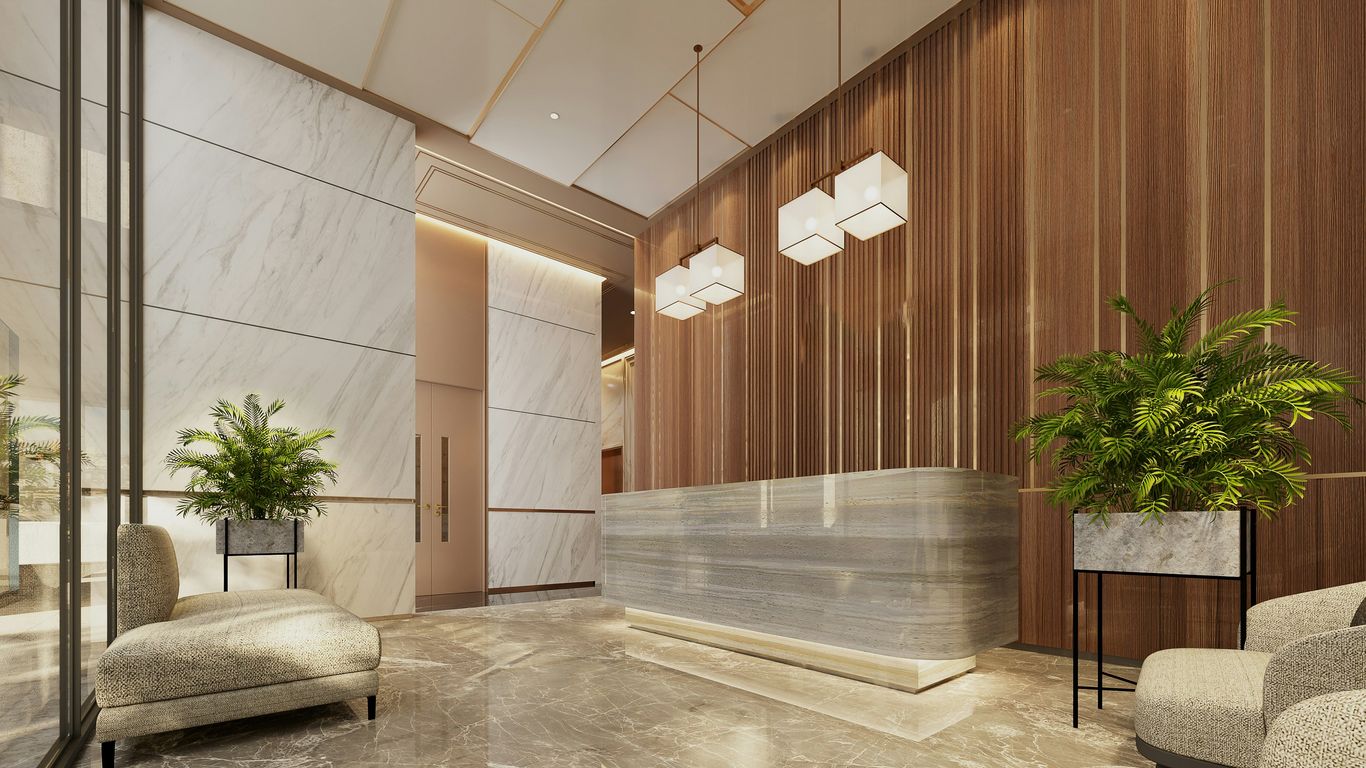
Marble can feel formal, relaxed, theatrical or understated depending on its colour, veining, finish and supporting materials. A boutique hotel with a strong local identity may want expressive movement in a lobby console, while a business hotel may prefer a restrained stone tone repeated across reception and guest rooms. The design should express the brand without turning every surface into a statement.
Ask what guests should remember: a calm material palette, a dramatic arrival moment, or a sense of crafted permanence. This is also the point to consider whether stone furniture should relate to architectural elements such as flooring, wall panels or a bar front. A coherent material story is usually more convincing than a collection of individually impressive pieces.
Balancing visual impact with guest comfort and usability
A substantial stone top can anchor a room, yet its weight must not make the space feel obstructed. Lobby tables need enough clearance for luggage and circulation, desks need comfortable knee space, and bedside tables should remain usable when a room is occupied. Corners, reach ranges and the position of bags or service items deserve as much attention as the silhouette.
Mock-ups are useful where a piece will be touched or approached from several sides. A cardboard or lightweight temporary model can reveal awkward heights and pinch points before the stone is cut. Comfort is part of the luxury: guests should notice the atmosphere first and the technical decisions only through how naturally the furniture works.
Defining the role of marble within the wider interior scheme
Stone becomes more persuasive when its role is specific. It may provide a durable horizontal surface, establish a visual threshold, frame a reception zone or introduce a natural pattern into an otherwise controlled interior. The surrounding timber, metal, glass, upholstery and lighting should support that role rather than compete with it.
A useful material schedule can separate primary, secondary and accent uses. For example, a honed stone may cover a large reception counter while a more strongly veined polished marble is reserved for a small lobby table. This approach controls cost and visual noise while allowing the natural material to retain its character.
For a broader discussion of defining dimensions, purpose and material choices, designers may find this custom marble furniture guide useful when developing the initial brief.
Setting performance, budget and maintenance requirements
The brief should record expected traffic, likely spill exposure, cleaning methods, heat sources and the level of finish the hotel team can realistically maintain. It should also identify delivery constraints, floor loading considerations, access routes and whether pieces must be assembled on site. These details affect the design before they affect the quotation.
Budgeting should include more than the visible stone. Weight, packing, destination, site access, service cut-outs, installation requirements and potential templates can all influence the individual quotation. A factory-to-order maker such as Geoscenic Stone confirms dimensions, stone, finish, edges and drillings in an approved production drawing, with the quotation reflecting the particular piece and delivery circumstances.
Selecting the right marble for hospitality settings
Marble selection is both an aesthetic and a technical decision. Colour and veining establish the mood, while porosity, finish and available slab size influence how the furniture will behave. In a hotel, the chosen stone should be reviewed against the actual use rather than selected from a small photograph alone.
Natural marble varies in tone, figuring, mineral marks and porosity. That variation is part of its appeal, but it also means the approval process needs to be explicit about acceptable character, vein direction and the relationship between multiple pieces.
Comparing natural stone varieties, veining and colour palettes
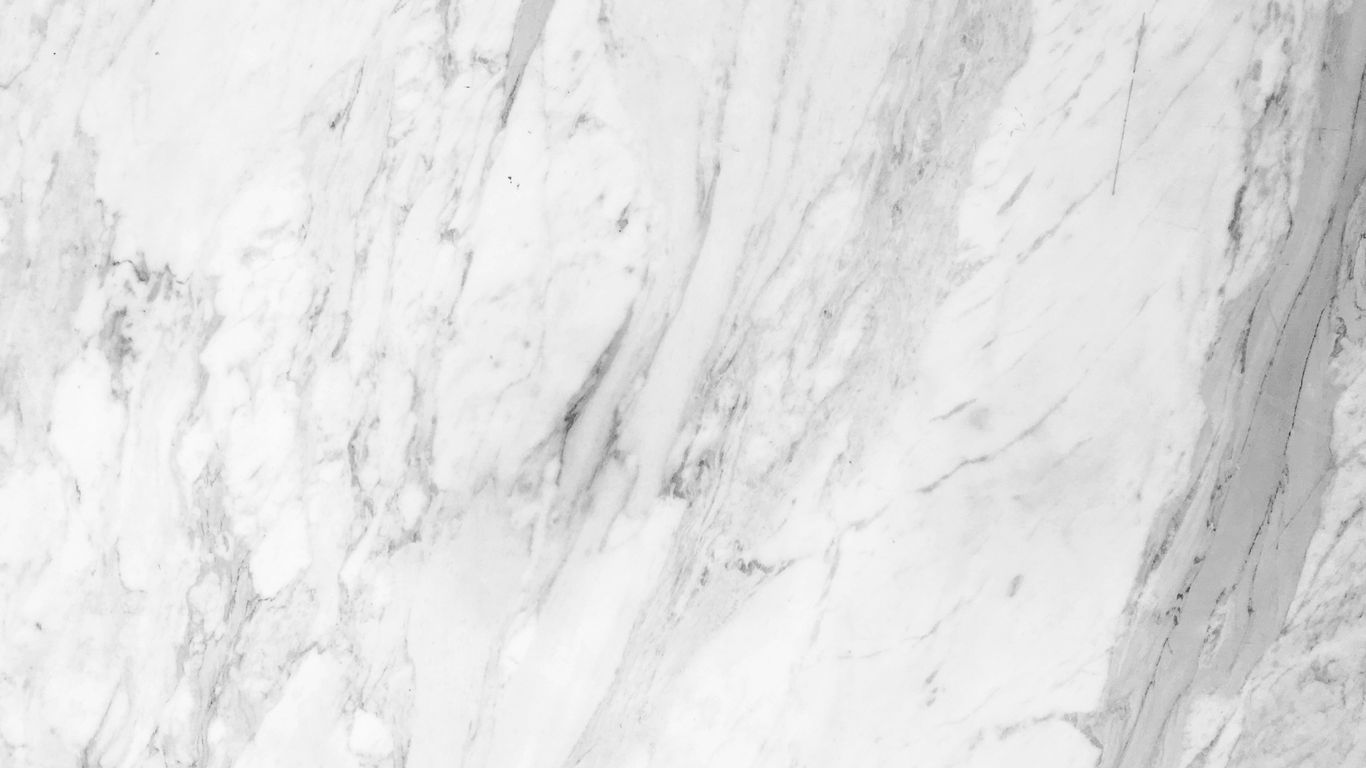
Start by comparing the stone’s overall movement rather than focusing on one attractive area of a slab. Fine linear veining can make a compact desk feel longer, while broad movement may suit a feature counter with enough surface area to show the pattern. Warm whites, greys, greens, blacks and beige stones each establish different relationships with timber, metal and upholstery.
Where several tops or panels are required, consider whether the design calls for continuity, loose coordination or deliberate contrast. Bookmatching and vein matching can be striking, but they require compatible slabs, accurate drawings and careful fabrication planning. The slab selection process deserves its own review because origin, availability and fabrication requirements can affect both appearance and budget.
Choosing finishes for reception desks, tables and feature pieces
Polished marble reflects light and can intensify colour and veining, making it suitable for a controlled feature surface. Honed marble has a softer, matte appearance and may sit more comfortably in a relaxed lounge or dining setting. The finish should be chosen alongside the lighting plan, not after it.
Edges matter too. A simple eased edge can make a thick top feel lighter, while a fuller profile may reinforce a more traditional interior. For tables and counters, the edge should be comfortable to touch and proportionate to the slab thickness. Finish samples should be reviewed at the intended scale, since a small sample cannot always communicate how a large surface will read.
Assessing porosity, staining and resistance to daily wear
Marble is not maintenance-free. Its porosity and sensitivity to acids mean that coffee, wine, citrus, cleaning products and standing moisture should be considered during specification. A sealant can support day-to-day care, but it does not remove the need for prompt cleaning or a suitable housekeeping method.
The most demanding uses may call for a different stone or a more forgiving finish. Compare the expected wear on a restaurant table with that of a decorative console, and consider whether contact is occasional, constant, hot, wet or abrasive. A clear maintenance plan is more useful than an unsupported promise of universal durability.
Using samples to review stone under hotel lighting conditions
View samples beneath the actual colour temperature and intensity planned for the space. Daylight, concealed linear lighting, pendant light and warm decorative lamps can alter the perceived depth of a stone considerably. Place samples beside flooring, paint, timber and upholstery, then review them from standing and seated positions.
For repeated furniture, inspect enough material to understand variation across the order. The final pieces should not be expected to look identical to a reference photograph. A transparent approval process records the selected stone, finish and intended character while acknowledging that every slab remains naturally individual.
Designing custom marble furniture for function and proportion
Custom furniture allows the design to respond to the building rather than forcing the building around a standard unit. That advantage is greatest when the team resolves dimensions, access, support and service requirements before the stone enters production. The drawing is not simply a presentation document; it is the shared reference for fabrication and installation.
A proportionally elegant piece can still fail if it blocks a route, leaves insufficient legroom or cannot be brought through the hotel entrance. Good design therefore joins visual decisions to practical information from the start.
Developing suitable dimensions for circulation and accessibility
Measure the room as it will operate, including queues, luggage, wheelchairs, cleaning equipment, dining chairs and door swings. A lobby table should leave a comfortable route around it, while a reception desk may need distinct zones for guests, staff equipment and concealed storage. Guest room desks and vanities need clearance for knees, mobility aids and housekeeping access.
Do not rely on a single plan dimension. Check finished floor levels, skirtings, columns, radii and the path from unloading point to final position. Where a piece is unusually large or heavy, plan its route and lifting method alongside its geometry.
Combining marble with timber, metal, glass and upholstered elements
Supporting materials can temper the visual mass of stone. Timber introduces warmth, metal can sharpen the outline, glass can reduce apparent bulk, and upholstery can make a dining or lounge setting more welcoming. These combinations should be resolved at the joint, where differences in movement, tolerance and cleaning behaviour become visible.
A metal base may need concealed fixing points, while a timber frame may require allowances for movement. Upholstered seating should not force users into an uncomfortable relationship with the stone edge. The most convincing combinations feel intentional from both a distance and close range.
Controlling visual weight through edges, bases and support structures
Thickness, edge profile and base geometry strongly influence how a marble piece sits in a room. A thick waterfall edge can make a small table appear sculptural, whereas a slim top on a recessed base may feel lighter and more architectural. The support must still be stable and appropriate for the stone’s weight.
A simple review table can help teams compare the design intent with the practical response:
| Design decision | Visual effect | Practical question |
|---|---|---|
| Honed or polished finish | Soft or reflective surface | How will light and cleaning reveal wear? |
| Thin or substantial edge | Lightness or permanence | Is the edge comfortable and adequately supported? |
| Central pedestal or multiple legs | Sculptural or familiar stance | Will it allow circulation and stable use? |
The value of this comparison is not in choosing one universal solution. It keeps the aesthetic decision connected to comfort, stability and maintenance before the drawing is approved.
Creating bespoke details that reinforce the hotel’s identity
Small details can carry more identity than a large logo. A distinctive radius, a carefully aligned vein, a recessed plinth or a repeated junction between stone and timber may become part of the hotel’s visual language. These details should be documented clearly so that they can be reproduced across related furniture types without losing their purpose.
For a wider look at edge profiles, joints and fabrication realities, this stone furniture specification guide can support the design review. Geoscenic Stone produces made-to-order pieces from approved drawings, so details such as edges and drillings should be settled before cutting rather than improvised at installation.
Applying marble furniture across key hotel spaces
Different hotel spaces place different demands on the same material. The lobby is seen from many angles, guest rooms reward restraint, restaurants need repeatability, and spas require a calm response to moisture and touch. A consistent stone language can connect these areas without making every piece identical.
The designer’s task is to vary scale, finish and supporting materials while keeping the underlying specification controlled. This is where a custom approach can be particularly useful: dimensions and details can respond to each location instead of being treated as a single catalogue type.
Making a statement with reception desks and lobby tables
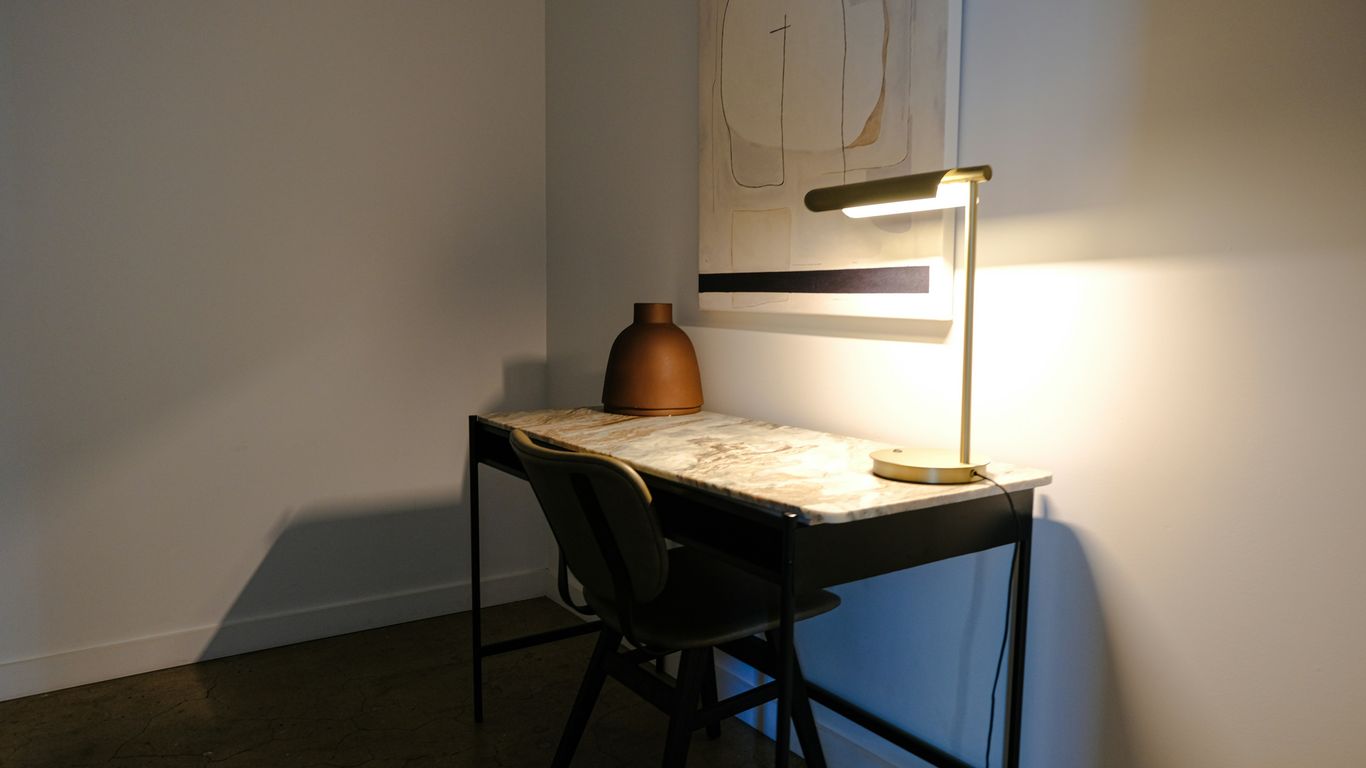
Reception furniture often carries the first material impression of a hotel. A generous stone counter can establish permanence, but staff ergonomics, cable management, accessible sections and concealed equipment must be resolved within the composition. Lobby tables should support conversation and waiting without creating obstacles for luggage or circulation.
Vein direction can help define the desk’s length or frame a front panel, while a quieter stone may allow signage and lighting to remain legible. The strongest statement is usually one that remains comfortable and operational through a busy arrival period.
Designing guest room desks, bedside tables and vanity units
In guest rooms, marble works best when it feels integrated rather than ceremonial. A desk top, bedside surface or vanity can provide a tactile point of quality, but the dimensions should respect luggage, sockets, lighting, personal belongings and cleaning access. Rounded or eased edges may be preferable where guests move close to the piece in a confined room.
Vanity designs also need careful coordination of basins, drainage, splash exposure and mirror lighting. Where natural stone is used near water, the specification should address sealing, joints and service access rather than treating the surface as purely decorative.
Specifying dining tables and service furniture for restaurants
Restaurant tables need a clear relationship between top size, chair position, service movement and the room’s turnover. Repeated tops should be coordinated for colour and vein character while accepting that natural stone will not be perfectly uniform. Bases need to provide stability without interfering with feet, cleaning or server movement.
For a useful comparison of shapes, bases, edges and stone choices, designers can consult this marble dining table guide. If a project uses many tables, the schedule should identify each size, finish, edge, support and any required cut-outs so that the fabrication team is working from one controlled set of information.
Introducing marble in bars, lounges, spas and communal areas
Bars and lounges offer opportunities for smaller, high-impact applications: a side table, service ledge, occasional console or drinks counter. In spas, quieter tones and tactile finishes may help create a more settled atmosphere, but moisture, oils and cleaning routines must be included in the brief. Communal areas benefit from repetition without visual monotony.
Marble can also connect public areas through a shared detail rather than a shared slab. A recurring edge, plinth or tonal family may be enough to establish continuity. The hotel stone furniture planning guide is a useful reference for balancing function, visual ambition and technical coordination across these settings.
Managing safety, durability and guest experience
Hotel furniture has to withstand contact from many users, often with little warning or control over how it is treated. Safety therefore belongs in the design conversation from the first sketch. Stability, edge comfort, slip resistance and cleaning compatibility should be reviewed together, not as separate compliance tasks at the end.
Natural stone can be durable while still having specific limitations. A considered specification acknowledges those limitations and places the material where its qualities can be enjoyed without exposing guests or staff to avoidable risk.
Specifying stable construction for heavy stone components
A marble top can be considerably heavier than a comparable timber or composite surface. Bases, fixings and concealed frames should be designed for the actual dimensions and weight, with appropriate allowances for handling and installation. Large pieces may require a lifting plan, temporary protection and a defined sequence for assembling adjacent components.
Stability also depends on the floor and the relationship between parts. A narrow pedestal, uneven substrate or poorly distributed fixing can create movement even when the stone itself is sound. Drawings should show support locations clearly and identify any required site tolerances.
Reducing sharp edges and slip risks in high-traffic areas
Edges should be comfortable where guests naturally place their hands or pass close to furniture. Eased, rounded or otherwise softened profiles can reduce the severity of accidental contact, while the right overhang helps prevent people catching clothing or bags. The choice should suit the design language rather than appearing as an afterthought.
For floors, wet zones and furniture near entrances, consider how moisture reaches the surface and whether the chosen finish becomes difficult to read or clean. A tabletop finish and a walking surface have different performance needs; they should not be specified by appearance alone.
Planning for heat, moisture, spills and cleaning chemicals
Restaurant counters, bar tops and vanity units may encounter heat, water, oils, cosmetics and acidic food or drink. Establish which products housekeeping and food-service teams will use, then verify that the cleaning method is compatible with the stone and finish. Clear instructions are especially valuable when a hotel operates across shifts or multiple properties.
Sealing schedules should be based on the material, finish and use rather than a generic calendar. Promptly removing spills and using suitable neutral cleaners can help preserve the surface, but no maintenance routine eliminates every possible mark. That honest expectation should be part of handover.
Meeting accessibility and hospitality safety expectations
Accessibility affects approach, reach, clearance, seating and the distribution of usable furniture. A visually impressive counter should not leave guests with limited access, and a communal table should accommodate different users without forcing awkward approaches. Coordinate these requirements with the local project team and applicable regulations.
Safety also includes housekeeping and maintenance staff. Service panels, removable components and access to concealed equipment can reduce the temptation to drag or dismantle heavy stone furniture during routine work. Design for the people who operate the hotel, not only those who visit it.
Coordinating fabrication, installation and project delivery
The transition from design intent to finished furniture depends on information quality. Marble is cut to a particular drawing from a particular selection of material, so late changes can affect both the piece and the programme. A coordinated schedule should make approvals, dependencies and responsibilities visible to everyone involved.
Factory-to-order production can be well suited to hotel work because each item is made for its intended dimensions and use. It also means that the team should allow time for material selection, drawing approval, fabrication, inspection, packing and destination-specific delivery planning.
Preparing accurate drawings, templates and stone schedules
Production drawings should identify overall dimensions, thicknesses, edge profiles, joints, support interfaces, drillings and finished faces. Templates may be necessary where walls, columns or existing joinery are not perfectly regular. Confirm which dimensions are fixed, which are site-verified and which require an allowance.
A stone schedule should link each furniture reference to its material, finish, quantity, slab allocation and installation location. This reduces ambiguity when several rooms use related pieces with different sizes or orientations.
Checking slab availability, colour variation and vein matching
Before approving a visually prominent piece, review the available slab or an appropriately representative selection. Check its usable dimensions, natural openings, mineral marks, background tone and vein direction. If several components must relate, decide whether the project requires matching, bookmatching or an intentionally varied arrangement.
Availability can change, and a substitute slab may not carry the same character. The approval record should therefore describe the accepted range of variation rather than imply that a photographic sample guarantees an identical result.
Coordinating joinery, lighting, plumbing and electrical services
Stone furniture often sits at the intersection of several trades. Reception counters may contain power and data, bars may require plumbing and drainage, and illuminated features may need access panels and heat management. Joinery, metalwork, lighting, electrical and plumbing drawings should be reviewed together.
This coordination is particularly important where a hole or recess is cut into stone. Its location, diameter and relationship to the finished edge should be confirmed before production. A small unresolved service detail can cause an expensive site adjustment.
Protecting marble during transport, installation and handover
Packing should reflect the weight, fragility and geometry of each component, as well as the destination and route to site. Confirm unloading space, lifting equipment, stair or lift dimensions and temporary storage conditions before dispatch. A protected installation area helps prevent damage from other trades continuing nearby.
At handover, record the installed condition, care instructions, approved material and any agreed limitations. Geoscenic Stone’s process includes inspection, packing and delivery for projects worldwide, while the individual quotation should clarify destination, delivery and installation responsibilities rather than assuming they are automatically included.
Maintaining the long-term value of custom marble furniture
The value of a hotel’s marble furniture is measured over years of use, not only on the day it is installed. Good care preserves the surface, but good design also makes care possible. Service access, replaceable elements and clear records can all reduce disruption when a piece eventually needs attention.
Lifecycle thinking should include cleaning labour, refinishing or repair, downtime, replacement difficulty and the environmental cost of discarding a substantial piece. A higher initial cost may be reasonable in one location and unsuitable in another; the decision should follow the use.
Creating cleaning and sealing schedules for hotel teams
Provide concise instructions that identify appropriate cleaners, prohibited products, spill response and the intended frequency of professional review. Housekeeping teams need practical guidance that fits their existing workflow, not a technical document that remains in a project folder.
The schedule should distinguish between daily dust and spill removal, periodic inspection and any resealing recommended for the specific stone and finish. Record changes in products or operating conditions, since a new cleaning chemical can alter the maintenance requirement.
Repairing chips, stains and surface damage appropriately
Minor chips, etching and stains should be assessed before anyone attempts a repair. The right treatment depends on the stone, depth, finish, position and likely cause. Aggressive polishing or unsuitable chemical treatments can make a local defect more visible rather than solving it.
For a prominent or heavily used piece, use a qualified stone professional and retain a sample or record of the original finish where possible. A repair may improve the surface without making it indistinguishable from new, particularly when the surrounding stone has developed its own patina.
Designing replaceable or serviceable components
Not every part of a furniture piece needs to be permanent. Removable panels, accessible fixings, replaceable metalwork and serviceable lighting can allow the hotel to address wear without replacing the entire stone element. This is especially useful for reception counters, bars and tables with integrated equipment.
Serviceability should not weaken the composition. Concealed fixings and well-defined joints can keep the furniture visually resolved while giving the maintenance team a sensible route to components that may eventually need adjustment or replacement.
Evaluating lifecycle cost, sourcing and sustainability considerations
Consider the full journey of the furniture: material selection, fabrication, packing, shipping, installation, care and eventual adaptation. Natural stone variation means that efficient slab planning and realistic acceptance criteria are important; rejecting usable material solely because it differs from a small sample can increase waste.
A lifecycle comparison should include durability, repairability, transport distance, packaging and the possibility of retaining a stone top while updating its base or surrounding joinery. For project teams assessing custom fabrication, this marble furniture process offers a useful way to connect material character with dimensions, maintenance and installation.
Conclusion
Custom marble furniture can give a hotel a distinctive material identity when design ambition is matched by careful selection, proportion, safety planning and delivery coordination. Treat each piece as a project-specific assembly: approve the stone and drawing, anticipate natural variation, plan access and services, and give hotel teams clear care instructions. If you are developing a made-to-order scheme, you can request a quotation from Geoscenic Stone so the proposed piece can be considered against its material, dimensions, packing, destination and installation requirements.
Frequently Asked Questions
Is marble suitable for hotel furniture?
Yes, marble can suit reception desks, tables, vanities, bars and other hotel furniture when its finish, support, location and maintenance requirements are specified for the intended use. It is not maintenance-free, so daily operation should shape the selection.
Which marble finish is best for a hotel?
There is no single best finish. Polished marble offers a reflective, more formal appearance, while honed marble has a softer matte quality that may suit relaxed dining, lounges and guest rooms. Review both against lighting, traffic and cleaning routines.
How should marble furniture be sized for a hotel lobby?
Begin with circulation, luggage movement, queues, accessibility and the clearances needed for cleaning. Then check the furniture’s height, overhang, edge profile and relationship to seating so that visual presence does not compromise comfortable movement.
Does hotel marble furniture require sealing?
Many marble applications benefit from an appropriate sealer, but the requirement and frequency depend on the stone, finish and exposure. Sealing should be paired with suitable cleaning products and prompt spill removal rather than treated as a complete protection against staining.
How can a hotel manage natural variation in marble?
Approve representative slabs or selections, document the expected range of tone and veining, and decide whether components should be matched, bookmatched or allowed to vary. Natural stone should not be expected to reproduce a photograph exactly.
What should be included in a marble furniture production drawing?
The drawing should show dimensions, thickness, edges, joints, supports, finished faces, service holes, fixings and any site allowances. It should also identify the material and finish so the fabrication and installation teams are working from the same information.
How can marble furniture be maintained over many years?
Use suitable neutral cleaning methods, respond quickly to spills, inspect high-use surfaces and arrange professional assessment for chips, etching or staining. Designing accessible and replaceable components can also reduce disruption when repairs or updates are needed.