
Key Takeaways
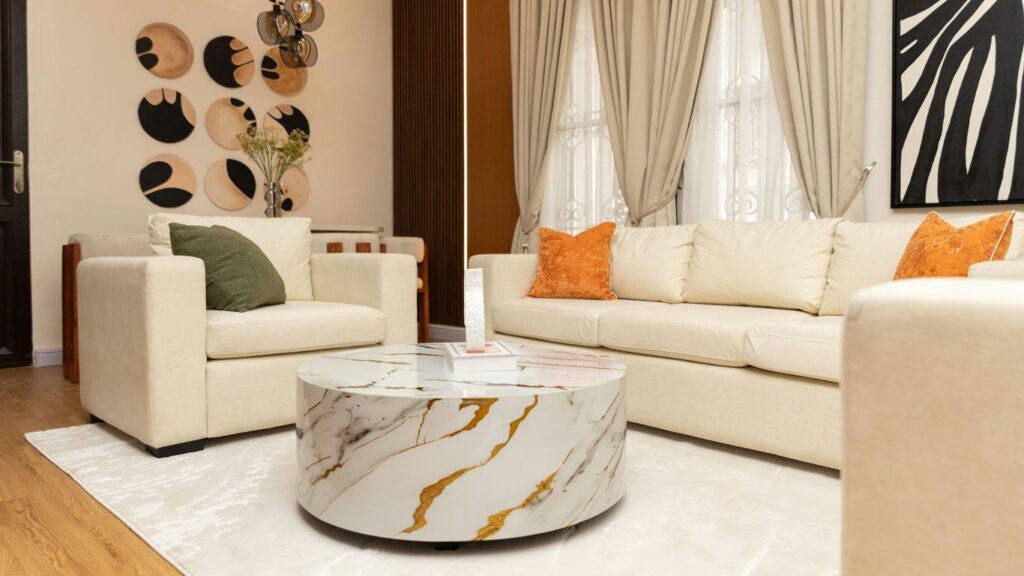
A green marble coffee table can become the room’s quiet focal point, but the right choice depends on more than colour. Consider the stone’s natural variation, the table’s proportions, its intended use and the care you are prepared to provide.
- Compare green marble varieties by tone, pattern and geological character.
- View samples and full slabs in both daylight and artificial light.
- Match the finish, edge and base with the room’s existing language.
- Check dimensions, support, sealing and delivery before committing.
- Treat natural variation as part of the stone’s character, not a flaw.
Understand the different types of green marble
Green marble ranges from softly muted material to deep stone with dramatic movement. Names can describe a geological source, a commercial variety or a visual family, so a label alone is not enough when commissioning a table. Ask to see the actual material proposed, together with information about its finish and intended use.
A useful starting point is this green marble furniture guide, which shows how strongly tone, veining and design can change the character of a room. The same principle applies whether the table is for a private sitting room, a hotel lounge or a carefully detailed reception space.
Verde Guatemala and its distinctive veining
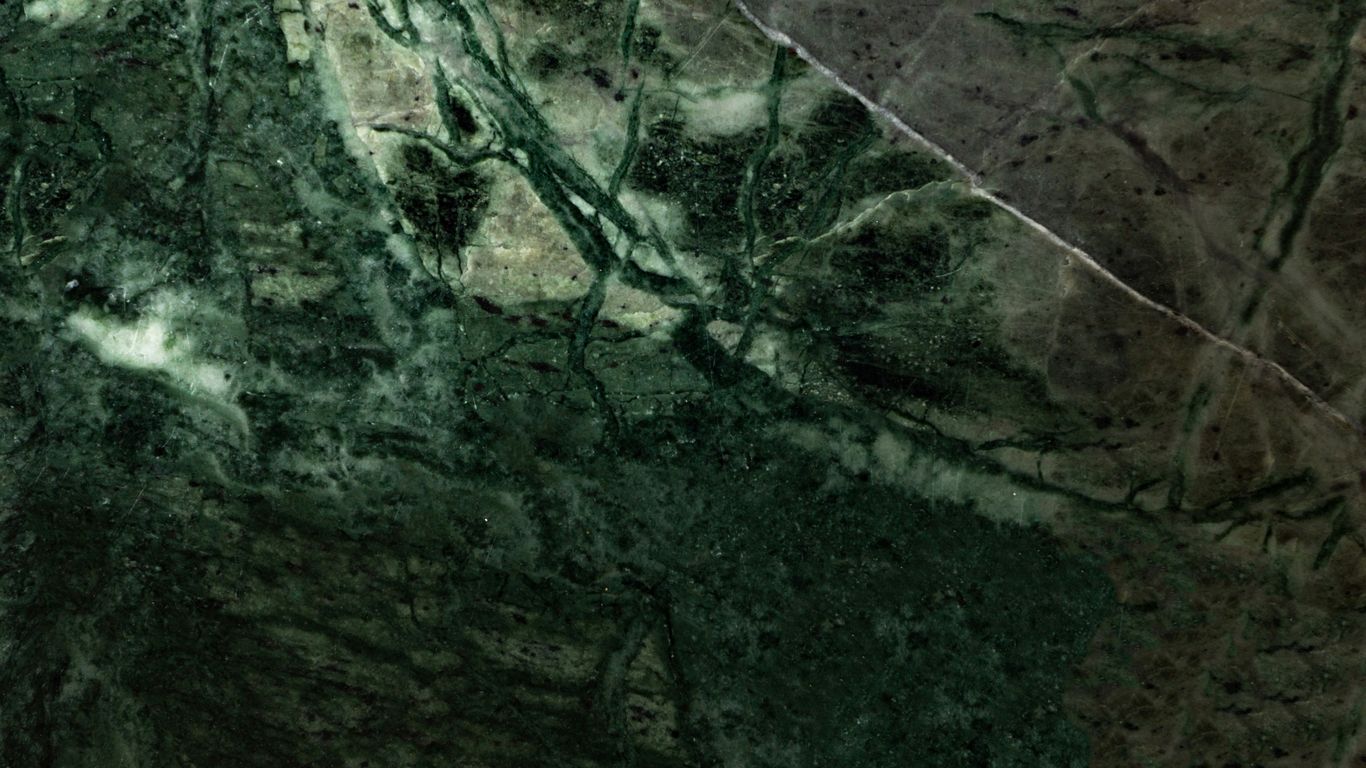
Verde Guatemala is often recognised by a rich green ground crossed by lighter, irregular veins. The movement can be relatively fine or more pronounced, depending on the slab, and two pieces carrying the same trade name may still look quite different. For a coffee table, inspect the complete slab rather than relying on a small tile, particularly if the top is broad or has a simple silhouette.
The direction of the veining also affects how the top reads from a sofa. A long sweep may emphasise a rectangular design, while a more dispersed pattern can work well on a round or softly edged top.
Verde Alpi for deep, dramatic colour
Verde Alpi is associated with saturated green colour and a more formal, dramatic presence. It can suit a restrained table particularly well because the stone supplies most of the visual interest. Darker material may also make a top appear heavier, so the base and surrounding floor area need enough visual lightness to keep the room balanced.
Before choosing it, check whether the depth of colour remains convincing under the room’s evening lighting. A stone that looks lively in a showroom may appear almost black beside a dark sofa or in a poorly lit corner.
Rainforest Green and other stone varieties
Rainforest Green and related varieties can contain branching, clouded or more graphic markings, sometimes with brown, cream or yellow-green movement. These patterns are best considered as a composition rather than a simple colour choice. A highly figured slab may be beautiful on a modest top but overwhelming when combined with an elaborate base.
When comparing alternatives, look at the amount of contrast, the scale of the markings and the proportion of quieter areas. Natural stone furniture is selected for a particular order at Geoscenic Stone, so the material decision can be made alongside the approved dimensions and design rather than treated as an afterthought.
How geological differences affect appearance and performance
Marble is formed through geological processes that leave different mineral structures, colours and degrees of visual movement. Those differences influence how the surface takes a polish, how open the pores appear and how readily marks may show. They do not make one variety universally suitable or unsuitable; the correct choice depends on the table’s environment and use.
Ask for clear information about the proposed slab, finish and any recommended protection. A considered natural stone comparison can help put green marble alongside other stones without assuming that visual similarity means identical performance.
Assess colour, veining and slab consistency
Colour should be judged in context. A green top can appear cooler beside blue upholstery, warmer beside timber and considerably darker against a black base. Consistency does not mean perfect uniformity: it means understanding the range of tone and pattern you are accepting across the visible surfaces.
If the table is being made to order, request photographs or an inspection opportunity for the selected slab where practical. That is especially useful when the top will be a prominent feature rather than one element among many.
Choosing between muted, vivid and near-black green tones
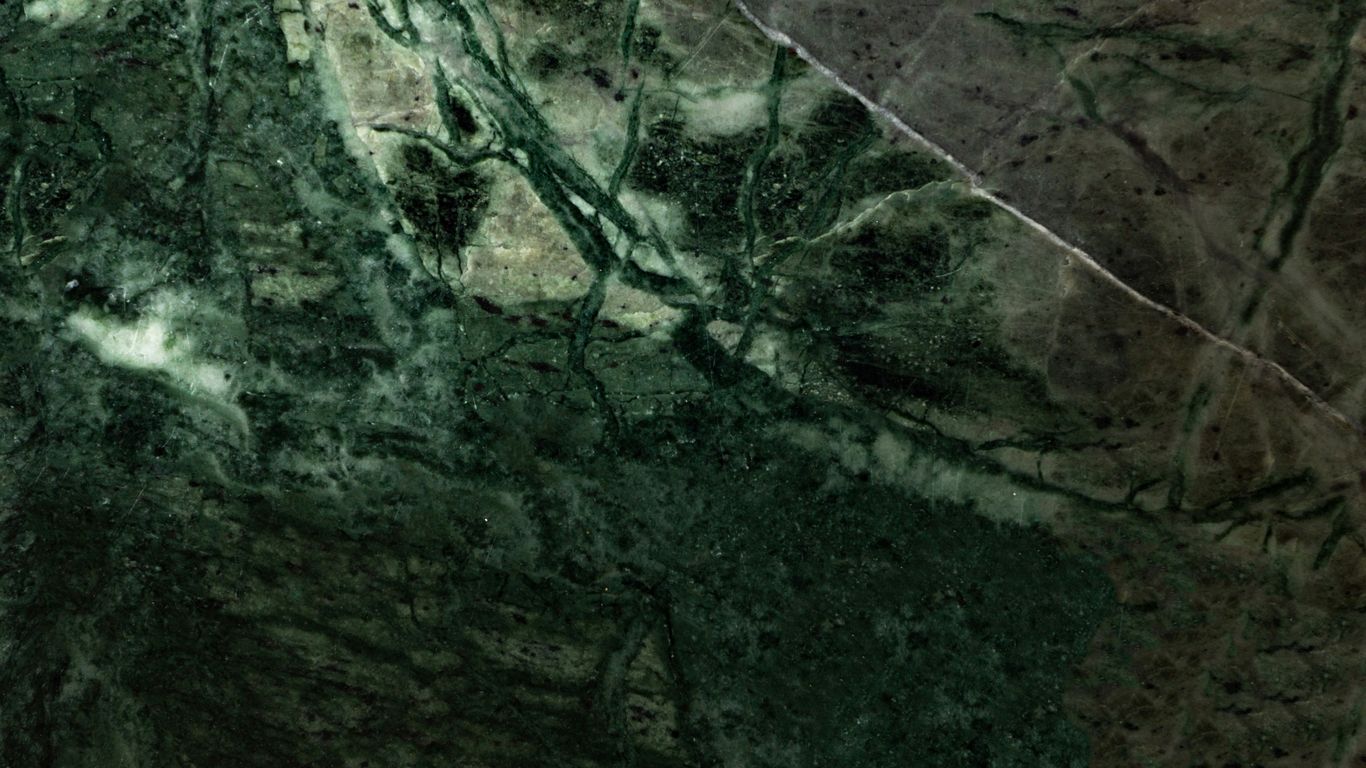
Muted greens are easier to layer with patterned rugs and colourful upholstery, while vivid greens make a stronger statement and may need quieter surroundings. Near-black greens create a grounded, architectural effect but can conceal fine veining in low light. Think about the room at different times of day, not only the moment of purchase.
A helpful test is to place a material sample near the sofa, rug and wall colour. The surrounding palette matters because green marble is rarely seen in isolation once the table is installed.
Comparing linear, clouded and brecciated patterns
Linear veining gives the eye a direction and can reinforce the geometry of a rectangular top. Clouded patterns feel softer and less directional, while brecciated markings create a fragmented, energetic surface. None is inherently better; the choice should support the furniture’s shape and the atmosphere you want.
For a quiet interior, broad tonal transitions may be more comfortable than high-contrast fragments. For a larger room with plain upholstery, stronger movement can provide useful definition without adding another decorative object.
Checking how the stone looks in natural and artificial light
View the stone near a window and under the lighting that will be used after dark. Daylight can reveal subtle green and blue shifts, whereas warm lamps may bring out olive or brown notes. Glossy surfaces also reflect windows and fittings, changing the apparent strength of the pattern.
Move the sample rather than inspecting it from one fixed angle. This exposes reflections, small mineral marks and changes in contrast that may otherwise be missed.
Deciding whether bookmatching or a more random pattern suits the table
Bookmatching mirrors a slab across a central cut, creating a deliberate symmetrical effect. It can be striking on a large rectangular top, although the join and the flow of the pattern need careful planning. A random layout can feel more relaxed and may make natural variation less formal.
Discuss the intended viewing direction with the maker before cutting. The pattern should be considered with the edges, base and seating positions, not only as a flat image on a screen.
Match the stone with the table’s design
A successful table balances the strength of the stone with the restraint of its construction. The top, edge, base and finish should feel as though they belong to one decision. A useful marble coffee table buying guide covers many of these choices, from size and edge profiles to maintenance and installation.
The best design is not necessarily the most ornate. Green marble often has enough presence to make a simpler form feel complete.
Selecting polished, honed or leathered finishes
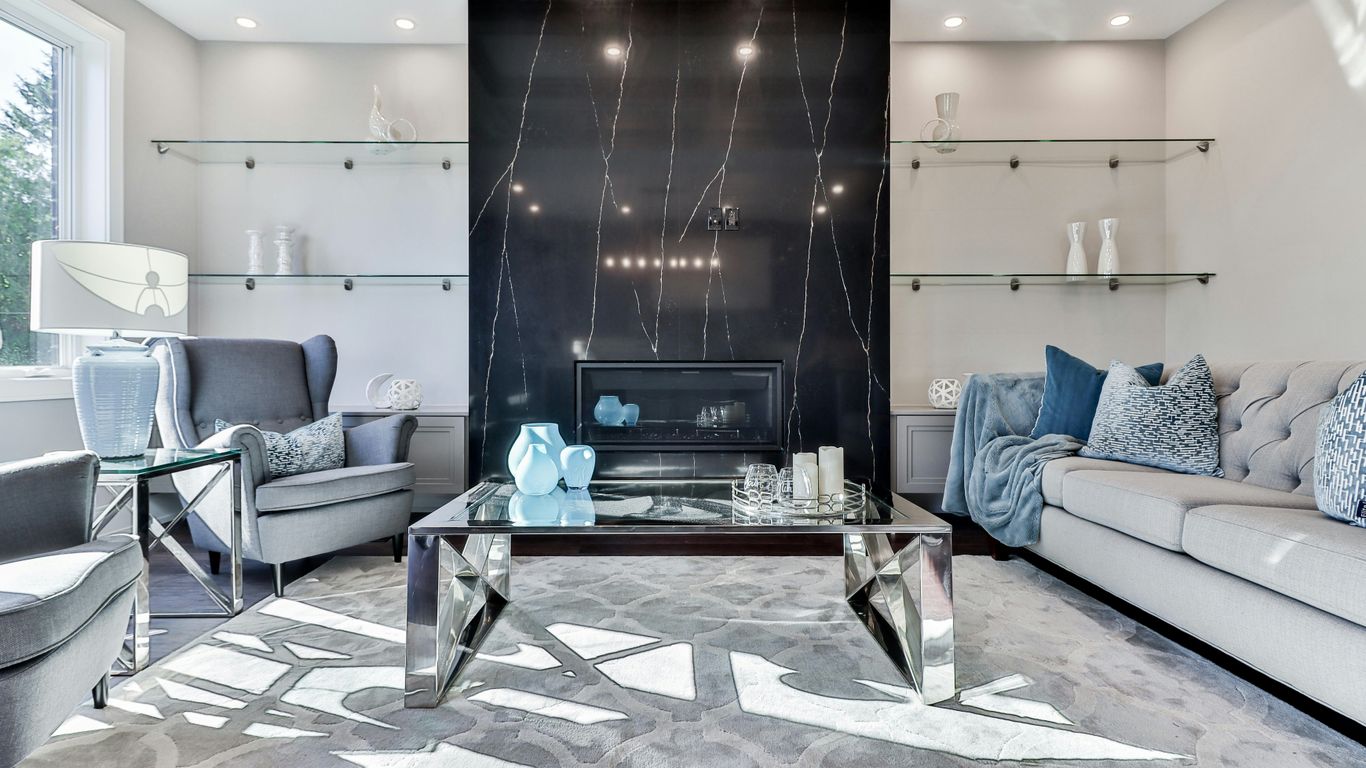
A polished finish deepens colour and increases reflection, making veining appear sharper and more decorative. Honed marble is softer in appearance, with a low sheen that can feel calmer in a living room. Leathered finishes add tactile texture and may suit a more material-led interior, though the surface still requires appropriate care.
Ask how the selected stone behaves with the proposed finish. The finish should be chosen with the lighting, edge detail and expected contact in mind, rather than selected from a generic menu.
Choosing edge profiles that complement the marble
A square edge reinforces a contemporary, precise design, while a small bevel catches light without becoming decorative. Rounded edges soften a heavy-looking top and can be more comfortable around active circulation routes. More sculptural profiles need enough stone thickness and suitable support to remain convincing.
The edge is seen from standing height and when seated, so request a drawing or physical sample where the profile is unfamiliar. Small changes in radius can noticeably alter the table’s character.
Pairing green marble with wood, metal or upholstered bases
Wood introduces warmth and can temper a dark or highly patterned top. Metal bases create a lighter outline and may suit a more graphic composition, while upholstered elements can connect the table to a softer seating group. Consider the undertone of the green before selecting timber or metal finishes.
A base should also carry the top safely, with its footprint and support points suited to the dimensions and weight. A visually delicate base is not useful if it compromises stability.
Balancing ornate stone with a minimalist silhouette
When the slab has strong movement, a clean outline usually gives it room to speak. A plain pedestal, disciplined frame or gently rounded plinth can be more effective than several competing details. This is one reason made-to-order work is valuable: proportions and visual weight can be adjusted together.
For additional inspiration, these modern marble design ideas show how strong stone can be balanced with timber, upholstery and metal. The aim is not to reproduce a pictured table, but to understand the relationship between material and form.
Get the proportions right for your room
A green marble coffee table must work at the scale of the seating group. It should be easy to reach, leave a comfortable route around it and provide enough surface for the way the room is actually used. Marble is visually substantial, so an oversized top can make a room feel crowded even when the measurements technically fit.
Measure the rug, sofa and access route together. A round marble table size guide is particularly useful when deciding how diameter, circulation and visual weight interact.
Measuring the seating area and available circulation space
Start with the footprint of the sofa and chairs, then mark the proposed table with masking tape or a temporary board. Walk around it with doors, drawers and reclining furniture in use. This simple test often reveals problems that a plan view hides.
Allow enough clearance for movement and cleaning, while keeping the top close enough to be useful. The correct gap depends on the room, but comfort should guide the final measurement rather than a fixed rule applied without context.
Choosing a practical height for sofas and chairs
A coffee table usually looks most settled when its height relates closely to the seat height. A low table can suit deep, relaxed seating, while a slightly taller top may be easier to use with upright chairs. Check the relationship from the actual seating position, not only while standing.
The underside matters too. A broad plinth or low support can affect foot placement and make a table feel lower than its top measurement suggests.
Deciding between round, oval, square and rectangular tops
Round and oval tops soften circulation and remove sharp corners from busy routes. Square shapes can work well in a compact, balanced seating arrangement, while rectangular tops make efficient use of a longer sofa. The shape should echo the room’s geometry without repeating every line too literally.
Use this quick comparison when narrowing the options:
| Top shape | Useful quality | Watch for |
|---|---|---|
| Round | Easier movement around the perimeter | Can leave unused space beside a long sofa |
| Oval | Softens a long footprint | Needs careful alignment with the seating |
| Square | Strong, centred composition | May crowd circulation in small rooms |
| Rectangular | Efficient beside generous sofas | Sharp corners need thoughtful placement |
The table’s shape is only half the decision. The base, overhang and thickness can make the same footprint feel either light or imposing.
Considering a nesting or modular arrangement for flexibility
Nesting tables can separate when guests arrive and sit together when the room needs a calmer centre. Modular pieces also allow different stone sizes or complementary finishes, although variation between slabs should be expected. Make sure each element is stable and that the arrangement does not create awkward trip points.
This approach suits rooms that change use during the day, but it should still be designed as a coherent group rather than a collection of unrelated tops.
Evaluate durability and everyday practicality
Marble is a natural material with a distinctive surface, not a maintenance-free substitute for a manufactured board. Its performance depends on the stone, finish, construction and daily habits. A clear assessment before purchase is more useful than broad claims about durability.
For a made-to-order piece, the approved drawing should settle the dimensions, edge treatment and support details before production. Geoscenic Stone describes its process as cutting, forming, finishing, inspection and packing for a specific project, which makes those confirmations part of the practical decision.
Understanding marble’s porosity and susceptibility to staining
Marble can absorb some liquids, particularly where the surface is more open or the protection has worn. Oils, coloured drinks and cosmetics may leave marks if they remain on the surface. Sealing can reduce absorption, but it does not make the stone immune to staining.
Ask which sealant is proposed, what it is intended to do and how often the surface may need attention. The answer should reflect the actual stone and finish rather than a generic promise.
Identifying risks from etching, scratches and heat
Acidic substances can etch marble, leaving a dull or lighter mark that is different from a stain. Grit can scratch polished surfaces, and direct contact with hot items may damage the finish or create thermal stress. These risks are manageable, but they belong in the household’s normal routine.
Use coasters, lift objects instead of dragging them and keep harsh cleaners away from the top. If a mark occurs, avoid aggressive home remedies that may enlarge the affected area.
Checking slab thickness, reinforcement and structural support
The top must be thick and supported appropriately for its span, shape and weight. Large or slender pieces may require reinforcement or carefully positioned support, while cantilevered designs demand particular attention to the structure beneath the stone. The base should be level and stable on the finished floor.
Ask to review the underside, fixing method and any reinforcement before approval. These details are not visible in a styled photograph, but they determine how confidently the table can be used.
Assessing whether the table suits households with children or pets
In a family home, consider corners, climbing behaviour, spills and the possibility of toys or hard objects being dropped. Rounded profiles may reduce sharp contact points, while a honed surface can make small reflections less prominent. Pets may also bring grit onto the floor, increasing the need for regular gentle cleaning.
A household that wants completely carefree furniture may prefer a different material. Marble can be practical, but it rewards attention and realistic expectations.
Plan care and maintenance before you buy
Care should be agreed before the table arrives, not improvised after the first spill. The routine is generally straightforward: remove dust and grit, wipe marks promptly and use products suitable for natural stone. The exact approach still depends on the finish and the protective treatment.
This marble care guide explains why acids, abrasives and harsh chemicals are poor choices for the surface. Keep the advice close to the table so that guests and household members know what to use.
Confirming the type and quality of protective sealant
Ask whether the stone has been sealed, which areas were treated and whether the product is suitable for the selected finish. A sealant can provide useful resistance to absorption, but it will not prevent etching from acidic substances or protect against impact.
The supplier should also explain how to recognise wear and whether the surface needs testing before resealing. Clear instructions are a sign of good preparation, not an admission of weakness.
Using suitable cleaning products for natural stone
Use a soft cloth and a pH-neutral cleaner intended for natural stone, following the product directions. Avoid vinegar, lemon-based cleaners, scouring powders and abrasive pads. Dust and grit should be removed gently so they are not rubbed across the surface.
Keep a small care kit nearby and test any unfamiliar product in an inconspicuous area first. Simple habits are easier to maintain than an elaborate cleaning system.
Handling spills, coasters and hot servingware
Blot spills rather than wiping them outwards, particularly when the liquid is coloured or oily. Coasters and mats create a useful buffer for drinks, ceramics and serving pieces, while trivets protect against hot cookware. Do not use the table as a preparation surface for acidic food.
A practical routine matters more than anxious avoidance. The table should be lived with, while its natural limitations remain respected.
Knowing when professional resealing or restoration may be needed
Resealing may become appropriate when the surface absorbs moisture more readily or shows uneven protection. Restoration is a different matter and may involve honing, polishing or treating etching and scratches. The correct intervention depends on the depth and extent of the damage.
Seek advice from a natural-stone professional before attempting sanding or chemical treatment. An unsuitable repair can alter the sheen or create a larger visible patch.
Compare quality, provenance and overall value
Price is only one part of value. The specification should account for the chosen slab, dimensions, finish, base, packing, destination and any installation requirements. A clear quotation makes it easier to compare proposals without assuming that two similarly photographed tables contain the same work.
Geoscenic Stone works on a factory-to-order basis, with material selection and production details confirmed for the individual project. Its bespoke stone furniture guidance is useful when deciding which choices should be settled before fabrication.
Distinguishing natural marble from printed or composite alternatives
Natural marble has mineral variation, pores, veins and occasional marks that may continue across edges or change direction. Printed surfaces can imitate a pattern, while composites may offer more consistent appearance and different care requirements. Neither category should be judged by colour alone.
Request the material specification, not just a styled photograph. If the stone is natural, ask how variation will be handled and whether the selected slab can be reviewed before cutting.
Inspecting the finish, joins, underside and base construction
Look closely at the polish or hone, the continuity of the edge, the joins between components and the treatment of the underside. Check that the base sits squarely, that contact points are protected and that the top is not relying on an unclear fixing method. Fine workmanship is often found in these quieter areas.
For broader context, a marble and travertine comparison can clarify how different natural stones vary in porosity, texture and maintenance. It is a useful reminder that a beautiful surface still needs a construction suited to its role.
Comparing made-to-measure, antique and ready-made options
Made-to-measure work allows the dimensions, stone, edge and base to be coordinated with the room, but it requires approvals and production time. Antique pieces offer age and character, with existing wear and dimensions that may not be negotiable. Ready-made tables can be convenient, though their material and proportions may be fixed.
Choose the route that matches the project’s priorities. For a tight layout or a particularly specific slab, a custom process may prevent compromises that only become obvious after delivery.
Checking delivery, installation and damage protection
Stone is heavy and vulnerable at edges and corners during handling. Confirm how it will be packed, which access route is required, who will unload it and whether installation is included in the quotation. Duties, taxes and site charges should also be clarified for the destination rather than assumed.
Ask what happens if damage is found on arrival and who records the condition. A written process protects both the client and the maker.
Using a showroom sample or slab inspection to make the final decision
A sample helps with colour and finish, but a full slab inspection reveals scale, movement and possible cutting positions. If an inspection is not practical, request detailed photographs under more than one lighting condition and confirm what variation remains acceptable.
Before approving the production drawing, check the top dimensions, thickness, edge, finish, base, drillings and intended orientation. Geoscenic Stone’s made-to-order approach places these decisions before cutting, so the final review is the point to resolve uncertainty rather than after fabrication.
If you are comparing options for a hospitality or retail setting, even details outside the table can affect the experience; practical coffee shop design tips offer a useful reminder to consider circulation, atmosphere and everyday use together. For a private room, the same discipline simply becomes more personal.
Commission Your Stone Piece
If you are ready to develop a green marble coffee table around your room, material and dimensions, speak with Geoscenic Stone about a made-to-order piece and request a quotation based on the project’s specification, destination and access requirements.
Conclusion
Choosing a green marble coffee table is an exercise in balancing natural character with practical detail. Compare the actual slab, design the proportions around the room, confirm the construction and agree the care routine before production; the result will feel considered rather than merely decorative.
Frequently Asked Questions
Is green marble suitable for a coffee table?
Yes, provided its porosity, finish and susceptibility to etching are accepted and the table is supported appropriately. It is best suited to households willing to wipe spills promptly and use sensible protection.
Which green marble is the most durable?
There is no single variety that is automatically best in every situation. Suitability depends on the specific slab, finish, thickness, support and expected use, so the proposed material should be assessed as a complete specification.
Does green marble stain easily?
Marble can absorb some liquids, particularly if the surface is porous or inadequately protected. Sealing helps reduce absorption, but prompt cleaning remains necessary for oils, coloured drinks and other staining substances.
Should a green marble coffee table be polished or honed?
Polished marble offers stronger reflection and sharper visual contrast, while honed marble has a softer, lower-sheen appearance. The choice should reflect the room’s lighting, the stone’s pattern and how comfortable you are with visible marks.
How do I choose the right table shape?
Base the shape on the seating arrangement, circulation routes and room geometry. Round and oval tops soften movement, while square and rectangular tops can use space efficiently beside a larger sofa.
How often does marble need resealing?
The timing varies with the stone, finish, sealant and use. Rather than following an arbitrary calendar, observe whether the surface absorbs moisture more readily and ask a stone professional to assess it.
Can natural variation be avoided when buying green marble?
No. Variation in tone, veining, mineral marks and porosity is inherent to natural stone. A full-slab review and a clear approval process can help you choose the character you prefer, but cannot make every area perfectly uniform.